Osteospermum ‘Zion Copper Amethyst’ (African Daisy)
Plants bring life, color, and vibrancy to our surroundings, and few do it better than the African Daisy, Osteospermum ‘Zion Copper Amethyst’. This.
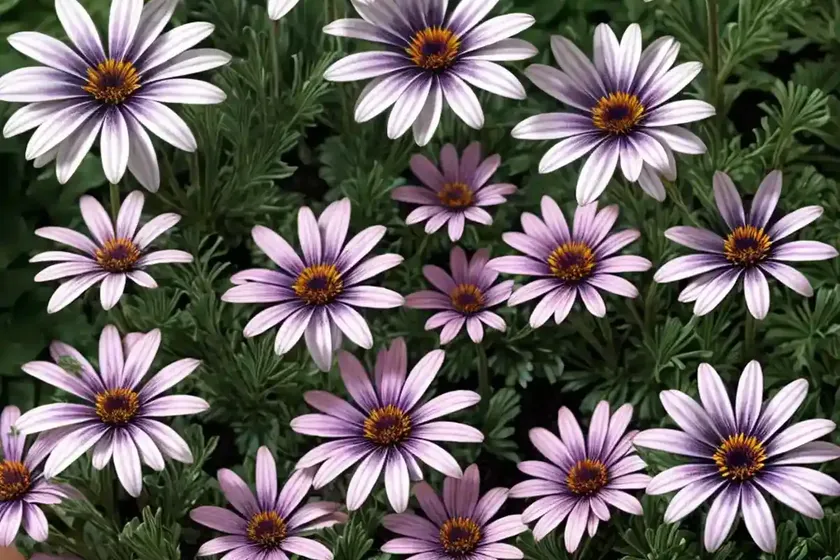
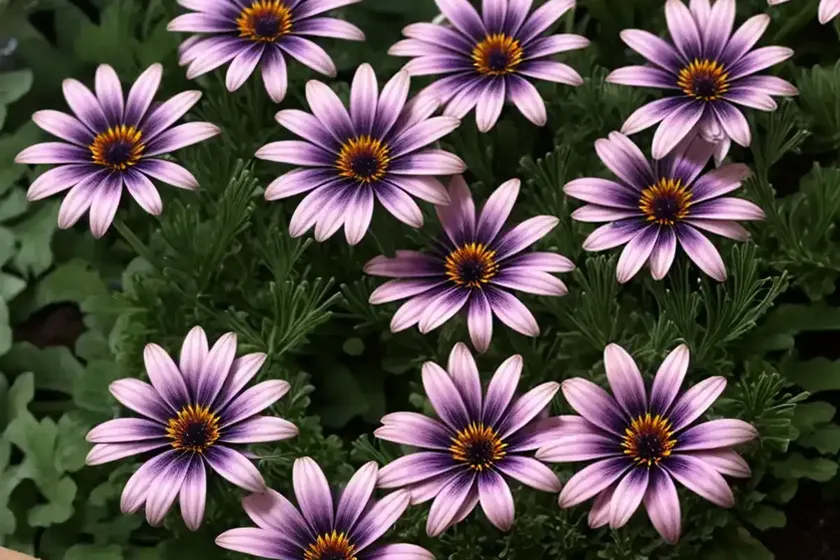
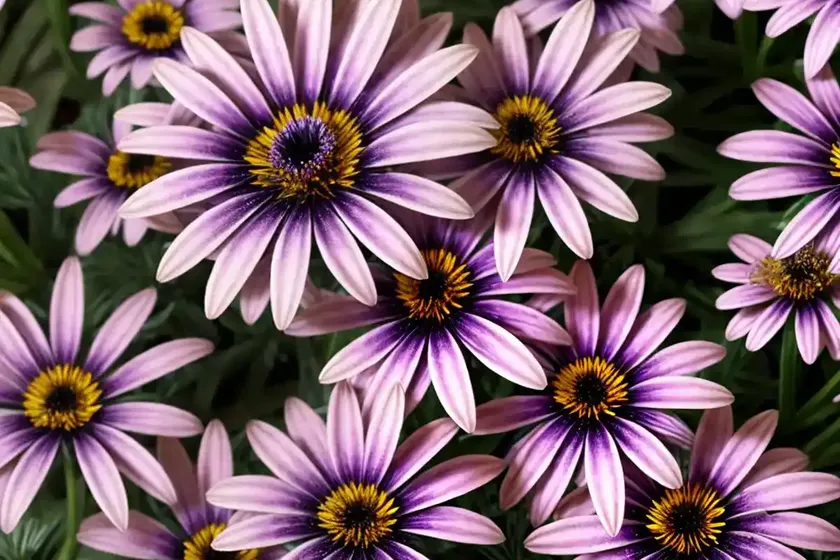
Plants bring life, color, and vibrancy to our surroundings, and few do it better than the African Daisy, Osteospermum ‘Zion Copper Amethyst’. This resilient and stunning plant is a popular choice for gardens, landscapes, and containers due to its striking flowers, low maintenance, and adaptability. In this comprehensive guide, we will delve into the various aspects of caring for and appreciating this remarkable plant.
What is Osteospermum ‘Zion Copper Amethyst’ (African Daisy)?
Osteospermum ‘Zion Copper Amethyst’, commonly known as the African Daisy, is a member of the Asteraceae family. Originating from South Africa, this evergreen perennial is celebrated for its colorful, daisy-like flowers that bloom in an array of stunning hues, including shades of copper and amethyst. The plant’s botanical name, Osteospermum, is derived from the Greek words “osteon” meaning bone and “sperma” meaning seed, a reference to the hardiness of its seeds. It is a sun-loving plant that thrives in well-draining soil and is known for its resilience to heat and drought.
This guide will explore a comprehensive range of topics related to this beautiful plant. From its specific care requirements to its uses and benefits, this article will serve as a one-stop resource for anyone looking to learn more about the Osteospermum ‘Zion Copper Amethyst’.
Key Takeaways
Before delving into the specific care and cultivation tips for Osteospermum ‘Zion Copper Amethyst’, let’s highlight some key takeaways that will be covered in this article:
- Understanding the culture and growing conditions that Osteospermum ‘Zion Copper Amethyst’ thrives in
- Recognizing the various uses of the African Daisy in landscaping and container gardening
- Exploring the water, sunlight, fertilizer, and soil requirements for optimal growth
- Learning about pruning, propagation, and container gardening techniques for this plant
- Identifying common diseases and pests that affect Osteospermum ‘Zion Copper Amethyst’ and ways to diagnose and treat them
- Gaining insights from botanist’s tips and fun facts about this beautiful plant
Now, let’s dive into each of these aspects in detail.
Culture
Understanding the cultural requirements of Osteospermum ‘Zion Copper Amethyst’ is essential for its successful growth. From its water and sunlight needs to its fertilizer and soil preferences, getting the cultural practices right ensures the plant’s vigor and vibrant blooms.
Water
Adequate watering is crucial for the healthy growth of Osteospermum ‘Zion Copper Amethyst’. However, it is important to strike a balance as the plant does not tolerate waterlogged conditions. During the growing season, it is recommended to water the plant when the soil feels dry to the touch, typically at a depth of an inch.
In times of prolonged heat or drought, pay extra attention to watering, ensuring that the plant receives sufficient moisture without being waterlogged. Mulching around the base of the plant can also help in retaining soil moisture, especially during hot summers.
Sunlight
African Daisies are sun-loving plants and thrive in full sunlight. They should ideally receive at least 6-8 hours of direct sunlight to promote healthy growth and prolific flowering. Planting them in a location with ample sunlight not only encourages blooming but also helps in preventing issues such as legginess and reduced flower production.
Fertilizer
While Osteospermum ‘Zion Copper Amethyst’ is relatively low-maintenance, providing it with the right fertilizer can enhance its performance and flower production. Using a balanced, all-purpose fertilizer, preferably one with a higher potassium content to promote flowering, is recommended. It is advisable to fertilize the plant in early spring, following the manufacturer’s guidelines for application rates, and then again in mid-summer to encourage continued flowering.
Soil
The soil requirements for African Daisies are straightforward – well-draining and slightly acidic soil is the key. Good drainage is crucial as the plant does not tolerate waterlogged conditions and is susceptible to root rot in overly moist soil. A sandy loam or a mixture of sand and organic matter can help in ensuring proper drainage for the plant.
An ideal pH range for the soil is between 6.0 and 6.5, which supports efficient nutrient uptake and overall plant health. Amending the soil with organic matter or compost can improve its structure and fertility, promoting vigorous growth of the African Daisy.
Uses
Osteospermum ‘Zion Copper Amethyst’ boasts an array of uses, making it a versatile and popular choice for various gardening and landscaping applications. Understanding these uses can help in maximizing the plant’s potential and aesthetic appeal in different settings.
Landscapes
In landscaping, the African Daisy is often used to add a pop of color and visual interest to flower beds, borders, and rock gardens. Its vibrant blooms and compact growth habit make it a fantastic choice for creating eye-catching displays in residential and commercial landscapes. The ability to thrive in hot and sunny conditions further enhances its appeal as a landscaping plant.
Container Gardening
The compact size and striking flowers of Osteospermum ‘Zion Copper Amethyst’ make it an excellent candidate for container gardening. Whether grown in pots, hanging baskets, or window boxes, the plant brightens up patios, balconies, and other outdoor spaces with its colorful blooms. It is important to ensure that the containers have adequate drainage to prevent waterlogging, and using a well-draining potting mix is essential for the plant’s success in containers.
Pruning
Pruning is a beneficial practice for maintaining the shape, vigor, and flowering of Osteospermum ‘Zion Copper Amethyst’. Regular deadheading, which involves removing spent flowers, promotes continuous blooming and prevents the plant from diverting energy into seed production. This simple practice encourages the growth of new flower buds, prolonging the ornamental display of the African Daisy throughout the growing season.
Additionally, light pruning to remove leggy or straggly growth can help in maintaining a compact and bushy appearance. It is best to carry out such pruning in early spring to stimulate new growth and rejuvenate the plant after the winter months.
Propagation
Propagating Osteospermum ‘Zion Copper Amethyst’ is relatively straightforward and can be achieved through methods such as division, cuttings, or seed sowing. Each method offers its own set of advantages and can be chosen based on the available resources and desired outcomes.
Division
Division involves separating the plant into smaller sections, each with its own set of roots, and replanting them to establish new plants. This method is typically performed in spring, and it is important to ensure that each divided section has adequate roots and foliage to support its growth. Dividing established clumps of African Daisies can help in rejuvenating the plants and increasing their numbers.
Cuttings
Taking stem cuttings is a popular method for propagating Osteospermum ‘Zion Copper Amethyst’. It involves selecting healthy, non-flowering stems, around 4-6 inches in length, and rooting them in a suitable growing medium. With proper care and favorable conditions, the cuttings develop roots and eventually grow into new, genetically identical plants. This method allows for the rapid multiplication of desirable traits and is often preferred for propagating specific cultivars with unique characteristics.
Seed Sowing
Growing African Daisies from seed offers an economical and rewarding way to propagate the plants. The seeds can be sown directly into the garden or started indoors under controlled conditions. Given the plant’s natural hardiness, it readily germinates from seeds, and with its prolific flowering, it can be a plentiful source of fresh seeds for successive plantings. Collecting and sowing seeds from established plants is a simple way to sustain and expand the presence of Osteospermum ‘Zion Copper Amethyst’.
Container Popularity
The popularity of Osteospermum ‘Zion Copper Amethyst’ in container gardening continues to soar, thanks to its compact size, dazzling flowers, and adaptability to container environments. Its versatility in various container types and its ability to thrive on patios, balconies, and other confined spaces make it a sought-after choice for container gardening enthusiasts and landscape designers.
Container Common Diseases
While African Daisies generally maintain good health when grown in containers, they may still be susceptible to certain diseases that can affect their growth and appearance. Being aware of these common diseases and their symptoms is crucial for timely intervention and effective management.
Disease Diagnosis
Diagnosing diseases in Osteospermum ‘Zion Copper Amethyst’ can be based on visual symptoms such as leaf spots, discoloration, wilting, or abnormal growth. Common diseases that may affect the plant include:
- Powdery Mildew: This fungal disease appears as powdery, white spots on the leaves and stems, reducing the plant’s overall vigor and aesthetic appeal.
- Botrytis: Also known as gray mold, this disease manifests as fuzzy, gray patches on the plant’s foliage and flowers, often causing them to rot and decay.
- Leaf Spot: Leaf spots present as dark or discolored lesions on the plant’s leaves, potentially leading to defoliation and reduced photosynthetic capacity.
Common Pests
African Daisies are relatively resistant to pests, but they can still fall victim to common garden insects that may pose a threat to their health and appearance.
- Aphids: These tiny, soft-bodied insects cluster on the plant’s tender growth, feeding on sap and potentially causing distortion of leaves and flowers.
- Spider Mites: These arachnids may infest the plant, causing stippling, discoloration, and webbing on the foliage, which can hinder the plant’s growth and vitality.
Botanist’s Tips
Drawing from the insights of experienced botanists and horticulturists can provide valuable guidance for the successful cultivation and enjoyment of Osteospermum ‘Zion Copper Amethyst’. Here are some expert tips that can enhance your experience with the African Daisy:
- Optimal Drainage: Ensuring well-draining soil or using raised beds and containers with drainage holes promotes healthy root development and reduces the risk of waterlogging.
- Regular Deadheading: Consistent deadheading of spent flowers encourages continuous flowering and maintains the plant’s neat appearance throughout the season.
- Mulching: Applying a layer of mulch around the plant conserves soil moisture, moderates soil temperature, and suppresses weeds, contributing to overall plant health.
Fun Facts
Discovering interesting and intriguing facts about the African Daisy adds to the fascination and appreciation for this beautiful plant. Here are some fun facts about Osteospermum ‘Zion Copper Amethyst’:
- The Osteospermum genus includes around 50 species, with a wide range of flower colors and forms, making it a diverse and captivating group of plants.
- African Daisies are not true daisies, despite their common name. They belong to the daisy family, Asteraceae, and are closely related to sunflowers and asters.
- Osteospermum ‘Zion Copper Amethyst’ is known for attracting pollinators such as bees and butterflies, contributing to the biodiversity and ecological balance in the garden.
Links to External Resources
To further enrich your knowledge and understanding of Osteospermum ‘Zion Copper Amethyst’ and African Daisies in general, the following external resources can offer valuable insights and guidance:
- Royal Horticultural Society – African Daisy Plant Profile
- University of Florida IFAS Extension – African Daisy Production Guide
- Plant and Soil Sciences eLibrary – Osteospermum Care and Cultivation
Conclusion
With its stunning flowers, low maintenance requirements, and versatility, Osteospermum ‘Zion Copper Amethyst’ stands out as an exceptional choice for gardeners, landscapers, and plant enthusiasts. By understanding its cultural needs, exploring its uses, and being proactive in disease and pest management, you can ensure the successful growth and enjoyment of this captivating plant. Whether in landscapes or containers, the African Daisy adds a burst of color and charm, enriching any outdoor space with its radiant presence. As you embark on your journey with Osteospermum ‘Zion Copper Amethyst’, use this comprehensive guide as your companion, and let the beauty of this remarkable plant brighten up your gardens and landscapes.
So, as you embark on your journey to cultivate the stunning Osteospermum ‘Zion Copper Amethyst’, armed with the knowledge and insights shared in this comprehensive guide, may your gardening endeavors be filled with vibrant blooms and flourishing plants.