Osteospermum ‘Voltage Yellow’ (African Daisy)
Osteospermum ‘Voltage Yellow’, commonly known as African Daisy, is a stunning flowering plant that adds vibrant color and texture to gardens and.
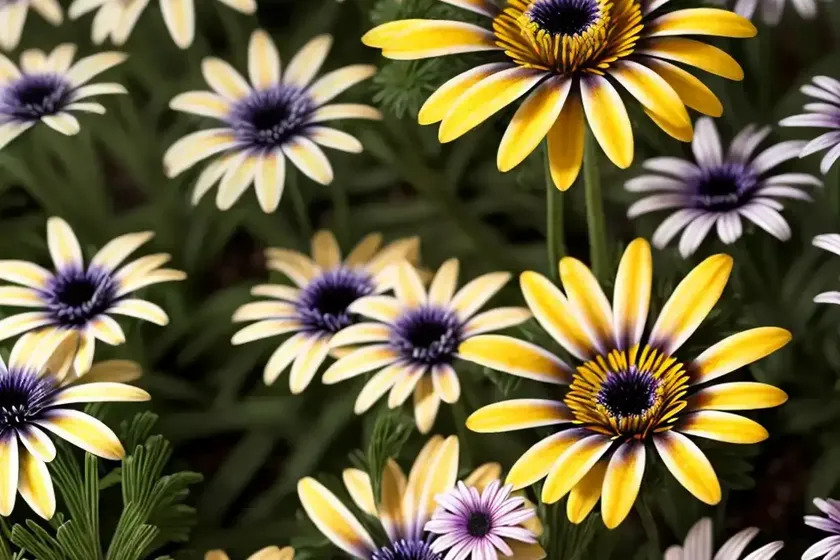
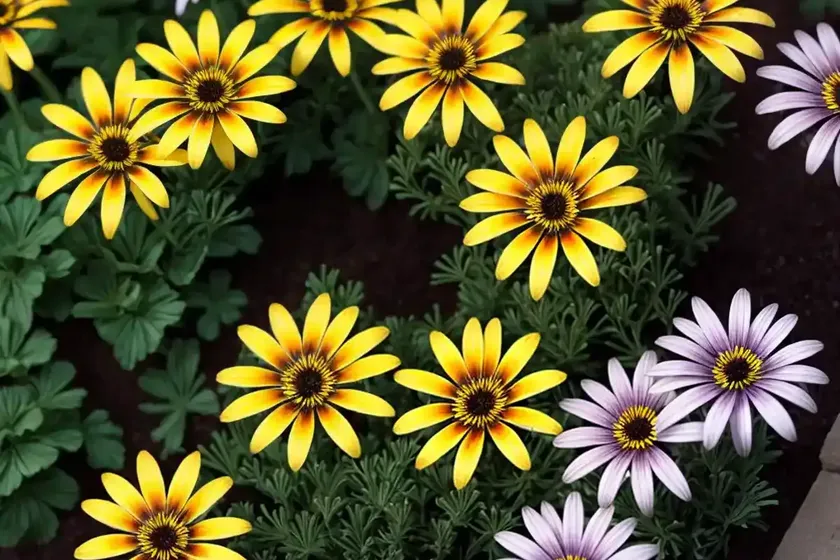
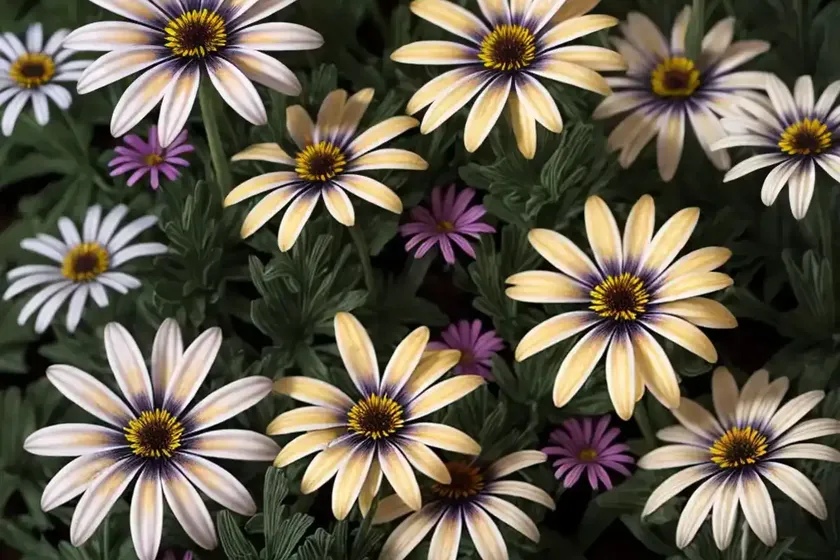
Osteospermum ‘Voltage Yellow’, commonly known as African Daisy, is a stunning flowering plant that adds vibrant color and texture to gardens and landscapes. This article serves as a comprehensive guide for both novice and experienced gardeners, delving into its culture, uses, maintenance, and more. Through this guide, readers will gain valuable insights into the care and propagation of this beautiful plant.
What is Osteospermum ‘Voltage Yellow’ (African Daisy)?
Osteospermum ‘Voltage Yellow’ is a cultivar of the African Daisy (Osteospermum), which belongs to the Asteraceae family. This perennial plant is native to South Africa, where it thrives in the warm, sunny conditions of its natural habitat. The ‘Voltage Yellow’ variety is lauded for its striking bright yellow flowers, which contrast beautifully against its deep green foliage.
This African Daisy variety is renowned for its versatility and ability to thrive in a variety of settings, making it a popular choice for both amateur and professional gardeners. With proper care, Osteospermum ‘Voltage Yellow’ can be a long-lasting and visually appealing addition to any landscape or garden.
Key Takeaways – Osteospermum ‘Voltage Yellow’ (African Daisy)
To provide a comprehensive understanding of Osteospermum ‘Voltage Yellow’, let’s explore the key takeaways related to its culture, uses, maintenance, and more.
Culture
- Thrives in warm, sunny conditions
- Well-draining soil is essential
- Drought-tolerant once established
Uses
- Adds vibrant color to gardens and landscapes
- Suitable for containers and mixed plantings
- Attracts pollinators such as butterflies and bees
Water
- Maintains moderately moist soil
- Avoids waterlogged conditions
- Drought-tolerant once established
Sunlight
- Requires full sun for optimal growth and flowering
- Tolerates heat and sunlight exposure
Fertilizer
- Benefits from balanced, slow-release fertilizers
- Apply fertilizer in the growing season
- Avoid excessive nitrogen to prevent leggy growth
Soil
- Well-draining, sandy or loamy soil
- Neutral to slightly acidic pH level
- Amendments may be necessary for heavy clay soils
Pruning
- Deadheading spent flowers promotes continuous blooming
- Occasional light pruning to maintain shape and density
- Trimming back in late winter for rejuvenation
Propagation
- Propagate from seeds or stem cuttings
- Seeds can be sown directly in the garden or started indoors
- Stem cuttings root easily in well-draining soil
Container Popularity
- Well-suited for container gardening
- Adds a pop of color to patios, balconies, and decks
- Requires well-draining potting mix
Common Diseases
- Susceptible to Botrytis, Powdery Mildew, and Leaf Spot
- Proper air circulation and watering practices can mitigate disease risk
- Remove affected foliage and provide appropriate treatment
Disease Diagnosis
- Monitor for foliage discoloration, spotting, or wilting
- Examine leaves and flowers for signs of fungal growth
- Consult a plant expert for accurate diagnosis and treatment recommendations
Common Pests
- Aphids, Spider Mites, and Thrips may infest African Daisies
- Regular inspection and insecticidal treatments can control pest populations
- Beneficial insects such as ladybugs contribute to natural pest management
Botanist’s Tips
- Provide ample sunlight for vigorous growth and prolific flowering
- Monitor watering to prevent waterlogging or drought stress
- Regular deadheading enhances blooming and maintains plant aesthetics
Fun Facts
- Osteospermum ‘Voltage Yellow’ is often used in flower arrangements and bouquets
- The flowers close at night and reopen in the morning, a phenomenon known as nyctinasty
- The genus name “Osteospermum” is derived from the Greek words for “bone” and “seed,” referencing the plant’s hardy seeds
Links to External Resources
- Royal Horticultural Society – Osteospermum cultivation guide
- University of California – Integrated Pest Management for African Daisies
- Missouri Botanical Garden – Osteospermum care and propagation
Now that we’ve outlined the key takeaways, let’s delve deeper into the details of each aspect to provide a comprehensive understanding of Osteospermum ‘Voltage Yellow’ and its care requirements.
Culture
Osteospermum ‘Voltage Yellow’ thrives in warm, sunny conditions, making it well-suited for gardens and landscapes with ample sunlight. This vibrant flowering plant is known for its tolerance to heat and is a popular choice for gardeners seeking an easy-care addition to their outdoor spaces. Understanding its culture encompasses various aspects, including soil, water, sunlight, and fertilizer requirements.
Soil
The soil requirements for Osteospermum ‘Voltage Yellow’ are relatively straightforward. It prefers well-draining soil, with a preference for sandy or loamy textures. Additionally, the ideal soil pH for African Daisies ranges from neutral to slightly acidic. Gardeners dealing with heavy clay soils may need to amend the soil to improve drainage and aeration, ensuring optimal growing conditions for this plant.
Water
While African Daisies require moist soil, especially during the initial establishment phase, they exhibit remarkable drought tolerance once they have settled into their environment. To maintain the health and vibrancy of Osteospermum ‘Voltage Yellow’, it’s crucial to monitor watering practices. Overwatering should be avoided to prevent waterlogged conditions, which can lead to root rot and other detrimental issues. Conversely, allowing the soil to dry out excessively may impact the plant’s overall vigor and flowering potential.
Sunlight
As a sun-loving plant, Osteospermum ‘Voltage Yellow’ thrives in full sun exposure. Adequate sunlight is essential for promoting robust growth, abundant flowering, and vivid flower coloration. Gardeners should select planting locations that receive at least 6-8 hours of direct sunlight daily to ensure the optimal performance of this African Daisy variety.
Fertilizer
Fertilizing Osteospermum ‘Voltage Yellow’ contributes to its overall health and flowering capacity. A balanced, slow-release fertilizer formulated for flowering plants can be applied during the growing season. It’s important to adhere to the manufacturer’s recommendations regarding application rates to avoid fertilizer burn or excessive nitrogen levels, which can lead to leggy growth and reduced flowering prowess.
Uses
The uses of Osteospermum ‘Voltage Yellow’ extend beyond its ornamental value in gardens and landscapes. This African Daisy variety serves several purposes within horticultural settings, offering both aesthetic and ecological benefits. Understanding its uses provides insight into its versatility and potential applications within different gardening contexts.
Aesthetic Value
One of the primary uses of Osteospermum ‘Voltage Yellow’ is its ability to enhance the visual appeal of gardens, borders, and mixed plantings. The bright yellow flowers and contrasting foliage create a striking display, adding vibrant color and textural interest to outdoor spaces. Landscapers and garden designers often utilize this African Daisy variety to introduce dynamic color schemes and provide focal points within larger planting schemes.
Container Gardening
Osteospermum ‘Voltage Yellow’ is well-suited for container gardening, making it an excellent choice for patios, balconies, and other outdoor areas with limited space. Its compact growth habit and prolific flowering make it an ideal candidate for decorative pots, window boxes, and hanging baskets. When used in containers, this African Daisy variety offers the flexibility to create customized arrangements and moveable floral displays.
Pollinator Attraction
African Daisies, including Osteospermum ‘Voltage Yellow’, possess intrinsic value in supporting pollinators such as butterflies, bees, and other beneficial insects. The nectar-rich flowers serve as important food sources for these pollinating organisms, contributing to the overall biodiversity and ecological balance within garden ecosystems. By incorporating this variety into garden designs, gardeners can actively promote pollinator-friendly habitats.
Floral Arrangements
The blooms of Osteospermum ‘Voltage Yellow’ are frequently utilized in floral arrangements and bouquets due to their vibrant color and longevity as cut flowers. Whether used in fresh floral displays or dried for ornamental purposes, the striking yellow flowers of this African Daisy variety add a cheerful and uplifting element to floral compositions.
Water
Proper watering practices are crucial for the health and vigor of Osteospermum ‘Voltage Yellow’. While this African Daisy variety exhibits drought tolerance once established, maintaining moderately moist soil is essential, especially during periods of active growth and flowering. To ensure optimal water management, gardeners should adhere to the following guidelines:
- Water Osteospermum ‘Voltage Yellow’ when the soil surface feels dry to the touch, providing thorough irrigation to saturate the root zone without creating waterlogged conditions.
- Incorporate a layer of organic mulch around the base of the plants to help retain soil moisture and suppress weed growth. Mulching also regulates soil temperature and reduces water evaporation from the root zone.
- Monitor the moisture levels during hot, dry spells to prevent the soil from drying out excessively. Supplemental irrigation may be necessary to sustain the plant’s vitality and flowering performance.
- Avoid overhead watering to minimize the risk of foliar diseases and fungal infections. Directing water at the base of the plants reduces moisture accumulation on the foliage.
Sunlight
For Osteospermum ‘Voltage Yellow’ to thrive and exhibit its full potential, adequate sunlight is a non-negotiable requirement. This African Daisy variety excels in full sun conditions, necessitating at least 6-8 hours of direct sunlight each day to ensure robust growth and prolific flowering. To optimize sunlight exposure for Osteospermum ‘Voltage Yellow’, consider the following recommendations:
- Select planting locations that receive ample sunlight, preferably with southern or western exposure, to harness the maximum intensity of the sun’s rays.
- Monitor for potential shading from nearby trees, buildings, or structures that may obstruct sunlight and affect the plant’s performance. Trimming or pruning overhead obstructions can enhance sunlight penetration.
- During periods of extreme heat or prolonged sun exposure, observe the plant for signs of stress such as wilting or leaf scorch. Provide supplemental watering and temporary shading if necessary to mitigate sun-related issues.
Fertilizer
Applying fertilizer responsibly is integral to promoting the robust growth and flowering of Osteospermum ‘Voltage Yellow’. While this African Daisy variety is relatively low-maintenance in its nutrient requirements, providing a balanced, slow-release fertilizer during the growing season can augment its overall vigor and bloom production. To effectively fertilize Osteospermum ‘Voltage Yellow’, implement the following practices:
- Choose a well-balanced, granular fertilizer with a formulation such as 10-10-10 or 15-15-15, designed for flowering or ornamental plants. Avoid high-nitrogen fertilizers that can promote excessive vegetative growth at the expense of flowers.
- Apply the fertilizer according to the manufacturer’s directions, distributing it evenly around the base of the plants while avoiding direct contact with the foliage. Incorporate a light watering after application to facilitate nutrient uptake by the roots.
- Prioritize fertilizing Osteospermum ‘Voltage Yellow’ during the active growing season, typically in spring and early to mid-summer. Refrain from fertilization in late summer to prevent stimulating new growth that may be susceptible to frost damage in colder climates.
Soil
The soil composition and quality directly influence the overall health and performance of Osteospermum ‘Voltage Yellow’. As with many plants, this African Daisy variety thrives in well-draining soil with specific preferences regarding texture and pH levels. To optimize the soil conditions for Osteospermum ‘Voltage Yellow’, consider the following soil-related recommendations:
- Ensure that the soil is well-draining, preventing waterlogged conditions that can lead to root rot and other moisture-related issues. Incorporate organic matter or compost into heavy or compacted soils to improve drainage and structure.
- Select sandy or loamy soil types if possible, as these textures typically offer the ideal balance of drainage and moisture retention for African Daisies. Avoid excessively sandy soils that may dry out too quickly.
- Test the soil pH using a reliable soil testing kit or service to ascertain its acidity or alkalinity levels. Osteospermum ‘Voltage Yellow’ prefers a neutral to slightly acidic pH range, typically between 6.0 and 7.0. Acidic soils may necessitate the addition of lime to raise the pH to an optimal level.
Pruning
Pruning plays a crucial role in the maintenance and rejuvenation of Osteospermum ‘Voltage Yellow’, contributing to the plant’s overall appearance and blooming capacity. When implemented appropriately, pruning encourages continuous flowering, manages plant size, and revitalizes the foliage for a neater, more compact growth habit. To effectively prune Osteospermum ‘Voltage Yellow’, follow these fundamental pruning guidelines:
- Deadhead spent flowers regularly to promote continuous blooming throughout the growing season. Removing faded blooms redirects the plant’s energy toward producing new flowers, extending the overall flowering period.
- Conduct light, selective pruning as needed to maintain the desired shape, density, and size of Osteospermum ‘Voltage Yellow’. Use clean, sharp pruning shears to trim back overgrown or straggly stems and branches.
- Consider more substantial rejuvenation pruning in late winter or early spring to revitalize the plant and encourage new growth. Trim back leggy or unproductive stems to promote a bushier, more robust growth pattern for the upcoming season.
Propagation
Propagating Osteospermum ‘Voltage Yellow’ offers an opportunity to expand the plant population and introduce new specimens into various garden settings. This African Daisy variety can be propagated from seeds or stem cuttings, both of which present viable methods for generating new plants with desirable traits. To successfully propagate Osteospermum ‘Voltage Yellow’, utilize the following propagation techniques:
Seeds
- Harvest seeds from mature Osteospermum ‘Voltage Yellow’ flowers, selecting fully developed seed heads and allowing them to air dry. Ensure that the seeds are completely dry before storage to prevent mold and decay.
- Sow the seeds in well-draining, sterile seed-starting mix, lightly pressing them into the surface of the soil without covering them. Maintain consistent moisture and warmth to facilitate germination.
- Place the seed trays or pots in a warm, brightly lit location, such as a greenhouse or sunny windowsill, to encourage seedling emergence. Keep the soil evenly moist during the germination process.
Stem Cuttings
- Select healthy, non-flowering stems from Osteospermum ‘Voltage Yellow’, ensuring that each cutting is 4-6 inches in length and possesses several pairs of leaves. Cut just below a leaf node to create the cutting.
- Dip the base of the cuttings in a rooting hormone powder to stimulate the development of roots, then insert them into a well-draining rooting medium such as perlite or vermiculite. Firm the medium around the base of each cutting to promote stability.
- Provide consistent warmth and humidity to facilitate the rooting process, maintaining a stable environment for the cuttings. Once the cuttings have established roots, they can be transplanted into individual containers or directly into the garden.
Container Popularity
The popularity of Osteospermum ‘Voltage Yellow’ in container gardening stems from its compact growth habit, vibrant flowers, and adaptability to containerized environments. This African Daisy variety thrives in containers, adding a punch of color to patios, balconies, and outdoor living spaces. When cultivating Osteospermum ‘Voltage Yellow’ in containers, consider the following factors to ensure optimal growth and performance:
Container Selection
- Choose well-draining containers with adequate drainage holes to prevent waterlogged soil conditions. Consider selecting containers made from materials such as terracotta, plastic, or glazed ceramic, each of which exhibits different moisture retention properties.
Potting Mix
- Utilize a high-quality, well-draining potting mix specifically formulated for containerized plants. Consider incorporating perlite or coarse sand to improve aeration and drainage within the potting medium.
Watering
- Monitor the moisture levels of the potting mix carefully, ensuring that it remains evenly moist without becoming waterlogged. Containerized plants may require more frequent watering than those in the ground due to increased evaporation from the soil.
Sunlight
- Position the containers in locations that receive ample sunlight, ideally providing at least 6-8 hours of direct sun exposure per day. Be mindful of potential overheating, especially in hot climates, and provide temporary shading if necessary.
Fertilization
- Incorporate a balanced, slow-release fertilizer into the potting mix or apply liquid fertilizers as directed to support the growth and flowering of Osteospermum ‘Voltage Yellow’. Follow the recommended fertilization schedule to avoid nutrient imbalances.
Overwintering
- In regions with cold winters, consider overwintering containerized Osteospermum ‘Voltage Yellow’ indoors to protect the plants from frost damage. Provide adequate sunlight and maintain consistent moisture levels during the overwintering period.
Common Diseases
Despite its resilience, Osteospermum ‘Voltage Yellow’ is susceptible to several common diseases that can impact its overall health and appearance. Recognizing these diseases and understanding their prevention and treatment is essential for maintaining the vitality of this African Daisy variety. Let’s explore the common diseases that may affect Osteospermum ‘Voltage Yellow’ and the associated disease management strategies.
Botrytis
Botrytis, also known as gray mold, is a fungal disease that thrives in cool, humid conditions. Its characteristic grayish mold often develops on the flowers, stems, and foliage of affected plants. To manage Botrytis in Osteospermum ‘Voltage Yellow’, implement the following disease management practices:
- Provide adequate air circulation to minimize humidity around the plants, reducing the favorable conditions for Botrytis development.
- Avoid overhead watering to prevent excessive moisture on the foliage, as wet conditions create an environment conducive to Botrytis proliferation.
- Remove and dispose of infected plant parts to prevent the spread of the disease. Refrain from using infected plant material in compost piles to prevent further contamination.
Powdery Mildew
Powdery mildew is a prevalent fungal disease that manifests as a white, powdery coating on the leaves and stems of affected plants. Warm, dry conditions coupled with high humidity contribute to the development of this disease. To manage powdery mildew in Osteospermum ‘Voltage Yellow’, adopt the following disease management strategies:
- Monitor plant spacing to promote airflow and reduce humidity around the foliage. Prune or thin out dense growth to enhance ventilation and discourage powdery mildew development.
- Apply fungicidal treatments as a preventative measure or upon the initial signs of powdery mildew. Consider using organic or systemic fungicides approved for ornamental plants.
Leaf Spot
Leaf spot diseases, characterized by the presence of circular or irregularly-shaped lesions on the foliage, can affect Osteospermum ‘Voltage Yellow’. These diseases are typically caused by fungal or bacterial pathogens and may result in leaf discoloration and defoliation. To manage leaf spot diseases in Osteospermum ‘Voltage Yellow’, employ the following disease management techniques:
- Avoid