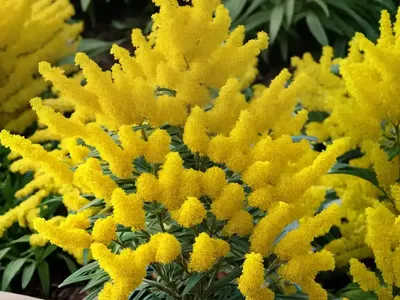
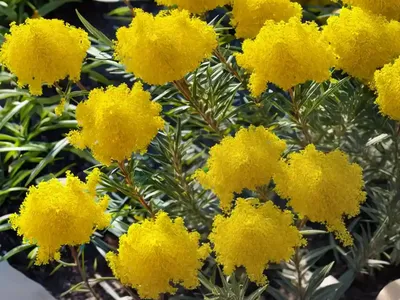
Osteospermum ‘Soprano White’ (African Daisy)
In the world of horticulture, the Osteospermum ‘Soprano White’ or the African Daisy stands out as a vibrant and versatile option for gardeners and plant.



In the world of horticulture, the Osteospermum ‘Soprano White’ or the African Daisy stands out as a vibrant and versatile option for gardeners and plant enthusiasts. Its stunning white flowers and attractive foliage make it a popular choice for landscaping, container gardening, and as a cut flower. In this comprehensive guide, we will delve into the various aspects of caring for and growing the Osteospermum ‘Soprano White’, covering its culture, uses, maintenance, and much more. Whether you are a beginner looking to enhance your garden or an experienced gardener aiming to diversify your plant collection, this guide is designed to provide valuable insights into maximizing the potential of this beautiful plant.
What is Osteospermum ‘Soprano White’ (African Daisy)?
The Osteospermum ‘Soprano White’, commonly known as the African Daisy, is a member of the Asteraceae family, which is native to South Africa. It is a herbaceous perennial that is cherished for its daisy-like flowers and attractive, fern-like foliage. The ‘Soprano White’ variety is particularly renowned for its pristine white flower petals that radiate elegance and freshness in garden settings.
As a plant with a sprawling and mounding growth habit, the African Daisy can reach a height and spread of approximately 12-18 inches, making it ideal for edging, borders, and ground cover. This plant is also renowned for its ability to attract pollinators, making it a valuable addition to pollinator-friendly gardens.
Beyond its ornamental value, the African Daisy has practical uses as well. Its flowers are often utilized in floral arrangements and can be grown for the purpose of cutting and displaying indoors. The plant’s resilience and adaptability also make it suitable for various landscape designs, from rock gardens to formal flower beds.
With its diverse uses and striking aesthetic appeal, learning the best practices for caring for Osteospermum ‘Soprano White’ is essential to maximize its potential in different gardening settings.
Key Takeaways – Osteospermum ‘Soprano White’ (African Daisy)
Before delving into the specific aspects of caring for the Osteospermum ‘Soprano White’, let’s outline some key takeaways about this captivating plant.
- Botanical Name: Osteospermum ‘Soprano White’
- Common Name: African Daisy
- Plant Type: Herbaceous Perennial
- Flower Color: White
- Growth Habit: Spreading, Mounding
- Height: 12-18 inches
- Uses: Landscaping, Container Gardening, Cut Flowers, Pollinator Gardens
- Maintenance: Low to Moderate
- Hardiness Zone: 9-11
Now, let’s delve into the specific aspects of cultivating and maintaining the Osteospermum ‘Soprano White’, ranging from its cultural requirements to potential uses and benefits in diverse gardening scenarios.
Culture
Caring for Osteospermum ‘Soprano White’ involves attention to several key cultural aspects that are vital for its overall health and performance in the garden. Understanding its needs in terms of water, sunlight, soil, and fertilization is essential for fostering robust growth and compelling floral displays.
Water
Adequate and consistent moisture is crucial for the healthy growth of Osteospermum ‘Soprano White’. While the African Daisy is relatively drought-tolerant once established, regular watering is essential, especially during dry periods or in containers.
- Watering Needs:
- Maintain slightly moist soil during active growth.
- Water when the top inch of soil feels dry to the touch.
- Avoid overwatering to prevent waterlogged conditions, which can lead to root rot.
Sunlight
Being a sun-loving plant, the African Daisy thrives in full sunlight. Providing it with the right amount of sunlight ensures strong, compact growth and abundant flowering.
- Sunlight Requirements:
- Full sun to partial shade, with at least 6-8 hours of direct sunlight daily.
- Plant in a location with ample sunlight exposure, especially in cooler climates.
Fertilizer
Feeding your Osteospermum ‘Soprano White’ with appropriate fertilizers supports healthy foliage and prolific flowering. A balanced fertilizer formulated for flowering plants can provide the necessary nutrients for robust growth and consistent blooms.
- Fertilizing Tips:
- Apply a balanced, water-soluble fertilizer every 4-6 weeks during the growing season.
- Follow the manufacturer’s instructions for proper dilution and application rates.
- Avoid overfeeding to prevent excessive vegetative growth at the expense of flowering.
Soil
Well-draining soil that provides good aeration and fertility is essential for maintaining the health and vigor of Osteospermum ‘Soprano White’. Amending the soil with organic matter and ensuring proper drainage are key considerations when planting or potting this beautiful perennial.
- Ideal Soil Characteristics:
- Well-draining, loamy soil with a slightly acidic to neutral pH (6.0-7.0).
- Incorporate organic compost or well-rotted manure to enhance soil fertility and structure.
- Ensure adequate drainage to prevent waterlogging, especially in areas with heavy clay soil.
Pruning
Pruning is an essential aspect of managing the growth and appearance of Osteospermum ‘Soprano White’. Regular deadheading and selective trimming can prolong the flowering period and promote a tidy, compact growth habit.
- Pruning Techniques:
- Deadhead spent blooms regularly to encourage continuous flowering.
- Trim back leggy or straggly stems to maintain a neat, bushy appearance.
- Cut back the plant by one-third after the initial flush of blooms to stimulate new growth and subsequent flowering cycles.
Propagation
Propagating Osteospermum ‘Soprano White’ allows you to expand your plant collection and share its beauty with fellow gardening enthusiasts. The African Daisy can be propagated through various methods, including division, stem cuttings, and seed sowing.
- Propagation Methods:
- Division: Divide established clumps in spring or early autumn, ensuring each division has healthy roots and shoots.
- Stem Cuttings: Take 4-6 inch stem cuttings from healthy plants in spring or early summer, and root them in a well-draining medium.
- Seed Sowing: Collect and sow fresh seeds in a well-prepared seed-starting mix, maintaining warmth and moisture for successful germination.
Container Popularity
The compact and floriferous nature of Osteospermum ‘Soprano White’ makes it an ideal candidate for container gardening. Its versatility and adaptability to container culture offer opportunities to showcase its beauty on patios, balconies, and other outdoor spaces.
- Container Gardening Tips:
- Select a container with adequate drainage holes and a capacity that accommodates the plant’s root system.
- Use a well-draining potting mix designed for container plants to ensure proper aeration and moisture retention.
- Position the container in a sunny location and monitor watering needs, as containers may dry out more quickly than garden beds.
Common Diseases
While generally resilient, Osteospermum ‘Soprano White’ can be susceptible to certain diseases under unfavorable conditions. Recognizing and addressing these issues promptly is crucial for preserving the health and vitality of the plant.
Disease Diagnosis
Being vigilant about the appearance of any abnormal symptoms can help in diagnosing and addressing potential diseases affecting the African Daisy.
- Common Diseases:
- Powdery Mildew: Characterized by a white powdery coating on leaves, caused by fungal infections in humid or poorly ventilated conditions.
- Gray Mold (Botrytis): Manifests as grayish-brown spots and fuzzy mold on flowers and foliage, favored by prolonged wet conditions.
- Root Rot: Caused by waterlogged soil, leading to wilting, yellowing foliage, and decay of the root system.
Common Pests
Aphids, spider mites, and thrips are among the common pests that may target Osteospermum ‘Soprano White’. Regular monitoring and prompt intervention are crucial for mitigating pest infestations and preserving the plant’s vitality.
- Common Pests:
- Aphids: Small, soft-bodied insects that cluster on tender growth, causing distortion and stunted development.
- Spider Mites: Tiny pests that feed on plant sap, leading to stippled, discolored foliage and fine webbing on the undersides of leaves.
- Thrips: Slim, elongated insects that cause silvering or bronzing of leaves and distorted flower buds, affecting overall plant health.
Botanist’s Tips
To enhance the successful cultivation and enjoyment of Osteospermum ‘Soprano White’, here are some tips from a botanist’s perspective:
- Healthy Plant Selection: Choose robust, healthy plants with no signs of disease or pest damage when purchasing or obtaining new specimens.
- Consistent Maintenance: Regular monitoring, watering, and feeding contribute to the long-term health and vitality of the African Daisy.
- Adaptation to Microclimates: Consider the unique environmental conditions in your garden or landscape to provide the best possible growing environment for the plant.
Fun Facts
- The genus name Osteospermum is derived from the Greek words ‘osteon’ (bone) and ‘spermum’ (seed), referring to the hardy nature of the plant’s seeds.
- Osteospermum ‘Soprano White’ is often selected for moon gardens and night-blooming settings, where its luminous flowers stand out against darker surroundings.
Links to External Resources
For further exploration and in-depth information about Osteospermum ‘Soprano White’ and related topics, consider exploring the following external resources:
- American Society for the Prevention of Cruelty to Animals (ASPCA): List of Toxic and Non-Toxic Plants for Cats
- Royal Horticultural Society (RHS): A-Z Plant Finder
- How to Grow African Daisies (Osteospermum)
Conclusion
The Osteospermum ‘Soprano White’, or African Daisy, is a remarkable plant that blends ornamental beauty with practical versatility. Whether adorning garden beds, containers, or cut flower arrangements, its luminous white blooms and resilient nature make it a valuable asset in diverse gardening scenarios.
By understanding and implementing the key cultural practices, propagation techniques, and pest management strategies outlined in this guide, you can cultivate thriving Osteospermum ‘Soprano White’ plants and reap the rewards of their enduring charm and splendor in your garden or landscape. Embracing the allure of this versatile herbaceous perennial enriches your horticultural pursuits and contributes to the vibrancy and allure of your outdoor spaces.