Osteospermum ‘Lemon Symphony’ (African Daisy)
In the world of horticulture, numerous plant species capture the hearts of gardeners and plant enthusiasts. One such species is the Osteospermum ‘Lemon.
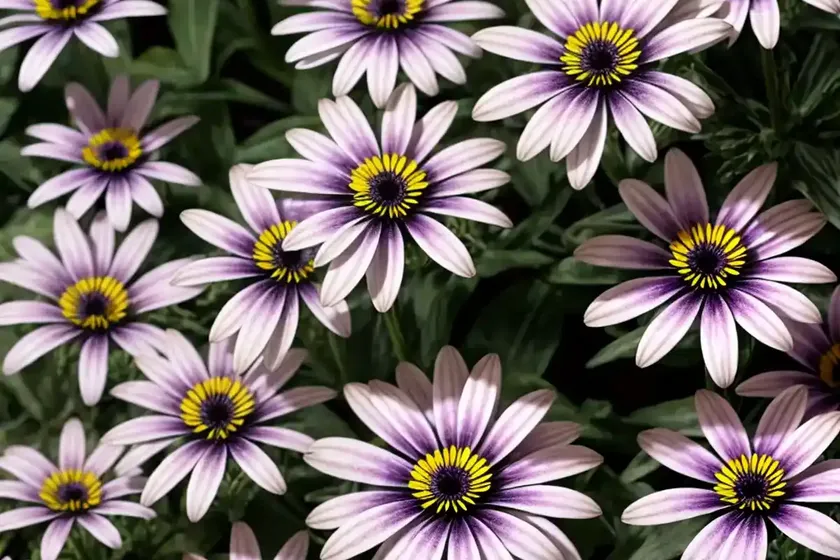
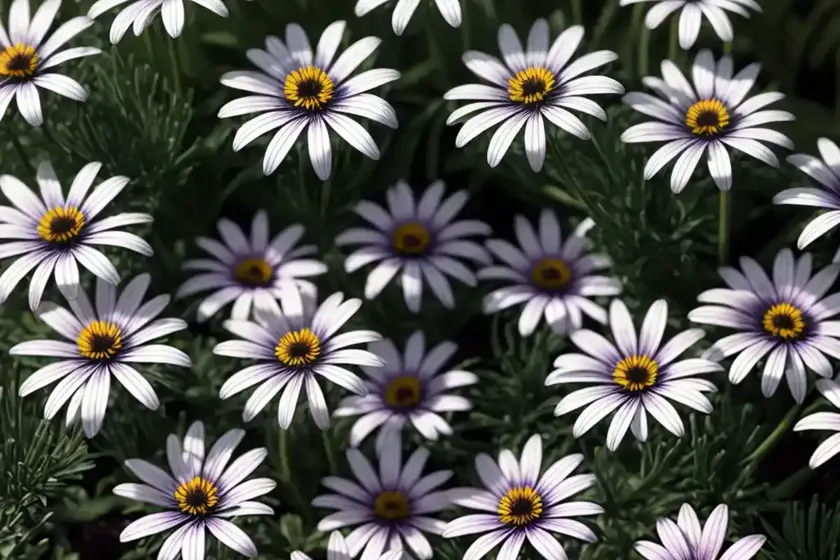
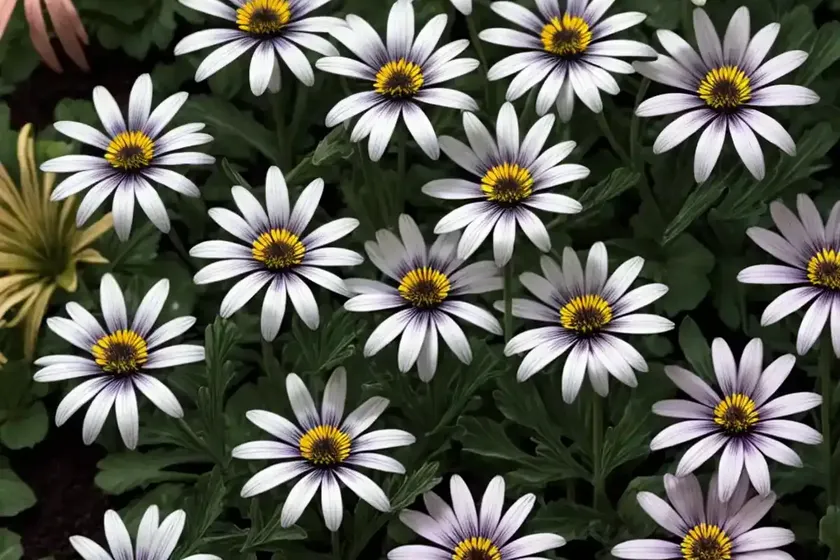
In the world of horticulture, numerous plant species capture the hearts of gardeners and plant enthusiasts. One such species is the Osteospermum ‘Lemon Symphony’ (African Daisy), a delightful and vibrant plant known for its exceptional beauty and ease of care. As a plant scientist, I am thrilled to shed light on this captivating plant through this comprehensive guide. We will explore the culture, uses, care tips, common diseases, and much more to help you understand and appreciate this stunning botanical specimen.
What is Osteospermum ‘Lemon Symphony’ (African Daisy)?
Osteospermum ‘Lemon Symphony’ is a cultivar of the African Daisy, scientifically known as Osteospermum. It belongs to the Asteraceae family and is native to South Africa. This perennial plant is renowned for its striking daisy-like flowers that come in various hues of yellow, making it a popular choice for adding vibrancy to gardens and landscapes. The ‘Lemon Symphony’ variety specifically stands out for its radiant lemon-colored blooms, which lend a cheerful and refreshing appeal to any garden setting.
Key Takeaways – Osteospermum ‘Lemon Symphony’ (African Daisy)
Before delving into the specifics of caring for the Osteospermum ‘Lemon Symphony’, let’s highlight some key takeaways about this alluring plant.
- Botanical Name: Osteospermum ‘Lemon Symphony’
- Common Name: African Daisy
- Variety: Lemon Symphony
- Family: Asteraceae
- Native to: South Africa
- Distinct Feature: Lemon-yellow daisy-like flowers
- Growth habit: Perennial
With these essential details in mind, let’s embark on an insightful journey into the world of Osteospermum ‘Lemon Symphony’ care and cultivation.
Culture
Cultivating Osteospermum ‘Lemon Symphony’ involves understanding its specific cultural requirements, including water, sunlight, soil, and fertilizer needs. Here’s a detailed look at each aspect of the plant’s culture.
Uses
- Ornamental Purposes: Osteospermum ‘Lemon Symphony’ is primarily grown for its aesthetic appeal, making it an ideal choice for embellishing garden beds, borders, and containers.
- Attracts Pollinators: The vibrant flowers of the African Daisy attract bees, butterflies, and other pollinators, making it a beneficial addition to pollinator-friendly gardens.
Water
Proper watering is crucial for the health and vigor of Osteospermum ‘Lemon Symphony’. Here are some important considerations regarding its water requirements:
- Well-Drained Soil: The plant thrives in well-drained soil and dislikes waterlogged conditions, which can lead to root rot.
- Moderate Watering: While the African Daisy is tolerant of dry conditions, it appreciates moderate watering, particularly during hot and dry periods, to support healthy growth and flowering.
- Avoid Overwatering: Overwatering should be avoided, as it can cause the plant’s roots to suffocate and lead to various diseases.
Sunlight
Adequate sunlight is essential for the prolific blooming and overall health of Osteospermum ‘Lemon Symphony’. Here’s what you need to know about providing the right amount of sunlight:
- Full Sun: African Daisies thrive in full sun, needing at least 6-8 hours of direct sunlight daily to encourage abundant flower production and maintain a compact, bushy growth habit.
- Shade Considerations: While they prefer full sun, they can tolerate light afternoon shade in extremely hot climates, especially to protect them from scorching sun during the peak of summer.
Fertilizer
Proper fertilization contributes to the vitality and blooming capacity of Osteospermum ‘Lemon Symphony’. Consider the following fertilizer guidelines:
- Balanced Fertilizer: An application of a balanced, all-purpose fertilizer in early spring can promote healthy growth and flowering throughout the growing season.
- Avoid Excessive Nitrogen: Be cautious with high-nitrogen fertilizers, as they can lead to excessive foliage growth at the expense of flower production.
- Fertilizer Frequency: Fertilize the African Daisy every 4-6 weeks during the growing season, following the manufacturer’s instructions regarding application rates.
Soil
Understanding the soil preferences of Osteospermum ‘Lemon Symphony’ is essential for creating an optimal growing environment. Consider the following soil-related aspects:
- Well-Drained Soil: African Daisies thrive in well-drained soil, and they are susceptible to root rot in consistently wet or poorly drained conditions.
- Soil Amendment: Incorporating organic matter such as compost into the soil at the time of planting can improve its drainage and nutrient-holding capacity, promoting healthy growth.
- Soil pH: The plant prefers slightly acidic to neutral soil with a pH ranging from 6.0 to 7.0. Conducting a soil test can help determine the pH and nutrient levels of the planting site.
Pruning
Pruning Osteospermum ‘Lemon Symphony’ is an important aspect of its maintenance, helping to promote compact growth, prolong flowering, and remove spent blooms. Here’s a guide to effective pruning practices for the African Daisy:
- Deadheading: Regular deadheading, which involves removing faded flowers, encourages the plant to produce new blooms, prolonging the flowering period and enhancing the overall appearance.
- Shearing: Light shearing after the first flush of blooms can help maintain a neat, bushy habit and stimulate additional flowering.
Propagation
The propagation of Osteospermum ‘Lemon Symphony’ can be achieved through several methods, including division, stem cuttings, and seed sowing. Each approach has its own specific requirements and challenges, providing flexibility for gardeners looking to propagate this captivating plant. Let’s explore the different propagation methods:
Division
Dividing established clumps of Osteospermum ‘Lemon Symphony’ is a straightforward method of propagation. Here’s a basic guide to division:
- Timing: Divide the clumps in early spring, just as new growth begins to emerge.
- Procedure: Dig up the clump carefully and use a sharp, sterile knife to separate it into smaller sections, ensuring that each division has both roots and foliage.
- Transplanting: Replant the divisions in prepared soil, water them thoroughly, and provide appropriate care to promote their establishment.
Stem Cuttings
Propagating through stem cuttings is a reliable method for creating new Osteospermum ‘Lemon Symphony’ plants. Here’s how to propagate from stem cuttings:
- Cutting Preparation: Take 4-6 inch stem cuttings from healthy, non-flowering shoots, ensuring that each cutting has several pairs of leaves.
- Rooting Medium: Dip the cut ends in a rooting hormone and plant them in a well-draining, sterile rooting medium such as perlite or a mix of peat and perlite.
- Rooting Environment: Provide a warm and humid environment for the cuttings, maintaining consistent moisture levels while avoiding waterlogging.
- Transplanting: Once the cuttings have developed robust root systems, they can be transplanted into individual pots or directly into the garden.
Seed Sowing
Growing Osteospermum ‘Lemon Symphony’ from seed allows for mass propagation and the introduction of new genetic variations. Here’s an overview of the seed sowing process:
- Seed Collection: Harvest seeds from mature, dry flower heads, ensuring that they are fully ripe before collecting.
- Seed Treatment: Scarify the seeds lightly with sandpaper or a file to break their outer coating, promoting germination.
- Sowing Depth: Sow the seeds on the surface of a well-draining seed starting mix, as they require light for germination.
- Germination Conditions: Maintain consistent moisture and warmth to encourage seed germination, providing bright, indirect light to the seedlings once they emerge.
Container Popularity
The Osteospermum ‘Lemon Symphony’ holds significant popularity as a container plant, adding a splash of vibrant color to patios, balconies, and outdoor living spaces. Its adaptability to container culture makes it a favored choice among gardeners who have limited garden space or wish to create stunning potted arrangements. Here are some noteworthy aspects regarding the plant’s popularity in container gardening:
- Aesthetic Appeal: The striking lemon-colored flowers of the African Daisy create an eye-catching focal point in containers, complemented by its dark green foliage.
- Versatility: Osteospermum ‘Lemon Symphony’ can be grown in various types of containers, from traditional clay pots to modern, decorative planters, accommodating diverse style preferences.
- Seasonal Displays: Its extended blooming period and low-maintenance nature make it an ideal candidate for seasonal container displays, offering long-lasting visual impact.
- Care Considerations: Proper watering, sunlight, and occasional fertilization are crucial for maintaining the plant’s health and vigor in containers, along with regular deadheading to encourage continuous flowering.
Common Diseases
While the Osteospermum ‘Lemon Symphony’ is generally resilient, it may encounter certain diseases that can impact its growth and aesthetics. Recognizing and understanding these diseases is essential for implementing effective preventative measures and treatments. Here are some common diseases that may affect African Daisies:
Disease Diagnosis
- Powdery Mildew: A fungal disease characterized by white, powdery patches on the plant’s foliage, often caused by poor air circulation and high humidity. Preventative measures include maintaining good air circulation, avoiding overhead watering, and applying fungicidal treatments if necessary.
- Gray Mold (Botrytis Blight): This disease manifests as grayish fuzzy patches on the leaves and flowers, often in humid or overcrowded growing conditions. Prune affected plant parts, enhance ventilation, and consider fungicidal treatments to control the spread.
- Root Rot: Overly wet and poorly drained soil can lead to root rot, causing the plant to wilt and exhibit yellowing or browning of the foliage. Addressing soil drainage issues and reducing watering frequency can help prevent root rot.
Understanding the symptoms and contributing factors of these diseases empowers gardeners to take proactive measures to safeguard the health and vitality of their Osteospermum ‘Lemon Symphony’ plants.
Common Pests
In addition to diseases, African Daisies may also face challenges from common pests that can adversely impact their growth and appearance. Being aware of these potential pests enables gardeners to monitor their plants closely and intervene promptly if pest infestations are detected. Here are some common pests that may target Osteospermum ‘Lemon Symphony’:
- Aphids: These small, soft-bodied insects may cluster on the plant’s tender new growth, sucking sap from the leaves and causing distortion or stunted growth. Homemade insecticidal soap or horticultural oil can effectively control aphid populations without harming beneficial insects.
- Spider Mites: These minuscule pests often infest the undersides of leaves, where they feed on plant fluids, leading to stippled or discolored foliage. Regularly spraying the plant with water and applying neem oil can help deter and manage spider mite infestations.
- Snails and Slugs: These nocturnal pests can feed on the Osteospermum ‘Lemon Symphony’ foliage, leaving behind irregular holes and damage. Physical removal, copper barriers, and beer traps are among the strategies for controlling snails and slugs in the garden.
Monitoring the plant for signs of pest activity and implementing integrated pest management practices can help maintain a healthy and pest-free African Daisy garden.
Botanist’s Tips
As a plant scientist with a passion for Osteospermum ‘Lemon Symphony’, I have developed a set of essential tips to help enthusiasts cultivate and appreciate this exceptional plant. Whether you are a seasoned gardener or a newcomer to the world of horticulture, these botanist’s tips can guide you towards successful and rewarding experiences with the African Daisy.
Fun Facts
Before we delve into the practical aspects of caring for Osteospermum ‘Lemon Symphony’, let’s explore some intriguing and delightful fun facts about this captivating plant:
- Language of Flowers: In the language of flowers, the African Daisy is often associated with themes of innocence, purity, and new beginnings, making it a symbolic choice for various occasions and floral arrangements.
- Medicinal Uses: In traditional medicine, certain parts of the Osteospermum plant were utilized for their purported medicinal properties, including treating skin ailments and digestive issues.
- Wildlife Attraction: Apart from enchanting human observers, the flowers of the African Daisy can attract a variety of pollinators, including bees, butterflies, and beneficial insects, contributing to the overall biodiversity of the garden.
Links to External Resources
To further enrich your knowledge and appreciation of Osteospermum ‘Lemon Symphony’ (African Daisy), here are some recommended links to external resources, including botanical gardens, informational websites, and plant societies:
- Royal Botanic Gardens, Kew
- American Horticultural Society
- The Royal Horticultural Society
- The American Public Gardens Association
- Botanical Society of America
By exploring these external resources, you can gain valuable insights, discover new perspectives, and connect with fellow plant enthusiasts and experts from around the world.
In conclusion, the Osteospermum ‘Lemon Symphony’ (African Daisy) stands as a testament to the allure and resilience of botanical diversity. Its luminous flowers, undemanding nature, and adaptability to various growing conditions make it a cherished addition to gardens and landscapes worldwide. As a plant scientist, I hope that this guide has kindled your curiosity and appreciation for this remarkable plant, inspiring you to embark on your own journey of cultivating, observing, and celebrating the beauty of the Osteospermum ‘Lemon Symphony’.
Happy gardening!
By: [Your Name]
Published: [Date]