Osteospermum ‘4D Violet Ice’ (African Daisy)
The Osteospermum ‘4D Violet Ice’, commonly known as African Daisy, is a striking and vibrant flowering plant that has garnered attention for its unique.
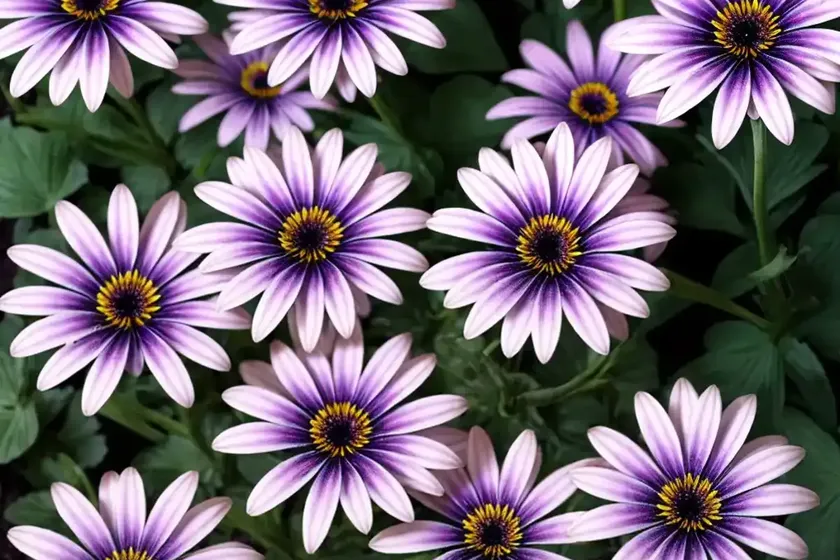
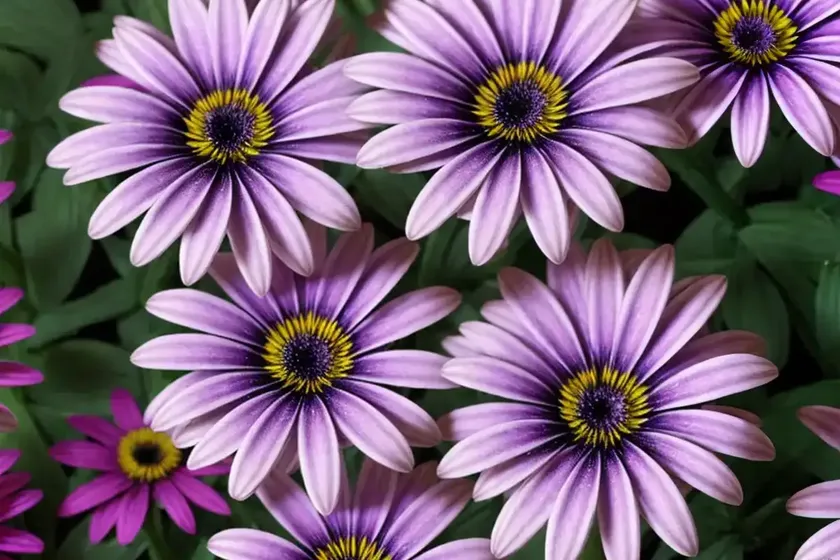
The Osteospermum ‘4D Violet Ice’, commonly known as African Daisy, is a striking and vibrant flowering plant that has garnered attention for its unique color variations and impressive landscape performance. As a plant scientist, exploring the nuances of this fascinating plant species is not only a fulfilling endeavor but also an opportunity to share invaluable insights into its cultivation, care, and ecological significance.
In this guide, we will delve into the characteristics, cultivation practices, maintenance tips, and ecological contributions of Osteospermum ‘4D Violet Ice’, providing plant enthusiasts and horticulturalists with a comprehensive resource for understanding and nurturing this stunning garden addition.
What is Osteospermum ‘4D Violet Ice’ (African Daisy)?
Osteospermum ‘4D Violet Ice’ is a cultivar of the Osteospermum genus, belonging to the family Asteraceae. Originating from South Africa, the African Daisy species is renowned for its stunning daisy-like flowers, vibrant color variations, and its ability to thrive in diverse environmental conditions. The ‘4D Violet Ice’ variety, in particular, is distinguished by its captivating bi-color petals and remarkable cold tolerance, making it an ideal choice for gardeners seeking to add a touch of elegance to their outdoor spaces.
The plant is typically characterized by its vigorous growth habit, serrated foliage, and impressive floral display, making it a favorite among both home gardeners and landscaping professionals. With the right cultivation practices, it can thrive in gardens, containers, and various landscaping settings, adding visual appeal and ecological benefits to the surrounding environment.
Key Takeaways – Osteospermum ‘4D Violet Ice’ (African Daisy)
Before we delve into the specifics of cultivating and caring for Osteospermum ‘4D Violet Ice’, let’s highlight some key takeaways that will serve as a foundation for our exploration of this captivating plant species:
Culture
The cultivation of Osteospermum ‘4D Violet Ice’ encompasses a range of environmental factors, care practices, and maintenance routines that contribute to its overall health and prolific blooming. Understanding the cultural requirements of this African Daisy is essential for maximizing its ornamental value and ensuring its longevity in the garden or landscape.
Uses
The uses of Osteospermum ‘4D Violet Ice’ extend beyond its aesthetic appeal, encompassing ecological contributions, potential medicinal properties, and its role in enhancing biodiversity. Exploring its diverse applications sheds light on the plant’s versatility and the benefits it can offer to both humans and the environment.
Water
Proper watering practices are essential for maintaining the health and vitality of Osteospermum ‘4D Violet Ice’. Balancing its water requirements with environmental conditions and seasonal variations is crucial for preventing water stress and promoting robust growth and flowering.
Sunlight
As a sun-loving plant, Osteospermum ‘4D Violet Ice’ thrives in bright, direct sunlight. Understanding its sunlight requirements and optimizing its exposure to natural light is fundamental for ensuring its overall well-being and floral abundance.
Fertilizer
Strategic fertilization plays a pivotal role in supporting the growth, flowering, and resilience of Osteospermum ‘4D Violet Ice’. Choosing the right fertilizers, understanding application timing, and monitoring nutrient uptake are critical aspects of its nutritional management.
Soil
The soil preferences of Osteospermum ‘4D Violet Ice’ dictate its capacity to establish strong root systems, access essential nutrients, and withstand environmental stressors. Tailoring soil conditions to its specific needs is integral to its successful cultivation.
Pruning
Pruning practices for Osteospermum ‘4D Violet Ice’ contribute to shaping its growth, managing its flowering cycles, and rejuvenating its appearance. Employing appropriate pruning techniques is essential for maintaining the plant’s vigor and visual appeal.
Propagation
Expanding the population of Osteospermum ‘4D Violet Ice’ through strategic propagation methods allows for the cultivation of new plants and the preservation of desirable traits. Exploring effective propagation techniques is key to propagating this captivating plant species.
Container Popularity
The container gardening potential of Osteospermum ‘4D Violet Ice’ opens up opportunities for urban and small-space gardening, balcony cultivation, and interior decor applications. Understanding its suitability for container culture is essential for expanding its horticultural reach.
Common Diseases
Being vigilant about potential diseases that can afflict Osteospermum ‘4D Violet Ice’ facilitates proactive management and preventative measures. Identifying common diseases and understanding their treatment options is crucial for safeguarding the plant’s health.
Disease Diagnosis
Accurate diagnosis of diseases affecting Osteospermum ‘4D Violet Ice’ involves recognizing symptoms, conducting assessments, and seeking the appropriate course of action. Establishing a clear disease diagnosis framework is imperative for effective disease management.
Common Pests
The pest susceptibility of Osteospermum ‘4D Violet Ice’ necessitates diligent monitoring and mitigation strategies to prevent infestations and minimize damage. Identifying common pests and implementing pest control measures is critical for preserving the plant’s vitality.
Botanist’s Tips
Insights from botanical expertise shed light on the unique characteristics, growth patterns, and ecological interactions of Osteospermum ‘4D Violet Ice’, offering valuable guidance for its cultivation and conservation.
Fun Facts
Exploring the intriguing aspects and historical significance of Osteospermum ‘4D Violet Ice’ adds depth to our understanding of this African Daisy variety, allowing for a more enriching horticultural experience.
Links to External Resources
Accessing reliable and authoritative external resources expands the breadth of information available on Osteospermum ‘4D Violet Ice’, providing additional perspectives and supplementary knowledge for plant enthusiasts and professionals.
With these key takeaways in mind, we will now embark on a comprehensive exploration of Osteospermum ‘4D Violet Ice’, delving into its unique characteristics, cultivation practices, and ecological significance.
Osteospermum ‘4D Violet Ice’ Characteristics
Osteospermum ‘4D Violet Ice’ possesses a diverse array of characteristics that contribute to its appeal, resilience, and ornamental value. Examining its distinctive traits provides valuable insights into its suitability for various cultivation settings and its potential ecological benefits. The following characteristics define the allure of Osteospermum ‘4D Violet Ice’:
-
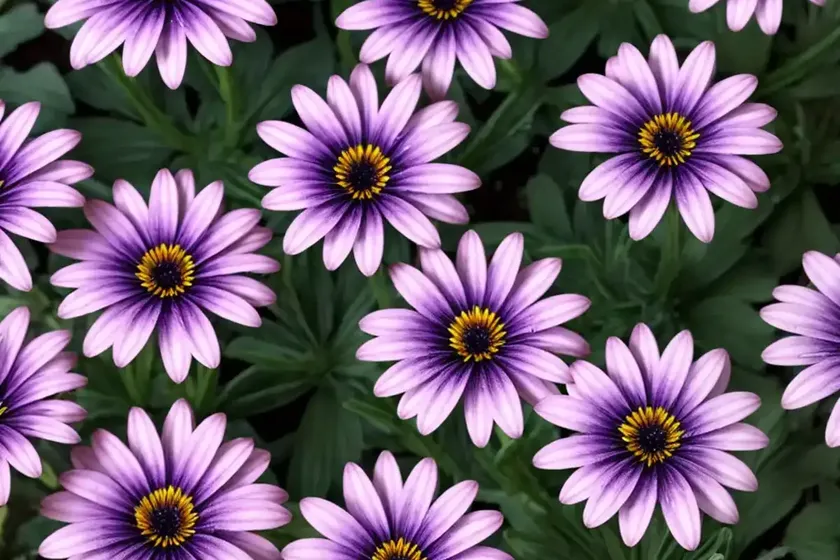
Flower Structure: The flower structure of Osteospermum ‘4D Violet Ice’ consists of striking daisy-like blooms with bi-color petals, often showcasing shades of violet and white. The flower heads are generally solitary and daisy-shaped, lending a charming and vibrant presence to the plant.
-
Color Variations: The ‘4D Violet Ice’ variety is celebrated for its captivating color variations, combining rich violet hues with icy white accents. The interplay of colors across its petals creates a visually stunning display, making it an eye-catching addition to any garden or landscape.
-
Flowering Season: Osteospermum ‘4D Violet Ice’ exhibits a prolonged flowering season, typically blooming from spring through early fall. Its ability to produce an abundance of flowers over an extended period enhances its decorative allure and contributes to its landscape appeal.
-
Heat Tolerance: This African Daisy variety demonstrates commendable heat tolerance, enabling it to thrive in warm climatic conditions without compromising its floral display or overall vigor.
-
Cold Hardiness: The ‘4D Violet Ice’ cultivar showcases notable cold hardiness, making it suitable for cultivation in regions with cooler temperatures and frost-prone environments.
-
Water-Wise Gardening: Osteospermum ‘4D Violet Ice’ exhibits resilience in drought conditions, aligning with water-wise gardening principles and offering conservation benefits in arid and semi-arid landscapes.
-
Fragrance and Aroma: While African Daisies are not typically cultivated for their fragrance, Osteospermum ‘4D Violet Ice’ may emanate a subtle, pleasant scent, contributing to sensory experiences in the garden.
-
Pollinator-Friendly: The abundance of flowers produced by Osteospermum ‘4D Violet Ice’ can attract pollinators such as bees, butterflies, and other beneficial insects, supporting local ecosystems and biodiversity.
-
Companion Flowers: The vibrant and versatile nature of Osteospermum ‘4D Violet Ice’ makes it an excellent companion plant for various annuals, perennials, and ornamental grasses, facilitating creative landscape designs and complementary color schemes.
-
Landscape Maintenance: Low-maintenance requirements and long-lasting blooms make Osteospermum ‘4D Violet Ice’ a desirable choice for landscaping projects, offering enduring visual impact without demanding intensive care.
-
Medicinal Properties: While primarily cultivated for ornamental purposes, certain Osteospermum species are known for their medicinal properties in traditional African herbal medicine, highlighting potential medicinal uses beyond their visual appeal.
-
Wildlife Garden Inclusion: Introducing Osteospermum ‘4D Violet Ice’ into wildlife gardens and naturalistic landscapes provides nectar and habitat opportunities for pollinators and other beneficial wildlife, contributing to ecological balance and biodiversity conservation.
These defining characteristics underscore the exceptional appeal and ecological significance of Osteospermum ‘4D Violet Ice’, positioning it as a valuable addition to horticultural endeavors and environmental stewardship initiatives.
Osteospermum ‘4D Violet Ice’ (African Daisy) Cultivation and Care Guide
Cultivating and caring for Osteospermum ‘4D Violet Ice’ involves a blend of best practices, environmental considerations, and targeted management techniques aimed at promoting its growth, flowering, and long-term sustainability. By providing a comprehensive guide to its cultural requirements and care routines, we can empower enthusiasts and horticultural practitioners to cultivate this captivating African Daisy variety with confidence and success.
African Daisy Planting Instructions
Outdoor Cultivation
-
Site Selection: Choose a well-draining, sunny location for planting Osteospermum ‘4D Violet Ice’. Ensure that the site receives ample sunlight, as the plant thrives in full sun conditions.
-
Soil Preparation: Prepare the planting area by incorporating organic matter and ensuring adequate soil aeration. While African Daisies are adaptable to various soil types, they prefer moderately fertile, well-draining soils.
-
Planting Depth: When planting Osteospermum ‘4D Violet Ice’, position the root ball level with the soil surface to facilitate proper establishment and encourage robust growth.
-
Spacing: Allow for adequate spacing between individual plants to accommodate their mature size and promote air circulation, reducing the risk of disease development.
-
Watering: Provide ample moisture during the initial establishment phase, ensuring that the soil remains consistently moist but not waterlogged. Once established, African Daisies exhibit tolerance to drier conditions.
Container Cultivation
-
Container Selection: Choose a well-draining container of appropriate size, considering the plant’s growth potential and the need for sufficient root space. Select containers with drainage holes to facilitate excess water removal.
-
Potting Mix: Utilize a high-quality, well-draining potting mix when cultivating Osteospermum ‘4D Violet Ice’ in containers. Balanced soil moisture retention with sufficient aeration is crucial for container-grown plants.
-
Sunlight Exposure: Position the containers in a sunlit location, providing Osteospermum ‘4D Violet Ice’ with access to direct sunlight for optimal growth and flowering.
-
Watering Schedule: Monitor the moisture levels in the container soil and water the plant as needed, avoiding waterlogging while preventing drought stress. Adjust the watering frequency based on environmental conditions and seasonal variations.
Osteospermum ‘4D Violet Ice’ Watering Requirements
Balancing the water requirements of Osteospermum ‘4D Violet Ice’ is key to promoting healthy growth and prolific flowering while avoiding potential water-related stressors. Understanding the plant’s watering needs in different cultivation settings allows for tailored management practices that optimize its performance and overall well-being.
-
Outdoor Cultivation: In garden settings, water Osteospermum ‘4D Violet Ice’ deeply but infrequently, allowing the soil to dry out slightly between waterings. During periods of extended heat or drought, supplement natural rainfall with supplemental irrigation to sustain the plant.
-
Container Cultivation: Container-grown African Daisies necessitate regular monitoring of soil moisture levels. Water the plant thoroughly when the top inch of the potting mix becomes dry, ensuring that excess water drains freely from the container.
-
Water Quality: Use high-quality, non-chlorinated water for irrigating Osteospermum ‘4D Violet Ice’ to prevent potential damage from chemicals and minimize the risk of waterborne stressors.
-
Seasonal Adjustments: Modify the watering schedule based on seasonal variations, reducing irrigation during cool, wet periods and increasing water intake during hot, dry spells to accommodate the plant’s changing needs.
African Daisy Sun Exposure
Sunlight plays a pivotal role in the growth, flowering, and overall vitality of Osteospermum ‘4D Violet Ice’, making its sun exposure requirements a critical consideration for successful cultivation. The following guidelines highlight the plant’s preferences and the significance of sunlight exposure in promoting its well-being:
-
Full Sun Requirements: Osteospermum ‘4D Violet Ice’ flourishes in full sunlight, necessitating at least 6-8 hours of direct sun exposure daily for robust growth and profuse flowering.
-
Site Selection: When cultivating the plant outdoors, choose a sunny location with minimal shade or obstructions that might impede sunlight penetration. Optimal sun exposure optimizes floral display and enhances the plant’s resilience.
-
Container Placement: Position containers of Osteospermum ‘4D Violet Ice’ in sunlit areas, such as patios, balconies, or rooftop gardens, to ensure that the plant receives ample sunlight for thriving in a container environment.
-
Sunlight Intensity: While the plant thrives in full sun conditions, it may benefit from some protection against intense midday sun in exceptionally hot climates. Providing partial shade during the hottest part of the day can mitigate potential stress.
Osteospermum ‘4D Violet Ice’ Soil Preferences
Understanding the soil preferences of Osteospermum ‘4D Violet Ice’ lays the groundwork for creating an optimal growing environment that supports its root development, nutrient uptake, and overall growth performance. Tailoring soil conditions to match the plant’s preferences contributes to its resilience and ornamental value. The following soil preferences and considerations are essential for cultivating African Daisies:
-
Well-Draining Soil: Osteospermum ‘4D Violet Ice’ thrives in well-draining soils that prevent waterlogging and promote aeration around the root zone. Avoid heavy clay soils or poorly drained areas to prevent water-related issues.
-
Soil pH: The ideal soil pH for African Daisies ranges from slightly acidic to neutral (pH 6.0-7.0). Conduct a soil pH test and make necessary amendments to achieve the optimal pH range for the plant’s growth and nutrient availability.
-
Organic Matter Enrichment: Incorporating organic matter, such as compost or well-rotted manure, into the soil promotes soil structure, enhances fertility, and provides essential nutrients for Osteospermum ‘4D Violet Ice’.
-
Mulching Advantages: Applying a layer of organic mulch around the base of the plant helps retain soil moisture, suppresses weeds, and moderates soil temperature, creating favorable conditions for root health and overall growth.
-
Container Soil Considerations: When cultivating Osteospermum ‘4D Violet Ice’ in containers, utilize a high-quality, well-draining potting mix that combines components like peat, perlite, and compost to support healthy root development and moisture management.
Fertilizing Osteospermum ‘4D Violet Ice’
Strategic fertilization is instrumental in promoting robust growth and abundant flowering in Osteospermum ‘4D Violet Ice’. By tailoring fertilizer applications to the plant’s nutritional requirements and growth stages, we can optimize its performance and ornamental value. Understanding the principles of fertilizing African Daisies allows for targeted nutrient management and enhanced horticultural success.
-
Balanced Fertilizer Formula: Choose a balanced, water-soluble fertilizer with equal N-P-K (nitrogen, phosphorus, potassium) ratio, or a formulation specifically designed for flowering plants, to provide essential nutrients without inadvertently promoting excessive foliage growth at the expense of flowers.
-
Application Timing: Commence fertilization when the plant begins active growth in spring and continue through the flowering period. Avoid applying fertilizer during the plant’s dormant or non-growing phases to prevent nutrient buildup and potential adverse effects.
-
Frequency of Application: For garden-planted Osteospermum ‘4D Violet Ice’, feed the plant with a diluted, all-purpose fertilizer every 4-6 weeks during the growing season. In container culture, reduce the fertilization frequency to every 2-4 weeks to accommodate the plant’s confined root space.
-
Enhanced Blooming Formulas: Consider using a fertilizer formulation with elevated phosphorus content or a bloom booster fertilizer during the flowering period to encourage prolific blooms and vibrant flower coloration in Osteospermum ‘4D Violet Ice’.
-
Soil Amendments: Incorporate organic soil amendments, such as compost or well-rotted manure, into the planting area or container mix to enrich the soil with natural nutrients and improve long-term soil fertility.
Pruning Techniques for Osteospermum ‘4D Violet Ice’
Pruning Osteospermum ‘4D Violet Ice’ is an integral aspect of its maintenance, contributing to the plant’s appearance, flowering cycle management, and rejuvenation. Employing appropriate pruning techniques ensures that the plant maintains its vigor and aesthetic appeal, enhancing its ornamental value throughout the growing season. Consider the following pruning guidelines for African Daisies:
-
Deadheading Blooms: Regularly deadhead faded or spent blooms from Osteospermum ‘4D Violet Ice’ to promote continuous flowering and prevent seed formation. Removing spent flowers redirects the plant’s energy toward producing new blooms, extending the flowering season.
-
Cutting Back Leggy Growth: If the plant exhibits leggy or straggling growth, particularly in container culture, lightly prune the stems to encourage branching and more compact, bushy growth. This promotes a fuller, denser plant form and enhances flowering potential.
-
Rejuvenation Pruning: In early spring, perform rejuvenation pruning on overgrown or lackluster Osteospermum ‘4D Violet Ice’ specimens to remove older, woody stems and encourage fresh growth. This practice revitalizes the plant and maintains its overall vigor.
-
Overall Form Maintenance: Periodically inspect the plant for any damaged, diseased, or excessively dense growth and selectively prune as needed to maintain a balanced, attractive plant form and improve air circulation around the foliage.
-
Pruning Tools: Use sharp, clean pruning shears or scissors for precision pruning, ensuring that cuts are made at a slight angle just above leaf nodes or lateral shoots to encourage proper healing and regrowth.
Propagation of Osteospermum ‘4D Violet Ice’
Expanding the population of Osteospermum ‘4D Violet Ice’ through effective propagation methods allows for the preservation and proliferation of desirable plant traits and the cultivation of new specimens for horticultural purposes. Understanding and applying suitable propagation techniques is key to successfully propagating this captivating African Daisy variety. Consider the following methods for propagating Osteospermum ‘4D Violet Ice’:
- Seed Propagation: Start Osteospermum ‘4D Violet Ice’ from seeds collected from mature flower heads. S