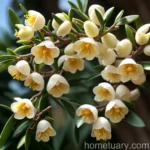
Osmanthus fragrans ‘Fudingzhu’ (Fragrant Olive): A Fragrant Beauty in the Plant World
What is Osmanthus fragrans ‘Fudingzhu’?
Osmanthus fragrans, commonly known as Fragrant Olive, is a species of flowering plant in the olive family Oleaceae. It is native to Eastern Asia, including parts of China, Taiwan, and Japan. Osmanthus fragrans ‘Fudingzhu’ is a specific cultivar of this species, known for its particularly fragrant flowers and delightful ornamental characteristics.
Gardeners and horticulturists are drawn to this plant for its stunning display of highly fragrant white flowers and its attractive evergreen foliage, making it a popular choice for gardens, landscapes, and even container gardening.
Let’s delve into the various aspects of caring for and appreciating the beauty of Osmanthus fragrans ‘Fudingzhu’.
Key Takeaways – Osmanthus fragrans ‘Fudingzhu’
Culture
- Loves moist, well-drained soil
- Thrives in mild to warm climates
- Tolerant of urban pollution
Uses
- Ornamental, ideal for gardens and landscapes
- Suitable for container gardening
- Aromatic properties make it a favorite for perfumery
Water
- Moderate water needs, prefers evenly moist conditions
- Avoid overwatering to prevent root rot
Sunlight
- Full sun to partial shade, adaptable to different light conditions
Fertilizer
- Balanced fertilizer in spring
- Avoid excessive nitrogen to prevent excessive vegetative growth at the expense of flowering
Soil
- Well-drained, slightly acidic to neutral soil
- Soil with organic matter promotes optimal growth
Pruning
- Prune after flowering to maintain shape and size
- Remove dead or diseased branches as necessary
Propagation
- Can be propagated from semi-hardwood cuttings
- Grafting is also a viable propagation method
Container Popularity
- Ideal for container gardening on balconies or patios
- Provides fragrance and aesthetic appeal in confined spaces
Common Diseases
- Anthracnose
- Leaf spot diseases
- Root rot
Disease Diagnosis
- Visual inspection of leaves, stems, and roots
- Laboratory testing for accurate diagnosis of pathogens
Common Pests
- Aphids
- Scale insects
- Spider mites
Botanist’s Tips
- Regularly monitor for signs of diseases and pests
- Provide adequate air circulation to prevent fungal diseases
Fun Facts
- The flowers of Osmanthus fragrans are used in traditional East Asian cuisine and herbal remedies
- The plant has a rich cultural significance in China and is often associated with festivities and celebrations
Now, let’s explore these facets of caring for Osmanthus fragrans ‘Fudingzhu’ in more detail, and uncover the intricate beauty and resilience of this fragrant olive plant.
Osmanthus fragrans ‘Fudingzhu’ – A Closer Look
Plant Name: “Osmanthus fragrans ‘Fudingzhu’ (Fragrant Olive)”
The Osmanthus fragrans ‘Fudingzhu’, or Fragrant Olive, is a captivating evergreen shrub with glossy, dark green leaves and small, highly fragrant flowers. The cultivar ‘Fudingzhu’ is particularly renowned for its profusion of blooms and intense fragrance. The plant is a multi-stemmed shrub with a dense, rounded form, adding a touch of elegance and charm to any garden or landscape.
Fragrant Flowers of Osmanthus fragrans ‘Fudingzhu’
The most captivating feature of the ‘Fudingzhu’ cultivar is undoubtedly its fragrant flowers. The tiny, white blossoms exude a sweet, apricot-like scent that permeates the air, especially in the autumn when they bloom. The fragrance is so potent and delightful that it has earned the plant its common name, the Fragrant Olive. The flowers, evocative of delicate jasmine, attract pollinators such as bees and butterflies, further enhancing the ecological appeal of the plant.
Growing Osmanthus fragrans ‘Fudingzhu’
Characteristics
The ‘Fudingzhu’ cultivar shares many of the core characteristics of the species Osmanthus fragrans. It is a slow-growing, evergreen shrub that typically reaches a height and spread of 6 to 10 feet, making it well-suited for use as a standalone specimen, in group plantings, or as a hedging plant. The lustrous, leathery leaves provide year-round interest, while the autumn blooms add a burst of color and fragrance to the landscape.
Best Conditions for Osmanthus fragrans ‘Fudingzhu’
To successfully grow and appreciate the beauty of Osmanthus fragrans ‘Fudingzhu’, it is essential to create an environment that caters to its specific needs. Understanding its preferences for water, sunlight, and soil is crucial in promoting its health and vitality.
Fragrant Plants for Small Gardens
In small garden spaces where every plant needs to count, the Fragrant Olive is a wonderful addition. Its compact growth habit and multi-season interest make it an ideal choice for those looking to incorporate fragrance and beauty in limited spaces.
Pruning Techniques
Pruning is an essential aspect of maintaining the health and aesthetics of Osmanthus fragrans ‘Fudingzhu’. Here are some key pruning techniques to keep in mind:
- Timing: Prune immediately after flowering, typically in late spring or early summer. This allows the plant to set new buds for the following year without sacrificing the next season’s blooms.
- Shaping: Trim the branches to maintain a tidy, compact form. Remove any crossing or crowded branches to enhance air circulation within the plant.
- Size Control: If the plant has outgrown its designated space, it can be pruned more forcefully to reduce its size. However, this may sacrifice some of the following year’s flowers.
Fragrant Plants for Containers
For those with limited outdoor space or for individuals living in urban environments, the Fragrant Olive can thrive in containers on balconies, patios, or even indoors. The plant’s adaptability to container gardening makes it a versatile choice for those seeking to add fragrance and greenery to confined spaces.
Osmanthus fragrans ‘Fudingzhu’ – Care and Maintenance
Caring for Osmanthus fragrans ‘Fudingzhu’ involves attention to various aspects such as watering, sunlight exposure, fertilization, and soil requirements. Understanding these elements is crucial in ensuring the plant’s optimal growth and longevity.
Water Requirements
Osmanthus fragrans ‘Fudingzhu’ typically prefers moist, well-drained soil. When establishing the plant, it is essential to provide regular watering to encourage healthy root development. Once established, the plant showcases a moderate drought tolerance, though it performs best when consistently provided with adequate moisture.
Sun Exposure
In terms of sunlight exposure, the Fragrant Olive demonstrates considerable adaptability. It thrives in full sun to partial shade, making it suitable for a range of garden environments. In particularly hot climates, providing some afternoon shade can help prevent stress and sunburn on the foliage.
Soil Preferences
The ideal soil for Osmanthus fragrans ‘Fudingzhu’ is well-drained and slightly acidic to neutral. This plant is adaptable to various soil types, provided they offer good drainage. Incorporating organic matter into the soil can enhance its fertility and structure, promoting healthy growth and flowering.
Fertilizer Application
Applying a balanced fertilizer in the spring, before the growing season, can provide the necessary nutrients to support vigorous growth and abundant flowering. It is important to avoid excessive nitrogen, as this can lead to excessive vegetative growth at the expense of blooming. Following manufacturer guidelines for application rates is recommended to prevent fertilizer burn.
Winter Care
In regions with colder winter climates, providing adequate protection for Osmanthus fragrans ‘Fudingzhu’ is essential. Mulching around the base of the plant can help insulate the roots and protect them from freezing temperatures. Additionally, temporary windbreaks or coverings can shield the plant from harsh winter winds and prevent damage to the evergreen foliage.
Osmanthus fragrans ‘Fudingzhu’ – Propagation and Pruning
Propagation Techniques
Grafting
Grafting is a common propagation method for Osmanthus fragrans ‘Fudingzhu’. It involves joining a stem or bud of the desired cultivar onto a compatible rootstock. This method allows for the production of genetically identical plants with the desired traits of the ‘Fudingzhu’ cultivar.
Semi-Hardwood Cuttings
Propagating Osmanthus fragrans ‘Fudingzhu’ from semi-hardwood cuttings is a viable approach for creating new plants. Select healthy, non-flowering shoots and prepare them for propagation during the growing season. With proper care and favorable conditions, these cuttings can develop into robust, independent plants.
Pruning Techniques
Pruning is an integral part of maintaining the health and visual appeal of Osmanthus fragrans ‘Fudingzhu’. Through strategic and timely pruning, the plant’s form and vitality can be enhanced while promoting robust blooming and dense foliage.
Pruning After Flowering
The ideal time for pruning Osmanthus fragrans ‘Fudingzhu’ is directly after the flowering period. By trimming the plant at this time, it allows for the development of new growth and future blossoms without interrupting the natural cycle. Pruning should aim to maintain a balanced and attractive shape, removing any dead or damaged branches as needed.
Osmanthus fragrans ‘Fudingzhu’ – Common Diseases and Pests
Common Diseases
Anthracnose
Anthracnose, caused by various species of fungi, can manifest as dark lesions on the leaves and shoots of Osmanthus fragrans. Proper sanitation and fungicidal treatments can help manage and prevent the spread of this disease.
Leaf Spot Diseases
Leaf spot diseases, characterized by the development of discolored spots on the foliage, can impact the overall health and appearance of the plant. Adequate air circulation and regular monitoring can aid in minimizing the occurrence of leaf spot diseases.
Root Rot
Overly wet or poorly drained soil can predispose Osmanthus fragrans ‘Fudingzhu’ to root rot. Maintaining well-drained soil and avoiding excessive watering can help prevent this damaging condition.
Disease Diagnosis
Diagnosing diseases in Osmanthus fragrans ‘Fudingzhu’ involves a combination of visual inspection and, in some cases, laboratory testing. By closely examining the plant for signs of discoloration, lesions, or wilting, it is possible to identify potential diseases and take timely remedial action. If the cause of an ailment is unclear, consulting with a plant pathology expert can provide a more accurate diagnosis.
Common Pests
Aphids
These small, soft-bodied insects can cluster on the tender new growth of Osmanthus fragrans, causing damage by sucking sap from the plant. Natural predators, such as ladybugs and lacewings, can help control aphid populations.
Scale Insects
Scale insects, known for their protective waxy coverings, can infest the foliage and stems of Fragrant Olive plants. Regular monitoring and intervention using horticultural oils or insecticidal soaps can effectively manage scale infestations.
Spider Mites
Spider mites are common pests that thrive in hot, dry conditions. These tiny arachnids can cause stippling and discoloration on the leaves of Osmanthus fragrans. Regular misting to increase humidity and targeted miticides can assist in controlling spider mite populations.
Osmanthus fragrans ‘Fudingzhu’ – Landscape Uses and Botanist’s Tips
Landscape Uses
Osmanthus fragrans ‘Fudingzhu’ offers a multitude of possibilities for enhancing landscapes and gardens, adding both beauty and functionality. Some key landscape uses of this fragrant olive cultivar include:
- Hedges: The dense growth habit and evergreen foliage make Osmanthus fragrans ‘Fudingzhu’ well-suited for creating privacy hedges or boundary plantings.
- Mixed Borders: This versatile plant complements a wide array of other garden plants, contributing fragrance and visual interest to mixed borders and landscape beds.
- Shade Gardens: In gardens with partial shade, the Fragrant Olive thrives, providing fragrance and lush greenery in areas with filtered sunlight.
Botanist’s Tips
Disease and Pest Monitoring
Due to the susceptibility of Osmanthus fragrans ‘Fudingzhu’ to certain diseases and pests, regular monitoring is vital. Early detection and intervention can prevent the escalation of issues and maintain the plant’s health and beauty.
Air Circulation
Providing adequate air circulation around the plant can significantly reduce the risk of fungal diseases. This can be achieved through strategic planting, selective pruning, and avoiding overcrowding of neighboring vegetation.
Wildlife Benefits
The fragrance and nectar-rich flowers of Osmanthus fragrans ‘Fudingzhu’ attract a variety of wildlife, including bees, butterflies, and other pollinators. Incorporating this plant into garden designs can contribute to supporting local ecosystems.
Seasonal Interest
The multi-season interest offered by Osmanthus fragrans ‘Fudingzhu’, from its fragrant blooms to its lush foliage, makes it an asset in seasonal landscapes. By selecting plants that offer visual appeal and fragrance across different seasons, gardeners can create dynamic and engaging outdoor spaces.
Osmanthus fragrans ‘Fudingzhu’ – External Resources
Plant Name: “Osmanthus fragrans ‘Fudingzhu’ (Fragrant Olive)”
For further exploration and in-depth understanding of caring for and appreciating Osmanthus fragrans ‘Fudingzhu’, the following external resources can provide valuable insights and practical guidance:
- American Society for Horticultural Science (ASHS)
- Royal Horticultural Society (RHS)
- Missouri Botanical Garden
- University Extension Programs
In conclusion, Osmanthus fragrans ‘Fudingzhu’, the fragrant olive plant, offers a harmonious blend of beauty, fragrance, and resilience. Its delicate, apricot-like scent and attractive evergreen foliage make it a prized addition to gardens, landscapes, and container displays. Understanding its specific cultural requirements and maintenance practices can unlock the full potential of this remarkable plant, allowing it to flourish and enchant the senses throughout the seasons.
By incorporating Osmanthus fragrans ‘Fudingzhu’ into diverse garden settings and adhering to best practices in care and cultivation, one can revel in the enduring allure and aromatic charm of this beloved fragrant olive. Whether planted as a standalone specimen, integrated into mixed borders, or utilized for its aromatic properties, the ‘Fudingzhu’ cultivar stands as a testament to the splendor and versatility of the plant kingdom.
Remember, the journey of nurturing a plant like Osmanthus fragrans ‘Fudingzhu’ is not just about horticulture; it is a celebration of nature’s gifts and an invitation to immerse oneself in the timeless enchantment of the botanical realm.