Orris-root (Orris Root)
Orris-root, also known as Orris root, comes from the dried and powdered root of various species of iris, particularly Iris germanica and Iris pallida. This.
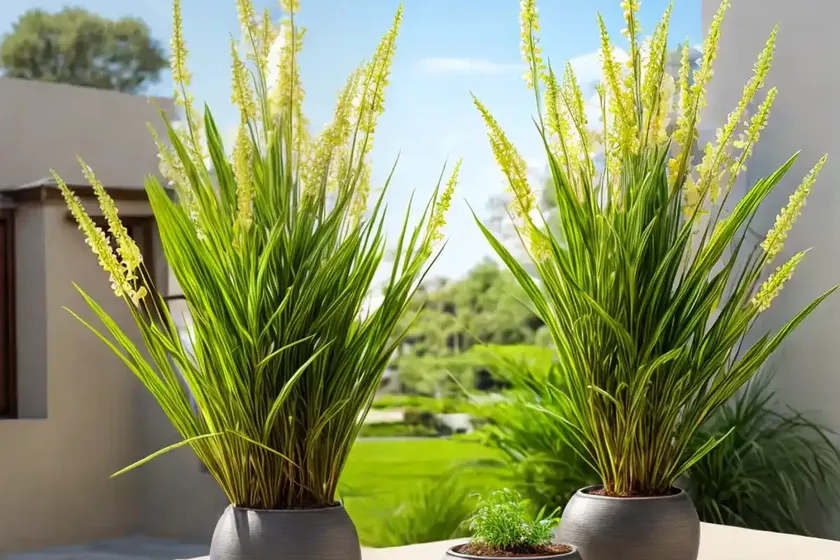
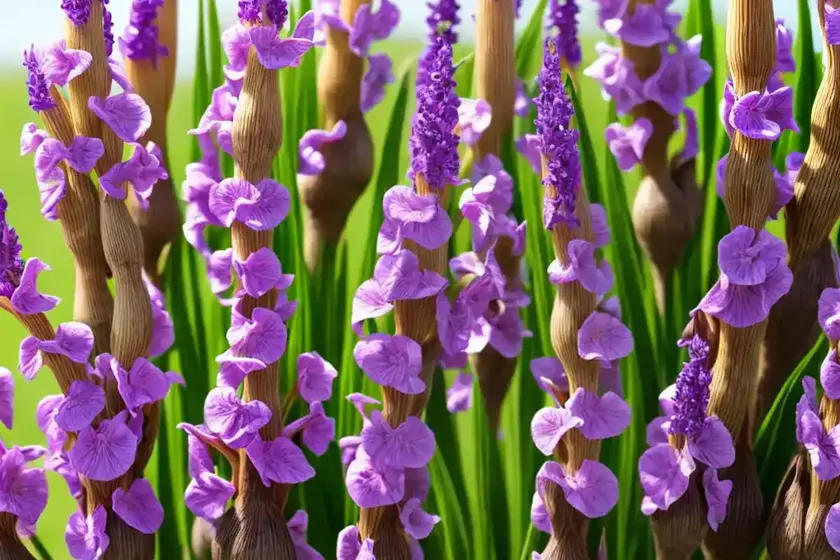
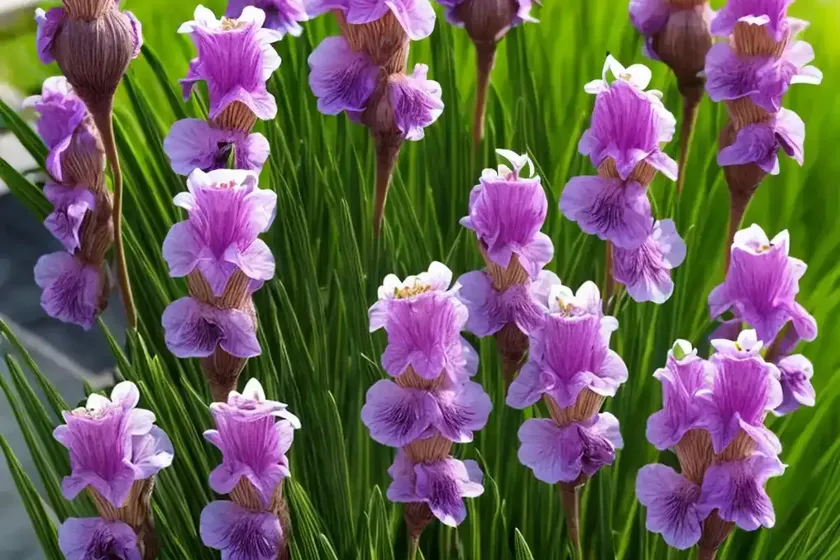
Orris-root, also known as Orris root, comes from the dried and powdered root of various species of iris, particularly Iris germanica and Iris pallida. This plant has been recognized for its unique fragrance and various uses in skincare, aromatherapy, herbal medicine, and perfumery. Its delicate aroma and therapeutic properties have made it a popular ingredient in a wide range of products.
Key Takeaways – Orris-root (Orris Root)
- Orris-root is derived from the dried and powdered root of iris plants, particularly Iris germanica and Iris pallida.
- It is commonly used in skincare, aromatherapy, herbal medicine, and perfumery due to its pleasant fragrance and therapeutic properties.
Culture
Uses
Orris-root is valued for its versatile uses, including but not limited to:
- Skincare products
- Aromatherapy applications
- Herbal remedies
- Perfume ingredients
Water
When cultivating iris plants for Orris-root, it is essential to provide consistent moisture, especially during the growing season. However, it is important to avoid overwatering to prevent waterlogged soil, which can lead to root rot.
- Water the plants regularly, particularly during dry spells.
- Ensure proper drainage to prevent water stagnation.
Sunlight
Iris plants thrive in full sunlight, where they can receive at least 6-8 hours of direct sunlight daily.
- Plant Orris-root in an area that receives ample sunlight.
- Provide shade during intense midday sun in hotter regions.
Fertilizer
To support healthy growth and optimal root development, fertilizer can be applied at specific times during the growing season.
- Use a balanced fertilizer in early spring before new growth begins.
- Avoid excessive fertilization to prevent nutrient imbalances.
Soil
Well-draining soil with a slightly acidic to neutral pH is ideal for cultivating iris plants.
- Plant Orris-root in soil that is rich in organic matter.
- Ensure good drainage to prevent waterlogging.
Pruning
Regular pruning is important to maintain plant health and promote vigorous growth. For Orris-root production, pruning can also play a role in enhancing the development of the root system.
- Remove dead or decaying foliage to prevent diseases and pests.
- Trim back spent flower stems to redirect energy to root development.
Propagation
Propagation of Orris-root can be achieved through division of the rhizomes, typically performed in late summer or early autumn.
- Carefully divide rhizomes, ensuring each divided section has healthy roots and foliage.
- Plant the divided rhizomes in prepared soil and water thoroughly.
Container Popularity
Orris-root can be successfully grown in containers, making it a popular choice for gardeners with limited outdoor space.
- Select a well-draining container with sufficient depth for root development.
- Regularly monitor moisture levels to ensure appropriate watering.
Container Common Diseases
While container cultivation offers benefits, it is important to be aware of potential diseases that can affect Orris-root in this environment.
- Watch for signs of root rot due to overwatering.
- Monitor for fungal diseases, particularly in humid conditions.
Disease Diagnosis
Common diseases that may affect Orris-root include:
- Bacterial soft rot
- Root rot
- Fungal leaf spot
Common Pests
Several pests can pose a threat to Orris-root plants, leading to damage or reduced productivity.
- Iris borers
- Thrips
- Aphids
Botanist’s Tips
Botanical experts recommend the following tips for successful Orris-root cultivation:
- Regularly monitor and maintain soil moisture levels.
- Implement proper sanitation practices to prevent disease spread.
- Inspect plants for signs of pests and take appropriate action if detected.
Fun Facts
- Orris-root has a long history of use in perfumery and herbal medicine.
- The aromatic properties of Orris-root have made it a sought-after ingredient in skincare and aromatherapy products.
Links to External Resources
For additional information on Orris-root, refer to the following resources:
Before delving into the multifaceted uses and cultivation of Orris-root, it is essential to understand the significance of this plant in various applications, ranging from skincare to perfumery. This comprehensive guide aims to provide valuable insights into the cultivation, uses, and potential benefits of Orris-root.
Orris Root for Sale
Orris-root is available for purchase from various suppliers, including nurseries, herbal product providers, and online retailers. When seeking Orris-root for sale, it is important to source it from reputable sources to ensure quality and authenticity.
Orris Root Uses
The uses of Orris-root are diverse and encompass a wide range of industries, including skincare, aromatherapy, herbal medicine, and perfumery. Its pleasant fragrance and therapeutic properties make it a prized ingredient in many products.
How to Use Orris Root
In skincare, Orris-root can be utilized in various formulations, such as creams, lotions, and serums. It is also incorporated into aromatherapy blends and herbal remedies. In perfumery, Orris-root is valued for its fixative properties and delicate floral scent.
Benefits of Orris Root
The potential benefits of Orris-root include its skincare applications, where it is known for its moisturizing and soothing properties. In aromatherapy, it is believed to promote relaxation and stress relief. Additionally, its use in perfumery contributes to long-lasting and complex fragrance compositions.
Orris Root in Skincare
Orris-root is favored in skincare formulations for its hydrating, toning, and rejuvenating effects on the skin. It is often found in products designed to address dryness, aging, and dullness, contributing to overall skin health and vitality.
Orris Root in Aromatherapy
In aromatherapy, Orris-root is employed for its calming and grounding qualities. Its sweet, floral aroma is believed to instill a sense of tranquility and promote emotional well-being, making it a valuable addition to essential oil blends and diffuser recipes.
Orris Root Recipes
Orris-root can be incorporated into various recipes, such as DIY skincare formulations, herbal preparations, and homemade perfumes, showcasing its versatility and adaptability in different applications.
Orris Root Tea
While not as common as other herbal teas, Orris-root can be used to prepare a fragrant and flavorful infusion. Its delicate floral notes lend a unique character to the tea, offering a pleasurable drinking experience.
Orris Root Powder
Orris-root is commonly available in powdered form, facilitating its incorporation into diverse products and recipes. The powder form ensures ease of use and effective dispersion of its aromatic and beneficial properties.
Orris Root Extract
The extraction of Orris-root yields a concentrated form of its aromatic and bioactive compounds, offering a potent ingredient for various applications, particularly in skincare and perfumery.
Orris Root Essential Oil
Orris-root essential oil captures the exquisite fragrance of the plant, presenting a valuable material for perfumery and aromatherapy. Its complex and alluring scent makes it a sought-after essential oil.
Orris Root Health Benefits
The health benefits attributed to Orris-root span across skincare, aromatherapy, and emotional well-being, reflecting its holistic impact on overall health and vitality.
Orris Root for Digestive Health
In herbal medicine, Orris-root is sometimes utilized to support digestive health, although its use for this purpose may not be as widespread as its other applications. Further research is needed to substantiate its efficacy in this area.
Orris Root for Respiratory Health
While Orris-root is not commonly associated with respiratory health, its calming properties in aromatherapy may indirectly contribute to relaxation and respiratory well-being.
Orris Root for Menstrual Health
Traditional uses of Orris-root in herbal medicine include its potential to address certain menstrual concerns, such as cramping and discomfort. However, it is essential to consult a healthcare professional before using it for such purposes.
Orris Root for Aging Skin
The rejuvenating and toning properties of Orris-root make it beneficial for aging skin, where it can help address dryness, loss of elasticity, and fine lines, contributing to a more youthful complexion.
Orris Root Fragrance
The delicate fragrance of Orris-root is characterized by floral, powdery, and slightly sweet notes, making it a valuable addition to fragrance compositions, where it adds depth and longevity.
Orris Root Perfume
Orris-root is highly prized in perfumery for its fixative qualities, which help anchor and enhance the overall fragrance, ensuring a lasting and harmonious scent profile.
Orris Root Scent
The distinctive scent of Orris-root evokes an aura of soft floral elegance, with nuances of violet and iris, creating an ethereal and captivating olfactory experience.
Orris Root in Perfumery
In perfumery, Orris-root is utilized as a key ingredient in numerous fragrance formulations, contributing to its rich, powdery, and floral character, which enhances the overall olfactory impression.
Orris Root in Natural Remedies
The inclusion of Orris-root in natural remedies aligns with its historical use in traditional medicine, where it was valued for its diverse therapeutic properties and contributions to overall wellness.
Orris Root in Herbal Medicine
Within the realm of herbal medicine, Orris-root has been employed to address various health concerns, reflecting its versatile and multifaceted nature as a medicinal plant.
Orris Root Cultivation
Cultivating Orris-root requires attention to specific growing conditions, including soil type, sunlight, and moisture levels to support optimal plant development and root production.
Orris Root Harvesting
Harvesting Orris-root involves carefully unearthing the rhizomes, followed by cleaning, drying, and processing to ensure the preservation of its fragrance and bioactive compounds.
Orris Root Drying
Proper drying techniques are essential to maintain the quality and potency of Orris-root, ensuring that it retains its aromatic and therapeutic properties for long-term use.
Orris Root Storage
Storing Orris-root in a cool, dark, and dry environment helps preserve its fragrance and integrity, prolonging its shelf life and usability for various applications.
Orris Root Varieties
Various species of iris plants contribute to Orris-root production, each with unique characteristics and aromatic profiles that may influence its applications and uses across different industries.
Orris Root Side Effects
While Orris-root is generally regarded as safe when used in appropriate quantities, excessive consumption or use may lead to potential side effects. It is important to adhere to recommended guidelines and consult a professional when in doubt.
Orris Root Interactions
Orris-root may interact with certain medications or health conditions, necessitating caution and consultation with a healthcare provider, particularly if used internally or medicinally.
Orris Root Safety Precautions
For external applications and aromatherapy use, Orris-root is considered safe for most individuals. However, it is important to exercise caution and perform a patch test when using concentrated products to avoid potential skin sensitivities.
Orris Root History
The historical significance of Orris-root spans across cultures and traditions, where it has been revered for its fragrance, medicinal properties, and symbolic associations in various ceremonial practices.
Orris Root Folklore
Rich folklore surrounding Orris-root is rooted in its mystical and fragrant nature, with tales and beliefs that have been woven into the cultural tapestry of different societies.
Orris Root Symbolism
The symbolism of Orris-root may vary across cultures, representing notions of purity, love, and elegance, and often finding its place in rituals and symbolic ceremonies.
Orris Root Spiritual Uses
In spiritual and metaphysical practices, Orris-root is valued for its aromatic and symbolic attributes, playing a role in rituals, meditation, and energetic work.
Orris Root Magical Properties
The magical properties ascribed to Orris-root pertain to its ability to enhance love spells, promote spiritual connection, and create a sense of enchantment and allure.
Orris Root in Spellwork
In the practice of spellwork and ritual magic, Orris-root is utilized for its purported abilities to influence emotions, attract love, and infuse a sense of grace and elegance.
Orris Root in Witchcraft
Within witchcraft traditions, Orris-root holds significance as a botanical ingredient with magical and practical applications, serving as a powerful ally in various rituals and spellcasting endeavors.
Orris Root Rituals
Ritualistic use of Orris-root is observed in diverse cultural and spiritual practices, where it is esteemed for its fragrance, symbolism, and contributions to ceremonial experiences.
Orris Root for Relaxation
Orris-root’s calming and grounding qualities make it a valuable companion for relaxation practices, fostering a tranquil and serene environment conducive to unwinding and stress relief.
Orris Root for Meditation
In meditation settings, Orris-root can be employed to create an ambiance of peacefulness and centeredness, serving as an olfactory anchor for mindfulness and introspection.
Orris Root for Sleep
The soothing and comforting properties of Orris-root position it as a potential aid for promoting restful sleep and supporting a tranquil bedtime routine, contributing to overall sleep quality.
Orris Root Gardening
Acquiring Orris-root for personal use may inspire the cultivation of iris plants, offering an opportunity to engage in gardening activities and foster a deeper connection with nature.
Orris Root Planting Tips
When planting iris for Orris-root production, it is essential to consider location, soil quality, and maintenance practices to ensure successful growth and development.
Orris Root Care
Providing proper care for iris plants entails attention to watering, fertilization, pruning, and pest management, all of which contribute to the overall health and viability of the plants.
Orris Root Diseases
Vigilance in observing signs of diseases, such as rot and fungal infections, is crucial for preserving the health and productivity of Orris-root plants, prompting timely intervention when necessary.
Orris Root Pests
Awareness of common pests, such as borers and aphids, enables proactive measures to mitigate their impact and maintain the vitality of Orris-root plants throughout their growth cycle.
Orris Root Propagation
The propagation of Orris-root through rhizome division offers an opportunity to expand the plant’s presence and yield, amplifying its potential for use in various applications.
Orris Root Landscape Design
Integrating iris plants, including those cultivated for Orris-root, into landscape designs can enhance visual appeal and olfactory experiences, contributing to diverse and dynamic outdoor settings.
Orris Root in Floral Arrangements
The enchanting fragrance and elegant appearance of fresh or dried Orris-root flowers make them an exquisite addition to floral arrangements, infusing spaces with beauty and allure.
Orris Root for Natural Dyeing
Exploring the use of Orris-root for natural dyeing yields the potential to imbue fabrics and materials with delicate hues, reflecting its versatility and potential applications beyond traditional uses.
In conclusion, Orris-root possesses a rich tapestry of applications, from skincare and aromatherapy to herbal remedies and perfumery, embodying a multifaceted botanical ally celebrated for its fragrance, therapeutic properties, and cultural significance.
- K. Husnu Can Baser, Gerhard Buchbauer. Handbook of Essential Oils: Science, Technology, and Applications. CRC Press, 2009.
- Patricia Davis. Aromatherapy: An A-Z: The Most Comprehensive Guide to Aromatherapy Ever Published. Ebury Publishing, 2005.


