Ornithogalum Thyrsoides (Chincherinchee)
Ornithogalum thyrsoides, commonly known as Chincherinchee, is a stunning bulbous plant that belongs to the Asparagaceae family. This South African native.
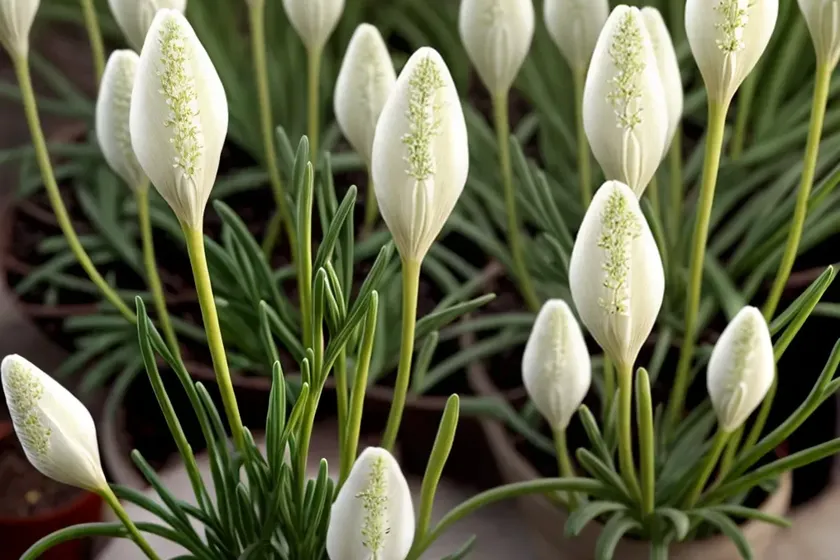
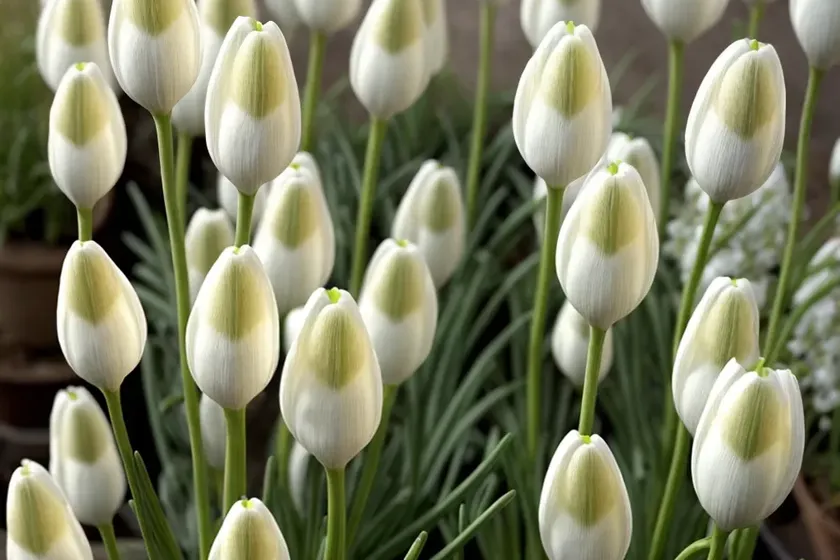
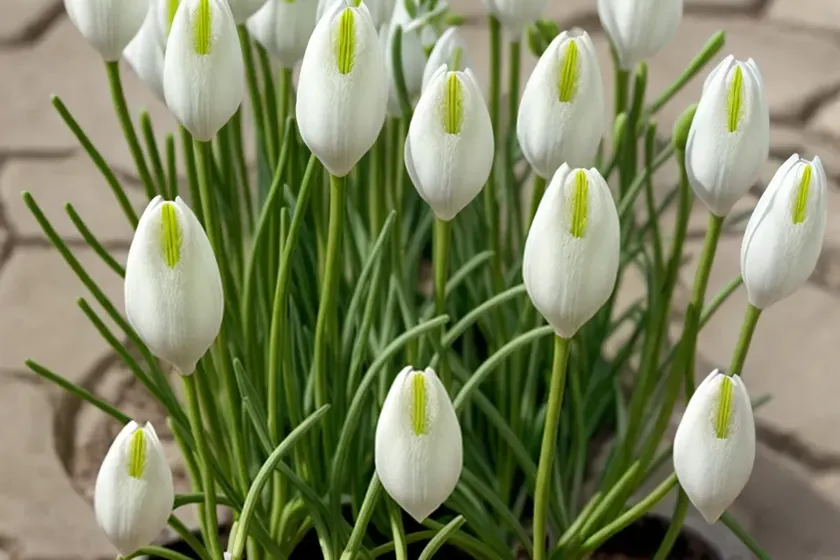
Ornithogalum thyrsoides, commonly known as Chincherinchee, is a stunning bulbous plant that belongs to the Asparagaceae family. This South African native plant is prized for its beautiful white star-shaped flowers and its ease of cultivation, making it a popular choice for both indoor and outdoor gardens.
In this comprehensive guide, we will delve into the key aspects of caring for Ornithogalum thyrsoides, including its cultural requirements, uses, water and sunlight needs, fertilizer and soil preferences, pruning techniques, propagation methods, and common diseases and pests. Whether you are a seasoned gardener or a novice plant enthusiast, this article will provide you with the essential knowledge to ensure the optimal growth and health of your Chincherinchee plants.
What is Ornithogalum thyrsoides (Chincherinchee)?
Ornithogalum thyrsoides, commonly referred to as Chincherinchee or the Star of Bethlehem, is a species of flowering plant that is native to the Cape region of South Africa. This perennial bulbous plant belongs to the Asparagaceae family, which also includes popular ornamental plants such as agapanthus and hostas.
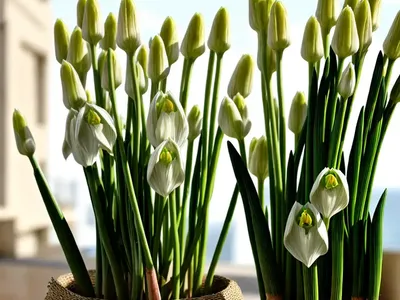
Chincherinchee is renowned for its striking clusters of star-shaped flowers, which are borne on tall, slender stems. The flowers are typically white, and each individual blossom features delicate green stripes that add to its overall allure. The plant’s lovely flowers and its relatively easy cultivation make it a sought-after choice for gardeners looking to add a touch of elegance to their outdoor or indoor spaces.
Key Takeaways – Ornithogalum thyrsoides (Chincherinchee)
Before we delve into the specifics of caring for Ornithogalum thyrsoides, it’s important to highlight some key takeaways about this beautiful plant. Understanding these fundamental aspects will provide you with a solid foundation for cultivating healthy and vibrant Chincherinchee plants.
- Botanical Name: Ornithogalum thyrsoides
- Common Names: Chincherinchee, Star of Bethlehem
- Family: Asparagaceae
- Native Habitat: Cape region of South Africa
- Growth Habit: Perennial bulbous plant
- Flower Characteristics: White star-shaped flowers with green stripes
- Cultural Uses: Ornamental garden plant, cut flower production
- Cultural Requirements: Well-draining soil, ample sunlight, moderate watering
- Propagation: Offsets, bulb division
- Common Pests: Aphids, spider mites
- Common Diseases: Botrytis blight, basal rot
Now that we have an overview of Ornithogalum thyrsoides, let’s explore the essential aspects of caring for this captivating plant.
Culture
Effective plant cultivation begins with a deep understanding of the plant’s cultural requirements. Ornithogalum thyrsoides has specific needs regarding water, sunlight, soil, and fertilizer, which are crucial for its overall health and vigor. By meeting these cultural requirements, you can ensure that your Chincherinchee plants thrive and provide you with an abundance of stunning flowers.
Uses
Ornithogalum thyrsoides (Chincherinchee) has both practical and aesthetic uses, making it a versatile and multi-purpose plant for gardeners and floral enthusiasts.
Practical Uses:
-
Cut Flowers: The elegant blooms of Chincherinchee make it a popular choice for cut flower production. The long-lasting flowers are often used in floral arrangements and bouquets, adding a touch of sophistication to any setting.
-
Ornamental Plant: In garden landscapes, Ornithogalum thyrsoides serves as a captivating ornamental plant, brightening up borders, rock gardens, and containers with its striking white blossoms.
Aesthetic Uses:
-
Decorative Displays: Whether used in indoor vases or outdoor floral displays, the flowers of Chincherinchee add a touch of elegance and charm to any setting.
-
Symbolism: In some cultures, the Chincherinchee flower symbolizes purity, making it a meaningful choice for wedding bouquets and floral decorations with symbolic significance.
Water
Proper watering is essential for the health and vitality of Ornithogalum thyrsoides. While it’s crucial to provide adequate moisture, overwatering can lead to bulb rot and other issues. Understanding the plant’s watering needs is pivotal for successful cultivation.
Watering Requirements:
-
Established Plants: Once established, Chincherinchee plants require moderate watering. Allow the soil to dry slightly between waterings, as constant moisture can lead to root and bulb problems.
-
Bulb Dormancy: During the plant’s dormancy period, typically in late spring or summer, reduce watering to allow the bulbs to rest. Resume regular watering when new growth emerges.
-
Potted Plants: When growing Chincherinchee in containers, ensure that the pots have drainage holes to prevent waterlogging. Water the plants thoroughly, allowing excess water to escape from the drainage holes.
-
Rainfall Consideration: In regions with high rainfall, particularly during the plant’s dormant phase, provide additional drainage to prevent water accumulation around the bulbs.
Watering Practices:
-
Observation: Regularly monitor the moisture levels of the soil by observing its texture and appearance. Aim for slightly moist soil, avoiding both waterlogged and bone-dry conditions.
-
Seasonal Adjustments: Adjust your watering frequency based on seasonal changes, taking into account the plant’s growth cycles and water requirements.
-
Morning Watering: Watering in the morning allows excess moisture to evaporate during the day, reducing the risk of fungal diseases caused by prolonged wetness.
By adhering to appropriate watering practices and understanding the plant’s moisture needs, you can promote healthy growth and minimize the risk of water-related issues.
Sunlight
As with most plants, Ornithogalum thyrsoides has specific sunlight requirements that are crucial for its growth and flowering capabilities. Understanding the plant’s sunlight preferences will enable you to provide it with the ideal growing conditions to thrive.
Sunlight Requirements:
-
Full Sun to Partial Shade: Chincherinchee plants prefer full sun to partial shade, making them suitable for a variety of garden settings. In regions with intense sunlight, partial shade during the hottest part of the day can prevent sunscald and leaf burn.
-
Indoor Considerations: When grown indoors, position the plants in a bright area with indirect sunlight. South-facing windows are often ideal for providing ample light for indoor Chincherinchee plants.
-
Seasonal Adjustments: In regions with very hot summers, providing protection from intense midday sun can prevent stress and sun damage to the plants.
-
Outdoor Planting: When selecting a location for outdoor planting, choose a spot that receives at least 6-8 hours of sunlight daily, ensuring optimal conditions for vigorous growth and abundant flowering.
Sunlight Management:
-
Rotate Plants: If growing Chincherinchee indoors, periodically rotate the pots to promote even exposure to sunlight and prevent lopsided growth.
-
Outdoor Planning: Consider the movement of the sun across your garden when selecting planting locations to ensure consistent sunlight exposure throughout the day.
-
Shade Cloth: In regions with scorching heat, deploying shade cloth or temporary shading structures can protect Chincherinchee plants from excessive sun exposure.
By managing the plant’s sunlight requirements effectively, you can optimize its growth and flowering potential, resulting in healthy and vibrant plants.
Fertilizer
Appropriate fertilization is essential for ensuring the robust growth and prolific flowering of Ornithogalum thyrsoides. Understanding the plant’s fertilizer requirements and adopting proper fertilization practices will support its overall health and performance.
Fertilizer Preferences:
-
Balanced Fertilizer: Use a balanced, water-soluble fertilizer with a formulation such as 10-10-10 or 20-20-20 to provide essential nutrients for vigorous growth and flowering.
-
Application Timing: Begin fertilizing Chincherinchee plants in early spring as new growth emerges. Continue with regular applications every 4-6 weeks during the growing season.
-
Reduced Fertilization: During the plant’s dormancy period, reduce or cease fertilization to allow the bulbs to rest and prepare for the next growing cycle.
-
Organic Options: Organic fertilizers such as compost tea or fish emulsion can be effective alternatives for promoting natural growth and nourishment.
Fertilizer Application:
-
Dilution and Drenching: Dilute the fertilizer according to the manufacturer’s instructions and drench the soil around the plants, ensuring even distribution and absorption of the nutrients.
-
Foliar Feeding: For faster nutrient uptake, consider foliar feeding by spraying a diluted fertilizer solution onto the leaves, allowing the plant to absorb nutrients through its foliage.
-
Overfertilization Caution: Avoid excessive fertilization, as it can lead to salt buildup in the soil and potential damage to the plant’s roots and bulbs.
By following appropriate fertilization practices and providing the plant with the necessary nutrients, you can foster strong, healthy growth and prolific flowering in Chincherinchee plants.
Soil
The quality and composition of the soil play a pivotal role in the overall health and growth of Ornithogalum thyrsoides. Understanding the plant’s soil preferences and implementing proper soil management practices are essential for successful cultivation.
Soil Requirements:
-
Well-Draining Soil: Chincherinchee plants thrive in well-draining soil that prevents waterlogging and promotes healthy root development. Incorporating organic matter such as compost can improve soil structure and drainage.
-
pH Level: The ideal soil pH for Ornithogalum thyrsoides ranges from slightly acidic to neutral (pH 6.0-7.0), providing an optimal environment for nutrient uptake and root health.
-
Container Medium: When growing Chincherinchee in containers, use a well-draining potting mix formulated for bulbs or succulents, ensuring adequate aeration and moisture control.
-
Soil Composition: Sandy or loamy soils with good aeration are well-suited for Chincherinchee cultivation, promoting healthy root growth and minimizing the risk of waterlogged conditions.
Soil Amendment:
-
Annual Inspection: Periodically assess the soil quality by observing its texture, moisture retention, and drainage capabilities, amending it as needed to maintain optimal conditions.
-
Mulching: Apply a layer of organic mulch around the base of the plants to regulate soil temperature, conserve moisture, and suppress weed growth, benefiting the overall health of the plants.
-
Soil Testing: Conduct periodic soil tests to assess its nutrient levels and pH, allowing you to make informed decisions regarding soil amendment and fertilization.
By addressing the plant’s soil requirements and implementing appropriate soil management strategies, you can create a conducive environment for healthy growth and flourishing Chincherinchee plants.
Pruning
Pruning is an essential aspect of ornamental plant care, aiding in the maintenance of plant shape, removal of spent flowers, and the promotion of healthy growth. Understanding the appropriate pruning techniques for Ornithogalum thyrsoides is pivotal for enhancing its aesthetic appeal and overall vigor.
Pruning Guidelines:
-
Deadheading: Regularly remove spent flowers by snipping them off at the base of the stem, promoting continual flowering and preventing the formation of seeds, which can divert energy away from the plant.
-
Trimming Foliage: As the foliage begins to yellow and wither after flowering, carefully trim the leaves back, allowing the plant to conserve energy and redirect it to the bulbs for future growth.
-
Bulb Division: Periodically divide and replant mature Chincherinchee bulbs to prevent overcrowding, rejuvenate the plants, and promote vigorous growth and blooming.
-
Pruning Caution: Avoid excessive pruning and cutting back of healthy foliage, as this can compromise the plant’s ability to photosynthesize and produce energy for future growth.
Pruning Procedures:
-
Sterilized Tools: Use sharp, sterilized pruning shears to prevent the spread of diseases and promote clean, precise cuts.
-
Timing: Conduct pruning and deadheading procedures as needed throughout the growing season, ensuring ongoing maintenance and aesthetic appeal.
-
Sanitation: Remove and dispose of pruned plant material, particularly if it shows signs of disease or pest infestation, to prevent the spread of pathogens.
By adhering to proper pruning practices and maintaining the overall health of Chincherinchee through regular maintenance, you can enhance its visual appeal and encourage robust growth and flowering.
Propagation
The propagation of Ornithogalum thyrsoides can be achieved through various methods, including offsets and bulb division. Understanding the plant’s propagation techniques empowers you to propagate new plants and expand your Chincherinchee collection.
Propagation Methods:
-
Offsets: Chincherinchee plants produce offsets, also known as bulblets or daughter bulbs, adjacent to the parent bulb. These offsets can be carefully removed and replanted to propagate new plants.
-
Bulb Division: In late summer or early autumn, when the plant is dormant, mature bulbs can be divided into smaller sections and replanted to create new growth.
-
Seed Propagation: While less common, Ornithogalum thyrsoides can be propagated from seeds, although this method is more time-consuming and requires specific environmental conditions for successful germination.
-
Propagule Care: When propagating offsets or bulb divisions, provide the new plantings with appropriate moisture, light, and soil conditions to promote successful establishment and growth.
Propagation Procedures:
-
Careful Handling: Handle offsets and divided bulbs gently to prevent damage to the delicate roots and bulb structures, ensuring the viability of the propagules.
-
Root Development: After planting offsets or divided bulbs, monitor their root development and growth progress, providing consistent care to facilitate establishment.
-
Patience and Observation: Be patient during the propagation process, observing the new plantings for signs of growth and adapting care as needed to optimize their development.
By mastering the propagation methods of Ornithogalum thyrsoides, you can expand your plant collection, share Chincherinchee with fellow enthusiasts, and perpetuate the beauty of this captivating species.
Container Popularity
Ornithogalum thyrsoides is well-suited for container cultivation, making it a popular choice for both indoor and outdoor potted plant displays. The plant’s compact size, elegant flowers, and ease of care contribute to its widespread popularity as a container plant.
Indoor Planting:
-
Bright Locations: Indoors, position Chincherinchee plants in well-lit areas with ample sunlight, such as south-facing windows or bright, airy rooms.
-
Decorative Displays: Use ornamental containers to showcase the elegant blooms of Chincherinchee, enhancing interior spaces with natural beauty and charm.
-
Temperature Considerations: Ensure that indoor temperatures remain within the plant’s ideal range, avoiding prolonged exposure to extreme heat or cold.
Outdoor Planting:
-
Versatile Containers: Select sturdy, well-draining containers for outdoor Chincherinchee plantings, allowing for sufficient root growth and moisture control.
-
Garden Integration: Use potted Chincherinchee to accentuate outdoor landscapes, patios, and balconies, adding a touch of elegance to garden designs.
-
Seasonal Management: Consider overwintering strategies for outdoor potted Chincherinchee in regions with harsh winter conditions, providing protection from frost and inclement weather.
By embracing the versatility of Ornithogalum thyrsoides as a container plant, you can create stunning indoor and outdoor displays, maximizing the ornamental appeal of this captivating species.
Common Diseases
Ornithogalum thyrsoides is generally resilient to diseases, particularly when provided with optimal growing conditions. However, certain environmental factors and cultural practices can predispose the plant to specific diseases. Understanding common diseases and their management is essential for safeguarding the health of Chincherinchee plants.
Disease diagnosis:
-
Botrytis Blight: This fungal disease, caused by Botrytis cinerea, manifests as brown or gray mold on flowers, foliage, or bulbs during periods of high humidity or moisture. Provide proper air circulation and avoid overhead watering to reduce the risk of infection.
-
Basal Rot: Basal rot, often caused by the pathogen Fusarium oxysporum, leads to decay and discoloration at the base of the plant, affecting the bulbs and leading to wilting and overall decline. Implement proper soil drainage and avoid overwatering to minimize the risk of basal rot.
-
Viral Infections: Ornithogalum thyrsoides can be susceptible to viral infections, resulting in distorted growth, mottling, or discoloration of the foliage. Prevent viral spread through strict sanitation practices and prompt removal of infected plants.
Disease Management:
-
Preventive Measures: Promote overall plant health through proper cultural practices, including adequate spacing, soil amendments, and appropriate watering, to reduce the risk of disease development.
-
Sanitation Protocols: Regularly clean and sterilize gardening tools, containers, and equipment to prevent the spread of pathogens, particularly in multi-plant environments.
-
Quarantine Protocols: Isolate new plant acquisitions to monitor for signs of disease before integrating them into existing garden or greenhouse spaces, preventing the introduction of pathogens.
By implementing proactive disease management strategies and maintaining a vigilant approach to plant health, you can minimize the impact of common diseases on Chincherinchee plants.
Common Pests
While Ornithogalum thyrsoides is generally resistant to pests, certain insects can pose a threat to the plant’s overall health and appearance. Understanding common pests and adopting appropriate pest management measures is crucial for maintaining the vitality of Chincherinchee plants.
Common Pests:
-
Aphids: These small, soft-bodied insects feed on plant sap, causing distorted growth and the formation of sticky honeydew. Control aphids through physical removal, insecticidal soap, or natural predators such as ladybugs.
-
Spider Mites: Spider mites, indicated by fine webbing and stippled foliage, can infest Chincherinchee plants, particularly in dry and dusty conditions. Boost humidity levels and consider the use of predatory mites or insecticidal sprays to manage spider mite populations.
Pest Management:
-
Monitoring: Regularly inspect Chincherinchee plants for signs of pest infestation, including distorted leaves, stippling, or the presence of insects and their larvae.
-
Cultural Practices: Promote plant health through proper watering, fertilization, and soil management, reducing the susceptibility of the plants to pest damage.
-
Natural Predators: Encourage the presence of beneficial insects and natural predators in the garden, creating a balanced ecosystem that helps control pest populations.
By staying vigilant, implementing integrated pest management strategies, and prioritizing plant health, you can effectively manage and mitigate common pest issues in Chincherinchee plants.
Botanist’s Tips
As a plant scientist and enthusiast, I offer the following tips and recommendations for cultivating Ornithogalum thyrsoides with success and enjoyment:
- Ample Sunlight: Provide Chincherinchee plants with sufficient sunlight to ensure strong, healthy