Ornithogalum Dubium (Star Of Bethlehem)
Ornithogalum dubium, commonly known as the Star of Bethlehem, is a striking flowering plant that belongs to the Asparagaceae family. With its vibrant.
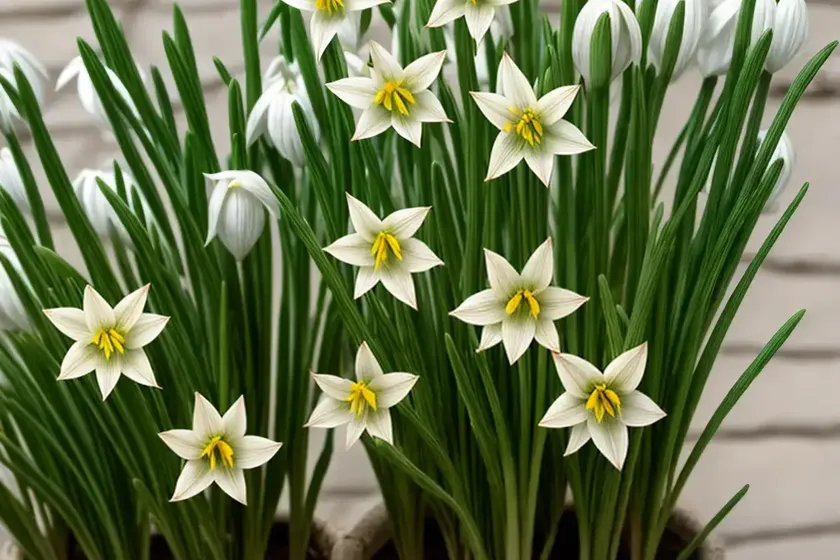
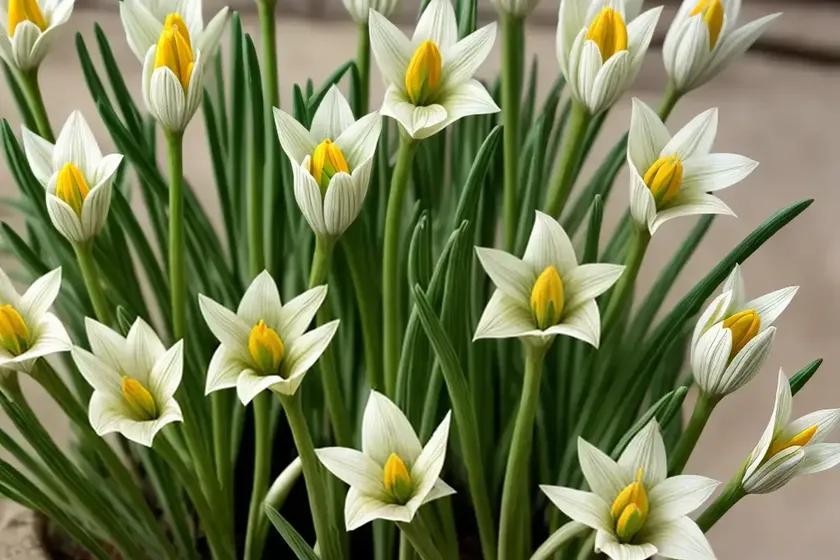
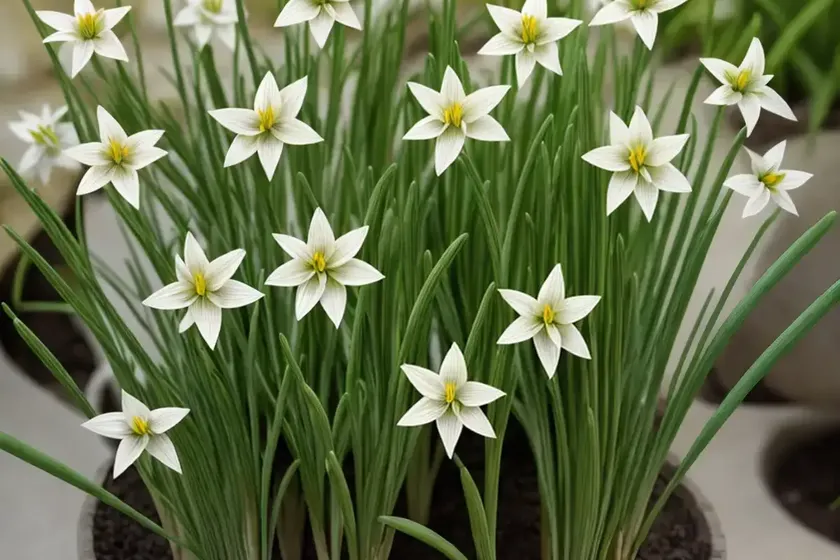
Ornithogalum dubium, commonly known as the Star of Bethlehem, is a striking flowering plant that belongs to the Asparagaceae family. With its vibrant orange flowers and graceful presence, it has earned a special place in gardens, landscapes, and even indoor spaces. In this guide, we will delve into the various aspects of Ornithogalum dubium, from its cultural requirements to its uses, propagation techniques, common diseases, and much more.
Key Takeaways – Ornithogalum dubium (Star of Bethlehem)
Before we begin our detailed exploration of Ornithogalum dubium, let’s highlight some of the key takeaways about this delightful plant:
- Ornithogalum dubium, also known as Star of Bethlehem, is a vibrant, ornamental plant featuring vivid orange flowers.
- This species requires moderate water and bright, indirect sunlight for optimal growth.
- The plant is well-suited for both outdoor gardens and indoor containers, adding a touch of elegance to any setting.
- Propagation can be easily achieved through offsets or seeds, making it relatively simple to expand your collection.
- While generally hardy, Ornithogalum dubium is susceptible to certain diseases and pests, requiring careful attention to its environmental conditions and care regimen.
Now, let’s dive into the fascinating world of Ornithogalum dubium, exploring its cultural requirements, uses, maintenance, and much more.
What is Ornithogalum dubium?
Ornithogalum dubium, often referred to as the Star of Bethlehem or Sun Star, is a species of flowering plant native to South Africa. It is a bulbous perennial that produces clusters of vibrant orange, star-shaped flowers, which lend it its popular common names. The plant typically blooms in late winter or early spring, and its showy flowers make it a delightful addition to garden borders, rockeries, and floral displays.
Plant Characteristics
- Flower Color: The star-shaped flowers of Ornithogalum dubium are a striking shade of orange, creating a vibrant display against the backdrop of deep green leaves.
- Foliage: The plant features narrow, strap-like leaves that emerge from the base of the stems, adding to its overall elegance.
- Growth Habit: Ornithogalum dubium adopts an upright habit, with its tall, slender stems showcasing the gorgeous blooms.
Now that we have familiarized ourselves with the basic characteristics of Ornithogalum dubium, let’s explore the various aspects of caring for this enchanting plant.
Culture
Cultural considerations are crucial for the successful growth and development of Ornithogalum dubium. From watering practices and sunlight requirements to soil preferences and fertilizer applications, each aspect plays a significant role in ensuring the plant’s overall health and vigor.
Water
Proper watering is essential for the well-being of Ornithogalum dubium. While it appreciates regular moisture during its active growing phase, this plant is susceptible to rot if overwatered, emphasizing the need for a balanced approach to watering.
- Growing Season: During the plant’s active growth period, typically in spring and early summer, maintain consistently moist soil, allowing the top layer to dry out slightly between watering sessions.
- Dormant Season: As the blooming period concludes and the plant enters a dormant phase, reduce watering gradually, providing only minimal moisture to prevent the bulbs from desiccating completely.
Sunlight
Ornithogalum dubium thrives in bright, indirect sunlight, making it suitable for both indoor and outdoor settings. Adequate light exposure is vital for robust growth and the development of its stunning flowers.
- Indoor Placement: When grown indoors, ensure that the plant receives bright, filtered light throughout the day, such as near a south- or west-facing window.
- Outdoor Planting: In outdoor gardens, select a location with partial shade, where the plant can benefit from the gentle morning sun and dappled light during the afternoon.
Fertilizer
Regular fertilization contributes to the overall health and vigor of Ornithogalum dubium, supporting its growth and the production of vibrant blooms. A balanced feeding regimen helps to replenish essential nutrients and sustain the plant’s vitality.
- Fertilizer Type: Apply a diluted, balanced liquid fertilizer every two to three weeks during the active growing season, following the manufacturer’s recommendations for application rates.
- Dormant Phase: Reduce or cease fertilization as the plant enters its dormant phase, resuming feeding when new growth emerges in the subsequent growing season.
Soil
The choice of suitable soil is critical for Ornithogalum dubium, ensuring adequate drainage and nutrient availability. Well-draining, fertile soil sets the stage for healthy root development and robust growth.
- Soil Composition: Opt for a well-draining, loamy soil mix that provides ample aeration and moisture retention without becoming waterlogged.
- Container Planting: When growing Ornithogalum dubium in containers, utilize a well-draining potting mix, such as a combination of peat moss, perlite, and coarse sand, to promote optimal growth.
Pruning
Pruning plays a pivotal role in shaping the growth and appearance of Ornithogalum dubium, promoting a tidy, appealing form and potentially encouraging additional flowering.
- Faded Blooms: Remove spent flowers promptly to prevent the plant from expending energy on seed production, encouraging it to redirect its resources toward new growth and future blossoms.
- Fall Cleanup: As the plant transitions into dormancy, trim back any withered foliage and stems, tidying the appearance and preparing it for its resting phase.
Propagation
Ornithogalum dubium offers several propagation techniques, allowing enthusiasts to expand their collection and share the beauty of this captivating plant with others.
- Offsets: Divide mature clumps of Ornithogalum dubium in early spring, carefully separating the offsets with their own roots and replanting them in suitable soil.
- Seeds: Collect seeds from mature seed pods, sowing them in a well-draining seed-starting mix and providing the appropriate conditions for germination to occur.
Container Popularity
Ornithogalum dubium’s graceful form and vibrant blooms make it a popular choice for cultivation in containers, serving as a captivating centerpiece for indoor displays and patio arrangements.
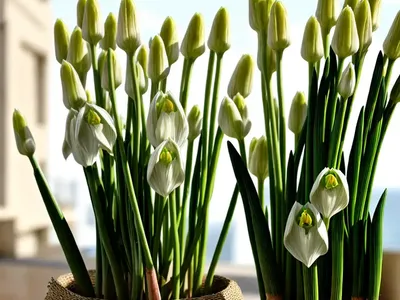
- Indoor Elegance: Its enchanting flowers and elegant foliage make Ornithogalum dubium a delightful addition to indoor spaces, brightening up windowsills, tables, and other well-lit areas.
- Outdoor Charm: When placed in outdoor containers, such as decorative pots and planters, Ornithogalum dubium adds a touch of charm to patios, balconies, and garden landscapes.
Common Diseases
Understanding the potential diseases that may affect Ornithogalum dubium is essential for implementing proactive measures that safeguard the plant’s health and vitality.
Disease Diagnosis
Several common diseases can impact the well-being of Ornithogalum dubium, often manifesting through noticeable symptoms that signal the presence of a specific ailment.
- Botrytis Blight: This fungal disease presents as brown spots on the leaves and flowers, often spreading rapidly in moist, humid conditions.
- Root Rot: Overly waterlogged soil or poor drainage can lead to root rot, causing the plant’s roots to decay and resulting in wilting and yellowing foliage.
- Powdery Mildew: A white, powdery coating on the leaves and stems indicates the presence of powdery mildew, often favored by high humidity and inadequate air circulation.
Common Pests
In addition to diseases, Ornithogalum dubium may also face challenges from various pests that can compromise its health and appearance.
- Aphids: These tiny, sap-sucking insects can cluster on the plant’s tender growth, causing distortion and discoloration of the leaves and buds.
- Mealybugs: Mealybugs often appear as cottony, white masses on the plant, feeding on its sap and potentially weakening its overall vigor.
- Spider Mites: Spider mites are common pests that feed on the plant’s foliage, leading to stippling, yellowing leaves, and webbing in severe infestations.
Botanist’s Tips
To further enhance your understanding of Ornithogalum dubium and its care requirements, consider the following expert tips from botanists and gardening enthusiasts:
- Dormancy Management: Respect the plant’s natural dormancy period by reducing watering and ceasing fertilization, allowing it to rest and rejuvenate for the upcoming growing season.
- Adequate Drainage: Whether growing in containers or garden beds, prioritize well-draining soil and ensure that excess moisture can freely escape, preventing waterlogged conditions.
Fun Facts
Exploring the unique and fascinating aspects of Ornithogalum dubium adds depth to your appreciation of this captivating plant. Here are a few fun facts to pique your interest:
- Symbolic Meanings: The Star of Bethlehem holds symbolic connotations of purity, hope, and new beginnings, adding sentimental value to its presence in floral arrangements and gardens.
- Medicinal History: While primarily cultivated for ornamental purposes, members of the Ornithogalum genus have historical associations with medicinal uses and folklore in various cultures.
Links to External Resources
To further enrich your knowledge and research on Ornithogalum dubium, consider exploring the following external resources for valuable insights, expert guidance, and captivating visuals:
- Royal Horticultural Society (RHS) – Ornithogalum
- University of California Botanical Garden at Berkeley – Ornithogalum dubium
- American Society of Plant Biologists – Plant Science Research and Resources
Ornithogalum dubium, the enchanting Star of Bethlehem, captivates with its radiant flowers and graceful presence, making it a delightful addition to gardens, landscapes, and indoor displays. By understanding its cultural preferences, propagation techniques, common diseases, and expert tips, you can cultivate and appreciate this striking plant with confidence. Whether as a vibrant accent in container gardens or a charming addition to floral arrangements, Ornithogalum dubium continues to enchant plant enthusiasts with its enduring allure and timeless elegance.