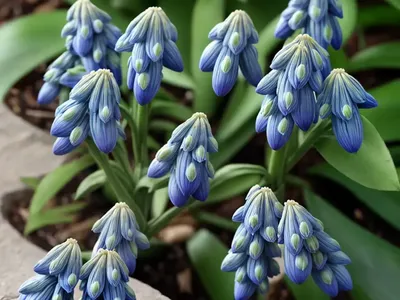
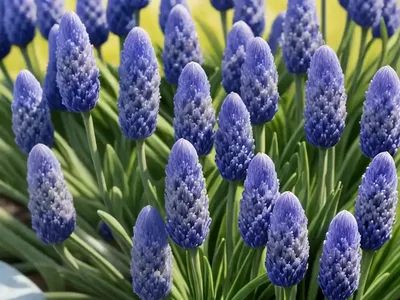
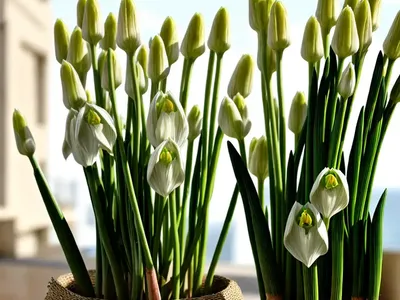
Ornithogalum Dubium (Ornithogalum Dubium)
Ornithogalum dubium, commonly known as Sun Star, is a stunning bulbous plant that belongs to the Ornithogalum genus. This plant is native to South Africa.
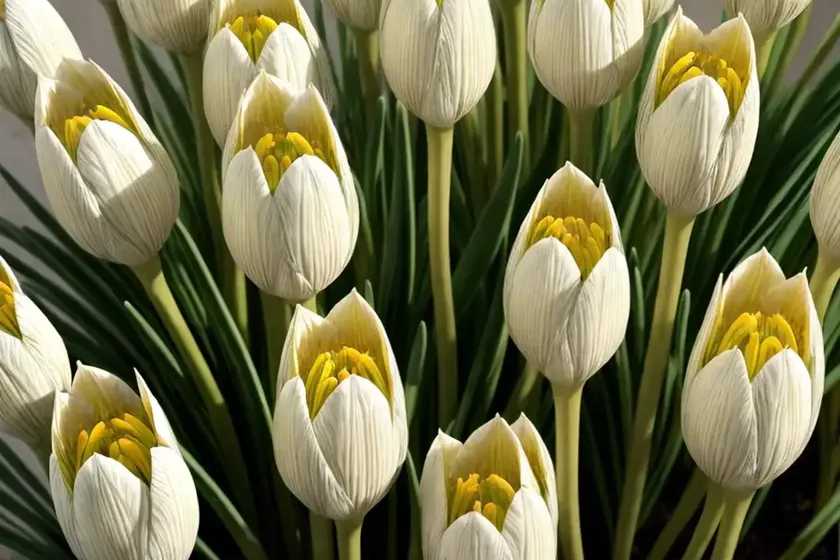
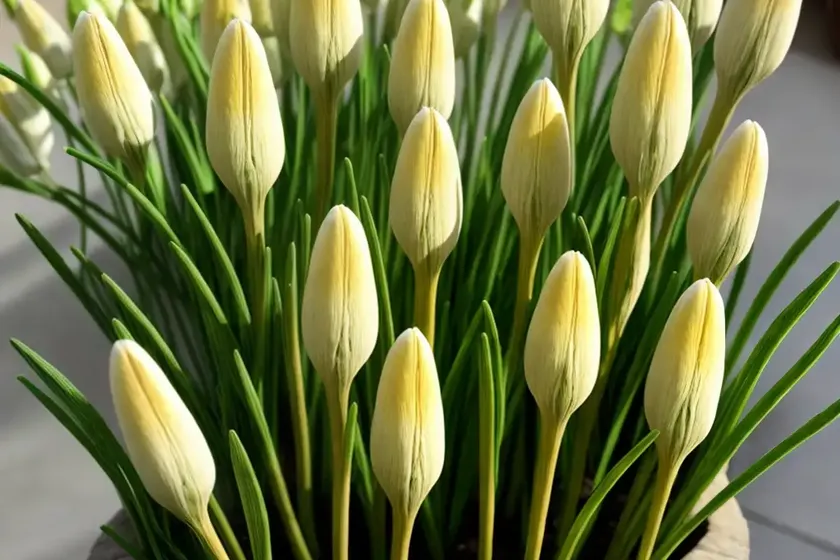
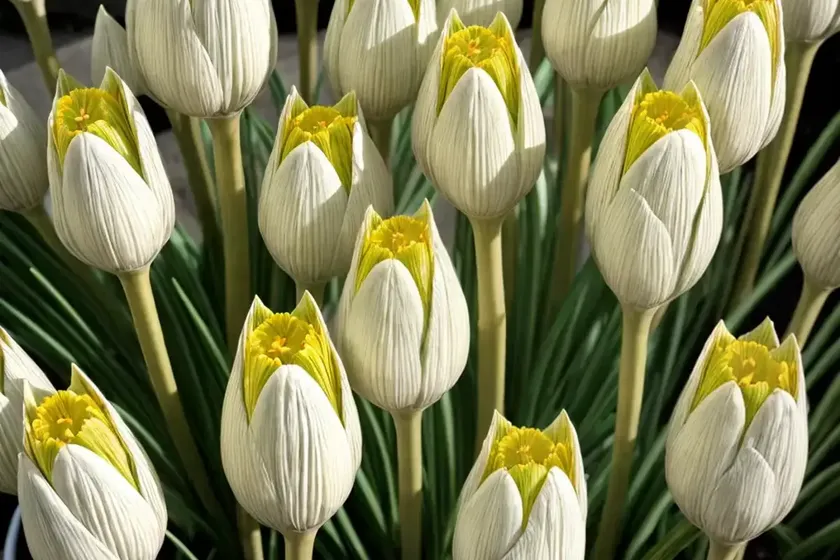
Ornithogalum dubium, commonly known as Sun Star, is a stunning bulbous plant that belongs to the Ornithogalum genus. This plant is native to South Africa and belongs to the Asparagaceae family. It is prized for its beautiful star-shaped flowers and is popularly cultivated in gardens, containers, and floral arrangements. In this comprehensive guide, we will delve into the cultivation, uses, and maintenance of Ornithogalum dubium, including its cultural requirements, propagation methods, common pests and diseases, as well as interesting facts and tips for successful gardening.
What is Ornithogalum dubium?
Ornithogalum dubium is a herbaceous, perennial plant characterized by its attractive, star-shaped flowers and lance-shaped leaves. It is a member of the Ornithogalum genus, which encompasses around 100 species and is part of the larger Asparagaceae family. In its native habitat, Ornithogalum dubium typically thrives in sandy or rocky soils, favoring well-drained environments and full sunlight.
Key Takeaways
Ornithogalum dubium is a resilient plant that can be effectively cultivated both in gardens and containers. Its striking blooms and relatively low maintenance requirements make it a desirable addition to any garden. Below are the key takeaways for Ornithogalum dubium:
-
Cultural Requirements: Ornithogalum dubium thrives in well-drained soil, ample sunlight, and minimal water.
-
Propagation Methods: This plant can be propagated through offsets or seeds, providing an easy way to expand your collection.
-
Common Pests and Diseases: Spider mites and fungal infections are potential issues to be mindful of when caring for Ornithogalum dubium.
-
Maintenance: Regular pruning, fertilization, and proper watering are essential for maintaining the health and vigor of Ornithogalum dubium.
Ornithogalum dubium Cultivation
Cultivating Ornithogalum dubium successfully requires an understanding of its specific cultural requirements. Let’s explore each of these aspects in detail.
Water
Ornithogalum dubium has moderate water needs and should be watered sparingly. Overwatering can lead to rot and fungal issues, so it is crucial to allow the soil to almost dry out between waterings. During the active growth period in spring and summer, watering can be more frequent, but it is essential to avoid waterlogging the soil.
Sunlight
Sun Star thrives in full sunlight and should be provided with at least six hours of direct sunlight daily. Insufficient sunlight can lead to leggy growth and diminished flowering. When grown indoors, placing the plant near a south-facing window can provide the necessary light intensity.
Fertilizer
During the active growth phase in spring and summer, Ornithogalum dubium can benefit from a balanced, diluted fertilizer applied every two to four weeks. However, during the dormant period in fall and winter, fertilization should be ceased to allow the plant to rest.
Soil
Well-draining soil is essential for Ornithogalum dubium. A mixture of potting soil and perlite or sand can provide the ideal growing medium for potted specimens. In garden settings, sandy or rocky soil with excellent drainage is preferable.
Pruning
Pruning Ornithogalum dubium is relatively minimal and primarily involves removing spent flowers and yellowing foliage. This can help redirect the plant’s energy towards new growth and flowering, improving its overall appearance.
Propagation
Ornithogalum dubium can be propagated through offsets, which are small bulblets that develop alongside the mother bulb. These offsets can be carefully separated and replanted to establish new plants. Additionally, the plant produces seeds that can be sown in suitable potting mix for propagation.
Container Popularity
The ornamental appeal of Ornithogalum dubium has led to its popularity as a container plant. Its vibrant blooms and relatively compact size make it an excellent choice for adding a splash of color to patios, balconies, and indoor spaces.
Container Common Diseases
When growing Ornithogalum dubium in containers, it is important to watch out for potential diseases such as root rot, which can arise from overwatering or inadequate drainage. Additionally, fungal infections may occur if the plant is subjected to consistently damp conditions.
Disease Diagnosis
The onset of disease in Ornithogalum dubium can manifest as wilting foliage, yellowing leaves, or the presence of mold or rot in the soil. Timely diagnosis and appropriate corrective measures, such as adjusting watering practices and improving air circulation, can help mitigate disease issues.
Common Pests
Spider mites are a potential pest concern for Ornithogalum dubium, especially when grown indoors or in dry environments. These pests can cause stippling and discoloration of the leaves, compromising the plant’s overall health.
Botanist’s Tips
-
When planting Ornithogalum dubium, be sure to provide it with well-draining soil to prevent waterlogged conditions that can result in bulb rot.
-
Monitor the plant for signs of stress or disease and adjust cultural practices as needed to ensure its ongoing health and vigor.
Fun Facts
-
Ornithogalum dubium is commonly known as Sun Star, a name derived from its radiant, star-shaped flowers.
-
This plant’s bulbs were historically used in traditional African medicine for various purposes, including treating coughs and colds.
Now that we’ve explored the cultivation and care of Ornithogalum dubium, let’s delve into its cultural uses, benefits, and additional insights from a horticultural perspective.
Links to External Resources
For additional information on Ornithogalum dubium, consider exploring the following resources:
-
Missouri Botanical Garden – Ornithogalum Cultural Instructions
-
American Society for the Prevention of Cruelty to Plants – Ornithogalum Care Guide
-
University of California Botanical Garden – Ornithogalum Propagation Techniques
By exploring these external resources, you can gain further insights into the cultivation and uses of Ornithogalum dubium, enhancing your knowledge and skills as a gardener.
In conclusion, Ornithogalum dubium, with its striking beauty and relatively straightforward cultivation, is an appealing plant for both novice and experienced gardeners. Through a combination of careful attention to its water, sunlight, and soil needs, along with proper maintenance practices, you can enjoy the vibrant presence of Ornithogalum dubium in your indoor and outdoor spaces. Whether you’re drawn to its ornamental value, historical significance, or horticultural uses, this plant offers a wealth of opportunities for exploration and appreciation.