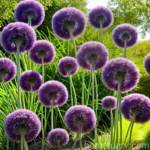
Plant Name: Ornamental Onion (Allium ‘Purple Sensation’)
Ornamental onions, commonly known as Alliums, are a diverse group of plants that includes many ornamental species and hybrids. One such popular variety is the Allium ‘Purple Sensation’, which is celebrated for its stunning display of vibrant purple flower heads. In this comprehensive guide, we will delve into the culture, uses, care requirements, and other fascinating aspects of the ornamental onion, Allium ‘Purple Sensation’.
What is Ornamental Onion (Allium ‘Purple Sensation’)?
Allium ‘Purple Sensation’ is a herbaceous perennial with a majestic presence in the garden. It belongs to the Amaryllidaceae family and is native to Asia and Europe. This hybrid ornamental onion is a cross of Allium aflatunense and Allium macleanii, resulting in a striking plant that is a favorite among gardeners and landscapers.
The defining feature of Allium ‘Purple Sensation’ is its impressive spherical flower heads, which bloom in late spring to early summer. The individual flowers are star-shaped and form dense umbels, creating a breathtaking visual impact in the garden. The deep purple color of the flower heads makes them stand out and adds a vibrant touch to any landscape.
Key Takeaways – Ornamental Onion (Allium ‘Purple Sensation’)
Before we dive into the specifics of care and cultivation, here are the key takeaways for Allium ‘Purple Sensation’:
- Common Name: Ornamental Onion (Allium ‘Purple Sensation’)
- Family: Amaryllidaceae
- Type: Herbaceous Perennial
- Flower Color: Purple
- Bloom Time: Late Spring to Early Summer
- Water Needs: Moderate
- Sunlight Requirements: Full Sun
- Mature Height: 24-36 inches
- USDA Hardiness Zones: 4-8
Now, let’s explore the various aspects of growing and caring for Allium ‘Purple Sensation’, including its cultural requirements, uses, pruning, propagation, common diseases, and much more.
Culture
Cultivating Allium ‘Purple Sensation’ involves understanding its preferred growing conditions, including soil, water, and sunlight requirements. Let’s explore each of these aspects in detail.
Uses
Before delving into the specific cultural requirements, it’s essential to understand the various uses of Allium ‘Purple Sensation’ in the garden and landscape. This information can help gardeners make informed decisions about incorporating this ornamental onion into their outdoor spaces.
-
Garden Borders: Allium ‘Purple Sensation’ creates stunning visual borders when planted in clusters or drifts along garden edges. Its upright growth habit and vibrant flowers make it an excellent choice for defining garden borders.
-
Cut Flower Arrangements: The unique flower heads of Allium ‘Purple Sensation’ are prized for their ornamental value in cut flower arrangements. They add a distinctive touch to floral displays and can be enjoyed indoors as well.
-
Pollinator Attraction: The nectar-rich flowers of Allium ‘Purple Sensation’ are attractive to pollinators, including bees and butterflies. By incorporating this plant into the garden, homeowners can support local pollinator populations.
-
Deer Resistance: Alliums, including ‘Purple Sensation’, are known for their deer-resistant properties. This makes them a valuable addition to gardens facing deer browsing challenges.
-
Landscape Focal Point: Due to its impressive height and striking flower heads, Allium ‘Purple Sensation’ serves as a compelling focal point in the landscape. Whether planted individually or in groups, it commands attention and adds visual interest to outdoor spaces.
Water
Proper watering is crucial for the health and vitality of Allium ‘Purple Sensation’. Understanding its water needs is essential for maintaining optimal growing conditions.
-
Water Requirements: Allium ‘Purple Sensation’ prefers moderate watering, allowing the soil to dry out between waterings. It is essential to provide adequate moisture during active growth and blooming while avoiding overwatering, which can lead to bulb rot.
-
Drought Tolerance: Once established, Allium ‘Purple Sensation’ exhibits good drought tolerance. This makes it a suitable choice for landscapes with periodic water restrictions or for gardeners looking to conserve water.
Sunlight
As with many ornamental onions, Allium ‘Purple Sensation’ thrives in full sunlight. Understanding its sunlight requirements is crucial for successful cultivation and optimal flowering.
- Sunlight Requirements: Full Sun (At least 6-8 hours of direct sunlight per day)
-
Sun Exposure: Allium ‘Purple Sensation’ performs best in locations with ample sunlight, such as open garden beds and sunny borders. Adequate sunlight is essential for strong stem growth and vibrant flower development.
-
Shade Tolerance: While Allium ‘Purple Sensation’ prefers full sun, it can tolerate partial shade. However, extended periods of shade may lead to reduced flowering and overall vigor.
Soil
The soil composition and fertility play a significant role in the successful cultivation of Allium ‘Purple Sensation’. Understanding its soil requirements is essential for creating an optimal growing environment.
-
Well-Draining Soil: Allium ‘Purple Sensation’ thrives in well-draining soil to prevent waterlogged conditions, which can lead to bulb rot. Amending heavy clay soils with organic matter can improve drainage and create a more hospitable growing environment.
-
pH Level: A slightly acidic to neutral soil pH range of 6.0-7.0 is ideal for Allium ‘Purple Sensation’. Conducting a soil test can provide valuable insights into the pH and nutrient levels, allowing gardeners to make informed amendments.
-
Soil Fertility: While Alliums are adaptable to various soil types, they prefer fertile, loamy soils. Incorporating organic compost or well-balanced fertilizers can enhance soil fertility and provide the necessary nutrients for healthy growth and flowering.
Fertilizer
Proper fertilization supports the growth and flowering of Allium ‘Purple Sensation’. Understanding the fertilization requirements and best practices is essential for promoting optimal plant health.
-
Fertilizer Type: A balanced, all-purpose fertilizer with a formulation such as 10-10-10 or 12-12-12 is suitable for feeding Allium ‘Purple Sensation’. This provides a mix of essential nutrients for overall growth and flowering.
-
Application Timing: Apply fertilizer in early spring as new growth emerges, following the recommended application rate based on the product guidelines. Avoid excessive fertilization, as it can lead to lush foliage at the expense of flower production.
-
Avoid High Nitrogen: While nitrogen is essential for foliage development, excessive nitrogen can result in lush foliage and reduced flower production. Choosing a balanced fertilizer helps maintain the appropriate nutrient balance.
Pruning
Pruning and maintenance practices are vital for the long-term health and visual appeal of Allium ‘Purple Sensation’. Proper pruning can also help with seed propagation if desired.
-
Deadheading: Removing spent flower heads after blooming prevents the plant from expending energy on seed production. This directs the plant’s resources back into the bulb, strengthening it for the following year’s growth.
-
Seed Harvesting: Allowing a few flower heads to mature and develop seeds provides an opportunity for seed harvesting. Collecting and sowing the seeds can be a rewarding way to propagate Allium ‘Purple Sensation’ and expand its presence in the garden.
-
Foliage Maintenance: As the foliage starts to yellow and decline after flowering, it can be trimmed back to ground level. This tidies the appearance of the plant and allows the bulb to redirect energy for the next growing season.
Propagation
Expanding the presence of Allium ‘Purple Sensation’ in the garden or sharing the plant with others often involves propagation. Understanding the methods of propagation and best practices is essential for successful plant multiplication.
-
Bulb Division: Division is the most common method of propagating Allium ‘Purple Sensation’. When the plant becomes crowded or the flowering declines, lifting and dividing the bulbs allows for the creation of new plantings.
-
Timing: The best time for bulb division is in late summer or early fall, after the foliage has withered. This allows the bulbs to be lifted and divided before the new growing season begins.
-
Planting Depth: When replanting the divided bulbs, ensure proper planting depth, typically 3-4 times the bulb’s diameter. This provides the bulbs with the necessary insulation and stability for successful regrowth.
Container Popularity
While Allium ‘Purple Sensation’ is commonly grown in garden beds, its popularity in container gardening has also been on the rise. The unique attributes of this ornamental onion make it a compelling choice for container plantings.
-
Container Selection: Choose a large, well-draining container to accommodate the bulb size and allow for adequate root development. Ensure the container has drainage holes to prevent waterlogging.
-
Growing Medium: Fill the container with a well-draining growing medium, such as a blend of potting soil and perlite or coarse sand. This provides the necessary aeration and moisture control for the bulbs.
-
Placement: Select a sunny location for the container, as Allium ‘Purple Sensation’ thrives in full sun. Regular watering is essential for container-grown specimens to prevent the soil from drying out excessively.
Common Diseases
Alliums, including ‘Purple Sensation’, are generally resistant to many common plant diseases. However, understanding the potential disease risks and preventive measures is crucial for maintaining plant health.
-
Fungal Diseases: Alliums can be susceptible to fungal diseases such as botrytis, particularly in conditions of prolonged moisture and poor air circulation. Preventive measures include adequate spacing, proper watering, and ensuring good air flow around the plants.
-
Bulb Rot: Overly wet or poorly draining soil can lead to bulb rot in Alliums. Planting in well-draining soil and avoiding excessive irrigation minimizes the risk of bulb rot and associated fungal infections.
-
Preventive Measures: To minimize disease risks, avoid overhead watering, especially during periods of high humidity. Proper sanitation practices, including removing dead foliage and bulbs, help reduce potential disease sources in the garden.
Disease Diagnosis
Diagnosing potential diseases in Allium ‘Purple Sensation’ involves careful observation and proactive management strategies.
-
Symptom Recognition: Watch for signs of yellowing foliage, stem lesions, or wilting, which can indicate potential disease issues. Early detection enables timely intervention and prevent the spread of diseases.
-
Consultation: If disease symptoms are observed, seeking guidance from local extension services or experienced gardeners can provide valuable insights into disease identification and appropriate management strategies.
Common Pests
Alliums, including ‘Purple Sensation’, are relatively resistant to pest infestations. However, occasional pest pressures may arise, necessitating vigilance and appropriate control measures.
-
Allium Leaf Miner: The allium leaf miner is a potential pest that can affect Alliums, causing damage to the foliage. Monitoring for early signs of infestation and implementing cultural and, if necessary, targeted insecticide applications can help manage this pest.
-
Bulb Mites: Bulb mites can potentially affect the bulbs of Alliums, leading to stunted growth and reduced vigor. Maintaining proper bulb storage conditions and inspecting bulbs for signs of damage can help manage this pest.
-
Integrated Pest Management: Employing integrated pest management (IPM) practices, such as promoting natural predators and implementing cultural controls, forms a sustainable approach to pest management in the garden.
Botanist’s Tips
Gardening enthusiasts and botanists often share invaluable tips and insights into optimizing plant care and achieving the best results. Here are some expert tips for successfully cultivating and enjoying Allium ‘Purple Sensation’ in the garden.
-
Companion Planting: Pair Allium ‘Purple Sensation’ with companion plants that complement its color and growth habit, such as perennial ornamental grasses, salvias, or other sun-loving perennials. This creates visually appealing combinations and enhances the overall garden aesthetic.
-
Mulching: Applying a layer of organic mulch around Allium ‘Purple Sensation’ helps conserve soil moisture, suppress weed growth, and insulate the bulbs during colder months. Mulch also contributes to a tidy appearance in the garden beds.
-
Seasonal Transitions: Incorporating Allium ‘Purple Sensation’ in the garden design enables seasonal interest, particularly as the foliage emerges and transitions through the growing season. Consider the plant’s growth habit and flowering time when planning for seasonal transitions in the landscape.
-
Naturalizing: Allowing Allium ‘Purple Sensation’ to naturalize in suitable areas of the garden can create captivating displays of naturalized blooms over the years. Gradually spreading colonies of the ornamental onion add a charming and low-maintenance element to the landscape.
Fun Facts
Exploring the fascinating aspects and fun facts about Allium ‘Purple Sensation’ adds an extra layer of appreciation for this remarkable ornamental onion. Here are some engaging insights and fun facts about this garden favorite:
-
Ornamental Onion: Allium ‘Purple Sensation’ belongs to the diverse Allium genus, which includes numerous culinary and ornamental species. Its distinction as an ornamental onion highlights the versatility and ornamental value of Alliums.
-
Unique Aroma: When the flower heads of Allium ‘Purple Sensation’ are crushed or bruised, they emit a distinct oniony aroma. This aromatic feature adds an intriguing sensory element to the plant, distinguishing it from other ornamental perennials.
-
Attractive Seedheads: Following the flowering period, the seedheads of Allium ‘Purple Sensation’ retain ornamental value in the garden. Their architectural form and structure contribute to the plant’s visual appeal, even after the flowers have faded.
-
Global Cultivation: Allium ‘Purple Sensation’ has gained popularity among gardeners and landscaping enthusiasts worldwide, leading to its cultivation in diverse climate zones and regions. Its adaptability and ornamental allure make it sought after in various horticultural settings.
Links to External Resources
For further information, tips, and resources on Allium ‘Purple Sensation’, explore the following links to expand your knowledge and enhance your gardening experience:
- Royal Horticultural Society (RHS) – Allium ‘Purple Sensation’
- Missouri Botanical Garden – Allium ‘Purple Sensation’
- The Spruce – Growing Allium
- University of Wisconsin-Madison Extension – Alliums in the Garden
- North Carolina State University Extension – Bulb Care: Alliums
Conclusion
Cultivating Allium ‘Purple Sensation’ offers a captivating and rewarding experience for gardeners, from its stunning floral display to its low-maintenance nature. By understanding its cultural requirements, uses, and growth habits, gardeners can successfully incorporate this ornamental onion into their outdoor spaces and create visually striking landscapes. Whether planted in garden borders, containers, or naturalized areas, the vibrant purple blossoms of Allium ‘Purple Sensation’ enrich the garden and captivate the senses, making it a beloved addition to horticultural settings worldwide.