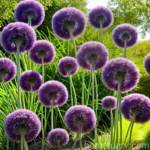
The Spectacular Ornamental Onion (Allium giganteum)
As a plant scientist with a passion for ornamental horticulture, I am delighted to delve into the enchanting world of the ornamental onion, Allium giganteum. This unique plant offers a remarkable array of attributes that can enhance and complement a diverse range of garden landscapes. Let’s embark on a journey to explore the cultivation, care, uses, and fascinating characteristics of the stunning ornamental onion. In this comprehensive guide, we will cover everything from its cultural requirements to its place in folklore and symbolism, and even its culinary and medicinal potential.
What is Ornamental Onion (Allium giganteum)?
Allium giganteum, commonly known as the ornamental onion, is a herbaceous perennial plant that belongs to the Amaryllidaceae family. This striking ornamental onion is native to the Pamir-Alai and Tien Shan mountain ranges in Central Asia. Its name, “giganteum,” is a fitting descriptor as it refers to the impressive stature of the plant, which can reach towering heights. The allure of this plant lies in its unique globe-shaped flower clusters, which create a captivating display in the garden.
Key Takeaways
To begin our exploration, let’s take a closer look at the key aspects of the ornamental onion, Allium giganteum, that we will be covering in this comprehensive guide.
- Cultivation: Understanding the cultivation requirements for Allium giganteum.
- Growing: Tips for successfully growing the ornamental onion.
- Care Tips: Essential care guidelines for maintaining the health and vigor of Allium giganteum.
- Ornamental Onion Varieties: Exploring different varieties and cultivars of Allium giganteum.
- Planting Guide: Step-by-step guidance on planting Allium giganteum to ensure optimal growth and bloom.
- Watering Needs: The water requirements for maintaining healthy Allium giganteum plants.
- Sun Requirements: Understanding the sunlight preferences of Allium giganteum.
- Fertilization: Guidelines for providing the right nutrients to Allium giganteum.
- Soil Requirements: Understanding the soil preferences and requirements of Allium giganteum.
- Pruning: Tips and techniques for pruning Allium giganteum to promote healthy growth and flowering.
- Propagation: Exploring methods for propagating Allium giganteum to expand its presence in the garden.
- Container Gardening: Understanding how to grow Allium giganteum in containers.
- Popularity: Understanding the growing popularity of Allium giganteum in horticulture.
- Common Diseases: Identification and management of common diseases that affect Allium giganteum.
- Disease Diagnosis: Understanding the symptoms and diagnostic measures for diseases in Allium giganteum.
- Common Pests: Identification and management of common pests that affect Allium giganteum.
- Botanist’s Tips: Insights and tips from botanists for successfully growing and caring for Allium giganteum.
- Fun Facts: Exploring intriguing and lesser-known facts about Allium giganteum.
- External Resources: Links to authoritative external resources for further information.
Now that we have outlined the key topics, let’s delve into the captivating world of the ornamental onion, Allium giganteum.
Culture of Ornamental Onion (Allium giganteum)
Uses
Allium giganteum holds a significant place in horticulture due to its remarkable ornamental value. Its striking globe-shaped flower clusters, composed of numerous individual florets, make it a captivating addition to gardens and landscapes. The whimsical and distinctive form of the flower heads adds a touch of elegance and allure to flower beds, borders, and even containers. Allium giganteum is well-suited for various garden styles, including contemporary, cottage, and naturalistic designs, where it serves as a focal point or an intriguing complement to other flowering plants.
Beyond its ornamental value, Allium giganteum also holds cultural and symbolic significance. It can be used in floral arrangements and bouquets, adding a unique and exotic touch. Additionally, in some cultures, the ornamental onion holds symbolism related to prosperity, good fortune, and courage.
Water
Adequate water is essential for healthy growth and flowering of Allium giganteum. During the active growing season, it is crucial to ensure that the plants receive regular watering, especially during periods of prolonged dryness. However, it is equally important to avoid waterlogging the soil, as excessive moisture can lead to rot and other issues.
When watering Allium giganteum, it is advisable to provide deep, thorough watering sessions that penetrate the soil to reach the root zone. This encourages the development of a robust root system and ensures the plant’s resilience during dry spells. However, it is important to allow the soil to dry out slightly between watering sessions to prevent waterlogged conditions.
Sunlight
Allium giganteum thrives in locations with plenty of sunlight. To achieve the best results with this ornamental onion, it is advisable to plant it in areas that receive full sunlight or partial shade. In regions with particularly hot and intense sunlight, providing partial shade during the hottest part of the day can help prevent stress and sunburn on the foliage.
The ample sunlight not only promotes robust growth and flowering but also enhances the development of the characteristic flower heads of Allium giganteum. Therefore, when selecting a planting site for Allium giganteum, it is essential to prioritize areas with adequate sunlight exposure.
Fertilizer
Proper fertilization plays a vital role in promoting the health and vigor of Allium giganteum. Before planting, it is beneficial to incorporate a balanced, slow-release fertilizer into the soil to provide the necessary nutrients for the initial growth of the plant. Once established, Allium giganteum benefits from an additional application of fertilizer in early spring, just as new growth begins to emerge.
When selecting a fertilizer for Allium giganteum, opt for formulations that are specifically designed for flowering perennials. These formulations typically contain a balanced ratio of essential nutrients, including nitrogen, phosphorus, and potassium, to support healthy growth and prolific flowering.
Soil
Allium giganteum thrives in well-draining soil with a slightly alkaline to neutral pH. The ideal soil for cultivating Allium giganteum is loamy and fertile, with good structure and aeration. Proper soil preparation prior to planting is crucial for providing an optimal growing environment for this ornamental onion.
To prepare the soil for Allium giganteum, amend it with organic matter such as well-rotted compost or aged manure. This enriches the soil, enhances its drainage capabilities, and improves its overall quality. Additionally, incorporating a layer of organic mulch around the plants helps maintain soil moisture, suppresses weed growth, and gradually enriches the soil as it decomposes.
Pruning and Maintenance
Pruning is an essential aspect of maintaining the health and appearance of Allium giganteum. After the flowering period, the flower heads of the ornamental onion gradually fade and dry, acquiring a unique and attractive aesthetic. At this stage, the dried flower heads can be retained in the garden to provide visual interest and texture, especially during the winter months.
As part of maintenance, it is advisable to remove any yellowing or spent foliage to maintain a tidy and attractive appearance. Additionally, any damaged or diseased foliage should be promptly removed to prevent the spread of diseases and maintain the overall health of the plant.
Propagation
Seed Propagation
Allium giganteum can be propagated from seeds, although it is important to note that this method requires time and patience, as the plants may take several years to reach maturity and produce flowers. For successful seed propagation, it is advisable to collect ripe seeds from existing plants and sow them in well-prepared seedbeds.
When sowing Allium giganteum seeds, ensure that the seedbeds provide the ideal conditions for germination, including well-draining soil and consistent moisture. It is advisable to sow the seeds at the appropriate depth and maintain a moderately moist environment to support germination and early growth.
Bulb Division
Bulb division presents a more efficient method of propagating Allium giganteum, allowing for the rapid multiplication of plants. This method is typically performed during the dormant season, and it involves lifting and dividing the bulbs into smaller sections, each containing viable growing points.
When dividing Allium giganteum bulbs, it is essential to ensure that each section has sufficient roots and viable shoots. Plant the divided bulbs at the appropriate depth, keeping in mind the planting guidelines for Allium giganteum, and provide the necessary care to support their establishment and subsequent growth.
Container Gardening
Allium giganteum is well-suited for container gardening, offering an opportunity to create captivating displays on patios, balconies, or in smaller garden spaces. When growing Allium giganteum in containers, it is important to select a spacious and sturdy container that provides ample room for the development of the plant’s root system. Ensure that the container has adequate drainage holes to prevent waterlogging and maintain optimal soil moisture levels.
For container cultivation, use a high-quality, well-draining potting mix that provides the necessary nutrients for Allium giganteum to thrive. Regular watering is essential, as containers can dry out more quickly than garden soil, especially during hot or windy weather. Additionally, provide a balanced liquid fertilizer at regular intervals to support the plant’s growth and flowering.
Popularity of Ornamental Onion (Allium giganteum)
In the realm of ornamental horticulture, Allium giganteum has been steadily gaining popularity, captivating the attention of gardeners, landscapers, and horticulture enthusiasts worldwide. Its unique and captivating appearance, coupled with its adaptability to various garden styles, has contributed to its increasing presence in gardens, parks, and public landscapes.
The growing popularity of Allium giganteum is evident in its widespread availability at plant nurseries, garden centers, and online retailers, where it is sought after for its ornamental appeal and the unique visual dimension it adds to garden compositions.
Common Diseases and Pests
Disease Diagnosis
Allium giganteum is generally resistant to most common garden diseases when provided with proper cultural conditions and care. However, it can occasionally be affected by fungal diseases, including botrytis and downy mildew, especially in conditions of high humidity or poor air circulation. Common symptoms of these diseases include browning, wilting, or spotting of the foliage, as well as mold or mildew on the plant surfaces.
When diagnosing diseases in Allium giganteum, it is essential to promptly identify the symptoms and assess the prevailing environmental conditions to prevent further spread. Maintaining good air circulation, avoiding overwatering, and promptly removing any affected foliage are integral components of disease management for Allium giganteum.
Common Pests
The ornamental onion, Allium giganteum, is generally resistant to most common garden pests, owing to its characteristic pungent odor and repellent properties. However, occasional visits from pests such as thrips or aphids may occur. These pests can cause damage by feeding on the foliage and flower heads, leading to distortion and discoloration.
When managing common pests in Allium giganteum, it is advisable to employ environmentally friendly pest control methods, such as using insecticidal soaps or horticultural oils, to deter and manage pest populations while minimizing impact on beneficial organisms.
Botanist’s Tips
To further enrich our understanding of Allium giganteum and enhance our ability to cultivate and care for this captivating plant, let’s explore valuable insights and tips from botanists and horticulture experts.
- Proper Planting Depth: When planting Allium giganteum bulbs, ensure they are placed at a depth approximately three times the size of the bulb. This is crucial for promoting strong, healthy growth and robust flowering.
- Mulching Benefits: Applying a layer of organic mulch around Allium giganteum provides multiple benefits, including moisture retention, weed suppression, and soil enrichment. It also offers a protective layer during winter and helps maintain consistent soil temperatures.
- Balanced Nutrition: Providing a balanced fertilizer with a slightly higher potassium content can promote stronger stems and enhanced flower color in Allium giganteum. This contributes to the overall vigor and visual appeal of the plant.
Fun Facts About Ornamental Onion (Allium giganteum)
To wrap up our exploration of the captivating Allium giganteum, here are some intriguing and lesser-known fun facts about this remarkable ornamental onion:
- The genus name Allium is derived from the Greek word for garlic, highlighting the close botanical relationship between Allium giganteum and culinary alliums such as garlic and onions.
- While Allium giganteum is prized for its ornamental value, it also holds potential for culinary use, with its edible flowers and leaves offering a mild onion flavor that can enhance salads and other dishes.
- Certain species of Allium, including Allium giganteum, have been historically associated with various folklore and symbolism, often being linked to protective and purifying qualities, as well as warding off evil spirits.
Links to External Resources
Now that we have delved into the diverse aspects of Allium giganteum, here are some authoritative external resources that provide further information and insights into this captivating ornamental onion:
- Royal Horticultural Society – Alliums
- University of Minnesota Extension – Alliums for the Garden
- Missouri Botanical Garden – Allium giganteum
Conclusion
The ornamental onion, Allium giganteum, stands as a captivating and versatile addition to gardens and landscapes, offering a captivating display of globe-shaped flower clusters and a range of cultural and symbolic significance. From its remarkable ornamental value to its potential for culinary use and folklore associations, Allium giganteum enriches garden compositions and entices with its unique charm.
By understanding its cultivation, care, and the fascinating attributes that make it a remarkable plant, we can fully appreciate and harness the potential of Allium giganteum in garden design and horticulture. Whether as a focal point, a complement to other flowering plants, or a symbol of prosperity and courage, the ornamental onion continues to captivate and inspire, adding a touch of enchantment to garden landscapes worldwide.