Japanese Maple (Acer palmatum var. dissectum ‘Waterfall’): A Comprehensive Guide
What is a Japanese Maple?
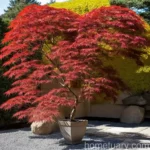
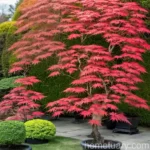
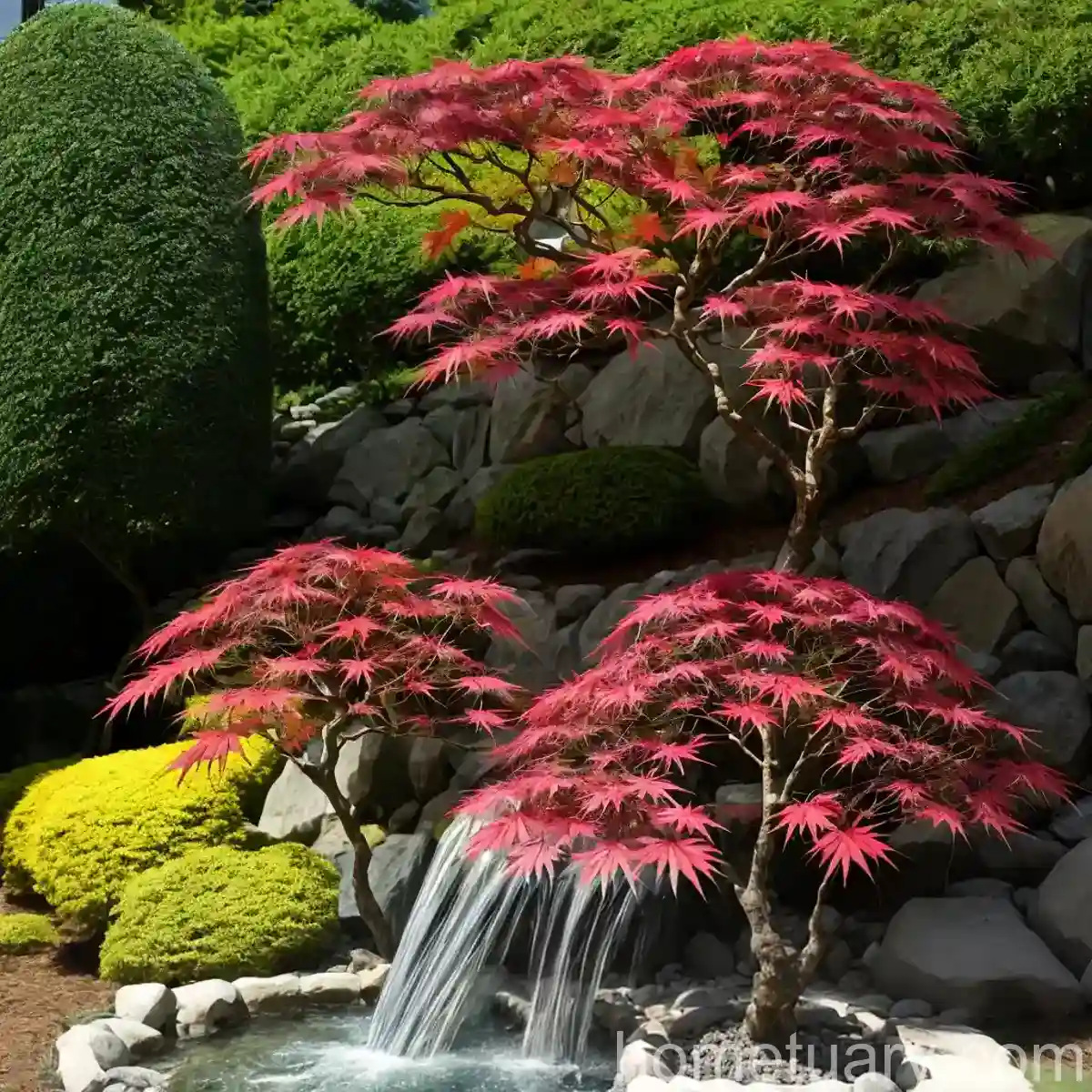
Japanese Maple, scientifically known as Acer palmatum, is a species of woody plant native to East Asia, including Japan, Korea, and China. Renowned for their stunning foliage and elegant structure, Japanese maples are sought after by gardeners and landscapers for their ornamental value. Among the many cultivars, the Acer palmatum var. dissectum ‘Waterfall’ is especially popular for its delicate, cascading form and vibrant, lacy leaves.
Key Takeaways – Japanese Maple (Acer palmatum var. dissectum ‘Waterfall’)
Culture
- Scientific Name: Acer palmatum var. dissectum ‘Waterfall’
- Plant Type: Deciduous tree
- Mature Height: 6-8 feet
- Mature Spread: 8-12 feet
- Growth Rate: Slow to moderate
Uses
- Landscape Ornamental: Japanese maples are prized for their use in landscapes, gardens, and as feature plants in residential and commercial settings.
- Bonsai: Their natural form and petite size make certain cultivars ideal for bonsai cultivation.
Water
- Watering Needs: Moist, well-drained soil is essential, especially during the growing season.
- Drought Tolerance: While established trees can tolerate short periods of drought, they prefer consistent moisture.
Sunlight
- Light Requirement: Partial shade to full sun, with some protection from intense afternoon sun in hotter regions.
- Sun Tolerance: ‘Waterfall’ is known for its ability to tolerate full sun better than other Japanese maple varieties.
Fertilizer
- Fertilization: Nutrient-rich, well-balanced fertilizers formulated for acid-loving plants are preferred.
Soil
- Soil Type: Well-drained, organically rich soil with a slightly acidic to neutral pH.
- Soil Preference: ‘Waterfall’ thrives in slightly sandy loam or loamy soil with good drainage.
Pruning
- Pruning Needs: Regular maintenance pruning to remove dead or damaged branches and shape the tree for improved aesthetics.
Propagation
- Propagation Methods: Propagation can be achieved through seeds, softwood cuttings, and grafting.
Container Popularity
- Container Gardening: ‘Waterfall’ is a great choice for container gardening due to its compact size and elegant cascading form.
Container Common Diseases
- Disease Susceptibility: Japanese maples in containers are susceptible to root rot and certain fungal diseases due to poor drainage and excessive moisture levels.
Disease Diagnosis
- Common Diseases: Anthracnose, powdery mildew, verticillium wilt, and root rot are some common ailments that can affect Japanese maples.
Common Pests
- Pest Issues: Aphids, scale insects, and caterpillars can occasionally infest Japanese maples.
Botanist’s Tips
- Best Practices: Provide consistent moisture, avoid extreme temperature and moisture fluctuations, and protect from strong winds and intense afternoon sun in hotter regions.
Fun Facts
- Cultural Significance: In Japanese folklore, the Japanese maple is often associated with peace, serenity, and balance, making it a symbol of harmony and tranquility.
Links to External Resources
- The American Horticultural Society: Japanese Maples
- Royal Horticultural Society: Acer palmatum ‘Waterfall’
- Fine Gardening: Japanese Maples for Your Garden
- Missouri Botanical Garden: Acer palmatum ‘Waterfall’
- The Spruce: Acer palmatum ‘Waterfall’
In this comprehensive guide, we will delve deeper into the fascinating world of Japanese maples, focusing specifically on the Acer palmatum var. dissectum ‘Waterfall.’ Whether you are a seasoned enthusiast or a novice gardener, this article aims to enlighten and educate you on the cultivation, care, and appreciation of this exquisite ornamental tree.
Japanese Maple (Acer palmatum var. dissectum ‘Waterfall’): Exploring Its Splendor
Japanese Maple Care
Japanese maples, known for their diverse and captivating forms, have captivated the hearts of gardeners for centuries. From their intricate leaf shapes and vibrant colors to their graceful branches and elegant silhouettes, each cultivar tells a unique story. Cultivating and caring for Japanese maples, including the Acer palmatum var. dissectum ‘Waterfall,’ requires a fundamental understanding of their specific needs and preferences.
Acer palmatum var. dissectum ‘Waterfall’

Acer palmatum var. dissectum ‘Waterfall’, often referred to simply as ‘Waterfall,’ is a stunning and distinctive cultivar of Japanese maple. Known for its weeping and cascading form, ‘Waterfall’ exhibits lacy, finely dissected foliage that emerges with an enchanting green hue in spring, transforms to a rich, vibrant green in summer, and finally transitions to brilliant shades of gold, orange, and red in the fall. Its compact size, graceful habit, and remarkable seasonal color changes make it a prized addition to any landscape or garden.
Japanese Maple Varieties
The genus Acer encompasses a wide array of species and cultivars, offering a vast spectrum of sizes, leaf shapes, and colors. When it comes to Japanese maples, diversity knows no bounds. From upright and mounding forms to weeping and cascading varieties, there is a Japanese maple for every setting and preference. Some notable varieties include ‘Bloodgood,’ ‘Viridis,’ ‘Sango Kaku,’ ‘Dissectum Atropurpureum,’ and of course, ‘Waterfall,’ each with its unique charm and characteristics.
Growing Japanese Maple Trees
Cultivating Japanese maples, including the Acer palmatum var. dissectum ‘Waterfall,’ requires attention to detail and a nurturing touch. Whether grown in containers or planted directly in the ground, providing the right growing conditions is pivotal to their health and vigor. Understanding the specific soil, sunlight, and water requirements of these trees is essential for fostering their optimal growth and development.
Acer palmatum ‘Waterfall’ Pruning
Pruning Japanese maples is an art form that requires a delicate and informed approach. While ‘Waterfall’ exhibits a graceful weeping habit, occasional pruning is necessary to maintain its form, remove dead or damaged branches, and enhance its aesthetic appeal. Whether it’s structural pruning to shape the tree or routine maintenance to encourage airflow and light penetration, understanding the principles of pruning is vital for the overall well-being of the tree.
Japanese Maple Tree Leaves
The leaves of Japanese maples, including those of the Acer palmatum var. dissectum ‘Waterfall,’ are a focal point of their allure. These trees produce a stunning array of leaf shapes, sizes, and colors, with some leaves being deeply dissected, others with serrated edges, and many transitioning through a kaleidoscope of hues throughout the seasons. Understanding the leaf morphology and the seasonal variations in color is essential for appreciating the full splendor of these remarkable trees.
Japanese Maple Companion Plants
Creating harmonious plant combinations can elevate the visual impact of Japanese maples. Complementary plants that thrive in similar growing conditions and provide a beautiful backdrop or contrast can enhance the overall aesthetic of the landscape. Selecting suitable companion plants that don’t compete with or overshadow the Japanese maple, such as ferns, hostas, and shade-tolerant flowering perennials, can result in a captivating and cohesive design.
Japanese Maple Landscape Design
Japanese maples lend themselves beautifully to various landscape designs, from formal and traditional to contemporary and naturalistic settings. Their versatility in form and their exquisite foliage make them invaluable components in creating captivating landscape compositions. Incorporating Japanese maples, including the Acer palmatum var. dissectum ‘Waterfall,’ in strategic locations can add layers of interest, texture, and color to your outdoor space.
Japanese Maple Diseases
While Japanese maples are relatively low-maintenance, they are susceptible to certain diseases that can affect their health and vitality. Identifying common ailments, understanding their causes, and implementing appropriate preventive measures are essential for safeguarding these treasured trees. With the right care and vigilance, the impact of diseases can be minimized, allowing the Japanese maple to flourish and thrive.
Acer palmatum var. dissectum Cultivars
The Acer palmatum var. dissectum species boasts an impressive array of cultivars, each distinguished by its unique attributes and qualities. From various leaf shapes and colors to growth habits and environmental tolerances, exploring the diversity of dissectum cultivars provides an opportunity to appreciate the breadth of beauty that these trees offer.
Japanese Maple Leaf Shape
Leaf shape is a defining characteristic of Japanese maples, with variations ranging from deeply dissected and lacy to broader, palmate leaves. The diversity in leaf morphology contributes to the allure and individuality of each cultivar, inviting admiration and fascination from enthusiasts and admirers alike.
Japanese Maple Full Sun
While Japanese maples generally prefer partial shade and protection from intense sunlight, certain varieties, such as the Acer palmatum var. dissectum ‘Waterfall,’ exhibit a greater tolerance to full sun conditions. Understanding the specific sunlight requirements of these trees is essential for providing an environment where they can thrive.
Acer palmatum var. dissectum Propagation
Propagating Japanese maples, including the Acer palmatum var. dissectum ‘Waterfall,’ is a rewarding endeavor that allows enthusiasts to multiply their favorite cultivars and preserve their unique characteristics. Whether through seeds, cuttings, or grafting, propagating these trees requires patience, precision, and a thorough understanding of the propagation methods best suited for each cultivar.
Japanese Maple Fall Color
One of the most enchanting features of Japanese maples is their spectacular display of fall foliage. As the temperatures cool, these trees undergo a breathtaking transformation, painting the landscape with vivid hues of red, orange, gold, and burgundy. Understanding the factors that influence fall color development and appreciating the ephemeral beauty of this seasonal display adds to the allure of these remarkable trees.
Japanese Maple Winter Care
Preparing Japanese maples for the challenges of winter is essential for ensuring their survival and vigor. From protecting them against harsh winds and temperature fluctuations to safeguarding their delicate root systems, providing adequate care during the winter months is vital for the long-term health of these prized trees.
Acer palmatum ‘Waterfall’ Size
The compact and weeping form of the Acer palmatum var. dissectum ‘Waterfall’ makes it an ideal choice for smaller landscapes, urban gardens, and container gardening. Understanding the mature size and growth habit of this cultivar is crucial for selecting appropriate planting locations and ensuring ample space for its graceful form to flourish.
Japanese Maple Soil Requirements
The soil composition and quality play a crucial role in the health and vitality of Japanese maples. Well-drained, fertile soil with a slightly acidic to neutral pH is ideal for these trees. Understanding the specific soil requirements, including texture, structure, and drainage, is essential for creating an optimal growing environment.
Acer palmatum var. dissectum ‘Waterfall’ Growth Rate
The growth rate of the Acer palmatum var. dissectum ‘Waterfall’ is typically slow to moderate, contributing to its compact size and graceful habit. Understanding the growth patterns and vigor of this cultivar is essential for anticipating its development and integrating it into the overall landscape design.
Japanese Maple Specific Names
The intricate and evocative names of Japanese maples often reflect their unique attributes, origins, or the personalities of the individuals who introduced or discovered them. Understanding the significance and symbolism behind their specific names adds a layer of depth and appreciation to these beloved trees.
Acer palmatum var. dissectum ‘Waterfall’ Characteristics
The Acer palmatum var. dissectum ‘Waterfall’ exhibits a remarkable array of characteristics, from its cascading form and finely dissected leaves to its vibrant seasonal colors and its adaptability to different growing conditions. Understanding and celebrating these unique attributes enhances the admiration and allure of this exceptional cultivar.
Japanese Maple Sun Tolerance
While Japanese maples generally thrive in partial shade, certain cultivars exhibit varying degrees of tolerance to sun exposure. Understanding the specific sun preferences and limitations of each variety is essential for selecting suitable planting locations and providing an environment where the trees can flourish.
Japanese Maple Shade Tolerance
The shade tolerance of Japanese maples is a noteworthy attribute, particularly for landscapes with dappled light or partially shaded areas. Many cultivars, including the Acer palmatum var. dissectum ‘Waterfall,’ excel in shaded environments, adding a touch of elegance and beauty to areas with filtered light.
Acer palmatum var. dissectum ‘Waterfall’ Maintenance
Maintaining the health and appearance of the Acer palmatum var. dissectum ‘Waterfall’ involves regular care and attention to its specific needs. From watering and fertilizing to pruning and protecting from pests and diseases, implementing proper maintenance practices is vital for ensuring the continued vitality and beauty of this stunning cultivar.
Japanese Maple Pruning Techniques
Pruning Japanese maples requires a thoughtful and strategic approach to enhance their form, encourage healthy growth, and maintain their ornamental appeal. Understanding the principles and techniques of pruning, including timing, methods, and goals, is essential for preserving the natural grace and beauty of these trees.
Japanese Maple Pests
While Japanese maples are generally hardy and resilient, they can occasionally succumb to pest infestations that affect their health and vigor. Identifying common pests, understanding their impact, and implementing appropriate control measures is vital for protecting these cherished trees from potential harm.
Acer palmatum var. dissectum ‘Waterfall’ Origin
The origin of the Acer palmatum var. dissectum ‘Waterfall’ can be traced back to Japan, where it was selected and cultivated for its unique weeping form, finely dissected leaves, and vibrant seasonal colors. Understanding the origins and heritage of this cultivar adds depth and context to its cultural significance and appeal.
Japanese Maple Water Requirements
Japanese maples have specific water needs influenced by factors such as age, climate, and soil conditions. Providing consistent moisture, especially during the growing season, is pivotal for their health and vitality. Understanding their water requirements and implementing appropriate irrigation practices is essential for fostering their optimal growth.
Japanese Maple Temperature Tolerance
Japanese maples exhibit varying degrees of tolerance to temperature extremes, with certain cultivars being more resilient to cold or heat. Understanding their temperature preferences and limitations is crucial for selecting suitable planting locations and providing an environment where they can thrive.
Acer palmatum var. dissectum ‘Waterfall’ Planting Tips
Planting Japanese maples, including the Acer palmatum var. dissectum ‘Waterfall,’ requires thoughtful consideration of environmental factors, site selection, and soil preparation. Understanding the key planting tips and best practices is essential for establishing these trees for long-term success and vitality.
Japanese Maple Root System
Understanding the root system of Japanese maples, including its structure, depth, and spread, is essential for various aspects of their cultivation, including planting, root protection, and container gardening. Appreciating the intricacies of their root systems enhances our understanding of the tree’s overall health and well-being.
Japanese Maple Seedlings
Growing Japanese maples from seed can be a rewarding and educational experience, allowing enthusiasts to witness the stages of germination, growth, and development firsthand. Understanding the process of germinating and nurturing seedlings contributes to a deeper appreciation of the life cycle and growth habits of these remarkable trees.
Acer palmatum ‘Waterfall’ Leaf Color
The leaf color of the Acer palmatum var. dissectum ‘Waterfall’ undergoes stunning transformations throughout the seasons, from tender greens in spring to vibrant oranges, golds, and reds in the fall. Understanding the factors that influence leaf color development enhances our appreciation of the seasonal beauty of this exceptional cultivar.
Japanese Maple Hardiness Zones
Japanese maples, including the Acer palmatum var. dissectum ‘Waterfall,’ exhibit varying degrees of cold hardiness, with certain cultivars being better suited to withstand harsh winter climates. Understanding the hardiness zones and temperature tolerances of these trees is essential for selecting suitable varieties for specific regions.
Japanese Maple Root Rot Prevention
Protecting Japanese maples from root rot, a common and potentially devastating ailment, involves implementing preventative measures that promote good drainage, soil aeration, and the avoidance of excessive moisture. Understanding the causes and prevention of root rot is vital for safeguarding the health and longevity of these cherished trees.
Acer palmatum var. dissectum ‘Waterfall’ Leaf Arrangement
The arrangement of leaves on the Acer palmatum var. dissectum ‘Waterfall’ contributes to its striking visual appeal, with lacy, finely dissected leaves displaying an elegant and harmonious pattern. Understanding the leaf arrangement and structure adds to our appreciation of the intricate beauty of this exceptional cultivar.
Japanese Maple Leaf Drop
The seasonal patterns of leaf drop in Japanese maples, including the Acer palmatum var. dissectum ‘Waterfall,’ are influenced by factors such as temperature, day length, and environmental conditions. Understanding the timing and nuances of leaf drop enhances our appreciation of the natural life cycle and growth habits of these remarkable trees.
Japanese Maple Fall Pruning
Pruning Japanese maples in the fall requires caution and awareness of the tree’s response to seasonal changes. While certain maintenance tasks can be undertaken in the fall, understanding the impact of pruning on the tree’s health and resilience is essential for preserving its vitality during the winter months.
Acer palmatum var. dissectum ‘Waterfall’ Container Gardening
The compact size and graceful form of the Acer palmatum var. dissectum ‘Waterfall’ make it an excellent choice for container gardening. Understanding the specific requirements and considerations for growing Japanese maples in containers is essential for creating a thriving and visually appealing display.
Japanese Maple in Pots
Growing Japanese maples in pots and containers offers versatility and mobility, allowing enthusiasts to showcase these remarkable trees in various settings and environments. Understanding the nuances of container gardening, including soil selection, watering, and root management, is pivotal for the success of Japanese maples grown in pots.
Japanese Maple Winter Protection
Ensuring the protection of Japanese maples during the winter months is crucial for safeguarding them from cold, wind, and other adverse conditions. Understanding the principles of winter protection, including mulching, root insulation, and sheltering from harsh elements, is essential for preserving the health and vigor of these cherished trees.
Acer palmatum var. dissectum ‘Waterfall’ Flower
The inconspicuous flowers of the Acer palmatum var. dissectum ‘Waterfall’ are a charming and understated feature of this cultivar. While not as prominent as its foliage, understanding the floral characteristics and seasonal nuances of its blooms adds to the overall allure and fascination of this exceptional tree.
Japanese Maple Wind Tolerance
Protecting Japanese maples from strong winds and gusts is essential for preventing structural damage and maintaining the integrity of