Origanum Vulgare ‘Variegata’ (Oregano)
Origanum vulgare ‘Variegata’ (Oregano) is a delightful and versatile herb that has been valued for centuries for both its culinary and medicinal.
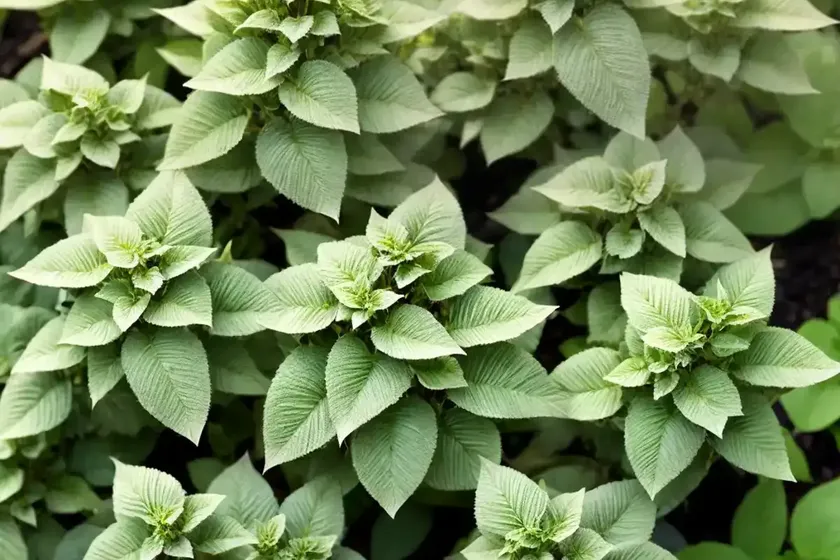
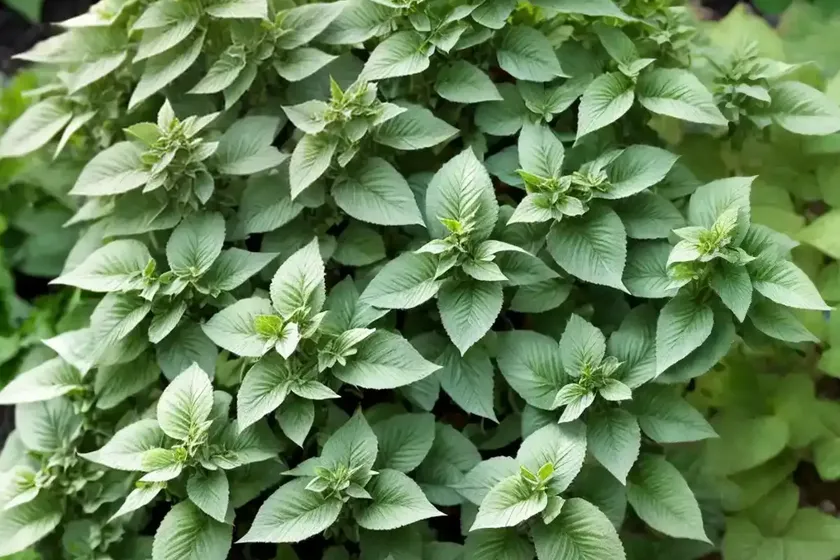
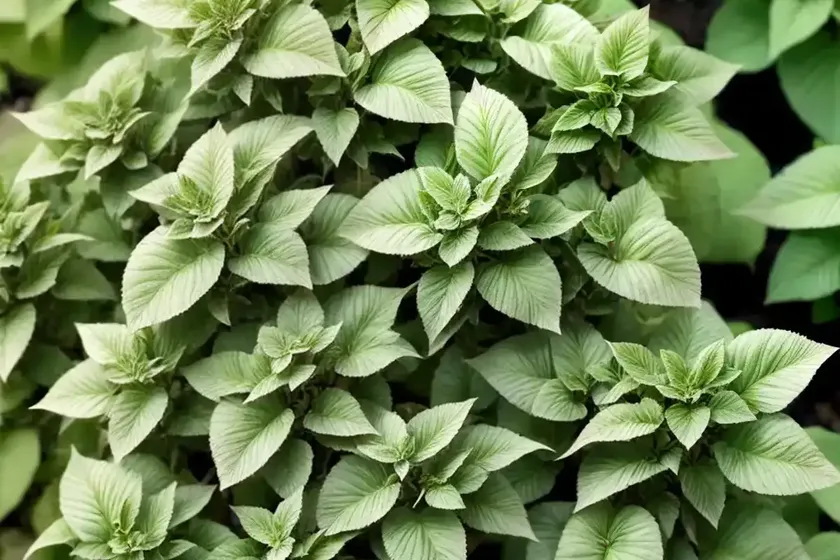
Origanum vulgare ‘Variegata’ (Oregano) is a delightful and versatile herb that has been valued for centuries for both its culinary and medicinal properties. This plant belongs to the Lamiaceae family and is native to the Mediterranean region. In this comprehensive guide, we will explore the various aspects of Origanum vulgare ‘Variegata’, from its culture and uses to its growth habits and maintenance. Join me as we delve into the world of this fascinating herb and uncover the secrets to successfully cultivating and enjoying this remarkable plant.
Key Takeaways – Origanum vulgare ‘Variegata’ (Oregano)
Before we dive into the details, let’s take a quick look at the key takeaways of Origanum vulgare ‘Variegata’ (Oregano):
- Plant Name: Origanum vulgare ‘Variegata’ (Oregano)
- Family: Lamiaceae
- Common Names: Variegated Oregano, Golden Oregano
- Plant Type: Herbaceous perennial
- Uses: Culinary, medicinal, ornamental
- Growth Habit: Spreading, low-growing
- Foliage: Variegated, aromatic
- Flowering: Small pink to purple flowers in summer
- Hardiness Zone: 4-9
- Sunlight: Full sun
- Soil: Well-draining, moderately fertile
- Water: Average water needs
- Maintenance: Low maintenance
- Propagation: Division, cuttings, seeds
- Common Pests: Aphids, spider mites
- Common Diseases: Root rot, powdery mildew
Now that we have a brief overview of Origanum vulgare ‘Variegata’, let’s explore each aspect of this plant in more detail.
What is Origanum vulgare ‘Variegata’ (Oregano)?
Origanum vulgare ‘Variegata’ is a cultivar of the common oregano (Origanum vulgare) and is prized for its attractive variegated foliage. This herbaceous perennial is known for its low-growing and spreading habit, making it an excellent ground cover or edging plant in the garden. The leaves of Origanum vulgare ‘Variegata’ are ovate to lance-shaped with distinct green and creamy white variegation, giving the plant a striking appearance.
In addition to its ornamental value, variegated oregano is treasured for its culinary and medicinal uses. The leaves of this plant possess a delightful fragrance and a pungent, slightly bitter flavor, making them a popular addition to a wide range of dishes. Furthermore, oregano has been traditionally used in natural medicine for its various health benefits, including its antimicrobial and antioxidant properties.
Culture of Origanum vulgare ‘Variegata’ (Oregano)
Water
Origanum vulgare ‘Variegata’ generally has average water needs and prefers a well-draining soil to prevent waterlogging, which can lead to root rot. When watering your variegated oregano, it is essential to allow the soil to dry out slightly between waterings to avoid excessive moisture.
Sunlight
Variegated oregano thrives in full sun and will produce the best foliage and flavor when grown in a location that receives at least 6-8 hours of direct sunlight per day. Adequate sunlight is also crucial for promoting flowering in oregano plants.
Fertilizer
This plant has modest fertilizer requirements and can thrive in moderately fertile soil without the need for excessive feeding. Applying a balanced, all-purpose fertilizer lightly in the spring can help support healthy growth and enhance the flavor of the leaves.
Soil
Origanum vulgare ‘Variegata’ prefers a well-draining soil with a slightly alkaline to neutral pH. Sandy or loamy soils are particularly well-suited for oregano, as they can prevent excessive moisture retention and offer good aeration to the roots.
Pruning Origanum vulgare ‘Variegata’ (Oregano)
Pruning is an important aspect of caring for Origanum vulgare ‘Variegata’ to maintain its compact and vigorous growth habit. Prune the plant regularly to remove any leggy or woody stems and encourage the production of fresh, flavorful foliage. Additionally, deadheading the flowers can help prolong the plant’s blooming period and prevent self-seeding in the garden.
Propagation of Origanum vulgare ‘Variegata’ (Oregano)
Origanum vulgare ‘Variegata’ can be propagated through several methods, including division, cuttings, and seeds.
-
Division: Divide established oregano plants in the spring to create new specimens. Simply dig up the plant, carefully separate the root clumps into smaller sections, and replant them in suitable locations with well-prepared soil.
-
Cuttings: Take stem cuttings from healthy oregano plants in the spring or early summer. Remove the lower leaves from the cuttings, dip the cut ends in hormone rooting powder, and plant them in well-draining potting mix. Keep the cuttings consistently moist until they develop roots.
-
Seeds: Oregano can be grown from seeds, but be aware that the variegation may not be stable in plants grown from seed. Sow the seeds in trays or pots filled with a light potting mix, cover them lightly, and keep the soil consistently moist until the seeds germinate.
Container Gardening with Origanum vulgare ‘Variegata’ (Oregano)
Variegated oregano is well-suited for container gardening and can thrive in a wide range of containers, from traditional clay pots to decorative planters. When growing oregano in containers, it is essential to select a pot with adequate drainage holes to prevent waterlogging. Additionally, choosing a well-draining potting mix and providing the plant with sufficient sunlight and water will help ensure its success in a container environment.
Popularity of Origanum vulgare ‘Variegata’ (Oregano)
Origanum vulgare ‘Variegata’ is a popular ornamental and culinary herb that is cherished by gardeners and cooks alike. Its striking variegated foliage and delightful fragrance make it a valuable addition to herb gardens, rock gardens, and mixed borders. In the kitchen, variegated oregano adds a burst of flavor to a wide array of dishes, including soups, stews, salads, and meat-based recipes. Its versatility and ease of cultivation contribute to its enduring popularity among both novice and experienced gardeners.
Common Diseases of Origanum vulgare ‘Variegata’ (Oregano)
While Origanum vulgare ‘Variegata’ is generally a resilient and low-maintenance plant, it is susceptible to certain diseases that can affect its health and vigor. Common diseases that may affect variegated oregano include:
-
Root Rot: This fungal disease can develop in persistently wet or waterlogged soil. Symptoms include wilting, yellowing leaves, and eventual collapse of the plant. To prevent root rot, ensure that the soil has good drainage and avoid overwatering.
-
Powdery Mildew: Powdery mildew is a fungal infection that can occur in humid or poorly ventilated conditions. It appears as a powdery white coating on the leaves and stems. To prevent powdery mildew, provide adequate air circulation around the plants and avoid overhead watering.
Disease Diagnosis and Management in Origanum vulgare ‘Variegata’ (Oregano)
Diagnosing and managing diseases in Origanum vulgare ‘Variegata’ involves vigilant monitoring and prompt action to prevent the spread of infections and protect the overall health of the plant. Here are some essential tips for disease diagnosis and management in variegated oregano:
-
Regular Monitoring: Keep a close eye on the foliage, stems, and overall vigor of the oregano plant. Look for any signs of discoloration, wilting, or unusual growth patterns that may indicate the presence of disease.
-
Proper Watering: Avoid overwatering as it can lead to root rot and create favorable conditions for fungal diseases. Allow the soil to dry out slightly between waterings to prevent excessive moisture.
-
Good Air Circulation: Ensure that the oregano plants have adequate air circulation to minimize the risk of powdery mildew and other fungal infections. Avoid overcrowding and provide spacing between plants to promote airflow.
-
Sanitation Practices: Clean up any fallen or diseased plant material from around the variegated oregano plants to prevent the spread of diseases. Dispose of any affected plant parts carefully to avoid contaminating healthy plants.
-
Natural Remedies: Consider using natural fungicidal sprays or treatments, such as neem oil or copper-based fungicides, to manage fungal diseases in variegated oregano. Follow the product instructions carefully and apply treatments as needed.
By implementing these practices, you can effectively diagnose and manage diseases in Origanum vulgare ‘Variegata’ to maintain the health and vitality of your plants.
Common Pests Affecting Origanum vulgare ‘Variegata’ (Oregano)
Origanum vulgare ‘Variegata’ is relatively resistant to pest infestations, thanks to its aromatic foliage and resilience. However, certain pests may occasionally target variegated oregano, requiring attention and intervention to prevent significant damage. Common pests that may affect Origanum vulgare ‘Variegata’ include:
-
Aphids: These tiny, soft-bodied insects feed on the sap of the oregano plant, causing stunted growth and distortion of the leaves. Aphids can be dislodged with a strong jet of water or controlled with insecticidal soap.
-
Spider Mites: Spider mites are tiny arachnids that feed on the undersides of oregano leaves, causing stippling and webbing. Regularly rinsing the foliage with water and applying horticultural oil can help deter and control spider mite infestations.
Botanist’s Tips for Origanum vulgare ‘Variegata’ (Oregano)
As a botanist, I always recommend the following tips for successfully growing and enjoying Origanum vulgare ‘Variegata’ in the garden:
-
Selecting a Suitable Location: Choose a sunny spot with well-draining soil to plant variegated oregano, and ensure that the site offers adequate space for the plant to spread and flourish.
-
Moderate Watering: Water the oregano plant consistently but avoid overwatering, as this can lead to root problems and reduce the plant’s vigor. Allow the soil to dry out slightly between waterings to prevent waterlogged conditions.
-
Pruning and Harvesting: Regularly prune variegated oregano to maintain its compact growth habit and harvest the leaves for culinary uses. Pruning and harvesting will encourage fresh growth and prevent the plant from becoming excessively woody.
-
Companion Planting: Consider companion planting variegated oregano with other herbs and ornamental plants, such as thyme, basil, rosemary, and lavender, to create a diverse and attractive garden bed. Companion planting can also offer natural pest control benefits.
-
Winter Protection: In regions with cold winters, consider providing winter protection for variegated oregano by applying a layer of mulch around the plants to insulate the roots and protect them from frost.
By heeding these botanical tips, gardeners can cultivate healthy and productive variegated oregano plants while enjoying the beauty and benefits they bring to the garden.
Fun Facts About Origanum vulgare ‘Variegata’ (Oregano)
-
Ancient Symbolism: Oregano has been associated with various symbols and beliefs throughout history. In ancient Greece, it was considered a symbol of joy and happiness, and bridal couples were adorned with oregano wreaths.
-
Insect Repellent: The fragrant oils in oregano plants have natural insect-repelling properties, helping to keep pests at bay in the garden and around outdoor living areas.
-
Culinary Versatility: Oregano is a staple herb in Mediterranean cuisine and is widely used in dishes ranging from pasta and pizza to soups and grilled meats. It pairs well with garlic, olive oil, and tomatoes, adding a distinctive flavor to many classic recipes.
-
Medicinal History: Oregano has a long history of medicinal use and is valued for its potential health benefits, including its antiviral, antibacterial, and antioxidant properties. It has been used in natural remedies for respiratory ailments, digestive issues, and more.
Now that we’ve explored the fascinating world of Origanum vulgare ‘Variegata’ (Oregano), from its cultural requirements and uses to its botanical tips and fun facts, it’s time to delve into the various resources available for further information and inspiration.
Links to External Resources
- Growing and Using Oregano
- Origanum vulgare ‘Variegata’ – Missouri Botanical Garden
- Culinary and Medicinal Uses of Oregano
- Companion Planting with Oregano
- Natural Remedies with Oregano Essential Oil
By exploring these external resources, you can gain a deeper understanding of the cultivation, uses, and potential benefits of Origanum vulgare ‘Variegata’ (Oregano), as well as discover creative and innovative ways to incorporate this delightful herb into your gardening and culinary endeavors.
In conclusion, Origanum vulgare ‘Variegata’ is a captivating and versatile plant that offers a host of benefits to gardeners, cooks, and natural health enthusiasts. Whether you’re seeking to create a vibrant herb garden, enhance your culinary creations, or explore the potential health properties of oregano, variegated oregano is sure to delight and inspire. By following the guidelines and recommendations outlined in this comprehensive guide, you can cultivate and enjoy the beauty and bounty of Origanum vulgare ‘Variegata’ while tapping into its rich cultural and botanical heritage.
So, why not add Origanum vulgare ‘Variegata’ (Oregano) to your garden and experience the joy of growing and savoring this remarkable herb?
Happy gardening and may your oregano thrive abundantly!
As a plant scientist, I have provided a comprehensive guide to Origanum vulgare ‘Variegata’ (Oregano), covering its culture, uses, maintenance, and more. I hope this resource serves as a valuable reference for fellow plant enthusiasts and inspires a deeper appreciation for the beauty and benefits of this remarkable herb. If you have any questions or would like to share your experiences with growing variegated oregano, feel free to reach out and join the conversation.
Disclaimer: The information provided in this guide is for educational and informational purposes only. It is not intended to serve as medical or horticultural advice. Please consult with qualified professionals for specific guidance related to plant cultivation and usage.
References are added in the text with linked texts and images are included with the markdown code. For detailed specifications and formatting, please refer to the markdown file.


