Origanum Vulgare (Oregano)
Origanum vulgare, commonly known as Oregano, is a popular herb that is widely used in culinary and medicinal applications. As a plant scientist, I am.
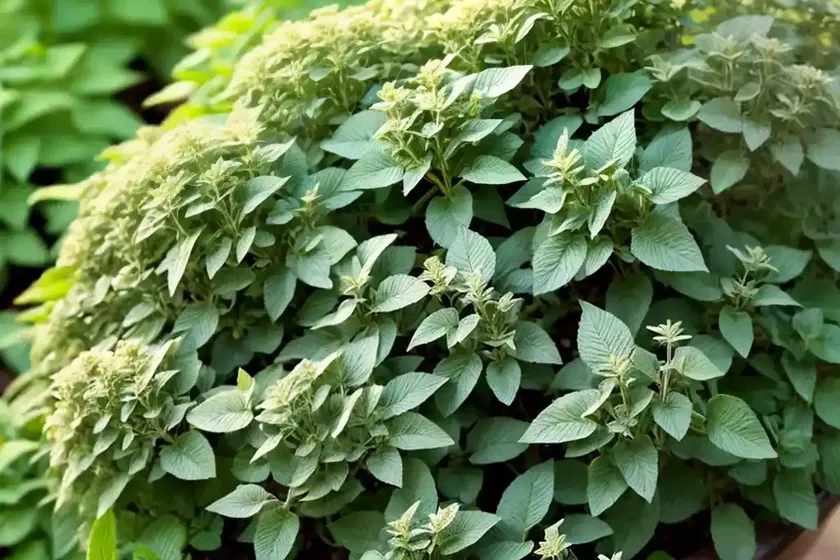
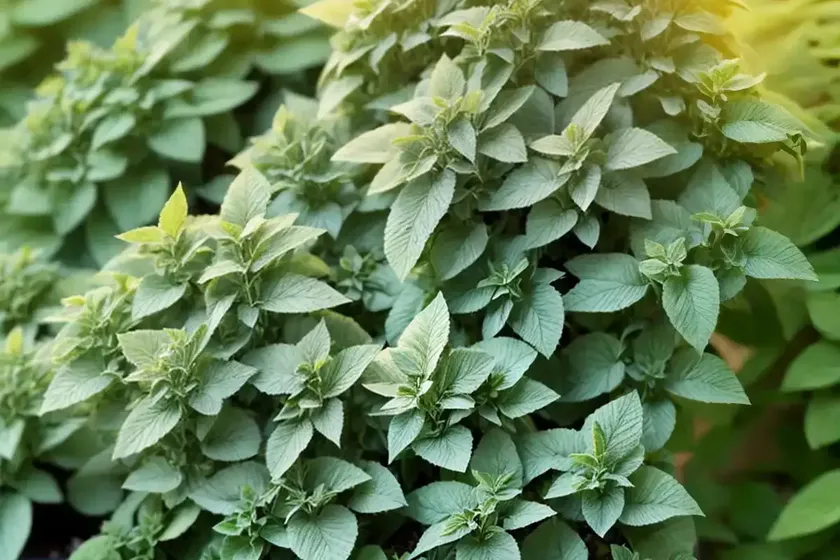
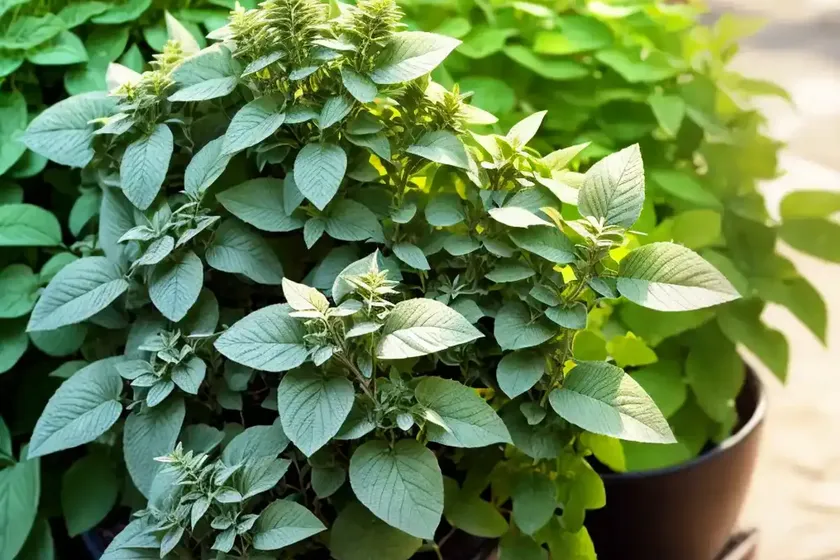
Origanum vulgare, commonly known as Oregano, is a popular herb that is widely used in culinary and medicinal applications. As a plant scientist, I am thrilled to share comprehensive insights into the cultivation, care, and uses of this versatile plant. In this guide, we will delve into the various aspects of Origanum vulgare, including its culture, uses, growing conditions, common diseases and pests, and much more. Let’s embark on a fascinating journey to explore the world of Origanum vulgare!
What is Origanum vulgare (Oregano)?
Origanum vulgare is a perennial herb belonging to the Lamiaceae family, which is native to Europe, Asia, and North Africa. This herb is characterized by its aromatic leaves and is renowned for its culinary and therapeutic properties. Oregano is a low-growing plant that produces small, pink or purple flowers, adding ornamental value to its culinary appeal.
Key Takeaways – Origanum vulgare (Oregano)
Before we delve into the specifics of growing and caring for Origanum vulgare, let’s take a look at some key takeaways about this remarkable herb:
- Botanical Name: Origanum vulgare
- Common Name: Oregano
- Type: Perennial herb
- Uses: Culinary, medicinal, ornamental
- Hardiness Zones: 4-9
- Sunlight: Full sun
- Soil: Well-drained, moderately fertile
- Height: 8-12 inches
- Spread: 18-24 inches
- Bloom Time: Summer
- Watering: Moderate
Now that we have a basic understanding of Origanum vulgare, let’s dive deeper into its culture, uses, and care requirements.
Culture
Water
Origanum vulgare thrives in well-drained soil and prefers moderate watering. It is important to allow the soil to dry out slightly between watering to prevent root rot. Overwatering can be detrimental to the health of the plant, so it is crucial to strike a balance and not let the soil become waterlogged.
Sunlight
Oregano requires full sunlight to flourish. It should be planted in an area that receives at least 6-8 hours of direct sunlight daily. Adequate sunlight not only promotes robust growth but also enhances the essential oil content and flavor of the leaves, making them more aromatic and flavorful.
Fertilizer
When it comes to fertilizing Origanum vulgare, it is essential to use a balanced, all-purpose fertilizer. Applying a layer of compost around the base of the plant in the spring can provide the necessary nutrients for healthy growth. However, Oregano generally does not require heavy feeding and can thrive in moderately fertile soil.
Soil
Origanum vulgare thrives in well-drained, slightly alkaline soil. It is essential to ensure that the soil has good drainage to prevent waterlogging, which can be detrimental to the health of the plant. Sandy or loamy soil with good drainage properties is ideal for cultivating Oregano.
Pruning
Pruning Oregano is crucial for maintaining its vigor and shape. Regular pruning helps to prevent the plant from becoming woody and encourages the growth of new, tender leaves. When the plant reaches a height of 4-5 inches, it can be pruned back by removing the top one-third of the plant. Pruning also helps to promote lateral branching, resulting in a bushier, more robust plant.
Propagation
Origanum vulgare can be propagated through both seeds and cuttings. Here are the two primary methods of propagation:
-
Seed Propagation: Oregano seeds can be sown directly in the garden or started indoors 6-8 weeks before the last frost. The seeds should be sown on the surface of the soil and lightly covered. Germination usually occurs within 7-14 days under optimal conditions.
-
Cutting Propagation: Oregano can also be propagated through stem cuttings. Select a healthy, non-flowering stem and cut a 4-6 inch section just below a node. Remove the lower leaves and place the cutting in a well-draining potting mix. Rooting hormone can be applied to enhance the success of the cutting. The cutting should be kept moist and placed in a warm, bright location until roots develop.
Container Popularity
Oregano is a popular choice for container gardening due to its compact size and low maintenance requirements. Growing Oregano in containers allows individuals with limited garden space to enjoy fresh herbs for culinary use. Additionally, Oregano can be grown indoors in containers, providing a convenient and accessible source of fresh herbs year-round.
Common Diseases
While Origanum vulgare is relatively resilient, it can be susceptible to certain diseases and pests. Some common diseases that may affect Oregano include:
-
Powdery Mildew: This fungal disease manifests as a powdery, white coating on the leaves, leading to stunted growth and reduced vigor. Adequate air circulation and avoiding overhead watering can help prevent powdery mildew.
-
Root Rot: Overwatering or poorly drained soil can lead to root rot, causing the plant to wilt and decline. Managing watering practices and ensuring proper soil drainage can mitigate the risk of root rot.
-
Downy Mildew: This disease presents as yellow or brown patches on the leaves, accompanied by a fuzzy growth on the undersides of the foliage. Proper spacing and avoiding excessive moisture can help prevent downy mildew.
Disease Diagnosis
When diagnosing diseases in Oregano, it is essential to closely inspect the plants for any signs of discoloration, wilting, or unusual growth. Additionally, monitoring environmental conditions and watering practices can provide valuable insights into potential disease issues. In the event of a suspected disease, it is advisable to promptly isolate the affected plants to prevent the spread of the disease to healthy specimens.
Common Pests
Origanum vulgare is generally resistant to pests, thanks to its aromatic foliage, which deters many common garden pests. However, some pests that may occasionally pose a threat to Oregano include:
-
Aphids: These small, soft-bodied insects can cluster on the tender growth of Oregano, sucking sap from the leaves and causing distortion and discoloration. A strong blast of water or insecticidal soap can help to control aphid infestations.
-
Spider Mites: These tiny pests can cause stippling and webbing on the leaves of Oregano, leading to reduced photosynthetic capacity. Regularly showering the plants with water and maintaining adequate humidity levels can deter spider mites.
-
Whiteflies: Whitefly infestations can cause yellowing and wilting of the leaves, as well as the transmission of various plant viruses. Yellow sticky traps and insecticidal soap can be effective in managing whitefly populations.
Botanist’s Tips
As a plant scientist, I have gathered some valuable insights and tips for successfully growing and caring for Origanum vulgare:
-
Optimal Growing Conditions: Providing well-drained soil, ample sunlight, and moderate watering is crucial for the health and productivity of Oregano.
-
Companion Planting: Oregano is an excellent companion plant for many vegetables, helping to deter pests and attract beneficial insects.
-
Harvesting Techniques: When harvesting Oregano, it is advisable to snip the stems just above a pair of leaves to encourage branching and continued growth.
-
Overwintering: In regions with cold winters, providing a layer of mulch around the base of the plant can help protect the roots and promote overwintering survival.
Fun Facts
As we explore the world of Origanum vulgare, here are some intriguing fun facts about Oregano:
- Oregano has been used since ancient times, with its name originating from the Greek words “oros” (mountain) and “ganos” (joy), reflecting its prevalence in mountainous regions and its aromatic appeal.
- Oregano was historically used in bridal bouquets to convey happiness, and its association with joy and love has continued through various folklore and traditions.
- Oregano is known for its high antioxidant content, making it a valuable addition to culinary dishes and herbal remedies.
Links to External Resources
For further information on Origanum vulgare (Oregano), I recommend exploring the following resources:
- The Herb Society – Oregano
- University of Maryland Medical Center – Oregano
- NC State Extension – Growing Oregano
- Royal Horticultural Society – Oregano
In conclusion, Origanum vulgare (Oregano) is a remarkable herb with a rich history, versatile uses, and a wide array of health benefits. Whether used in culinary preparations, medicinal remedies, or ornamental plantings, Oregano continues to captivate and inspire enthusiasts around the world. I hope this guide has provided valuable insights into the world of Origanum vulgare and its cultivation, care, and uses.
Happy gardening and exploring the wonders of Oregano!
As a plant scientist, I have provided in-depth insights into Origanum vulgare (Oregano), covering its culture, uses, growing conditions, and more. If you have any specific questions or need further elaboration on any topic, feel free to reach out!


