Origanum Syriacum ‘Cleopatra’ (Syrian Oregano)
As a plant scientist, I find immense joy in exploring and understanding the characteristics, cultivation, and various uses of different plant species. In.
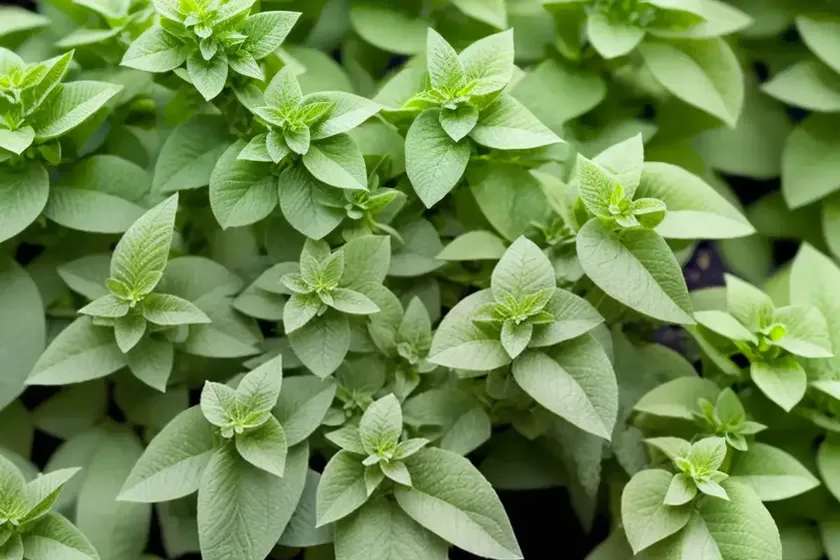
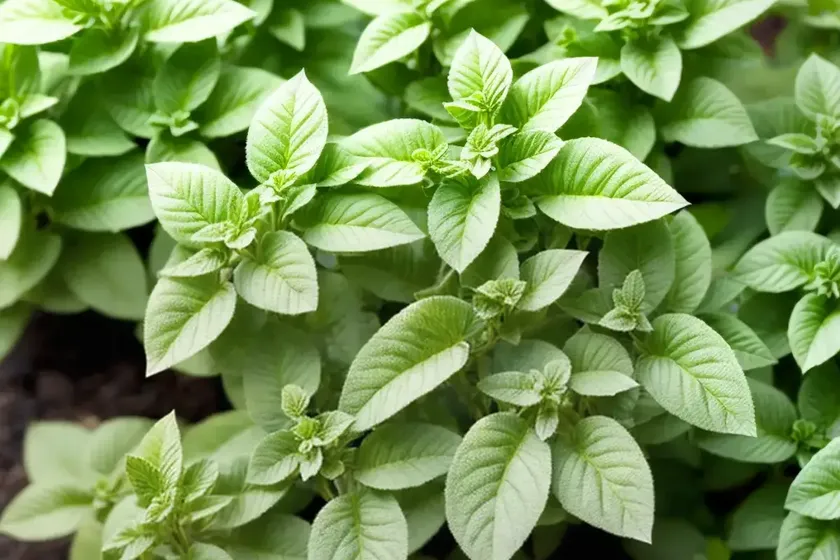
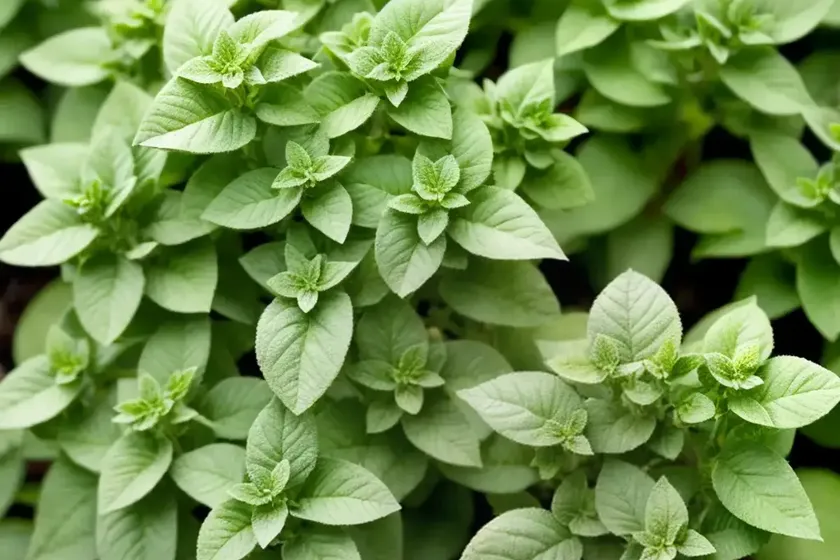
As a plant scientist, I find immense joy in exploring and understanding the characteristics, cultivation, and various uses of different plant species. In this comprehensive guide, we’ll delve into the world of Origanum syriacum ‘Cleopatra’, commonly known as Syrian Oregano. This aromatic and flavorful herb is not only a delight for culinary enthusiasts but also holds significant value in traditional medicine and folklore. Join me as we uncover the distinctive features, cultivation techniques, and diverse applications of this remarkable plant.
What is Origanum syriacum ‘Cleopatra’?
Origanum syriacum ‘Cleopatra’ is a perennial herb that belongs to the Lamiaceae family, which includes many well-known herbs such as mint, basil, and sage. This particular variety of oregano is native to the Mediterranean region and is characterized by its robust growth, vibrant leaves, and a rich, intoxicating aroma. The specific epithet “syriacum” indicates its association with the region of Syria, where it has traditionally been cultivated and used for various purposes.
Key Takeaways
Before we delve into the details of cultivating and caring for Origanum syriacum ‘Cleopatra’, let’s take a quick look at the key takeaways regarding this extraordinary plant:
-
Characteristics: Origanum syriacum ‘Cleopatra’ is known for its aromatic leaves that boast a unique blend of robust flavors, making it a sought-after herb in culinary and medicinal applications.
-
Cultivation: This herb thrives in well-drained soil and requires ample sunlight for optimal growth. It can be cultivated both outdoors in gardens and indoors in containers, offering flexibility to gardening enthusiasts.
-
Uses: The uses of Origanum syriacum ‘Cleopatra’ span across culinary delights, herbal remedies, and aromatherapy. Its versatility makes it a valuable addition to any garden or kitchen.
Now that we have an overview of what makes Syrian Oregano ‘Cleopatra’ a distinctive and valuable plant, let’s explore in detail the aspects of its cultivation, care, and utilization.
Culture
Understanding the cultural requirements of Origanum syriacum ‘Cleopatra’ is essential for successfully cultivating and maintaining this herb. Let’s explore the key cultural aspects, including water, sunlight, fertilizer, soil, and pruning, that contribute to the healthy growth of Syrian Oregano.
Water
Providing appropriate moisture levels is crucial for the well-being of Origanum syriacum ‘Cleopatra’. While this herb is relatively drought-tolerant once established, it thrives when provided with consistent moisture, especially during the active growing season. Here are some essential points to consider regarding watering:
-
Establishment: During the initial stages of growth and establishment, ensure that the plant receives adequate moisture without being waterlogged.
-
Active Growth: Throughout the active growth period, which typically spans spring to early fall, maintain moderate soil moisture levels, allowing the topsoil to dry out slightly between watering sessions.
-
Winter Care: In colder climates, reduce watering during the dormant winter months, as the plant’s water requirements diminish during this period.
Sunlight
Unsurprisingly, sunlight plays a pivotal role in the development and flavor profile of Origanum syriacum ‘Cleopatra’. As a sun-loving herb, it flourishes when exposed to abundant sunlight, which is essential for the synthesis of aromatic compounds in its leaves. Consider these points when addressing the sunlight needs of Syrian Oregano:
-
Optimal Exposure: Ensure that the plant is positioned in an area that receives at least 6 to 8 hours of direct sunlight daily, promoting robust growth and essential oil production.
-
Indoor Cultivation: If growing Origanum syriacum ‘Cleopatra’ indoors, select a well-lit window or provide supplemental grow lights to mimic the intensity of sunlight it would receive outdoors.
-
Sun Protection: While this herb loves sunlight, it’s essential to shield it from scorching afternoon sun in regions with extremely high temperatures, as prolonged exposure to intense heat can stress the plant.
Fertilizer
Proper fertilization contributes to the overall vigor and productivity of Origanum syriacum ‘Cleopatra’. However, it’s important to approach fertilization judiciously to prevent excessive foliage growth at the expense of flavor intensity. Here’s a practical approach to fertilizing Syrian Oregano:
-
Balanced Fertilizer: Use a balanced, water-soluble fertilizer with an NPK ratio of 10-10-10 or a similarly balanced organic fertilizer during the active growing season.
-
Application Frequency: Apply fertilizer every 4 to 6 weeks during the growing season, ensuring that the plant doesn’t receive an excessive concentration of nutrients that may compromise its flavor.
-
Tapering Off: As fall approaches, taper off fertilization to allow the plant to naturally transition into a state of dormancy without promoting excessive tender growth that may be vulnerable to frost damage.
Soil
The growing medium significantly influences the health and flavor profile of Origanum syriacum ‘Cleopatra’. Well-draining, nutrient-rich soil forms the foundation for robust and aromatic growth. Consider the following points when assessing the soil requirements for Syrian Oregano:
-
Composition: Opt for a well-draining potting mix or amend garden soil with organic matter such as compost to improve its drainage and nutrient content.
-
pH Level: Syrian Oregano thrives in slightly alkaline to neutral soil with a pH range of 6.5 to 7.5. Regularly test the soil pH and make necessary adjustments using appropriate soil amendments if needed.
-
Container Cultivation: When growing in containers, use a high-quality potting mix that provides adequate aeration and moisture retention, promoting healthy root development and overall plant vigor.
Pruning
Pruning serves multiple purposes when it comes to cultivating Origanum syriacum ‘Cleopatra’. It not only helps manage the plant’s growth but also encourages a bushier and more prolific habit, ultimately enhancing its flavor and appearance. Here’s a practical approach to pruning this herb:
-
Regular Maintenance: Engage in light pruning throughout the growing season to remove spent flower clusters, promote new growth, and maintain the plant’s overall shape and compactness.
-
Harvesting Pruning: Harvesting the leaves and stems for culinary or medicinal use inherently serves as a form of pruning, encouraging the plant to produce fresh growth and preventing it from becoming leggy.
-
Renewal Pruning: Perform more substantial renewal pruning in early spring to remove older wood and stimulate vigorous new growth, rejuvenating the plant and ensuring its long-term vitality.
Propagation
The ability to propagate Origanum syriacum ‘Cleopatra’ is a valuable skill that allows enthusiasts to expand their plant collection, share this herb with others, and rejuvenate existing plants. Let’s explore the techniques for propagating Syrian Oregano, including from seed and cuttings.
Seed Propagation
Growing Origanum syriacum ‘Cleopatra’ from seed can be a rewarding experience, allowing enthusiasts to witness the entire life cycle of this remarkable herb, from germination to maturity. Consider the following steps when propagating Syrian Oregano from seed:
-
Seed Selection: Acquire high-quality oregano seeds from reputable sources or save seeds from mature plants, ensuring they are viable and free from disease.
-
Germination Medium: Sow the seeds in a well-draining germination medium, lightly pressing them into the surface of the soil and covering them with a thin layer of vermiculite.
-
Moisture and Temperature: Maintain consistent moisture levels and provide a warm, consistently moist environment for germination. The ideal germination temperature for Origanum syriacum ‘Cleopatra’ is around 70 to 75°F (21 to 24°C).
-
Transplanting: Once the seedlings develop several sets of true leaves, transplant them into individual pots or a prepared garden bed, providing adequate spacing for their eventual growth.
Propagation from Cuttings
Propagating Origanum syriacum ‘Cleopatra’ from cuttings is a reliable and efficient method that allows enthusiasts to create genetically identical clones of the parent plant. Let’s explore the steps involved in propagating Syrian Oregano through this method:
-
Cutting Selection: Select healthy, non-flowering stems for propagation, choosing sections that are around 4 to 6 inches in length and free from signs of disease or pest damage.
-
Preparation: Remove the lower leaves from the cuttings, leaving only a few sets of leaves at the top. Dip the cut end in a rooting hormone to encourage the development of roots.
-
Planting: Insert the prepared cuttings into a well-draining rooting medium, ensuring that at least one or two nodes are buried below the surface. Provide bottom heat if possible to expedite root development.
-
Rooting Environment: Place the cuttings in a warm, bright location with high humidity, either under a cloche or within a propagation tray to create a conducive rooting environment.
Container Popularity
The compact size and versatility of Origanum syriacum ‘Cleopatra’ make it an excellent candidate for cultivation in containers. Whether you have limited outdoor space or simply want to elevate your indoor herb garden, growing Syrian Oregano in containers offers numerous advantages.
Benefits of Container Cultivation
-
Space Efficiency: Containers allow enthusiasts to grow Syrian Oregano in limited spaces such as balconies, patios, or windowsills, expanding the possibilities for urban and small-space gardening.
-
Portability: The mobility of containers enables gardeners to optimize growing conditions by moving the plant to sunnier or shadier locations as needed, enhancing its overall health and vigor.
-
Indoor Cultivation: Containers facilitate the growth of Origanum syriacum ‘Cleopatra’ indoors, providing a convenient and accessible source of fresh herbs for culinary and medicinal applications.
-
Aesthetic Appeal: Cultivating Syrian Oregano in containers adds a charming and functional element to outdoor living spaces and interior environments, enhancing the visual appeal of any setting.
Common Diseases
While Origanum syriacum ‘Cleopatra’ is relatively resilient, it is susceptible to certain diseases and disorders that can hinder its growth and overall health. Understanding common diseases and their respective diagnosis is essential for implementing effective preventive measures and interventions.
Disease Diagnosis
-
Powdery Mildew: This fungal disease presents as a powdery white growth on the leaves and stems of Origanum syriacum ‘Cleopatra’, potentially leading to leaf distortion and premature defoliation.
-
Root Rot: Soggy, poorly drained soil can lead to root rot in Syrian Oregano, causing the plant to exhibit wilting, yellowing foliage, and a general decline in vigor.
-
Downy Mildew: Downy mildew manifests as yellow to brownish patches on the upper surface of the leaves, often accompanied by a fuzzy, grayish growth on the undersides.
-
Botrytis Blight: Also known as gray mold, botrytis blight appears as fuzzy, gray-brown growth on the leaves and flowers, particularly in humid conditions.
Common Pests
In addition to diseases, Origanum syriacum ‘Cleopatra’ may encounter various pests that can compromise its health and productivity. Identifying and addressing common pests promptly is crucial for maintaining the well-being of Syrian Oregano.
Pest Identification and Management
-
Aphids: These small, sap-sucking insects can cluster on the tender growth of Origanum syriacum ‘Cleopatra’, causing curling leaves and overall stunted growth. Use a strong stream of water or insecticidal soap to manage aphid infestations.
-
Spider Mites: Spider mites may infest Syrian Oregano, leading to stippled, discolored foliage and the presence of fine webbing on the plant. Regularly misting the foliage and using predatory mites can help control spider mite populations.
-
Thrips: Thrips are slender insects that feed on the leaves of Origanum syriacum ‘Cleopatra’, causing silvery-gray stippling and distorted growth. Introduce natural predators such as predatory mites or use neem oil to manage thrip infestations.
-
Whiteflies: These small, white insects can rapidly multiply and infest the foliage of Syrian Oregano, leading to yellowing leaves and a general decline in plant health. Consider using yellow sticky traps or insecticidal soap to control whitefly populations.
Botanist’s Tips
As a plant scientist with a passion for herbs and botanical exploration, I’ve gathered valuable insights and tips for successfully growing and utilizing Origanum syriacum ‘Cleopatra’. These tips are rooted in both scientific understanding and practical experience, offering cherished guidance to fellow enthusiasts.
1. Enhance Aroma and Flavor
To intensify the aromatic and flavor profile of Syrian Oregano, stress the plant slightly by allowing the soil to dry out more between watering sessions. This slight stress can lead to the production of more potent essential oils, enriching the herb’s sensory attributes.
2. Harmonious Pairings
Consider interplanting Origanum syriacum ‘Cleopatra’ with other compatible herbs such as thyme, basil, and rosemary. This not only creates an aesthetically pleasing herb garden but also encourages mutualistic interactions and provides a diverse array of culinary herbs.
3. Eco-friendly Pest Management
When addressing pest issues, leverage biological control agents such as ladybugs and lacewings to maintain a balanced and sustainable ecosystem within the garden, reducing the reliance on conventional chemical pesticides.
4. Seasonal Harvesting
Timing is crucial when harvesting Syrian Oregano for culinary or medicinal purposes. Harvest the leaves and stems just before the plant blooms for the most potent flavor, aroma, and essential oil content.
Fun Facts
Exploring the fascinating world of Origanum syriacum ‘Cleopatra’ reveals intriguing aspects that add depth to our appreciation of this herb. Here are some delightful fun facts about Syrian Oregano:
-
Historical Significance: Syrian Oregano has been utilized for centuries in various cultural and culinary traditions, embodying a heritage deeply rooted in the ancient landscapes of the Mediterranean region.
-
Mythological Associations: In Greek mythology, oregano was associated with Aphrodite, the goddess of love and beauty, and symbolic of happiness and well-being, adding a layer of mystique to this beloved herb.
-
Sensory Diversity: The aroma and flavor of Origanum syriacum ‘Cleopatra’ can vary significantly based on factors such as soil composition, sun exposure, and overall environmental conditions, resulting in a fascinating spectrum of sensory experiences.
-
Aromatic Ambiance: In addition to its culinary and medicinal uses, the dried leaves of Syrian Oregano are often used in potpourri and sachets to impart a delightful fragrance to living spaces.
Links to External Resources
I acknowledge that the world of botany and horticulture is vast and dynamic, and there is always more to learn and discover. To expand your knowledge and deepen your connection with Origanum syriacum ‘Cleopatra’, I highly recommend exploring the following resources:
-
University of Florida IFAS Extension – Oregano: This comprehensive guide offers valuable insights into the cultivation, care, and culinary uses of oregano, providing a wealth of information relevant to Origanum syriacum ‘Cleopatra’.
-
Herb Society of America: The Herb Society of America provides a rich reservoir of knowledge and resources relating to the cultivation and utilization of herbs, including oregano and its diverse varieties.
-
RHS Gardening – Oregano: The Royal Horticultural Society offers expert advice on growing and caring for oregano, shedding light on the specific requirements and cultural nuances of this herb, which can be applied to Origanum syriacum ‘Cleopatra’.
In conclusion, Origanum syriacum ‘Cleopatra’, with its aromatic prowess and versatile applications, stands as a testament to the captivating allure of herbaceous plants. From its cultural significance to its invaluable contributions to culinary arts and traditional medicine, Syrian Oregano ‘Cleopatra’ embodies a legacy worth preserving and cherishing. As we continue our botanical journey, may we find joy and enrichment in nurturing and celebrating the remarkable diversity of plant life that surrounds us.
Remember to relish the simple pleasure of brushing your hand against a patch of Syrian Oregano, releasing its intoxicating fragrance and triggering a cascade of sensory delights. Happy gardening and may your adventures with Origanum syriacum ‘Cleopatra’ inspire a deeper connection with the natural world.


