Origanum ‘Rosenkuppel’ (Ornamental Oregano)
Origanum ‘Rosenkuppel’, commonly known as Ornamental Oregano, is a delightful perennial herb that belongs to the mint family, Lamiaceae. This beautiful.
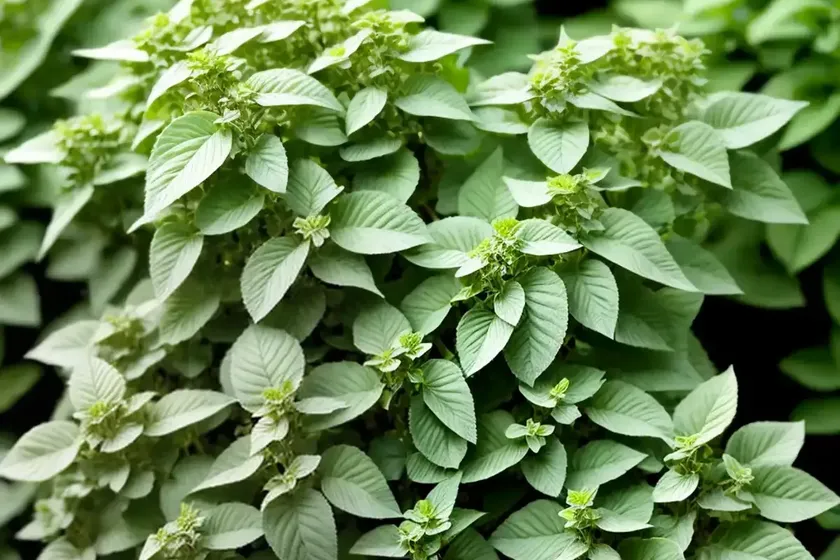
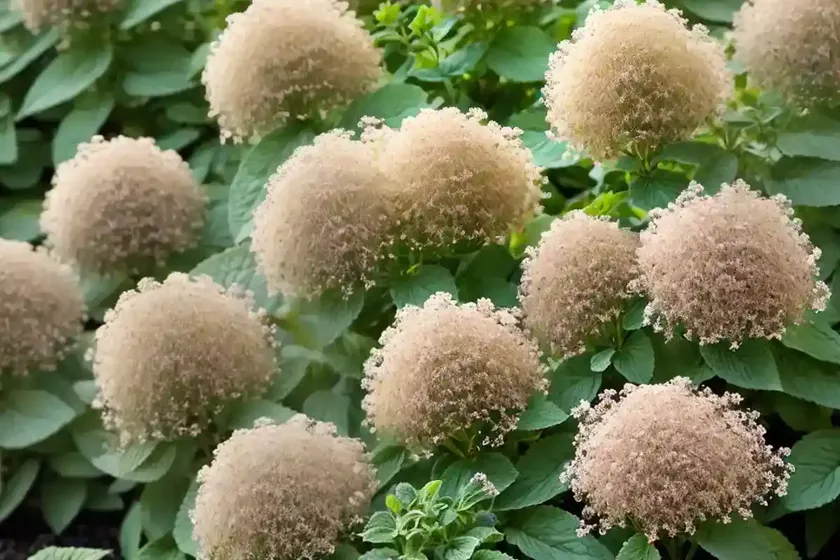
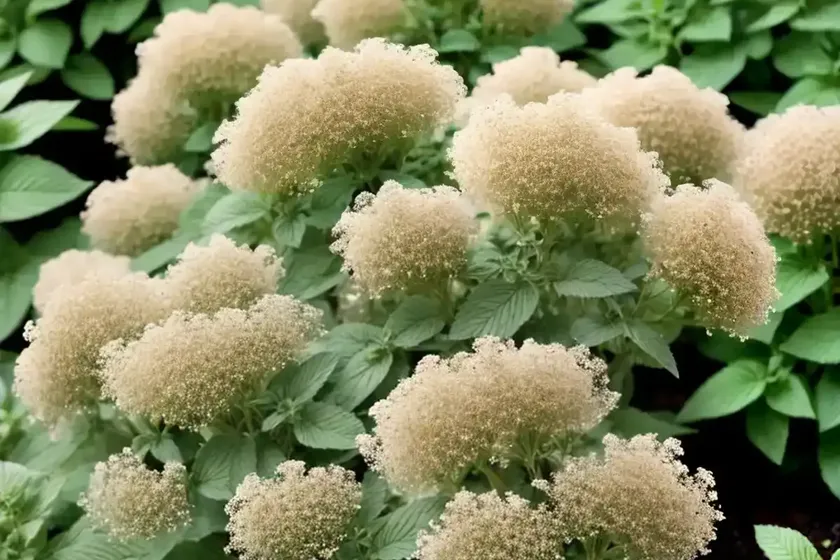
Origanum ‘Rosenkuppel’, commonly known as Ornamental Oregano, is a delightful perennial herb that belongs to the mint family, Lamiaceae. This beautiful herb is valued not only for its culinary uses but also for its ornamental appeal. With its aromatic foliage, delicate flowers, and low-maintenance nature, Origanum ‘Rosenkuppel’ is a versatile and beloved plant in gardens and landscapes. In this comprehensive guide, we will explore all aspects of cultivating and caring for Origanum ‘Rosenkuppel’, from its cultural requirements to its uses, propagation, common pests and diseases, and much more.
What is Origanum ‘Rosenkuppel’?
Origanum ‘Rosenkuppel’ is a cultivar of Origanum, a genus of herbs commonly known as oregano. This particular cultivar is renowned for its ornamental value, often grown for its attractive flowers and aromatic foliage. It is native to the Mediterranean region and has been naturalized in many parts of the world. Origanum ‘Rosenkuppel’ is a perennial herbaceous plant, meaning it lives for more than two years and regrows from its roots each spring. It typically reaches a height of 12-18 inches (30-45 cm) and spreads to form dense clumps.
This ornamental oregano is characterized by its delicate, oval-shaped leaves that are often aromatic when crushed. From mid to late summer, it produces dense clusters of tiny, tubular flowers in shades of pink, lavender, or white, which attract pollinators such as bees and butterflies. The overall appearance of Origanum ‘Rosenkuppel’ makes it a charming addition to herb gardens, mixed borders, and rock gardens.
Key Takeaways – Origanum ‘Rosenkuppel’ (Ornamental Oregano)
Before delving into the specifics of Origanum ‘Rosenkuppel’ cultivation and care, let’s highlight the key takeaways that will be covered in this guide:
-
Cultural Requirements: Understanding the environmental conditions that Origanum ‘Rosenkuppel’ thrives in, including water, sunlight, soil, and fertilizer preferences.
-
Uses: Exploring the various uses of Origanum ‘Rosenkuppel, including its culinary, medicinal, and ornamental applications.
-
Propagation: Learning about the methods for propagating Origanum ‘Rosenkuppel’, from seed sowing to division and cuttings.
-
Container Popularity: Discussing the suitability of Origanum ‘Rosenkuppel’ for container gardening and its specific container requirements.
-
Common Diseases and Pests: Identifying the potential diseases and pests that may affect Origanum ‘Rosenkuppel’ and methods for prevention and treatment.
-
Botanist’s Tips: Offering insights and recommendations from experienced botanists on the successful cultivation of Origanum ‘Rosenkuppel’.
-
Fun Facts: Sharing interesting and lesser-known facts about Origanum ‘Rosenkuppel’ that contribute to its allure and appeal.
-
Links to External Resources: Providing external references and resources for further exploration of Origanum ‘Rosenkuppel’ cultivation and care.
Let’s delve into each of these areas in detail to gain a comprehensive understanding of how to cultivate and care for Origanum ‘Rosenkuppel’ successfully.
Cultural Requirements
Understanding the environmental preferences of Origanum ‘Rosenkuppel’ is essential for providing the ideal conditions for its growth and development. This includes considerations for water, sunlight, soil, fertilizer, and pruning practices.
Water
Origanum ‘Rosenkuppel’ prefers well-drained soil and is relatively drought-tolerant once established. Overly wet or waterlogged soil may lead to root rot and other issues, so it is important to allow the soil to dry out between waterings. When watering, it is best to provide a thorough soak and then allow the top inch of soil to dry before watering again. This helps promote healthy root development and reduces the risk of water-related ailments.
Sunlight
Origanum ‘Rosenkuppel’ thrives in full sunlight, requiring at least 6-8 hours of direct sunlight per day for optimal growth and flowering. Insufficient sunlight may result in leggy growth and fewer flowers. In regions with intense summer heat, providing some afternoon shade can help protect the plant from excessive stress. However, in general, ensuring ample sunlight is crucial for the overall vigor and vitality of Origanum ‘Rosenkuppel’.
Fertilizer
This ornamental oregano does not have high fertilizer requirements and can thrive in average to poor soils. However, if the soil is particularly depleted or if the plant displays signs of nutrient deficiency, a balanced, slow-release fertilizer can be applied in spring as new growth commences. Additionally, incorporating organic matter into the soil during planting or as a top dressing can provide long-term benefits in terms of soil structure and nutrient availability.
Soil
Origanum ‘Rosenkuppel’ prefers well-drained, moderately fertile soil with a slightly alkaline to neutral pH. Sandy or loamy soils are excellent choices, as they provide the drainage and aeration that the plant requires. Improving soil drainage can be achieved by adding perlite or coarse sand when planting, particularly if the native soil is heavy and prone to waterlogging. Maintaining good soil structure is essential for the health of Origanum ‘Rosenkuppel’ and helps prevent root-related issues.
Pruning
Regular pruning is beneficial for maintaining the compact and bushy growth habit of Origanum ‘Rosenkuppel’, and it also helps promote continuous flowering. After the initial flowering period, spent flower clusters can be removed to encourage the development of new blooms and prevent the plant from setting seed. Additionally, lightly shearing the plant in early spring helps rejuvenate its growth and enhances its overall appearance. It is essential to use clean, sharp pruning tools to minimize the risk of disease transmission and to make clean cuts that promote rapid healing.
Uses
Origanum ‘Rosenkuppel’ exhibits a range of uses that contribute to its popularity in gardens and landscapes. From its culinary and medicinal applications to its ornamental value, this versatile plant offers several benefits and practical uses.
Culinary Uses
The leaves of Origanum ‘Rosenkuppel’ are aromatic and flavorful, making them a delightful addition to a variety of culinary dishes. They can be used fresh or dried and are often included in Mediterranean and Middle Eastern cuisine, adding a warm and slightly bitter taste to dishes. This ornamental oregano is particularly well-suited for flavoring meats, soups, stews, and marinades, and its aromatic oils can infuse oils and vinegars with a pleasant and distinctive flavor. When using the leaves, it is best to harvest them before the plant enters its flowering stage to capture the peak of their flavor and aroma.
Medicinal Properties
Like many members of the mint family, Origanum ‘Rosenkuppel’ possesses medicinal properties that have been used for various traditional remedies. The essential oils found in the leaves contain compounds with antimicrobial and antioxidant properties, and they have been used to alleviate digestive issues, respiratory discomfort, and as a general tonic. The leaves can be dried and used in teas, tinctures, and infused oils, offering a natural and aromatic approach to health and wellness.
Ornamental Value
Beyond its practical uses, Origanum ‘Rosenkuppel’ is highly valued for its ornamental appeal. The dense clusters of delicate flowers add a charming and vibrant presence to garden beds, borders, and container plantings. The plant’s compact growth habit and aromatic foliage make it well-suited for edging plantings, rock gardens, and herb gardens, adding texture and visual interest. Additionally, its ability to attract pollinators such as bees and butterflies contributes to the overall biodiversity and ecological balance of the garden.
Propagation
The propagation of Origanum ‘Rosenkuppel’ can be achieved through several methods, allowing gardeners to expand their plantings or share the herb with others. Understanding the various propagation techniques enables enthusiasts to multiply their stock of this delightful ornamental oregano.
Division
Dividing established clumps of Origanum ‘Rosenkuppel’ is a straightforward method of propagation that can be performed in early spring as new growth begins. To divide the plant:
- Carefully dig up the clump, ensuring that a good portion of the roots is included.
- Using a sharp knife or pruners, divide the clump into sections, each containing several stems and a healthy root system.
- Replant the divisions in prepared soil, ensuring that they are at the same soil level as they were previously and water them thoroughly.
Division promotes the rejuvenation of the plant and allows for the creation of new plantings without the need for additional seeds or cuttings.
Cuttings
Taking cuttings from Origanum ‘Rosenkuppel’ provides a means of propagating exact clones of the parent plant. Softwood cuttings can be taken in late spring or early summer when the plant is actively growing:
- Select healthy, non-flowering stems that are approximately 4-6 inches (10-15 cm) in length.
- Remove the lower leaves from the stem, leaving only a few sets of leaves at the tip.
- Dip the cut end of the stem in rooting hormone to encourage root development.
- Plant the cuttings in a well-draining rooting medium, such as perlite or vermiculite, keeping them consistently moist and providing high humidity to support root initiation.
- Once roots have developed, the cuttings can be transplanted into individual pots or directly into the garden.
Taking cuttings from Origanum ‘Rosenkuppel’ allows for the rapid establishment of new plants with desirable traits, such as flower color or growth habit.
Seed Propagation
Origanum ‘Rosenkuppel’ can also be propagated from seeds, which are produced after the plant has finished blooming. Collecting the seeds and sowing them indoors in late winter allows for the production of new plants for the following growing season. When sowing Origanum ‘Rosenkuppel’ seeds:
- Sow the seeds in a well-draining potting mix, pressing them lightly into the surface of the soil.
- Cover the pot with plastic wrap or a clear dome to maintain high humidity and place it in a warm location.
- Once the seeds have germinated and developed several sets of true leaves, they can be transplanted into individual containers or directly into the garden.
Seed propagation provides an economical means of producing a large number of plants and allows for the selection of desirable traits in the resulting progeny.
Container Popularity
Origanum ‘Rosenkuppel’ is well-suited for container gardening, offering the opportunity to enjoy its ornamental and culinary attributes in a confined space. When growing Origanum ‘Rosenkuppel’ in containers, there are certain considerations that contribute to its success and longevity in this environment.
Container Selection
Choosing the right container is crucial for the well-being of Origanum ‘Rosenkuppel’. Select a pot that is at least 12 inches (30 cm) in diameter and has sufficient drainage holes to prevent waterlogging. Terra cotta or other porous containers are beneficial, as they allow for air exchange and help prevent the soil from becoming waterlogged.
Soil and Moisture
Use a well-draining potting mix designed for container gardening, which typically contains a blend of peat moss, perlite, and vermiculite. This type of soil provides the necessary structure and aeration for Origanum ‘Rosenkuppel’ roots while holding enough moisture to sustain the plant in a confined space. Water consistently, ensuring that excess water can freely escape through the drainage holes.
Sunlight and Location
Place the container in a location that receives at least 6-8 hours of direct sunlight per day. In hot climates, providing some shade during the hottest part of the day helps prevent heat stress. If growing Origanum ‘Rosenkuppel’ indoors, place the container near a south- or west-facing window to maximize sunlight exposure.
Maintenance
Regularly assess the soil moisture and water as needed, particularly during the warmer months when containerized plants may dry out more swiftly. Additionally, apply a balanced, slow-release fertilizer in spring and midsummer to replenish the nutrients that are depleted over time. Apply the fertilizer according to the manufacturer’s instructions, taking care not to over-fertilize, which can lead to excessive foliage growth at the expense of flower production.
Overwintering
In regions where temperatures drop below the plant’s hardiness range, overwintering containerized Origanum ‘Rosenkuppel’ can be done by moving the container indoors to a cool, bright location. Reduce watering during the winter months, allowing the soil to dry out more between waterings to accommodate the plant’s reduced growth and metabolic rate.
Growing Origanum ‘Rosenkuppel’ in containers provides flexibility and versatility, allowing it to be enjoyed in various settings such as patios, balconies, and indoor gardens.
Common Diseases and Pests
While Origanum ‘Rosenkuppel’ is generally a resilient and low-maintenance plant, it may still be susceptible to certain diseases and pests. Recognizing the signs of these issues and implementing appropriate management strategies is essential for maintaining the health and vigor of the plant.
Disease Diagnosis
Origanum ‘Rosenkuppel’ may be prone to certain fungal diseases, particularly in environments with high humidity or poor air circulation. Common diseases that may affect this herb include:
-
Powdery Mildew: This fungal disease presents as a white, powdery coating on the leaves and stems, leading to stunted growth and reduced plant vigor. Improving air circulation, avoiding overhead watering, and applying fungicidal treatments can help manage powdery mildew.
-
Root Rot: Excessively wet or waterlogged soil can lead to root rot, causing the plant to wilt and exhibit overall decline. Addressing soil drainage issues and reducing watering frequency can help prevent and manage root rot.
Common Pests
Origanum ‘Rosenkuppel’ may attract several pests that can impact its growth and appearance. Common pests to watch for include:
-
Aphids: These small, sap-sucking insects can cluster on the tender new growth of Origanum ‘Rosenkuppel’, causing yellowing and distorted leaves. A strong blast of water or the application of insecticidal soap can help control aphid infestations.
-
Spider Mites: Spider mites are tiny arachnids that feed on plant juices, leading to stippled and discolored foliage. Increasing humidity and applying horticultural oils can help manage spider mite populations and prevent their spread.
Botanist’s Tips
To enhance the successful cultivation and care of Origanum ‘Rosenkuppel’, the following tips from seasoned botanists and experienced gardeners should be taken into consideration:
-
Companion Planting: Pair Origanum ‘Rosenkuppel’ with other sun-loving, drought-tolerant herbs and perennials such as lavender, thyme, and sedum to create a harmonious and visually appealing planting scheme that attracts beneficial insects and pollinators.
-
Harvesting Practices: Harvest the leaves of Origanum ‘Rosenkuppel’ in the morning when the aromatic oils are at their peak. Avoid taking more than one-third of the plant’s foliage at a time to allow for regrowth and sustained productivity.
-
Winter Care: In colder climates, provide a protective mulch layer around the base of Origanum ‘Rosenkuppel’ in late fall to help insulate the roots and protect them from extreme temperature fluctuations.
-
Attracting Pollinators: Incorporate Origanum ‘Rosenkuppel’ into pollinator-friendly gardens and landscapes to support bees, butterflies, and other beneficial insects, contributing to overall garden health and ecosystem balance.
Fun Facts
To further appreciate the allure and uniqueness of Origanum ‘Rosenkuppel’, consider the following fun facts about this charming ornamental oregano:
- Origanum ‘Rosenkuppel’ is not only appealing to humans but also attracts a variety of pollinators, making it an ecologically beneficial addition to garden spaces.
- The aromatic oils found in the leaves of Origanum ‘Rosenkuppel’ have been historically used in herbal preparations, fragrances, and even in traditional rituals and ceremonies.
- Some cultivars of Origanum ‘Rosenkuppel’ exhibit different flower colors, ranging from pale pink to deep purple, offering options for diverse garden color schemes.
- In addition to its culinary and ornamental uses, Origanum ‘Rosenkuppel’ has been featured in folklore and cultural traditions, symbolizing themes of love, luck, and protection in various societies.
Links to External Resources
For additional information, resources, and inspiration related to Origanum ‘Rosenkuppel’ cultivation and care, consider exploring the following external references:
- Royal Horticultural Society – Origanum ‘Rosenkuppel’
- University of Maryland Extension – Herbs: Oregano
- Missouri Botanical Garden – Origanum laevigatum
- Perennial Resource – Origanum ‘Rosenkuppel’
These resources offer valuable insights, expert guidance, and practical advice for anyone interested in the successful cultivation and enjoyment of Origanum ‘Rosenkuppel’ in their gardens.
In conclusion, Origanum ‘Rosenkuppel’, or Ornamental Oregano, is a delightful and versatile herb that adds aesthetic and functional value to gardens and landscapes. By understanding its cultural requirements, uses, propagation methods, and potential challenges, gardeners can effectively cultivate and care for this charming ornamental oregano, creating beautifully fragrant and visually appealing spaces to enjoy. Whether used for its culinary contributions, medicinal properties, or purely for its ornamental allure, Origanum ‘Rosenkuppel’ remains a beloved and valuable addition to diverse gardening endeavors.
The delightful combination of culinary versatile and ornamental beauty make Origanum ’Rosenkuppel’ a valuable addition to any garden or landscape. Whether its aromatic foliage is used to enhance culinary delights, its blooms attract pollinators, or it serves as a charming, low-maintenance ornamental plant, Origanum ’Rosenkuppel’ brings a unique appeal and multifaceted utility to garden spaces. Understanding its cultural preferences, propagation methods, and ways to enhance its growth and resilience are essential for fostering healthy and flourishing specimens in garden settings. Embracing the versatility and practicality of Origanum ’Rosenkuppel


