Origanum ‘Buckland’ (Ornamental Oregano)
Ornamental oregano, scientifically known as Origanum ‘Buckland,’ is a stunning and versatile plant that can be a vibrant addition to any garden or.
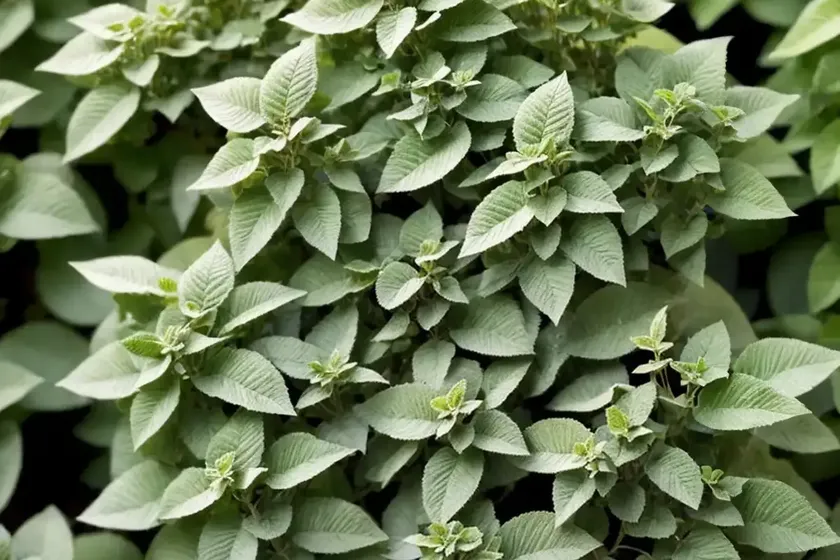
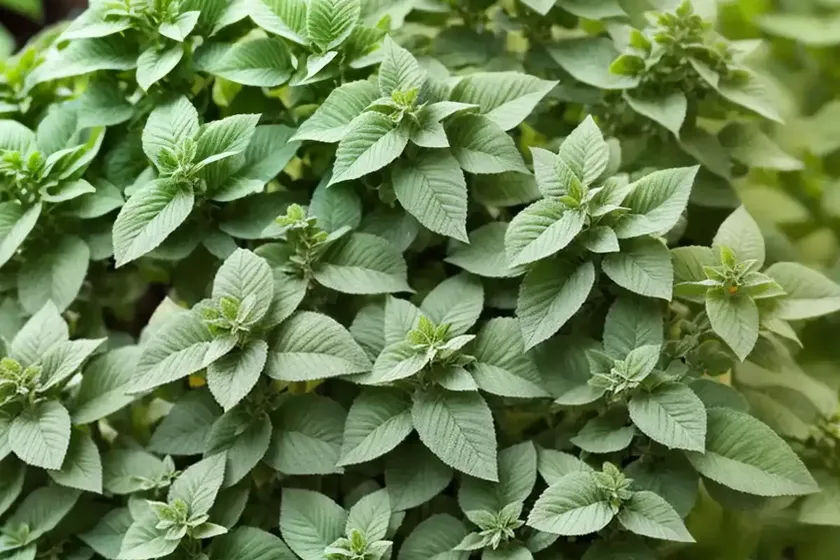
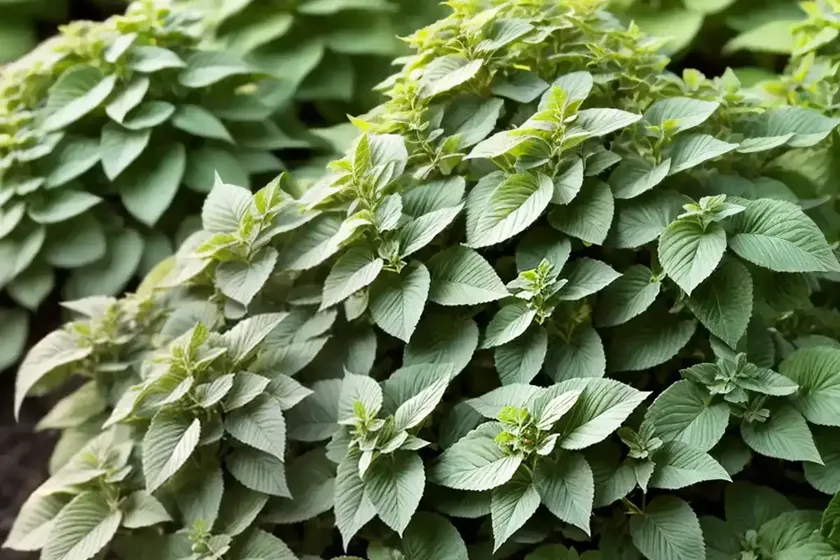
Ornamental oregano, scientifically known as Origanum ‘Buckland,’ is a stunning and versatile plant that can be a vibrant addition to any garden or landscape. In this comprehensive guide, we will delve into the various facets of this delightful herb, including its culture, uses, care requirements, and much more. Whether you are a seasoned horticulturist or a novice plant enthusiast, this article aims to equip you with all the knowledge needed to successfully cultivate and enjoy the beauty and benefits of Origanum ‘Buckland’.
What is Origanum ‘Buckland’?
Origanum ‘Buckland’ is a cultivar of ornamental oregano that belongs to the Lamiaceae family, commonly known as the mint family. This herbaceous perennial plant is characterized by its profusion of small, tubular, pink flowers that form eye-catching clusters atop sturdy, upright stems. The aromatic foliage adds to its appeal, exuding a delightful fragrance that enhances its ornamental value.
Key Takeaways – Origanum ‘Buckland’ (Ornamental Oregano)
Before we delve into the details of the culture, uses, and care of Origanum ‘Buckland,’ let’s take a quick look at the key takeaways of this fascinating plant:
- Plant Name: Origanum ‘Buckland’ (Ornamental Oregano)
- Family: Lamiaceae
- Flower Color: Pink
- Foliage: Aromatic, green
- Growth Habit: Upright, clump-forming
- Uses: Ornamental, culinary, medicinal
- Hardiness Zone: 5-10
- Height: 12-18 inches
- Spread: 12-24 inches
Now, let’s explore the various aspects of growing and caring for Origanum ‘Buckland’ to ensure its optimal development and performance.
Culture
Water
Origanum ‘Buckland’ thrives in soil that is moderately moist and well-draining. It is essential to maintain consistent soil moisture during the plant’s establishment phase and throughout its growth period. However, it is crucial to avoid waterlogging, as excessive moisture can lead to root rot and other fungal diseases. Once established, ornamental oregano exhibits good drought tolerance and can withstand short periods of dryness.
Sunlight
This ornamental oregano variety flourishes in full sun, defined as at least 6 hours of direct sunlight per day. Adequate exposure to sunlight is vital for promoting robust growth and enhancing the production of its delightful pink flowers. In regions with scorching summers, providing some protection from intense midday sun may be beneficial.
Fertilizer
Origanum ‘Buckland’ generally does not have high fertilizer requirements and can thrive in moderately fertile soil. However, a light application of balanced, slow-release fertilizer in the spring can support healthy growth and vigor. It is advisable to refrain from over-fertilizing, as this can lead to excessive foliage at the expense of flower production.
Soil
This ornamental oregano variety prefers well-draining, slightly alkaline to neutral soil. A loamy or sandy soil type enriched with organic matter can provide an optimal growing medium for Origanum ‘Buckland.’ Additionally, ensuring good soil aeration and avoiding compacted soil will contribute to the plant’s overall health and vitality.
Pruning
Pruning plays a crucial role in maintaining the compact and tidy appearance of Origanum ‘Buckland.’ Regular deadheading, which involves the removal of spent flowers, not only encourages prolonged blooming but also prevents self-seeding and helps channel the plant’s energy into further flower production. Additionally, light pruning in early spring can promote bushier growth and a more robust floral display.
Propagation
Origanum ‘Buckland’ can be propagated through several methods, including division, stem cuttings, and seed sowing.
Division
Dividing established clumps of ornamental oregano every 2-3 years during the early spring can help rejuvenate the plant and promote healthy growth. When dividing, ensure that each new division has a healthy root system and several vigorous shoots to support its establishment.
Stem Cuttings
Using stem cuttings is an effective means of propagating Origanum ‘Buckland.’ Select non-flowering stems and take cuttings of around 3-4 inches in length. Remove the lower leaves, dip the cut ends in a rooting hormone, and plant them in a well-draining, sterile growing medium. Keep the cuttings consistently moist and provide them with bright, indirect light until they root and establish.
Seed Sowing
Origanum ‘Buckland’ can be propagated from seeds, which should be sown indoors several weeks before the last frost date in spring. Sow the seeds in a well-draining seed-starting mix, cover them lightly, and maintain a consistent level of moisture until germination occurs. Once the seedlings develop several sets of true leaves, they can be transplanted into individual pots or directly into the garden.
Container Popularity
The compact growth habit and ornamental appeal of Origanum ‘Buckland’ make it a popular choice for container gardening. Whether grown in standalone pots or incorporated into mixed container arrangements, this ornamental oregano variety adds a charming touch to patios, balconies, and outdoor living spaces. Additionally, container cultivation allows for greater control over the growing conditions, making it particularly advantageous for gardeners with limited space or those seeking to create mobile displays of color and fragrance.
Container Care
When growing Origanum ‘Buckland’ in containers, it is essential to use a well-draining potting mix to prevent waterlogging and ensure proper aeration for the roots. Select containers with drainage holes to allow excess water to escape, and water the plant thoroughly whenever the top inch of the soil becomes dry. During the growing season, regular monitoring of soil moisture and occasional fertilization can support healthy growth and abundant flowering.
Common Diseases
Origanum ‘Buckland’ is relatively resistant to most diseases when provided with suitable growing conditions and proper care. However, like many ornamental plants, it can be susceptible to certain issues such as powdery mildew and root rot.
Disease Diagnosis
Powdery Mildew
Powdery mildew is a fungal disease that often appears as a white, powdery coating on the foliage of affected plants. It thrives in high humidity and can hinder the plant’s growth and overall appearance. To mitigate powdery mildew, it is crucial to promote good air circulation around the plant, avoid overhead watering, and, if necessary, apply appropriate fungicidal treatments to manage the disease.
Root Rot
Root rot, caused by waterlogged or poorly draining soil, can lead to the decay of the plant’s root system, subsequently affecting its overall health. Symptoms may include wilting, yellowing foliage, and stunted growth. To prevent root rot, ensure that the planting medium is well-draining, and water the plant judiciously, allowing the soil to dry out slightly between waterings.
Common Pests
Origanum ‘Buckland’ is generally resistant to most insect pests, but it may occasionally encounter issues with aphids, spider mites, and whiteflies.
Pest Management
Aphids
Aphids are small, soft-bodied insects that typically congregate on the tender shoot tips and undersides of leaves, where they suck plant sap and excrete a sticky substance known as honeydew. Regularly inspecting the plant for signs of aphid infestation and using insecticidal soap or a strong stream of water to dislodge them can help control the population.
Spider Mites
Spider mites are tiny arachnids that feed on plant sap, often causing stippled or bronzed foliage in the process. They are more commonly observed under hot and dry conditions. Using horticultural oil or insecticidal soap and ensuring adequate humidity levels can aid in managing and preventing spider mite infestations.
Whiteflies
Whiteflies are small, moth-like insects that congregate on the undersides of leaves, where they feed and lay eggs. They can cause stunted growth and weaken the plant if present in large numbers. Regularly inspecting the plant, using yellow sticky traps, and employing insecticidal treatments can help keep whitefly populations in check.
Botanist’s Tips
As a plant scientist, I always emphasize the importance of understanding the unique characteristics and requirements of each plant species. When it comes to Origanum ‘Buckland’ and other ornamental oregano varieties, here are some valuable tips to consider:
-
Companion Planting: Ornamental oregano, including Origanum ‘Buckland,’ has a charming allure that makes it an ideal companion for a variety of flowering perennials, herbs, and ornamental grasses. Consider pairing it with lavender, salvia, catmint, and other pollinator-attracting plants to create visually appealing and ecologically beneficial garden compositions.
-
Medicinal Uses: Beyond its ornamental value, ornamental oregano has been historically recognized for its medicinal properties. The leaves contain essential oils with antibacterial and antifungal properties, making them a valuable addition to herbal remedies and natural healthcare preparations.
-
Wildlife-Friendly: Ornamental oregano species, including Origanum ‘Buckland,’ are known to attract pollinators such as bees, butterflies, and beneficial insects to the garden. By incorporating these plants into your landscape, you can contribute to supporting local biodiversity and fostering a thriving ecosystem.
Fun Facts
-
The genus name Origanum is derived from the Greek words “oros” and “ganos,” which collectively mean “joy of the mountain,” a nod to the plant’s natural habitat and the delight it brings to gardeners and wildlife alike.
-
Origanum ‘Buckland’ and other ornamental oregano varieties are commonly used in traditional crafts such as wreath-making, where their colorful bracts and long-lasting flowers add a charming touch to decorative arrangements.
-
Oregano has been valued for centuries for its culinary uses, adding a distinctive flavor to various dishes, especially those of Mediterranean and Middle Eastern origin.
Links to External Resources
For further information on Origanum ‘Buckland’ (Ornamental Oregano) and related topics, I recommend exploring the following reputable resources:
-
University of Florida IFAS Extension – Ornamental Oregano Varieties
-
American Society for Horticultural Science – Medicinal Uses of Origanum Species
-
National Garden Bureau – Companion Planting with Ornamental Oregano
By referencing these resources, you can access a wealth of knowledge and expertise in the realms of ornamental horticulture, herbalism, and ecological gardening practices.
In conclusion, Origanum ‘Buckland’ (Ornamental Oregano) stands as a stellar example of a multifaceted plant with ornamental, culinary, and ecological significance. Through the insights shared in this guide, I hope to inspire a deeper appreciation for this exceptional herb and equip fellow plant enthusiasts with the tools and insights needed to cultivate it successfully in their own gardens and landscapes.
Remember, the journey of learning and exploring the world of plants is an ongoing and rewarding endeavor, filled with boundless opportunities for discovery and delight. Happy gardening!
This comprehensive guide to Origanum ‘Buckland’ (Ornamental Oregano) has been carefully crafted by a passionate plant scientist to celebrate the beauty and benefits of this remarkable herb.


