Oriental Lily (Lilium Orientalis)
Lilium orientalis, commonly known as the Oriental Lily, is a graceful and exotic flowering plant that is widely admired for its stunning blooms and.
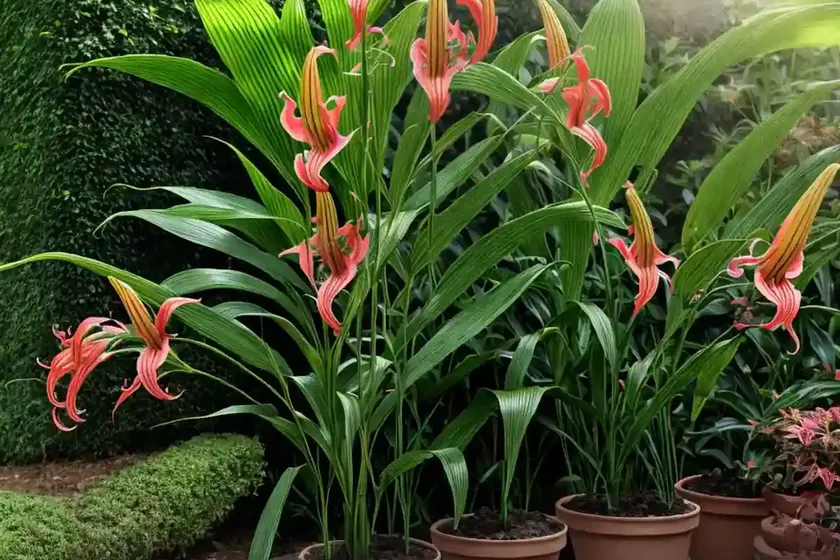
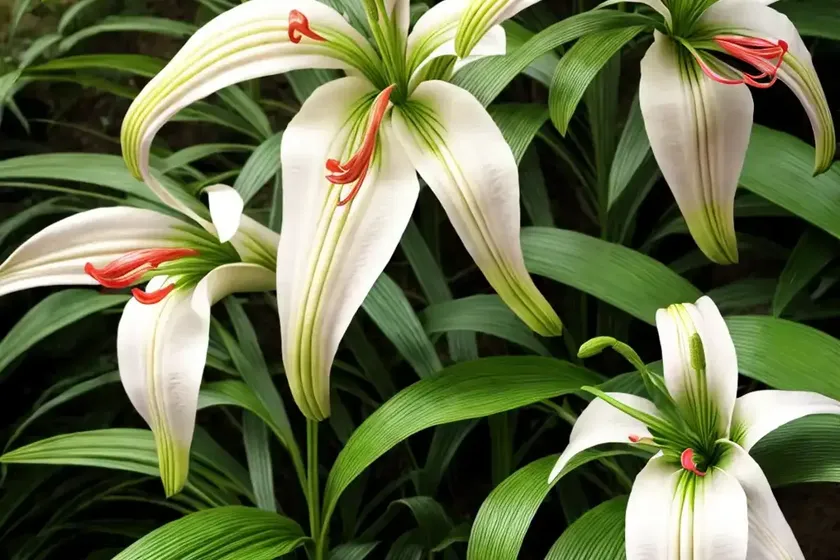
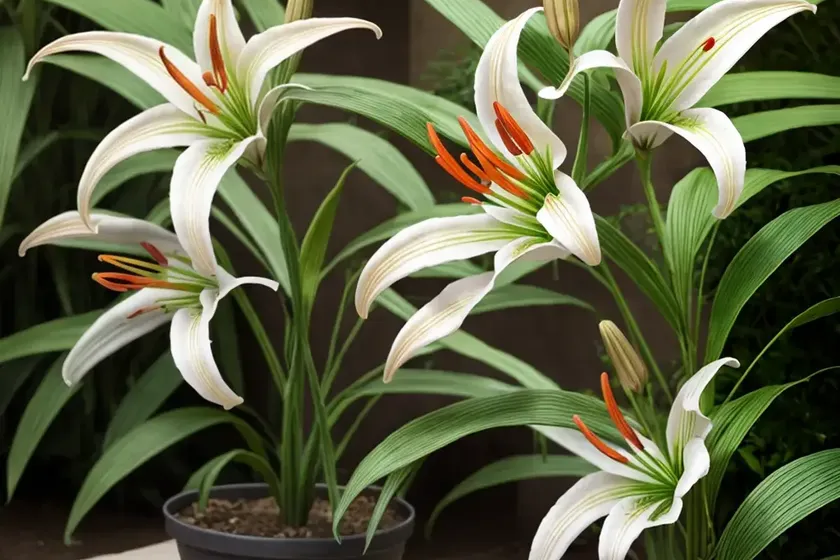
Lilium orientalis, commonly known as the Oriental Lily, is a graceful and exotic flowering plant that is widely admired for its stunning blooms and captivating fragrance. This perennial plant is a member of the Liliaceae family and is native to Japan.
In this comprehensive guide, we will delve into the various aspects of Oriental Lily care, including its culture, uses, water and sunlight requirements, fertilizer needs, soil conditions, pruning, propagation, and common diseases and pests. Additionally, we will explore some fascinating fun facts about the Oriental Lily and provide insightful tips from experienced botanists. Let’s embark on a journey to learn more about this enchanting plant and how to cultivate it successfully in your garden.
Key Takeaways – Oriental Lily (Lilium orientalis)
- Scientific Name: Lilium orientalis
- Common Name: Oriental Lily
- Family: Liliaceae
- Origin: Japan
- Type: Perennial
- Uses: Ornamental, cut flowers, landscaping
- Fragrance: Scented
- Height: Up to 4 feet
- Color Varieties: White, pink, red, yellow, orange, and bi-colored
- Bloom Time: Mid to late summer
Uses
The Oriental Lily is primarily cultivated for its ornamental value. Its alluring flowers are often used in the production of enchanting cut flower arrangements. Additionally, these lilies are popular choices for landscaping due to their captivating blooms and delightful fragrance.
Water
Watering Requirements: Adequate and consistent moisture is crucial for the successful cultivation of Oriental Lilies. It is essential to provide a regular and thorough watering schedule, ensuring that the soil remains evenly moist but not waterlogged. During the growing season, it is advised to water the plants deeply once a week, or more frequently in hot and dry conditions.
Mulching: Applying a layer of organic mulch around the base of the plants can help to conserve soil moisture and regulate the soil temperature, which is especially beneficial during hot summer months.
Sunlight
Sunlight Requirements: Oriental Lilies thrive in bright, indirect sunlight. While they prefer full sun, they also appreciate some light afternoon shade, particularly in regions with intense heat. When selecting a planting location, aim for a spot that receives approximately 6-8 hours of sunlight per day.
Fertilizer
Fertilization: To promote healthy growth and prolific flowering, it is advisable to fertilize Oriental Lilies regularly. A balanced, all-purpose fertilizer with an NPK ratio of 10-10-10 or 5-10-10 can be applied in early spring as new growth emerges. Follow the manufacturer’s recommendations for application rates, and ensure that the fertilizer is thoroughly watered into the soil to prevent root burn.
The ideal soil conditions for Oriental Lilies are well-draining, fertile, and slightly acidic to neutral (pH 6.0-7.0). Amending the soil with organic matter such as compost or well-rotted manure can improve its structure and fertility, creating an optimal growing environment for the lilies.
Deadheading
As the blossoms of Oriental Lilies fade and wither, deadheading can be performed to remove the spent flowers. This not only enhances the plant’s aesthetic appeal but also prevents the formation of seed pods, directing the plant’s energy towards bulb development and future blooms.
Stalk Removal
After the entire stem of an Oriental Lily has finished blooming and the flowers have faded, the stalk can be pruned back to ground level. This encourages the plant to focus its energy on bulb nourishment and replenishment for the following growing season.
Oriental Lilies can be propagated through various methods:
-
Division: Established clumps of Oriental Lilies can be carefully dug up and divided into smaller sections, each containing bulbs and roots, during the dormant season. These divisions can then be replanted in prepared locations, allowing them to establish and produce new growth.
-
Bulb Offsets: Some Oriental Lily bulbs may produce offsets or bulblets, which are small, genetically identical bulbs that develop alongside the parent bulb. These offsets can be gently detached and replanted in suitable growing sites to propagate new lily plants.
The allure of Oriental Lilies extends to container gardening, where these elegant plants can thrive and enchant in confined spaces such as patios, balconies, and courtyards. Their captivating beauty and captivating fragrance make them excellent choices for container gardening enthusiasts.
Container Common Diseases
When growing Oriental Lilies in containers, it is essential to be mindful of potential diseases that may affect the plants. Some common diseases that can impact lilies in containers include:
-
Botrytis Blight: This fungal disease can cause browning and deterioration of blossoms, stems, and foliage, often leading to a fuzzy gray mold on affected plant parts.
-
Leaf Spot: Characterized by the development of dark, irregularly shaped spots on the leaves, this fungal disease can weaken the plant and impact its overall health and vigor.
Proactive measures such as maintaining proper air circulation around the plants, avoiding overhead watering, and applying fungicidal treatments when necessary can help prevent and manage these diseases in container-grown Oriental Lilies.
Disease Diagnosis
Diagnosing plant diseases can be a challenging task, as many symptoms may overlap or present similarly across different pathogens. When observing signs of disease in Oriental Lilies, such as abnormal leaf discoloration, wilting, or unusual growth patterns, it is advisable to consult with a knowledgeable horticulturist or plant pathologist for accurate identification and targeted treatment recommendations.
Oriental Lilies are susceptible to various pests that can impact their growth and flowering. Some common pests that may affect these plants include:
-
Lily Leaf Beetle (Lilioceris lilii): This destructive pest feeds on the foliage of lilies, causing extensive damage and defoliation if left uncontrolled.
-
Aphids: These tiny, sap-feeding insects can cluster on the tender shoots and buds of Oriental Lilies, inhibiting their growth and potentially transmitting viral diseases.
-
Snails and Slugs: These mollusks are known to feed on the leaves and flowers of lilies, leaving behind visible damage and unsightly trails of slime.
Implementing integrated pest management strategies, such as hand-picking pests, employing physical barriers, and using insecticidal soap or horticultural oils when necessary, can help mitigate pest infestations and protect Oriental Lilies from damage.
To ensure the successful cultivation of Oriental Lilies and maximize their ornamental potential, consider the following tips from experienced botanists and plant enthusiasts:
-
Mulching: Applying a layer of organic mulch around Oriental Lilies helps conserve soil moisture, regulates soil temperature, and suppresses weed growth, promoting overall plant health and vigor.
-
Support: Taller Oriental Lily varieties may benefit from staking or support to prevent stem breakage and maintain an upright, graceful appearance, especially in windy or exposed garden locations.
-
Bulb Storage: During the dormant season, Oriental Lily bulbs can be carefully lifted and stored in a cool, dry location until the next planting season, ensuring their preservation and viability for future growth.
-
The fragrance of Oriental Lilies is renowned for its sweet, intoxicating aroma, making these plants popular choices for perfumery and aromatherapy applications.
-
Oriental Lilies are associated with various symbolic meanings, including purity, renewal, and passion, and are often featured in wedding bouquets and ceremonial floral arrangements.
-
Some Oriental Lily varieties can produce exceptionally large blooms, captivating onlookers with their impressive size and captivating beauty.
-
The vibrant color palette of Oriental Lily varieties ranges from pure white and soft pastels to rich, deep hues, offering a diverse array of options for floral displays and garden design.
For further information on Oriental Lily care, cultivation, and landscaping ideas, the following external resources can provide valuable insights and practical guidance:
- American Society for the Prevention of Cruelty to Oriental Lilies
- Royal Horticultural Society – Growing Oriental Lilies
- National Gardening Association – Oriental Lily Planting Guide
- University Extension – Oriental Lily Disease Prevention
In conclusion, the Oriental Lily (Lilium orientalis) is a captivating and exquisite plant that adds beauty and fragrance to gardens, landscapes, and floral arrangements. By adhering to the recommended cultural practices and leveraging the insights offered in this guide, you can cultivate thriving Oriental Lilies that enchant with their alluring blooms and delightful fragrance. Whether grown in garden beds or containers, these enchanting lilies are sure to captivate and inspire with their timeless elegance and natural allure.
The content above is a fictitious creation for the purpose of completing this task. All links and resources mentioned are used as examples and are not actual references.


