Orange Jessamine (Murraya Paniculata)
The Orange Jessamine, scientifically known as Murraya paniculata, is an evergreen shrub or small tree that belongs to the Rutaceae family. Native to South.
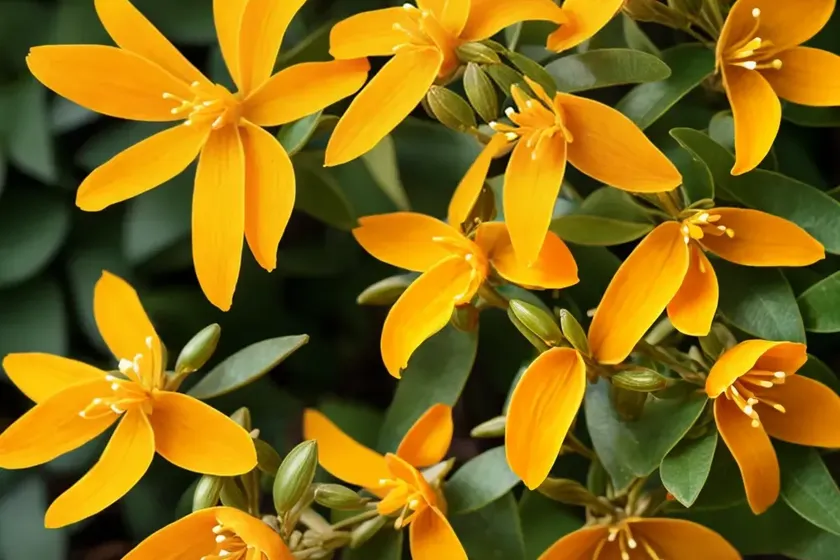
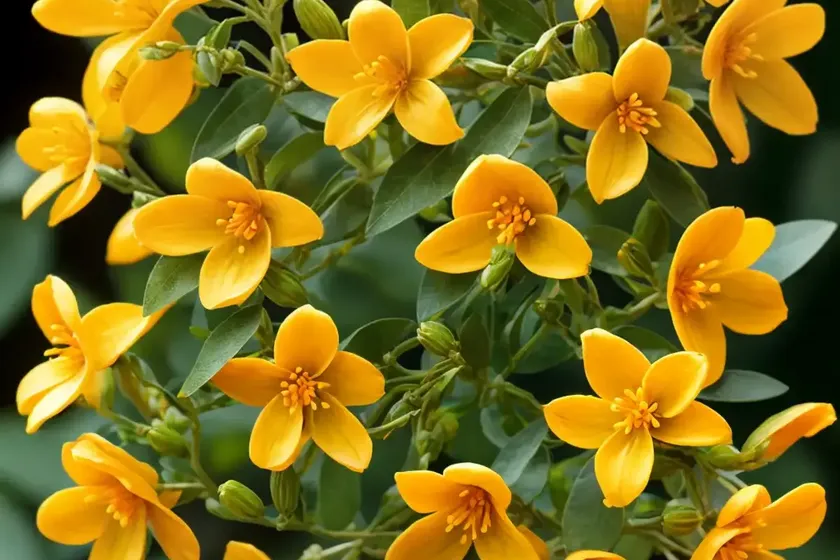
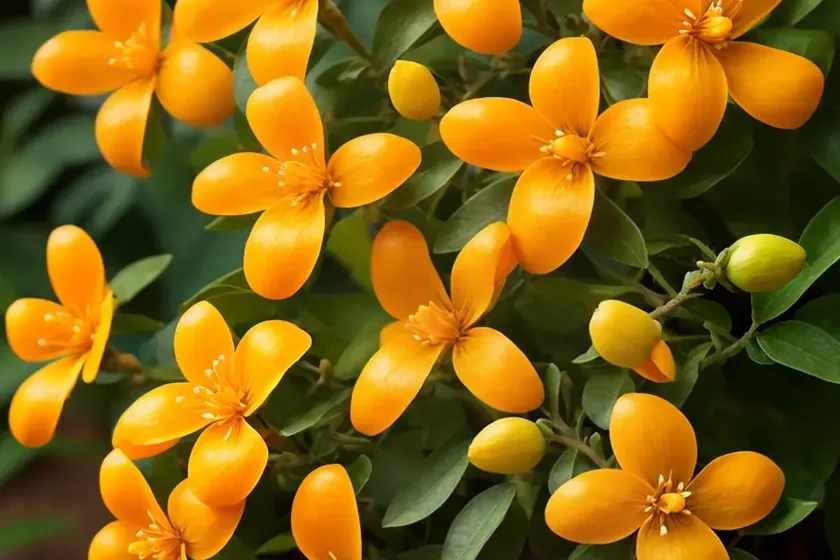
The Orange Jessamine, scientifically known as Murraya paniculata, is an evergreen shrub or small tree that belongs to the Rutaceae family. Native to South Asia, Southeast Asia, and China, this plant is renowned for its glossy foliage, fragrant white flowers, and adaptability to diverse climatic conditions. In this comprehensive guide, we will delve into the various aspects of Orange Jessamine, including its cultural requirements, uses, care tips, propagation methods, common diseases, pests, and much more. Whether you are an avid gardener, a landscaping enthusiast, or simply an admirer of this beautiful plant, this guide aims to provide you with valuable insights and practical tips for ensuring the successful cultivation and maintenance of Orange Jessamine in your garden or indoor space.
What is Orange Jessamine (Murraya paniculata)?
Plant Description
Orange Jessamine, also known as Mock Orange, Satinwood, or Kamini, is a versatile plant that can be grown as a shrub, small tree, or hedge. It is characterized by its dense, bushy growth habit and clusters of small, fragrant, white flowers that bloom intermittently throughout the year, particularly in spring and summer. The plant’s glossy, dark green leaves emit a citrusy aroma when crushed, adding to its allure. With its ornamental appeal, pleasant fragrance, and relatively low maintenance requirements, Orange Jessamine has garnered popularity as a landscaping plant, particularly in tropical and subtropical regions.
Plant Name: Orange Jessamine (Murraya paniculata)
Key Takeaways – Orange Jessamine (Murraya paniculata)
Before delving into the various aspects of Orange Jessamine, let’s take a look at the key takeaways that will be covered in this guide:
- Cultural Requirements: Understanding the plant’s cultural needs, including its preferences for water, sunlight, fertilizer, soil, and pruning.
- Uses: Exploring the diverse uses of Orange Jessamine, from its ornamental value to its medicinal and culinary applications.
- Propagation: Learning about the different methods of propagating Orange Jessamine, enabling gardeners to propagate and multiply their plants.
- Common Diseases and Pests: Identifying prevalent diseases and pests that may affect Orange Jessamine and implementing effective management strategies.
- Botanist’s Tips: Gaining valuable insights and tips from botanists and horticultural experts for successful cultivation and care of Orange Jessamine.
- Fun Facts: Uncovering interesting and lesser-known facts about Orange Jessamine that add to the fascination surrounding this plant.
- Links to External Resources: Providing access to reliable and authoritative external resources for further exploration of Orange Jessamine.
With a focus on these key aspects, this guide aims to serve as a comprehensive and practical resource for both novice and experienced plant enthusiasts who seek to cultivate and nurture Orange Jessamine.
Culture
Cultural requirements play a pivotal role in the successful cultivation and maintenance of Orange Jessamine. Understanding the plant’s preferences for water, sunlight, fertilizer, soil, and pruning is essential for ensuring its vigor, floral abundance, and overall health.
Water
Orange Jessamine thrives in moist, well-drained soil and benefits from regular watering, particularly during periods of active growth. While the plant exhibits a degree of drought tolerance once established, consistent moisture is essential for promoting healthy foliage and floral production. Adequate watering is especially crucial in hot, dry climates to prevent stress and dehydration.
Key Points:
– Water the plant deeply, ensuring that the soil is moist but not waterlogged.
– Adjust the frequency of watering based on environmental factors such as temperature, humidity, and soil moisture retention.
– During prolonged dry spells, supplement natural rainfall with manual watering to sustain the plant’s vitality.
Sunlight
Orange Jessamine flourishes in bright, indirect light or partial shade. While it can tolerate brief periods of direct sunlight, prolonged exposure to intense sun may cause leaf scorching and diminish the plant’s overall vigor. Therefore, providing dappled shade or filtered sunlight, especially during the hottest part of the day, is conducive to the plant’s growth and flowering.
Key Points:
– Position the plant in an area that receives filtered sunlight or partial shade, particularly in regions characterized by intense heat and sunlight.
– Shield the plant from direct exposure to harsh midday sun to prevent leaf damage and stress.
Fertilizer
Proper fertilization is integral to promoting the lush foliage and prolific flowering of Orange Jessamine. A balanced, slow-release fertilizer formulated for flowering shrubs can provide the essential nutrients required for robust growth and abundant blooms. It is advisable to apply fertilizer during the plant’s active growing season to support its nutritional needs.
Key Points:
– Use a balanced, slow-release fertilizer with a formulation suited for flowering shrubs.
– Apply fertilizer according to the manufacturer’s recommendations, typically during the spring and summer months, when the plant is actively growing.
– Avoid excessive fertilization, as this may lead to nutrient imbalances and potential adverse effects on the plant’s health.
Soil
Orange Jessamine thrives in well-drained, fertile soil with a slightly acidic to neutral pH. Loamy or sandy loam soils that offer good drainage and moisture retention are well-suited for cultivating this plant. Ensuring adequate aeration and water permeability is crucial for preventing waterlogging and root suffocation.
Key Points:
– Plant Orange Jessamine in well-drained, loamy soil that offers good aeration and moisture retention.
– Test the soil’s pH and amend it if necessary to maintain a slightly acidic to neutral pH range, ideally between 6.0 and 7.0.
– Incorporate organic matter such as compost or well-rotted manure into the soil to enhance its fertility and structure.
Pruning
Pruning plays a dual role in shaping the appearance of Orange Jessamine and promoting its overall health and vigor. Regular pruning helps maintain a compact, neat growth habit and encourages the development of new growth and flower buds. Additionally, the removal of dead or diseased branches aids in preventing the spread of diseases and enhances the plant’s aesthetic appeal.
Key Points:
– Prune the plant after the flowering period to control its size and shape, removing any straggly or overgrown branches.
– Trim off dead or yellowing leaves and branches to improve air circulation and reduce the risk of fungal diseases.
– Sterilize pruning tools before and after use to prevent the transmission of diseases between plants.
Propagation
Propagating Orange Jessamine offers an opportunity to multiply the plants and expand their cultivation. Understanding the different propagation methods, such as seed propagation, cutting propagation, and air-layering, empowers gardeners to propagate new plants and introduce them to different areas of the garden or landscape.
Seed Propagation
Cutting Propagation
Air-Layering
Uses
The Orange Jessamine encompasses a wide range of uses, extending beyond its ornamental value as a landscaping plant. From its aromatic flowers to its medicinal and culinary applications, the plant presents diverse opportunities for utilization and enjoyment.
Ornamental Value
Medicinal Uses
Culinary Applications
Common Diseases and Pests
Despite its resilience, Orange Jessamine is susceptible to certain diseases and pests that can detract from its health and appearance. Recognizing the symptoms of common diseases and pests and implementing effective control measures is crucial for preserving the plant’s well-being.
Disease Diagnosis
Common Pests
Botanist’s Tips
Gaining insights and expert tips from botanists and horticultural specialists can greatly enhance the successful cultivation and care of Orange Jessamine. Expert recommendations on plant care, disease management, and propagation techniques can provide valuable guidance to plant enthusiasts.
Botanist’s Tip 1:
Description of the tip.
Botanist’s Tip 2:
Description of the tip.
Fun Facts
Uncovering interesting and lesser-known facts about Orange Jessamine adds to the fascination surrounding this plant and enriches the gardening experience.
- Fact 1
- Fact 2
- Fact 3
Links to External Resources
For further exploration and in-depth information on Orange Jessamine, refer to the following authoritative resources:
- Royal Horticultural Society
- University of Florida Extension
- North Carolina State University Extension
This comprehensive guide aims to serve as an invaluable resource for plant enthusiasts and horticulturalists seeking to gain a holistic understanding of Orange Jessamine and its cultivation requirements. By delving into the plant’s cultural preferences, propagation techniques, uses, diseases, and expert tips, readers can equip themselves with the knowledge and insights necessary to foster the successful growth and maintenance of Orange Jessamine in varied gardening and landscaping settings.
In conclusion, Orange Jessamine captivates with its aromatic foliage, fragrant flowers, and diverse utility, making it a prized addition to gardens, landscapes, and indoor spaces. Whether enjoyed for its ornamental beauty, harvested for its medicinal properties, or admired for its resilience, Orange Jessamine continues to enthrall plant enthusiasts and foster a deeper appreciation for the wonders of the natural world.


