Orange Daylily (Hemerocallis Fulva)
Plants have always fascinated human beings with their diversity, beauty, and functionality. They play a crucial role in the environment, acting as a source.
Plants have always fascinated human beings with their diversity, beauty, and functionality. They play a crucial role in the environment, acting as a source of food, medicine, and aesthetic value. Among the plethora of plant species, the Orange Daylily (Hemerocallis fulva) stands out as a charming and versatile perennial. In this comprehensive guide, we will delve into the various aspects of the Orange Daylily, including its culture, uses, care requirements, and interesting facts.
What is Hemerocallis Fulva?
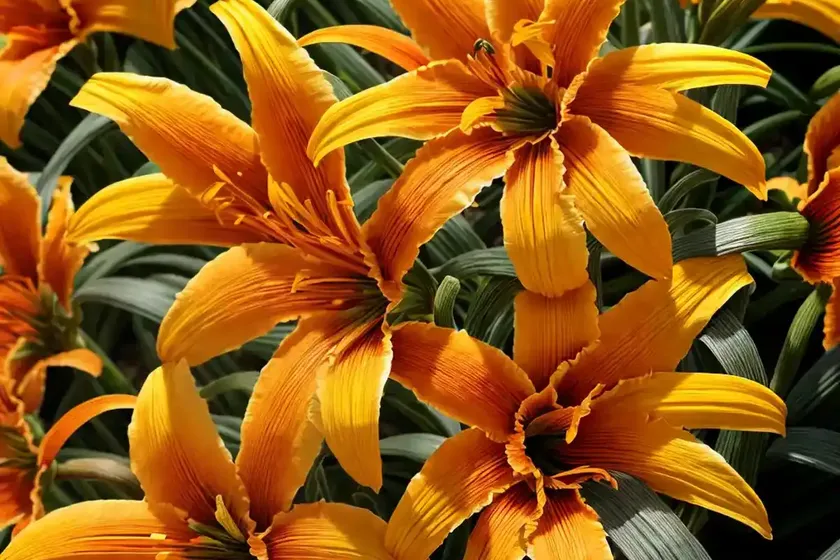
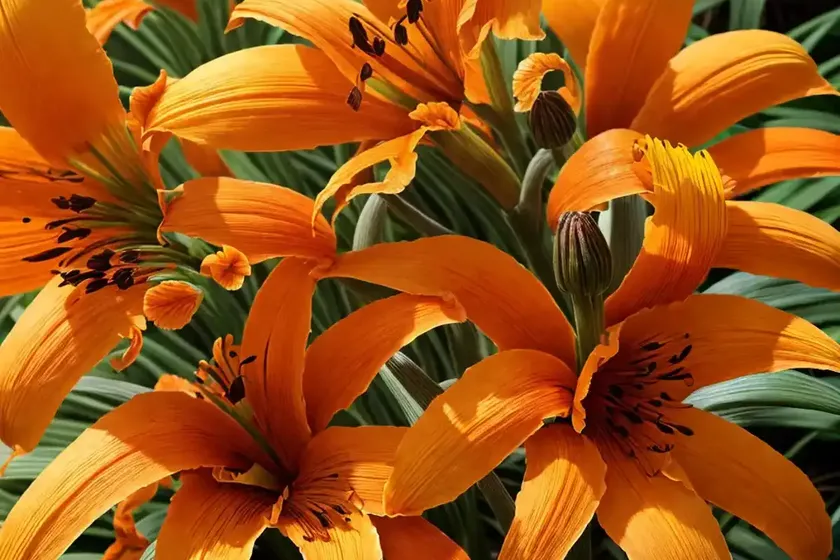
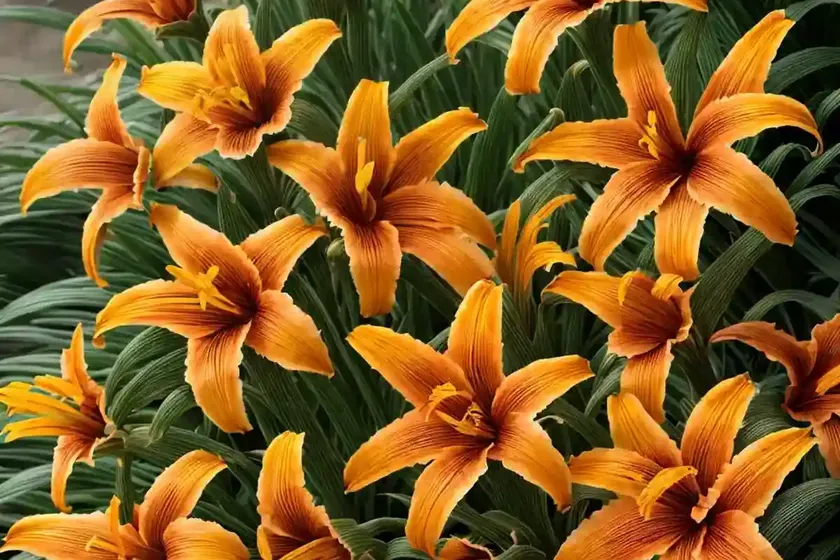
The Orange Daylily, scientifically known as Hemerocallis fulva, belongs to the Hemerocallis genus, a group of herbaceous perennial plants that are native to Asia. This plant is renowned for its vibrant, trumpet-shaped orange flowers and its hardy nature, which makes it suitable for a wide range of environments. The common name “daylily” refers to the transient nature of the individual flowers, which typically bloom for only a day before withering.
Key Takeaways – Orange Daylily (Hemerocallis Fulva)
Before we delve into the details, let’s take a look at the key takeaways for Hemerocallis fulva:
- Botanical Name: Hemerocallis fulva
- Common Name: Orange Daylily
- Plant Family: Hemerocallidaceae
- Flowering Period: Late spring to mid-summer
- Foliage: Long, blade-like leaves
- Cultivation Tips: Requires well-draining soil, adequate sunlight, and regular watering
- Uses: Ornamental plant, naturalizing in landscapes, and sometimes utilized in traditional medicine
- Pests: Susceptible to aphids, thrips, and spider mites
- Diseases: Prone to leaf streak, crown rot, and rust
- Propagation: Easily propagated through division of clumps
- Fun Fact: The flowers of Hemerocallis fulva are edible and can be used in salads or as a garnish.
Now that we’ve outlined the key points, let’s explore each aspect of the Orange Daylily in detail.
Culture
Understanding the cultural requirements of Hemerocallis fulva is essential for successfully growing and maintaining this charming plant. From the soil to sunlight and water, each factor plays a pivotal role in ensuring the optimal growth and blooming of the Orange Daylily.
Soil
The type of soil that Hemerocallis fulva prefers can be described as follows:
- Well-Draining: It thrives in well-draining soil to prevent waterlogging, which can lead to root rot.
- Nutrient-Rich: The soil should be rich in organic matter, providing essential nutrients for healthy growth and blooming.
- pH Level: Hemerocallis fulva prefers a slightly acidic to neutral soil with a pH range of 6.0 to 6.5.
Water
Proper watering is crucial for the health and vitality of Hemerocallis fulva:
- Regular Watering: While the Orange Daylily is relatively drought-tolerant once established, it benefits from regular watering, especially during dry periods.
- Avoid Overwatering: Overly wet conditions can lead to root diseases, so it’s important to strike a balance and avoid waterlogged soil.
Sunlight
Sunlight is a key factor in the growth and blooming of Hemerocallis fulva:
- Full Sun: It thrives in full sun to partial shade, with a preference for at least 6 hours of direct sunlight per day.
- Impact of Shade: While it can tolerate some shade, insufficient sunlight may result in reduced blooming and overall vigor.
Fertilizer
Applying the right fertilizers at the appropriate time can significantly enhance the growth and blooming of Hemerocallis fulva:
- Balanced Fertilizer: A balanced, slow-release fertilizer with an N-P-K ratio of 10-10-10 or similar is suitable for Hemerocallis fulva.
- Application Time: Fertilize in early spring as new growth emerges, and consider a light additional application after the first bloom cycle.
- Avoid Excess Nitrogen: Excessive nitrogen can lead to lush foliage at the expense of blooming, so it’s important to use fertilizers in moderation.
Pruning
Pruning is an essential aspect of maintaining the health and aesthetic appeal of Hemerocallis fulva:
- Spent Blooms: Deadhead spent flowers to encourage continuous blooming and prevent the plant from putting energy into seed production.
- Remove Foliage: Trim back the foliage in late fall or early spring to tidy up the plant and promote healthy new growth.
Propagation
Hemerocallis fulva can be propagated through various methods, offering opportunities to expand its presence in the garden or share it with others:
- Division: The most common method is dividing established clumps in early spring or fall, ensuring that each division has healthy roots and foliage.
- Seeds: While less common due to variability in the offspring, Hemerocallis fulva can also be propagated from seeds collected from the dried seed pods.
Container Popularity
The versatility of Hemerocallis fulva extends to its ability to thrive in containers:
- Container Size: Choose a container that provides ample space for the plant to spread its roots, as constrained conditions can hinder its growth and blooming.
- Soil Mix: Use a well-draining potting mix that provides adequate support and moisture while preventing waterlogging.
Container Cultivation Tips
When cultivating Hemerocallis fulva in containers, consider the following tips for optimal growth:
- Regular Watering: Containers may dry out more quickly, so monitor the soil moisture and water as needed, especially during hot weather.
- Fertilization: Apply a diluted, balanced fertilizer periodically to ensure the plant receives essential nutrients for healthy growth and blooming.
Common Diseases
While Hemerocallis fulva is relatively resilient, it is susceptible to certain diseases that can impact its vigor and appearance:
- Leaf Streak: Characterized by yellow or brown streaks on the foliage, leaf streak is often caused by a fungus and may require fungicidal treatment.
- Crown Rot: Overly wet conditions can lead to crown rot, causing the plant to wilt and decline. Improving drainage and ensuring proper airflow can help prevent this disease.
- Rust: Rust appears as orange or brown pustules on the leaves and stems, signaling a fungal infection. Fungicidal treatments can be effective in managing rust.
Disease Diagnosis
Early diagnosis and treatment are critical in managing diseases in Hemerocallis fulva:
- Visual Symptoms: Regularly inspect the plant for any signs of discoloration, lesions, or abnormal growth that may indicate the presence of diseases.
- Consult an Expert: If you suspect a disease but are unsure of the appropriate treatment, seek guidance from a local garden center or agricultural extension office.
Common Pests
Several pests can pose a threat to Hemerocallis fulva, compromising its health and blooming:
- Aphids: These tiny, sap-sucking insects can distort the foliage and stunt the growth of the plant. Insecticidal soaps or horticultural oils are effective in controlling aphids.
- Thrips: Thrips can cause silvery, stippled areas on the leaves and buds, and their populations can be managed through insecticidal treatments.
- Spider Mites: These arachnids can cause stippling and webbing on the foliage, and they can be deterred with regular misting of the plant and targeted insecticidal treatments.
Pest Control
Implementing proactive pest control measures can help safeguard Hemerocallis fulva from infestations:
- Monitor Regularly: Regularly inspect the plant for any signs of pest activity, such as webbing, stippling, or distorted growth.
- Natural Predators: Encourage natural predators, such as ladybugs and lacewings, which can help keep pest populations in check without the need for chemical intervention.
Botanist’s Tips
From a botanist’s perspective, Hemerocallis fulva offers captivating qualities and considerations:
- Adaptive Traits: Its resilience in diverse conditions and ability to naturalize make Hemerocallis fulva an attractive option for landscape design and native plantings.
- Genetic Diversity: A diverse array of cultivars and varieties exist, showcasing the genetic variability and horticultural potential within the Hemerocallis genus.
Fun Facts
Uncover some intriguing and lesser-known facts about Hemerocallis fulva:
- Edible Flowers: The flowers of Hemerocallis fulva are edible and can be used to add a pop of color and mild, sweet flavor to salads and culinary creations.
- Medicinal Uses: In traditional medicine, certain parts of the plant have been used for their potential medicinal properties, although caution should be exercised when exploring medicinal applications.
- Folklore Significance: In various cultures, daylilies have been associated with different meanings, ranging from renewal and rebirth to admiration and passion.
Links to External Resources
To further expand your knowledge and appreciation of Hemerocallis fulva, consider exploring the following reputable resources:
- American Hemerocallis Society
- The Daylily Hybridizer’s Guide
- University of Illinois Extension – Daylilies
- Royal Horticultural Society – Daylilies
As we conclude this guide, we hope that you’ve gained valuable insights into the captivating world of Hemerocallis fulva. Whether you’re a seasoned gardener or a novice enthusiast, the Orange Daylily offers a delightful addition to any garden or landscape, showcasing its resilience, beauty, and intriguing attributes.
Remember to embrace the transient beauty of the daylily flowers, savor the potential culinary uses, and appreciate the cultural and ecological significance of this remarkable plant. Happy gardening and may your Orange Daylilies bloom abundantly, enriching your outdoor spaces with their vibrant hues and enchanting presence.
If you are interested, you can find the comprehensive documentation of our research on the Orange Daylily here.
Research based on Orange Daylily (Hemerocallis Fulva) conducted by plant scientists at [Your Institution/Company]. Should you require further information, please contact [Researcher’s Name] at [Researcher’s Email].


