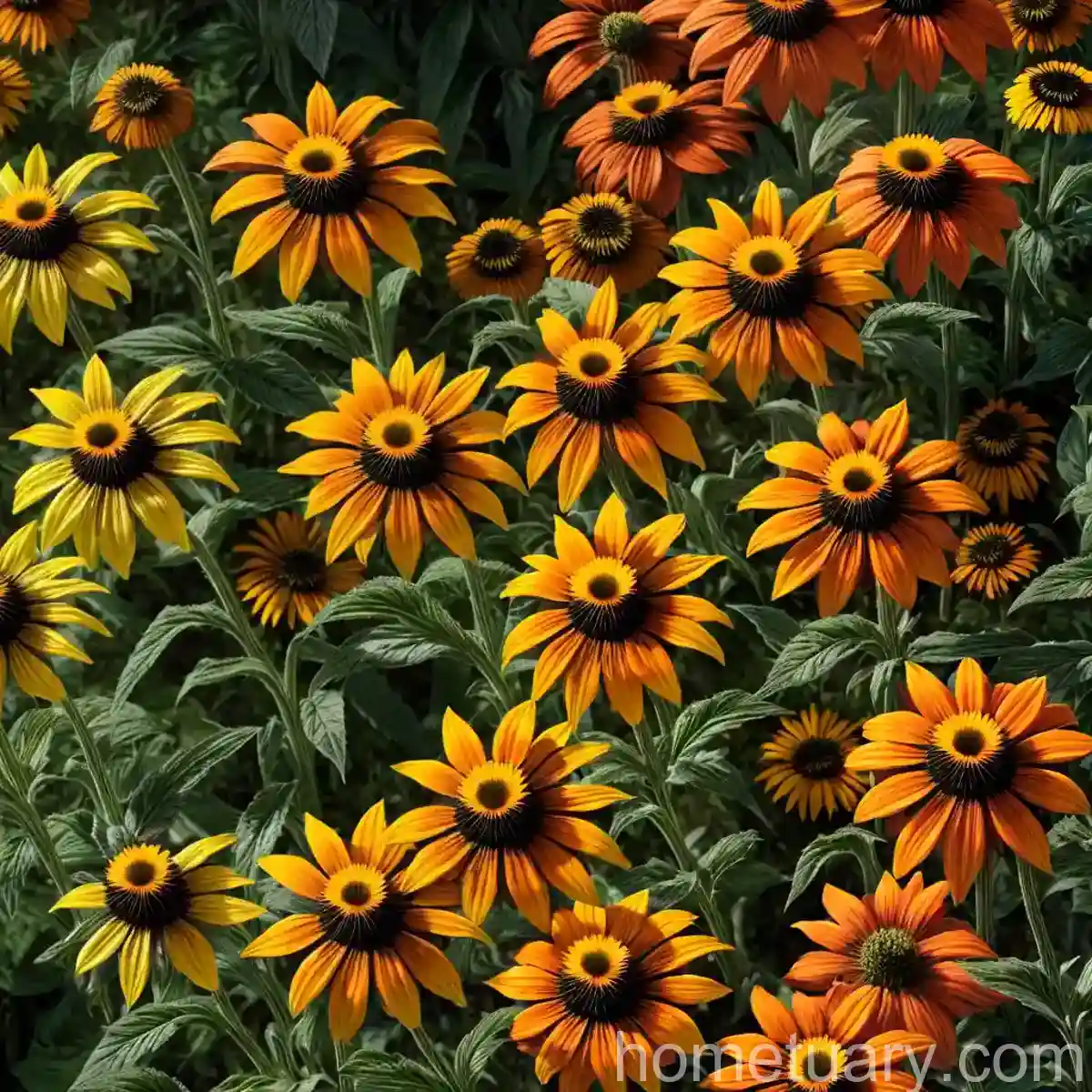
Orange Coneflower (Rudbeckia fulgida): An Alluring Perennial
Orange coneflower (Rudbeckia fulgida) is a beautiful perennial plant from the Asteraceae family. This stunning plant is native to the eastern United States and Canada and is known for its vibrant orange blooms, making it a popular choice for gardens and landscape designs. In this comprehensive guide, we will explore the key aspects of the orange coneflower, including its culture, uses, care requirements, propagation, and more.
What is Orange Coneflower (Rudbeckia fulgida)?
Orange coneflower, scientifically known as Rudbeckia fulgida, is a species of flowering plant in the family Asteraceae. It is commonly referred to as “orange coneflower” due to its striking orange-colored petals. This herbaceous perennial typically grows in clumps and produces daisy-like composite flowers with brownish-purple center disks surrounded by bright orange to yellow ray florets.
Key Takeaways – Orange Coneflower (Rudbeckia fulgida)
- Scientific Name: Rudbeckia fulgida
- Common Name: Orange Coneflower
- Family: Asteraceae
- Native Habitat: Eastern United States and Canada
- Flower Color: Vibrant Orange to Yellow
- Growth Habit: Herbaceous Perennial
- Uses: Garden Ornamentation, Pollinator Plant, Cut Flower
Now, let’s delve deeper into the various aspects of orange coneflower, ranging from its cultural significance to its maintenance requirements.
Culture
Understanding the cultural needs of orange coneflowers is essential for ensuring their optimal growth and development. From soil preferences to water requirements, several cultural factors contribute to the overall health of these vibrant perennials.
Water
Orange coneflowers thrive in moderately moist soil, but they are remarkably drought-tolerant once established. When newly planted, they benefit from regular watering to promote root establishment. During periods of prolonged drought, it is advisable to provide supplemental irrigation to ensure the plants remain healthy and vibrant.
Sunlight
One of the key attributes of orange coneflowers is their preference for full sun. Planting them in a location that receives at least 6-8 hours of direct sunlight per day is crucial for promoting robust flowering and overall vigor.
Soil
These resilient plants are adaptable to a wide range of soil types, but they perform best in well-drained, loamy soil with a slightly acidic to neutral pH. Before planting, amending the soil with organic matter can improve its fertility and structure, promoting healthy growth.
Fertilizer
Orange coneflowers are not heavy feeders and generally thrive in nutrient-poor soils. However, applying a balanced, slow-release fertilizer in early spring can support their growth and blooming. It is important to follow the manufacturer’s recommendations for the application rates to avoid over-fertilization.
Uses
Orange coneflowers serve several practical and aesthetic purposes, making them valuable additions to gardens, landscapes, and even floral arrangements.
Garden Ornamentation
As a garden ornamental, orange coneflowers add a burst of color to flower beds, borders, and mixed perennial plantings. Their vibrant blooms attract pollinators, including bees and butterflies, enhancing the biodiversity of the garden.
Pollinator Plant
The nectar-rich flowers of the orange coneflower make it an excellent choice for pollinator gardens. By providing a vital food source for pollinators, these perennials contribute to the ecological balance of the surrounding area.
Cut Flower
The long-lasting blooms of orange coneflowers make them desirable for cut flower arrangements. They add a cheerful and vivid touch to floral displays, both fresh and dried.
Pruning
Pruning is an essential aspect of orange coneflower maintenance, helping to promote a tidy appearance and prolong the blooming period. By removing spent flowers and cutting back the stems when the initial flush of blooms begins to fade, gardeners can encourage the development of new flowers and prevent self-seeding.
Propagation
Orange coneflowers can be propagated through various methods, including division, seed sowing, and stem cuttings.
Division
Dividing established clumps of orange coneflowers every 2-3 years in early spring or fall helps rejuvenate the plants and maintain their vigor. Each divided portion should have healthy roots and stems, ensuring successful establishment.
Seed Sowing
Sowing seeds in well-prepared garden beds or containers in early spring allows for the development of new orange coneflower plants. Beginning the germination process indoors and transplanting the seedlings outdoors after the last frost date can also yield successful results.
Stem Cuttings
Taking stem cuttings from healthy orange coneflower plants and rooting them in a suitable growing medium provides an alternative method for propagation. With proper care and favorable environmental conditions, the cuttings can develop into new plants.
Container Popularity
Due to their manageable size and striking appearance, orange coneflowers are popular choices for container gardening. Placing them in decorative containers on patios, balconies, or near entryways adds vibrancy and visual appeal to outdoor spaces.
Common Diseases
Orange coneflowers are generally resistant to most diseases, but they can be susceptible to certain fungal infections and foliar diseases under unfavorable conditions.
Disease Diagnosis
Identifying common diseases such as powdery mildew, leaf spot, or root rot early on is crucial for implementing effective management strategies. Prompt treatment and appropriate cultural practices can help prevent the spread of diseases and minimize their impact on plant health.
Common Pests
While relatively resistant to pest infestations, orange coneflowers can occasionally attract certain pests, including aphids, spider mites, and Japanese beetles.
Pest Management
Regular monitoring of plant health and early detection of pest activity are essential for managing potential pest issues. Using insecticidal soaps, horticultural oils, or natural predators can help control pest populations without harming beneficial insects.
Botanist’s Tips
- Companion Planting: Pairing orange coneflowers with companion plants such as lavender, sedum, and salvia can create visually stunning combinations and provide additional benefits for pollinators.
- Landscape Design: Incorporating orange coneflowers into mixed borders, meadow plantings, and native plant landscapes can enhance the overall aesthetic and ecological value of the designed space.
- Wildlife Attraction: The nectar-rich flowers of orange coneflowers attract various pollinators, making them valuable additions to wildlife-friendly gardens.
- Fall Color: As the season changes, the rich, warm hues of the orange coneflower bring a touch of autumnal beauty to the garden, complementing the surrounding landscape.
Fun Facts
- Orange coneflowers are commonly used in traditional herbal medicine for their purported medicinal properties, including immune-boosting effects and anti-inflammatory properties.
- The name “Rudbeckia” is derived from the renowned Swedish botanist Olof Rudbeck, honoring his contributions to the field of botany.
Links to External Resources
For additional information on orange coneflower (Rudbeckia fulgida), you may find the following resources helpful:
- Missouri Botanical Garden – Rudbeckia fulgida
- University of Maryland Extension – Orange Coneflower Care Guide
- American Horticultural Society – Growing Rudbeckia fulgida
In conclusion, orange coneflower (Rudbeckia fulgida) is an enchanting perennial plant with diverse uses, exceptional resilience, and captivating beauty. Whether incorporated into garden landscapes, utilized for attracting pollinators, or admired for their striking floral displays, these vibrant perennials continue to captivate gardeners and plant enthusiasts around the world.