Opuntia Rufida (Blind Prickly Pear): A Comprehensive Guide
Opuntia rufida, commonly known as Blind Prickly Pear, is a fascinating and resilient plant with a rich history of cultural, culinary, and medicinal uses. This diverse succulent belongs to the Cactaceae family and is renowned for its ornamental value, drought tolerance, and unique adaptations to arid environments.
In this comprehensive guide, we will explore the key aspects of Opuntia rufida, including its cultural significance, uses, care requirements, common diseases and pests, propagation techniques, and much more. Whether you are a seasoned gardener, a plant enthusiast, or someone looking to enhance their indoor or outdoor space with a striking succulent, this guide will provide valuable insights into the world of Opuntia rufida.
What is Opuntia Rufida (Blind Prickly Pear)?
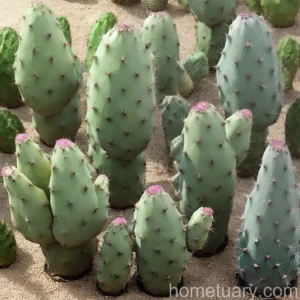
Opuntia rufida, also known as the Blind Prickly Pear, is a species of cactus native to parts of Mexico. It is a low-growing, branching succulent characterized by flattened, pad-like stems known as cladodes. The plant is renowned for its distinctive appearance, featuring cylindrical, elongated stems and clusters of sharp spines known as glochids. The glochids are tiny barbed bristles that are found on the areoles of the plant and serve as a form of defense against herbivores and environmental threats.
Opuntia rufida is valued for its striking visual appeal, making it a popular choice for xeriscaping, landscaping in arid regions, and ornamental container gardening. The plant is also known for its remarkable adaptability to harsh environmental conditions, including low water availability and high temperatures, making it a resilient choice for gardens and landscapes with challenging growing conditions.
Key Takeaways – Opuntia Rufida (Blind Prickly Pear)
Before delving into the specifics of caring for Opuntia rufida, it is important to highlight some key takeaways about this remarkable plant. Understanding its cultural significance, uses, and key characteristics will provide a holistic perspective on the Blind Prickly Pear and its role in horticulture and beyond.
– Cultural Significance:
- Opuntia rufida holds cultural significance in various regions, particularly in Mexico and parts of the southwestern United States, where it is valued for its culinary, medicinal, and symbolic significance.
– Uses:
- The plant has a wide range of uses, including culinary applications, medicinal properties, landscaping, and ornamental purposes.
– Characteristics:
- Distinctive features such as flattened, pad-like stems, glochids, and vibrant flowers contribute to the unique visual appeal of Opuntia rufida.
– Landscape Adaptability:
- Opuntia rufida exhibits remarkable adaptability to arid climates, making it a popular choice for xeriscaping, outdoor landscaping, and low-maintenance gardens.
– Resilience:
- The plant demonstrates exceptional resilience to drought, high temperatures, and poor soil conditions, making it an ideal choice for gardeners seeking hardy, low-maintenance plants.
With these key takeaways in mind, let’s explore the specific care requirements, growing conditions, and maintenance guidelines for cultivating Opuntia rufida and unlocking its full potential in various settings.
Culture
Understanding the cultural context of Opuntia rufida is essential for appreciating its historical significance and traditional uses. The Blind Prickly Pear holds a revered status in the cultural and culinary practices of the regions where it is native, offering valuable insights into the plant’s versatile nature and enduring legacy.
Cultural History
The cultural history of Opuntia rufida is deeply intertwined with the traditions and practices of indigenous communities in Mexico and the southwestern United States. For centuries, various species of Opuntia, including Opuntia rufida, have been utilized for their edible fruits, medicinal properties, and symbolic significance in these regions.
In Mexico, the fruit of Opuntia species is known as “tuna,” and it holds a special place in traditional cuisine. The tender pads of the cactus, referred to as “nopales,” are also used in cooking and are esteemed for their nutritional value and culinary versatility. From savory dishes to refreshing beverages, the culinary applications of Opuntia rufida and related species showcase the plant’s cultural importance in gastronomy and local dietary practices.
Beyond its culinary uses, Opuntia rufida has been integrated into traditional medicine, where it is valued for its purported therapeutic properties. From digestive health to wound healing, various parts of the plant have been historically employed for their medicinal benefits, reflecting the deep-rooted connection between indigenous knowledge systems and the healing potential of native flora.
Moreover, the symbolism surrounding Opuntia rufida and other Opuntia species is significant in cultural and spiritual contexts. In some traditions, these resilient, spiny plants are associated with strength, endurance, and protection, embodying powerful symbolic meanings that resonate with the values and beliefs of the communities that have coexisted with them for generations.
In contemporary cultural practices, Opuntia rufida continues to inspire artists, writers, and conservationists, serving as a muse for creative expression and environmental advocacy. Its enduring cultural legacy underscores the multidimensional significance of the Blind Prickly Pear and its influence on diverse facets of human experience.
Traditional Uses
The traditional uses of Opuntia rufida are both diverse and practical, reflecting the plant’s adaptability and utility in various aspects of daily life. Some of the traditional uses of the plant include:
-
Culinary Purposes: The fruits, known as tunas, are a popular ingredient in traditional Mexican cuisine, used to prepare jams, jellies, beverages, and as a refreshing snack. Additionally, the young pads, or nopales, are utilized in a wide range of savory dishes, prized for their nutritional content and versatility in cooking.
-
Medicinal Applications: Certain parts of the plant, including the pads and fruits, have been historically used in traditional medicine for their alleged health benefits. From promoting digestion to addressing skin ailments, Opuntia rufida has been regarded as a valuable source of natural remedies in traditional healing practices.
-
Symbolism and Culture: In indigenous traditions, Opuntia rufida and related Opuntia species hold symbolic significance, representing resilience, protection, and the enduring spirit of the natural world. By incorporating these plants into ceremonies, art, and folklore, communities have revered their cultural and symbolic importance for generations.
By acknowledging the historical and traditional uses of Opuntia rufida, we gain a deeper appreciation for the plant’s cultural resonance and the meaningful role it has played in the lives of people throughout history.
Uses
Opuntia rufida offers a multitude of uses, ranging from landscaping and ornamental appeal to culinary and medicinal applications. Understanding the diverse uses of the Blind Prickly Pear provides valuable insights into the plant’s versatility and its potential contributions to various aspects of daily life and horticulture.
Landscaping and Ornamental Value
Opuntia rufida is prized for its ornamental value, making it a popular choice for landscaping projects, xeriscaping initiatives, and outdoor gardens. The plant’s striking visual appeal, drought tolerance, and low-maintenance requirements position it as a favored addition to arid and desert-themed landscapes. With its unique form, resilient nature, and vibrant blooms, Opuntia rufida adds an exotic and captivating dimension to garden designs and outdoor settings.
The distinctive characteristics of Opuntia rufida, including its flattened, pad-like stems, showy flowers, and striking spines, make it an eye-catching feature in outdoor gardens, rockeries, and container plantings. Whether used as a focal point in a xeriscape garden or as part of a succulent collection, the Blind Prickly Pear makes a memorable impression with its architectural beauty and enduring appeal.
Beyond its aesthetic contributions, Opuntia rufida also serves practical purposes in landscaping and garden design. Due to its drought tolerance and adaptability to arid conditions, the plant offers an environmentally conscious solution for water-wise gardening and sustainable landscaping practices. By incorporating Opuntia rufida into outdoor spaces, gardeners can create visually captivating landscapes while conserving water and promoting ecological balance.
Culinary Applications
The edible fruits of Opuntia rufida, also known as tunas, hold culinary significance and are utilized in various gastronomic endeavors. From traditional recipes to modern interpretations, the tunas offer a unique flavor profile and nutritional benefits, enriching culinary experiences with their distinctive character and healthful properties.
The uses of tunas in culinary applications are diverse and include:
-
Preparation of Jams and Jellies: The tunas are often cooked down to produce vibrant jams, jellies, and fruit preserves, which can be enjoyed on their own, paired with cheeses, or used as flavorful toppings for desserts and pastries.
-
Beverage Production: The juice of the tunas is extracted and used to create refreshing beverages, including juices, smoothies, and cocktails. The naturally sweet and tangy flavor of the tunas adds a delightful dimension to a variety of drinks, captivating the senses with its tropical essence.
-
Fresh Consumption: When ripe, the tunas can be enjoyed fresh as a nutritious and hydrating snack, offering a balance of sweetness and acidity that makes them a delightful treat on their own or as part of fruit salads and culinary compositions.
-
Culinary Infusions: Creative chefs and home cooks may explore the use of tunas in culinary infusions, including flavored vinegars, syrups, and sauces, to infuse dishes with the unique essence of the fruits.
The culinary potential of Opuntia rufida expands beyond the fruits, as the young pads, known as nopales, also play a prominent role in traditional Mexican cuisine and beyond. Nopales offer a versatile ingredient for savory dishes, showcasing their nutritional richness and culinary adaptability.
Medicinal Properties
Opuntia rufida and related Opuntia species are esteemed for their potential medicinal properties, drawing upon the plant’s inherent bioactive compounds and traditional uses in natural healing practices. From digestive health to skincare, the plant exhibits a range of purported health benefits that have sparked scientific inquiry and practical applications in herbal medicine.
The potential medicinal properties of Opuntia rufida include:
-
Digestive Support: Certain compounds present in the pads and fruits of Opuntia species are thought to offer digestive support, including promoting healthy digestion, regulating blood sugar levels, and supporting intestinal health.
-
Antioxidant Activity: The plant contains antioxidants that may contribute to its protective effects against oxidative stress and cellular damage, thus offering potential health benefits as part of an antioxidant-rich diet.
-
Skin Nourishment: When applied topically, preparations derived from Opuntia rufida may have moisturizing and soothing effects on the skin, making them valuable ingredients in skincare formulations and natural remedies for minor skin irritations.
-
Nutritional Contributions: The nutritional profile of Opuntia rufida, including its rich content of vitamins, minerals, and dietary fiber, positions it as a valuable dietary supplement with potential health-promoting properties.
By exploring the diverse uses of Opuntia rufida in both culinary and medicinal contexts, we gain a deeper understanding of the plant’s functional significance and the ways in which it can contribute to holistic well-being and culinary creativity.
Care Requirements
As with any plant, understanding the specific care requirements of Opuntia rufida is essential for fostering its optimal growth, health, and longevity. From sunlight and water needs to soil preferences and maintenance practices, providing the right care is key to unlocking the full potential of the Blind Prickly Pear and ensuring its thriving presence in indoor and outdoor settings.
Water
Opuntia rufida exhibits exceptional drought tolerance and thrives in arid conditions, making it well-suited for water-wise gardening and landscapes with minimal water availability. When it comes to watering the plant, it is important to adhere to the following guidelines to support its health and growth:
-
Watering Frequency: In general, Opuntia rufida requires infrequent but thorough watering. During the growing season, typically spring through fall, water the plant when the top inch of the soil becomes dry. In winter, reduce watering to allow the plant to enter a period of rest.
-
Watering Method: When watering Opuntia rufida, it is advisable to utilize a soak-and-dry approach. This involves thoroughly watering the plant until water begins to escape from the drainage holes, allowing excess water to drain away, and then allowing the soil to dry out before watering again.
-
Avoid Waterlogging: It is crucial to prevent waterlogging, as excessive moisture can lead to root rot and other issues. Use well-draining soil and containers with drainage holes to ensure that excess water does not accumulate around the plant’s roots.
-
Observation and Adjustment: Monitor the plant’s response to watering and adjust the frequency based on environmental conditions, such as temperature and humidity, to ensure that the moisture level remains suitable for the plant’s needs.
By providing appropriate water management, gardeners can support the resilience of Opuntia rufida and harness its adaptability to low-water environments, while promoting sustainable gardening practices.
Sunlight
Opuntia rufida thrives in full sunlight and requires ample exposure to direct sunlight to support its growth, flowering, and overall vitality. When considering the plant’s sunlight needs, it is important to keep the following factors in mind:
-
Sunlight Exposure: Position Opuntia rufida in a location that receives full sunlight for the majority of the day, with at least 6 to 8 hours of direct sunlight. This allows the plant to photosynthesize effectively and maintain its compact, vigorous growth.
-
Indoor Considerations: For indoor cultivation, place Opuntia rufida in a bright, south- or west-facing window where it can receive abundant sunlight throughout the day. Supplemental grow lights may be utilized to enhance indoor lighting conditions if natural sunlight is limited.
-
Outdoor Placement: In outdoor landscapes, ensure that Opuntia rufida is situated in an open, sunny area where it can bask in the full intensity of the sun, allowing it to thrive and produce vibrant flowers during the blooming season.
By meeting the sunlight requirements of Opuntia rufida, gardeners can promote the plant’s robust development and ensure that it reaches its full potential in terms of visual appeal and ornamental value.
Soil
Selecting the right soil for Opuntia rufida is crucial for providing an environment that supports the plant’s growth and overall well-being. The ideal soil preferences for the Blind Prickly Pear involve the following considerations:
-
Well-Draining Soil: Opuntia rufida thrives in well-draining soil that allows excess moisture to escape quickly, preventing waterlogged conditions that can harm the plant’s roots. A mix designed specifically for cacti and succulents is often recommended to ensure optimal drainage.
-
Sandy or Gravelly Soil: A soil blend that includes components such as coarse sand, perlite, or gravel can provide the porous structure and aeration that supports healthy root development and prevents water retention.
-
Avoid Heavy, Water-Retentive Soils: Soil mixes that are heavy, compacted, or water-retentive should be avoided, as they can lead to excessive moisture around the root zone and inhibit the plant’s ability to withstand arid conditions.
By selecting a well-draining soil mix and maintaining appropriate soil conditions, gardeners can create an environment that is conducive to the unique needs of Opuntia rufida, ensuring that the plant’s root system remains healthy and resilient.
Fertilizer
Opuntia rufida has modest fertilizer requirements and can thrive without frequent or intensive feeding. When considering fertilization practices for the Blind Prickly Pear, it is important to adhere to the following guidelines:
-
Fertilization Frequency: Apply a balanced, water-soluble fertilizer formulated for cacti and succulents once a month during the growing season, from spring through summer. Reduce or halt fertilization in fall and winter when the plant is in a period of reduced growth.
-
Diluted Fertilizer Solutions: When fertilizing Opuntia rufida, dilute the fertilizer to half or one-quarter of the recommended strength to avoid over-fertilizing, which can lead to salt buildup and potential damage to the plant.
-
Avoid Excessive Nitrogen: Select a fertilizer with a balanced N-P-K ratio and a low nitrogen content to prevent excessive vegetative growth, as Opuntia rufida thrives best with a more moderate, restrained growth rate.
-
Observation and Adjustment: Monitor the plant’s growth and appearance, and adjust fertilization based on its response to ensure that nutrient uptake is balanced and supportive of the plant’s needs.
By providing judicious fertilization and maintaining a balanced approach to plant nutrition, gardeners can support the health and vitality of Opuntia rufida while respecting its natural adaptation to low-nutrient environments.
Pruning
Pruning Opuntia rufida is a relatively minimal aspect of its care routine, primarily focused on removing dead or damaged pads, managing the plant’s size and shape, and preventing overcrowding. When engaging in pruning practices for the Blind Prickly Pear, consider the following guidance:
-
Safety Precautions: Due to the presence of sharp spines and glochids, use protective gloves and clothing when handling Opuntia rufida to avoid skin irritation and injury.
-
Dead Pad Removal: Periodically inspect the plant for any dead, shriveled, or discolored pads and use sanitized pruning shears to carefully remove them, making clean cuts at the base of the affected pads.
-
Size and Shape Management: If the plant becomes overcrowded or begins to outgrow its designated space, selectively prune pads to maintain a balanced, compact form and ensure good air circulation within the plant.
-
Propagation Pruning: When propagating Opuntia rufida through pad cuttings, ensure that the cuts are made cleanly and allow the cut surfaces to callus before planting to promote successful rooting.
-
Seasonal Considerations: Engage in pruning during the active growing season, typically in spring or early summer, while minimizing pruning activity during the plant’s dormancy period in fall and winter.
By practicing prudent pruning and recognizing the specific pruning needs of Opuntia rufida, gardeners can preserve the plant’s aesthetic appeal and promote its overall vigor with minimal disturbance to its natural growth patterns.
Propagation
The propagation of Opuntia rufida offers an opportunity to expand the presence of this captivating succulent and share its beauty with other enthusiasts. From pad cuttings to seed propagation, various techniques can be employed to propagate the Blind Prickly Pear and cultivate new plants with care and precision.
Propagation by Pad Cuttings
Propagating Opuntia rufida through pad cuttings is one of the most common and reliable methods for multiplying the plant. Follow these steps to propagate Opuntia rufida using pad cuttings:
-
Select Healthy Pads: Choose healthy, mature pads that show no signs of damage or disease. Using sanitized pruning shears, make a clean, diagonal cut at the base of the pad to sever it from the parent plant.
-
Callusing Stage: Place the cut pad in a warm, dry location with good air circulation and allow the cut surface to callus over for a period of 1 to 2 weeks. This callusing process helps to prevent moisture-related issues and minimize the risk of rot during the rooting phase.
-
**Root