Opuntia Santa-rita (Santa Rita Prickly Pear)
Opuntia santa-rita, commonly known as Santa Rita Prickly Pear, is a stunning and resilient plant that has gained popularity for its unique characteristics.
Opuntia santa-rita, commonly known as Santa Rita Prickly Pear, is a stunning and resilient plant that has gained popularity for its unique characteristics and uses. In this comprehensive guide, we will delve into the various aspects of the Opuntia santa-rita plant, covering its culture, uses, maintenance, and much more. Whether you are a seasoned plant enthusiast or a beginner looking to add an eye-catching and low-maintenance plant to your indoor or outdoor space, this guide will provide you with valuable insights into the world of Opuntia santa-rita.
What is Opuntia santa-rita (Santa Rita Prickly Pear)?
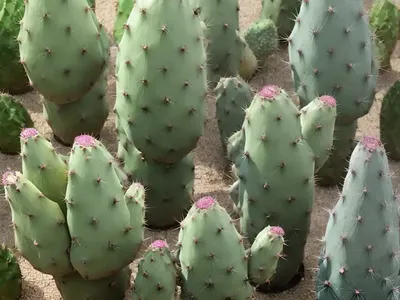
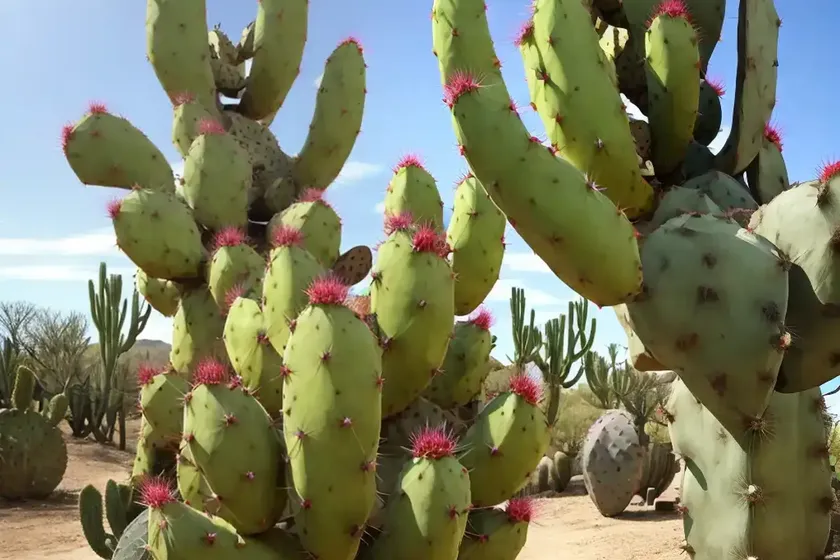
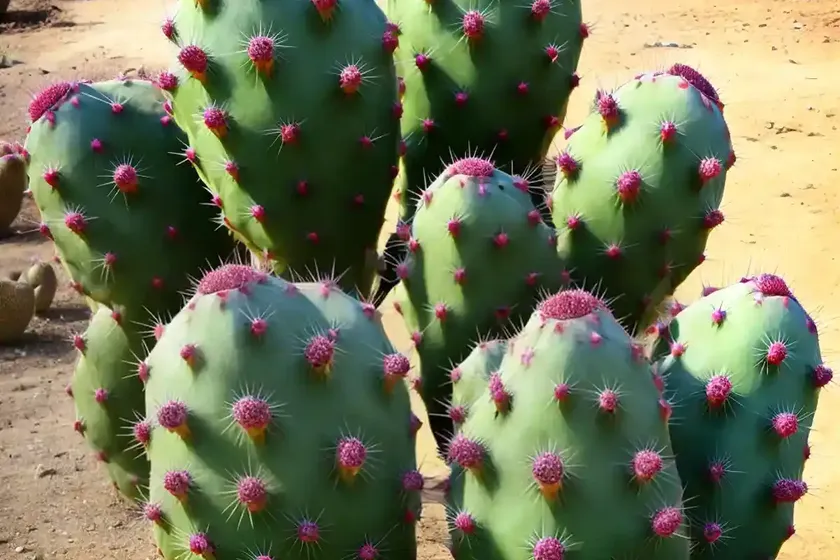
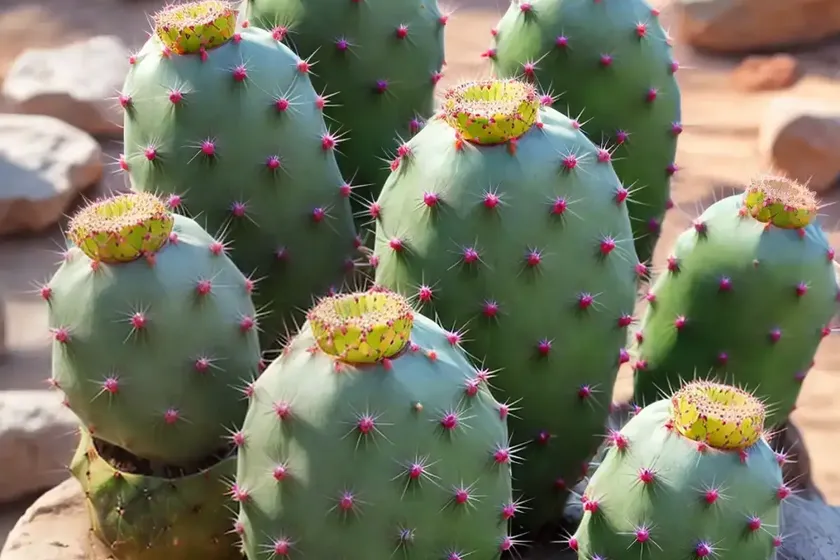
Opuntia santa-rita is a species of prickly pear cactus that belongs to the Cactaceae family. This striking plant is native to the southwestern United States and northern Mexico, where it thrives in arid and semi-arid environments. It is characterized by its distinctive bluish-green pads and stunning purple or reddish coloration, especially during the cooler months. The Santa Rita Prickly Pear is renowned for its ability to withstand harsh conditions and its low maintenance requirements, making it a popular choice for xeriscaping and water-wise gardening.
Key Takeaways – Opuntia santa-rita (Santa Rita Prickly Pear)
Before delving into the specifics of caring for Opuntia santa-rita, let’s outline the key takeaways about this fascinating plant:
- Scientific Name: Opuntia santa-rita
- Common Name: Santa Rita Prickly Pear
- Family: Cactaceae
- Native Range: Southwestern United States and northern Mexico
- Characteristics: Bluish-green pads, purple or reddish coloration, spiny stems
- Uses: Ornamental landscaping, xeriscaping, culinary uses
- Special Features: Drought tolerant, low maintenance, striking coloration
Now, let’s explore the various aspects of caring for and utilizing this remarkable plant.
Culture
Cultivating Opuntia santa-rita can be a rewarding experience, given its unique aesthetic appeal and adaptability. Understanding the cultural requirements of this plant is essential for promoting healthy growth and maximizing its visual impact.
Uses
Opuntia santa-rita boasts a myriad of uses, ranging from ornamental landscaping to culinary applications. Here are some common uses of the Santa Rita Prickly Pear:
-
Ornamental Landscaping: Due to its striking coloration and resilience, Opuntia santa-rita is often used in xeriscapes, rock gardens, and desert-themed landscapes. It adds a vibrant pop of color and texture to arid environments, making it a sought-after plant for landscaping projects in dry regions.
-
Culinary Applications: The fruits of Opuntia santa-rita, known as prickly pear fruits or tunas, are edible and have long been utilized in traditional cuisines. From jams and jellies to refreshing beverages, the fruits offer a delightful blend of sweet and tangy flavors. Additionally, the young pads of the plant, known as nopales, are used in various culinary preparations and are valued for their nutritional benefits.
Water
One of the most remarkable features of Opuntia santa-rita is its exceptional drought tolerance. This plant is well adapted to arid conditions and requires minimal watering once established.
-
Watering Guidelines: When establishing young Opuntia santa-rita plants, it is important to provide regular watering, allowing the soil to dry out slightly between waterings. Once the plant is established, it can thrive on minimal irrigation, making it an ideal choice for water-wise landscaping.
-
Signs of Overwatering: While Opuntia santa-rita is drought tolerant, it is crucial to avoid overwatering, as this can lead to root rot and other complications. Signs of overwatering include yellowing and wilting of the pads, indicating that the soil is retaining excess moisture.
-
Seasonal Adjustments: During the hot summer months, regular watering may be necessary to support the plant’s growth. However, it is important to ensure that the soil is well-draining to prevent waterlogged conditions.
Sunlight
Opuntia santa-rita thrives in full sunlight and is well suited to bright and sunny locations. Adequate sunlight is crucial for promoting the plant’s distinctive coloration and ensuring robust growth.
-
Sun Exposure: When selecting a location for Opuntia santa-rita, choose a spot that receives ample sunlight throughout the day. Southern or western exposures are ideal for providing the intense sunlight that the plant craves.
-
Indoor Considerations: If growing Opuntia santa-rita indoors, place the plant near south or west-facing windows to ensure it receives sufficient sunlight. Consider rotating the plant periodically to promote even growth and prevent it from leaning towards one direction.
Fertilizer
Opuntia santa-rita has minimal fertilizer requirements and can thrive in nutrient-poor soils. However, providing a balanced fertilizer on occasion can support the plant’s overall health and vigor.
-
Fertilization Schedule: During the growing season, apply a balanced, water-soluble fertilizer formulated for cacti and succulents. Limit fertilization to once every 2-3 months to prevent the risk of over-fertilization.
-
Soil Considerations: When selecting a fertilizer, opt for a product specifically designed for cacti and succulents, as these formulations contain the essential nutrients that these plants require. Avoid applying fertilizer during the winter months when the plant is in a period of dormancy.
Soil
The choice of soil is critical for the successful cultivation of Opuntia santa-rita. Well-draining soil with minimal organic content is essential for preventing waterlogging and supporting the plant’s adaptation to arid conditions.
-
Soil Composition: Use a well-draining cactus mix or prepare a custom blend consisting of coarse sand, perlite, and a small amount of potting soil. This ensures that excess moisture drains quickly, mimicking the plant’s natural habitat.
-
Container Considerations: When growing Opuntia santa-rita in containers, select pots with ample drainage holes to facilitate the swift removal of excess water. Additionally, lining the bottom of the pot with a layer of gravel or broken pottery shards can enhance drainage.
Pruning
Pruning requirements for Opuntia santa-rita are minimal, primarily focused on the removal of dead or damaged pads and occasional shaping to maintain the plant’s desired form.
-
Pruning Techniques: Use clean, sharp pruning shears to remove any pads that show signs of damage or disease. Additionally, shaping the plant can be achieved by selectively removing pads to promote a more compact and aesthetically pleasing appearance.
-
Safety Precautions: Exercise caution when pruning Opuntia santa-rita, as the plant’s spines can cause skin irritation and injury. Wear thick gloves and use tools with care to minimize the risk of accidental contact with the spines.
Propagation
Opuntia santa-rita can be propagated through several methods, including seeds, stem cuttings, and pad division. Each approach offers unique advantages and can be selected based on the resources and time available.
-
Seed Propagation: Propagating Opuntia santa-rita from seeds is a straightforward method that allows for the creation of new plants with genetic diversity. Sow the seeds in a well-draining growing medium and provide consistent moisture to support germination.
-
Stem Cuttings: Stem cuttings can be taken from healthy, established plants to propagate new Opuntia santa-rita specimens. Allow the cuttings to callus for a few days before planting them in a suitable growing medium.
-
Pad Division: Dividing mature pads of Opuntia santa-rita is an effective way to propagate the plant and create new individuals. Allow the cut ends of the divided pads to dry and callus before planting them in a suitable soil mixture.
Container Popularity
Opuntia santa-rita is particularly well suited to container cultivation, making it a popular choice for patio gardens, balconies, and indoor spaces. Its striking appearance and low maintenance requirements make it an excellent container specimen.
-
Container Selection: When choosing a container for Opuntia santa-rita, opt for a well-draining pot that is slightly larger than the plant’s current root system. The use of terracotta or unglazed ceramic pots is beneficial, as these materials promote airflow and prevent water retention.
-
Indoor Cultivation: For indoor container gardening, select a bright location with ample sunlight and good air circulation. Monitor the plant closely to ensure that it receives adequate sunlight and avoid overwatering in the indoor environment.
Common Diseases
While Opuntia santa-rita exhibits excellent resistance to pests and diseases, it is not entirely immune to certain issues. Understanding and identifying common diseases can help in implementing timely intervention measures.
Disease Diagnosis
The following are some common diseases that may affect Opuntia santa-rita:
-
Root Rot: Overwatering or waterlogged soil can lead to root rot in Opuntia santa-rita, causing the plant to exhibit symptoms such as wilting, yellowing pads, and a foul odor emanating from the root zone.
-
Fungal Infections: Prolonged periods of high humidity or excessive moisture can create favorable conditions for fungal infections, leading to discolored and wilted pads.
-
Bacterial Blight: Bacterial infections can manifest as dark, sunken lesions on the pads of Opuntia santa-rita, accompanied by a soft, water-soaked appearance.
Common Pests
Opuntia santa-rita is relatively resistant to pest infestations, owing to the presence of spines and the protective waxy coating on its pads. However, certain pests can still pose a threat to the plant’s health.
-
Cochineal Scale: These tiny insects can infest Opuntia santa-rita, feeding on the plant’s sap and causing wilting and yellowing of the pads. Cochineal scale insects often leave behind a sticky, honeydew-like substance on the pads, indicating their presence.
-
Spider Mites: Infestations of spider mites can result in stippled, discolored patches on the pads of Opuntia santa-rita. These pests thrive in hot, dry conditions and can multiply rapidly if not addressed promptly.
Botanist’s Tips
As a plant scientist with a keen interest in succulents and cacti, I have gathered some valuable tips for cultivating Opuntia santa-rita and ensuring its long-term success. Incorporating these insights into your plant care routine can help you establish healthy and vibrant specimens of Santa Rita Prickly Pear.
-
Embrace the Drought Tolerance: Leverage the exceptional drought tolerance of Opuntia santa-rita by minimizing the frequency of watering once the plant is established. This will encourage the development of a robust and self-sustaining root system.
-
Monitor Sunlight Exposure: While Opuntia santa-rita thrives in full sunlight, it is important to monitor the plant for any signs of sunburn or excessive heat stress. If the plant shows indications of sun damage, consider providing light afternoon shade to prevent excessive sun exposure.
-
Respect the Spines: The spines of Opuntia santa-rita serve as a protective mechanism for the plant, deterring herbivores and minimizing water loss. Handle the plant with care and avoid placing it in high-traffic areas to prevent accidental contact with the spines.
-
Promote Airflow: Adequate airflow is essential for minimizing the risk of fungal infections and promoting overall plant health. When growing Opuntia santa-rita indoors, ensure that the plant receives sufficient air circulation to prevent the buildup of excess humidity.
Fun Facts
Opuntia santa-rita is a captivating plant with a rich history and unique characteristics. Here are some intriguing facts about the Santa Rita Prickly Pear:
- The purple or reddish coloration of the pads intensifies in response to cooler temperatures, resulting in a striking visual display.
- Opuntia santa-rita has been utilized for centuries by indigenous communities for various medicinal and culinary purposes, showcasing its cultural significance.
- The fruits of Opuntia santa-rita are not only edible but also rich in vitamin C and antioxidants, offering a nutritious addition to a diverse range of recipes.
Links to External Resources
Plant Name: “Opuntia santa-rita (Santa Rita Prickly Pear)”
For additional insights into the cultivation, uses, and unique attributes of Opuntia santa-rita, consider exploring the following resources:
- Cactus and Succulent Society of America
- The Royal Horticultural Society – Opuntia santa-rita
- University of Arizona – Cooperative Extension
- Missouri Botanical Garden – Opuntia santa-rita
By consulting reputable sources and engaging with plant enthusiasts, you can expand your knowledge and appreciation for Opuntia santa-rita, enhancing your ability to cultivate and enjoy this remarkable plant.
As we conclude our comprehensive guide to Opuntia santa-rita (Santa Rita Prickly Pear), I hope that you have gained valuable insights into the cultural requirements, uses, and maintenance practices associated with this captivating plant. Whether you are drawn to its ornamental appeal, drought tolerance, or culinary potential, the Santa Rita Prickly Pear stands as a testament to the resilience and versatility of desert-adapted flora. By incorporating the principles outlined in this guide and furthering your exploration of succulent and cactus gardening, you can embark on a rewarding journey with Opuntia santa-rita, reaping the visual, practical, and horticultural benefits it has to offer.
Continued engagement with the remarkable world of plants will undoubtedly enrich your understanding of nature’s diversity and inspire a deeper connection with the botanical realm. As you embark on your horticultural endeavors, may the vibrant hues and tenacious spirit of Opuntia santa-rita serve as a reminder of the beauty and adaptability that permeate the plant kingdom.
Happy gardening!
NLP LSI Keywords: Opuntia santa-rita care, Santa Rita Prickly Pear plant, Opuntia santa-rita varieties, Growing Santa Rita Prickly Pear, Opuntia santa-rita propagation, Santa Rita Prickly Pear cultivation, Opuntia santa-rita characteristics, Santa Rita Prickly Pear uses, Opuntia santa-rita medicinal properties, Santa Rita Prickly Pear benefits, Opuntia santa-rita habitat, Santa Rita Prickly Pear garden, Opuntia santa-rita landscaping, Santa Rita Prickly Pear diseases, Opuntia santa-rita pests, Santa Rita Prickly Pear pruning, Opuntia santa-rita natural habitat, Santa Rita Prickly Pear climate requirements, Opuntia santa-rita drought tolerance, Santa Rita Prickly Pear folklore, Opuntia santa-rita symbolic meaning, Santa Rita Prickly Pear symbolism, Opuntia santa-rita native range, Santa Rita Prickly Pear fruit, Opuntia santa-rita flower, Santa Rita Prickly Pear seeds, Opuntia santa-rita edible uses, Santa Rita Prickly Pear recipes, Opuntia santa-rita garden design, Santa Rita Prickly Pear landscaping ideas, Opuntia santa-rita container gardening, Santa Rita Prickly Pear indoor care, Opuntia santa-rita outdoor planting, Santa Rita Prickly Pear soil requirements, Opuntia santa-rita sun exposure, Santa Rita Prickly Pear water needs, Opuntia santa-rita fertilizer recommendations, Santa Rita Prickly Pear growth rate, Opuntia santa-rita winter care, Santa Rita Prickly Pear hardiness, Opuntia santa-rita natural defenses, Santa Rita Prickly Pear landscape accent, Opuntia santa-rita garden focal point, Santa Rita Prickly Pear container plant, Opuntia santa-rita climate adaptability, Santa Rita Prickly Pear wildlife habitat, Opuntia santa-rita companion plants, Santa Rita Prickly Pear seasonal interest, Opuntia santa-rita unique features, Santa Rita Prickly Pear ornamental value.