Ophiopogon Japonicus ‘Nana’ (Mondo Grass)
In the world of ornamental and groundcover plants, the Ophiopogon japonicus ‘Nana,’ commonly known as Mondo Grass or Dwarf Mondo Grass, has garnered.
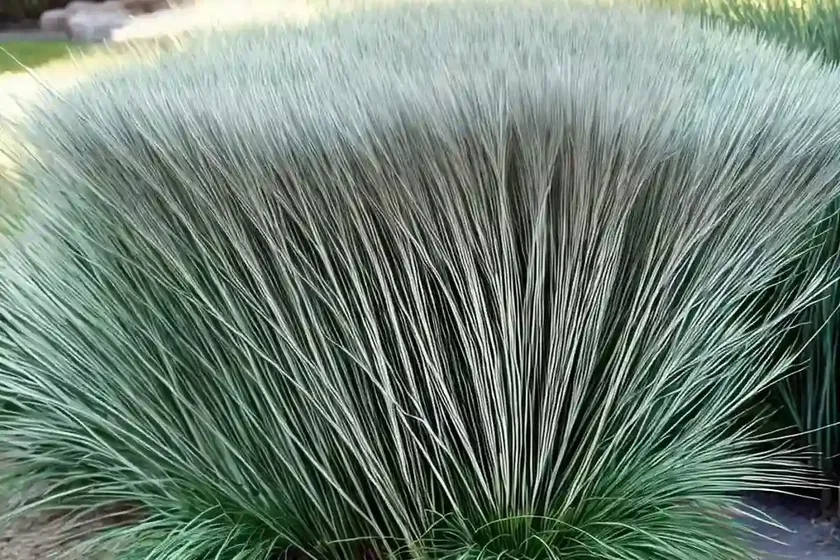
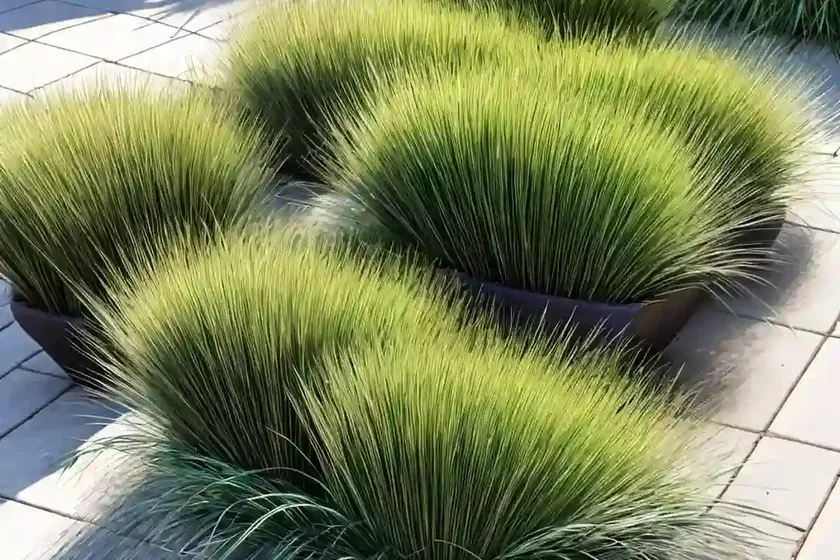
In the world of ornamental and groundcover plants, the Ophiopogon japonicus ‘Nana,’ commonly known as Mondo Grass or Dwarf Mondo Grass, has garnered significant attention. This versatile and low-maintenance plant is a favorite of gardeners and landscapers due to its adaptability and aesthetic appeal. In this comprehensive guide, we will explore the various aspects of Ophiopogon japonicus ‘Nana,’ including its cultural requirements, uses, maintenance tips, and more. Whether you are a seasoned horticulturist or a gardening enthusiast, this article will provide valuable insights into harnessing the potential of this remarkable plant.
What is Ophiopogon japonicus ‘Nana’?
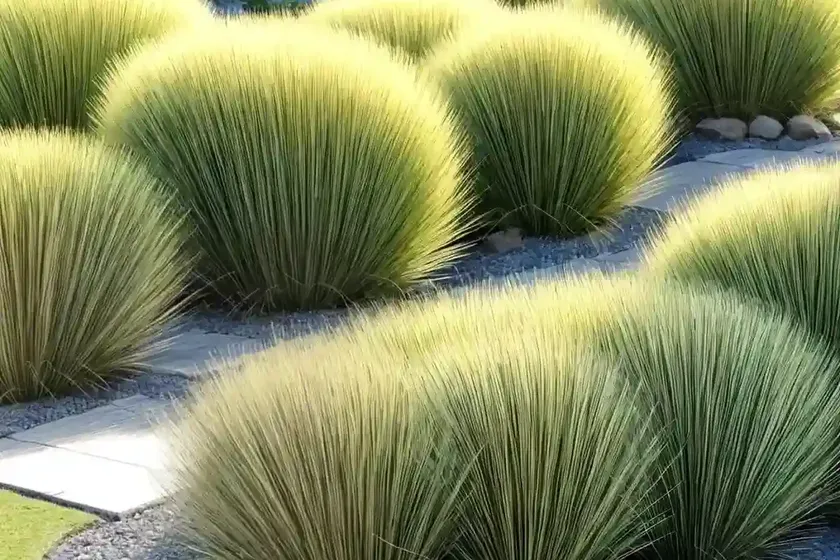
Ophiopogon japonicus ‘Nana,’ a variety of the species Ophiopogon japonicus, is a perennial evergreen plant native to East Asia, particularly Japan, China, and Vietnam. It belongs to the Asparagaceae family and is characterized by its dense, grass-like foliage and low-growing habit. The plant is renowned for its use as a groundcover, adding a lush carpet of green to various landscape settings. Its compact size and adaptability make it a popular choice for borders, rock gardens, containers, and shaded areas.
Key Takeaways – Ophiopogon japonicus ‘Nana’ (Mondo Grass)
Before delving into the specific aspects of Ophiopogon japonicus ‘Nana,’ let’s highlight some key takeaways that will guide our exploration of this captivating plant:
- Plant Name: Ophiopogon japonicus ‘Nana’ (Mondo Grass)
- Aliases: Dwarf Mondo Grass, Japanese Mondo Grass, Ophiopogon ‘Nana’
- Attributes: Low-growing, evergreen, ornamental grass
- Cultural Preferences: Shade-loving, versatile groundcover
- Uses: Groundcover, borders, containers, rock gardens
- Characteristics: Compact growth habit, dense foliage, low maintenance
- Popularity: Widely favored in landscaping and gardening
- Challenges: Susceptible to common pests and diseases
With these key takeaways in mind, let’s embark on a detailed exploration of Ophiopogon japonicus ‘Nana’ and uncover the nuances of its culture, usage, maintenance, and more.
Culture
Understanding the cultural requirements of Ophiopogon japonicus ‘Nana’ is crucial for fostering its optimal growth and ensuring its longevity in a garden or landscape setting.
Water
Ophiopogon japonicus ‘Nana’ thrives in consistently moist, well-draining soil. While it prefers slightly acidic to neutral soil pH, it is adaptable to a range of soil types, including clay, loamy, and sandy soils. Adequate moisture is essential, especially during the plant’s establishment phase and in periods of prolonged drought. However, it is essential to avoid waterlogged conditions, as excessive moisture can lead to root rot and other related issues.
Sunlight
As a shade-loving plant, Ophiopogon japonicus ‘Nana’ excels in partial to full shade environments. It is well-suited for areas with limited direct sunlight, making it a valuable addition to shaded borders, under tree canopies, and other similar settings. While it can tolerate some morning sun or dappled light, prolonged exposure to intense sunlight should be avoided, as it may lead to foliage discoloration and reduced vigor.
Fertilizer
When it comes to fertilization, Ophiopogon japonicus ‘Nana’ is relatively low-maintenance. A balanced, slow-release fertilizer applied in spring can provide the necessary nutrients for healthy growth. It is advisable to follow the manufacturer’s recommendations regarding application rates and timing to prevent overfeeding, which can be detrimental to the plant. Additionally, organic amendments such as compost can enrich the soil and support the plant’s overall vitality.
Soil
The adaptability of Ophiopogon japonicus ‘Nana’ to various soil types makes it a versatile choice for different landscape scenarios. While it prefers well-draining soil, it can tolerate a wide range of soil textures and compositions. Prior to planting, it is beneficial to amend the soil with organic matter to enhance its structure and fertility. Mulching around the plant can help conserve soil moisture, suppress weed growth, and provide insulation during temperature fluctuations.
Pruning
Pruning is an essential aspect of maintaining the aesthetic appeal and health of Ophiopogon japonicus ‘Nana.’ Regular removal of any damaged or discolored foliage helps promote air circulation and reduces the risk of disease. Additionally, periodic trimming can prevent the plant from becoming overgrown and maintain its desired form. When pruning, it is advisable to use sanitized cutting tools to minimize the risk of transmitting diseases between plants.
Propagation
The propagation of Ophiopogon japonicus ‘Nana’ can be achieved through several methods, including division and seed propagation. Division, which involves separating the plant into smaller sections with viable roots, is a common and effective technique. This is typically done in early spring or fall, allowing the divided segments to establish themselves before the onset of adverse weather conditions. Seed propagation is also a viable option, though it may require more time and effort compared to division.
Container Popularity
The compact size and attractive foliage of Ophiopogon japonicus ‘Nana’ make it well-suited for cultivation in containers and pots. Its adaptability to partial shade conditions enables it to thrive on patios, balconies, and other outdoor spaces with limited direct sunlight. When grown in containers, it is crucial to ensure adequate drainage and provide regular watering to maintain the soil moisture levels. Furthermore, selecting a suitable potting mix that offers good aeration and moisture retention is essential for the plant’s overall well-being.
Common Diseases
While generally resilient, Ophiopogon japonicus ‘Nana’ is susceptible to certain diseases and disorders that can impact its growth and appearance. Understanding these potential issues is essential for implementing preventive measures and timely interventions.
Disease Diagnosis
Some common diseases and disorders that may affect Ophiopogon japonicus ‘Nana’ include:
- Leaf Spot: Characterized by the presence of dark, water-soaked spots on the foliage, leaf spot can be caused by various fungal pathogens. Maintaining good air circulation, avoiding overhead watering, and removing affected leaves can mitigate the spread of the disease.
- Root Rot: Excessive soil moisture, particularly in poorly draining soil, can lead to root rot in Ophiopogon japonicus ‘Nana.’ Symptoms include wilting, yellowing foliage, and a decline in overall plant health. Improving drainage and adjusting watering practices can help prevent this issue.
- Anthracnose: This fungal disease can result in browning and necrosis of the foliage, diminishing the plant’s visual appeal. Pruning affected parts, promoting proper air circulation, and applying fungicidal treatments when necessary can aid in managing anthracnose.
It is important to monitor the plant regularly for any signs of disease or distress and take appropriate measures to address the underlying causes.
Common Pests
In addition to potential diseases, Ophiopogon japonicus ‘Nana’ may encounter certain pests that can compromise its vigor and appearance. Vigilance and proactive pest management strategies are integral to preserving the plant’s health.
Botanist’s Tips
As a botanist specializing in ornamental plants, I have had the opportunity to work closely with Ophiopogon japonicus ‘Nana’ and observe its characteristics in various settings. Based on my experience, I would like to share some insightful tips for cultivating and appreciating this remarkable plant:
-
Versatile Groundcover: The adaptability of Ophiopogon japonicus ‘Nana’ as a groundcover makes it an invaluable asset in both residential and commercial landscapes. Its ability to thrive in shaded areas and withstand varying soil conditions enhances its suitability for diverse applications.
-
Minimal Maintenance Requirements: Ophiopogon japonicus ‘Nana’ is well-regarded for its low-maintenance nature, requiring minimal attention once established. This makes it an ideal choice for busy homeowners and landscape professionals seeking plants that offer aesthetic value without demanding extensive care.
-
Complementary Combinations: When designing landscape compositions, consider incorporating Ophiopogon japonicus ‘Nana’ alongside other shade-loving plants, such as ferns, hostas, and heucheras. The contrasting foliage textures and colors create visually compelling arrangements that contribute to the overall visual appeal of the landscape.
-
Erosion Control: In garden settings with slopes or areas prone to erosion, Ophiopogon japonicus ‘Nana’ serves as an effective erosion control measure. Its dense root system and ground-hugging habit help stabilize soil and prevent the loss of valuable topsoil.
-
Year-Round Interest: The evergreen nature of Ophiopogon japonicus ‘Nana’ ensures that it provides visual interest throughout the year, even during the colder months. This makes it a valuable component of winter landscapes, where its vibrant green foliage stands out against the subdued winter palette.
Fun Facts
To further enrich your understanding of Ophiopogon japonicus ‘Nana’ and its place in horticulture, here are some engaging and illuminating fun facts about this captivating plant:
-
Cultural Significance: In traditional Japanese gardens, Mondo Grass, including the Dwarf variety, is often featured as a groundcover plant, contributing to the serene and contemplative ambiance that characterizes these landscapes.
-
Architectural Application: Ophiopogon japonicus ‘Nana’ is utilized by landscape architects to delineate pathways, create borders, and define specific areas within a garden through its distinctive growth habit and appearance.
-
Ecological Role: The dense growth of Ophiopogon japonicus ‘Nana’ provides shelter and foraging grounds for small wildlife, including insects and birds, contributing to the ecological value of garden spaces.
-
Historical Roots: The cultivation of Mondo Grass, particularly in Japan, has historical roots dating back centuries, with the plant being esteemed for its symbolism and practical benefits in traditional landscape design.
-
Global Appeal: Beyond its native range, Ophiopogon japonicus ‘Nana’ has gained popularity in various regions across the globe, where it is appreciated for its versatility and aesthetic contributions to landscape aesthetics.
To further expand your knowledge and explore additional insights into Ophiopogon japonicus ‘Nana’ and related topics, consider referring to the following external resources:
- Royal Horticultural Society (RHS) – Ophiopogon japonicus ‘Nana’
- Missouri Botanical Garden – Mondo Grass (Ophiopogon japonicus)
- University of Florida IFAS Extension – Dwarf Mondo Grass
In conclusion, Ophiopogon japonicus ‘Nana,’ with its charming demeanor and functional attributes, stands as a testament to the enduring allure of ornamental plants in horticulture. It continues to captivate individuals with its graceful presence and dependable performance, reaffirming its status as an indispensable component of diverse landscapes. By embracing the insights shared in this guide and nurturing an appreciation for the unique qualities of Ophiopogon japonicus ‘Nana,’ we can foster its legacy and celebrate its enduring relevance in the realm of horticulture.