Ophiopogon Japonicus (Mondo Grass)
Ophiopogon japonicus, commonly known as Mondo Grass, is a versatile and attractive plant species that has gained popularity in landscaping, gardening, and.
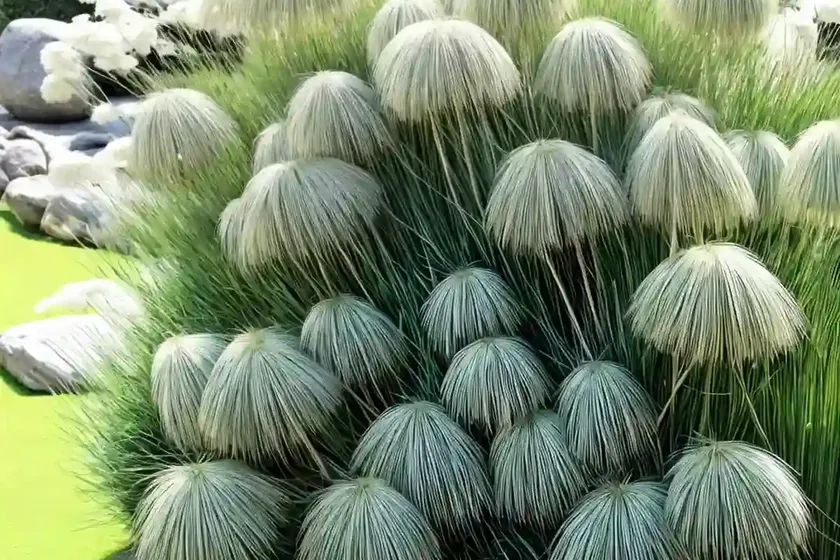
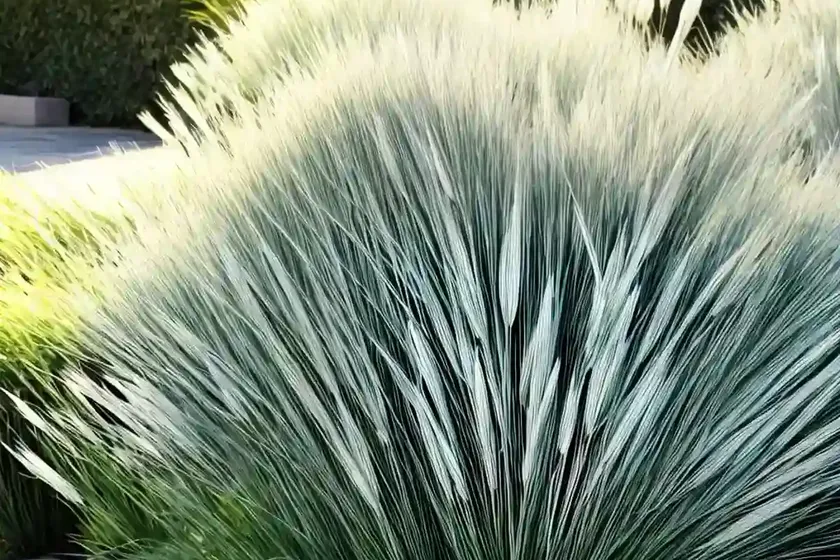

Ophiopogon japonicus, commonly known as Mondo Grass, is a versatile and attractive plant species that has gained popularity in landscaping, gardening, and horticulture. This plant is valued for its ornamental appeal, low maintenance requirements, and diverse uses in various environmental settings. In this comprehensive guide, we will delve into the various aspects of Ophiopogon japonicus, from its cultural requirements to its propagation methods, common diseases, and botanist’s tips for healthy growth. Whether you are an avid gardener, a landscaping enthusiast, or a plant lover, this guide will equip you with the knowledge and skills to cultivate and enjoy the beauty of Ophiopogon japonicus.
What is Ophiopogon japonicus (Mondo Grass)?
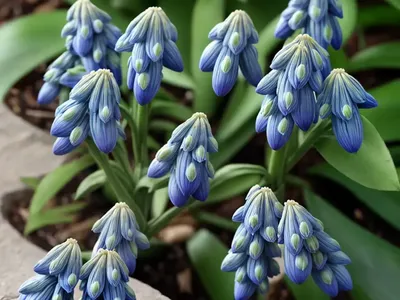
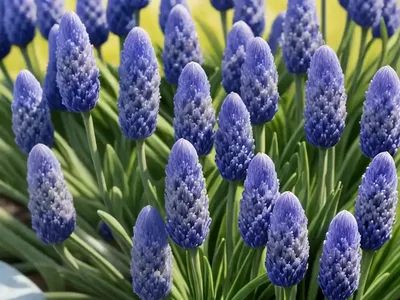
Ophiopogon japonicus, belonging to the Asparagaceae family, is a species of perennial plant native to East Asia, particularly Japan, Korea, and China. It is commonly referred to as Mondo Grass due to its resemblance to true grasses and its adaptability to various growing conditions. The plant features dense, tufted foliage consisting of narrow, elongated leaves that arch gracefully, giving it a distinctive and elegant appearance. Ophiopogon japonicus produces small, lilac-colored flowers in summer, followed by decorative dark blue or black berries, adding ornamental value to the plant.
The significance of Ophiopogon japonicus extends beyond its aesthetic appeal, as it serves practical and ecological purposes in different settings. From groundcover and border plants to container displays and erosion control, Mondo Grass has proven to be a valuable asset in landscaping and horticulture.
Key Takeaways – Ophiopogon japonicus (Mondo Grass)
Before delving into the specific aspects of Ophiopogon japonicus cultivation and maintenance, it is essential to emphasize the key takeaways associated with this versatile plant. The following points encapsulate the diverse uses and benefits of Mondo Grass, laying the foundation for a comprehensive understanding of its characteristics and applications:
- Ophiopogon japonicus offers ornamental value with its elegant, tufted foliage and decorative berries, making it an attractive choice for landscaping and garden designs.
- The plant demonstrates resilience and adaptability, thriving in various environmental conditions, including shade gardens, coastal landscapes, and urban gardens.
- Mondo Grass serves multiple purposes, from groundcover and erosion prevention to container gardening and companion planting, contributing to the overall aesthetics and sustainability of outdoor spaces.
- Its low maintenance requirements, disease resistance, and drought-tolerant characteristics make Ophiopogon japonicus an ideal option for both novice and experienced gardeners, offering year-round appeal and minimal care needs.
With these key takeaways in mind, let us explore the specific cultural requirements, maintenance practices, and unique features of Ophiopogon japonicus, shedding light on its versatile nature and contributions to the world of horticulture and landscaping.
Culture
Cultivating Ophiopogon japonicus entails understanding its specific cultural requirements, including water, sunlight, fertilizer, soil, and pruning practices. By providing an optimal growing environment, gardeners and horticulturists can ensure the healthy development and longevity of Mondo Grass, maximizing its ornamental and practical benefits.
Water
Proper watering is crucial for the health and vigor of Ophiopogon japonicus, especially during its establishment phase and periods of active growth. The plant exhibits moderate water needs, preferring consistently moist soil without waterlogging. When planted in the ground, Mondo Grass benefits from regular watering, particularly during dry spells or prolonged periods of insufficient rainfall.
Watering Needs:
- Newly planted Ophiopogon japonicus should be watered regularly, ensuring that the soil remains evenly moist but not waterlogged.
- Established plants require thorough watering during dry periods, with an emphasis on maintaining soil moisture without creating waterlogged conditions.
Sunlight
Sunlight plays a significant role in determining the growth and performance of Ophiopogon japonicus. While the plant is adaptable to different light conditions, it thrives in partial to full shade, making it an excellent choice for shaded areas and understory plantings.
Sunlight Requirements:
- Partial shade to full shade is ideal for Ophiopogon japonicus, as it fosters robust growth and vibrant foliage.
- In hotter climates, providing protection from intense afternoon sun can prevent stress and sunburn on the plant’s leaves.
Fertilizer
Fertilizing Ophiopogon japonicus can enhance its vitality and ornamental appeal, especially when applied judiciously during the growing season. Selecting a balanced, slow-release fertilizer can provide the necessary nutrients for healthy growth and encourage the development of lush foliage.
Fertilization Tips:
- Apply a balanced, slow-release fertilizer in spring to promote vigorous growth and vibrant foliage.
- Avoid over-fertilizing Mondo Grass, as excessive nitrogen levels can lead to excessive vegetative growth at the expense of its ornamental berries.
Soil
The choice of soil and its quality directly impacts the overall health and performance of Ophiopogon japonicus. Well-draining, fertile soils with adequate organic matter contribute to optimal root development and overall plant vigor.
Soil Requirements:
- Plant Ophiopogon japonicus in well-draining, loamy soil with good fertility, ensuring adequate moisture retention without waterlogged conditions.
- Incorporate organic matter, such as compost, into the soil at the time of planting to improve its structure and nutrient content.
Pruning
Pruning is an essential aspect of Ophiopogon japonicus maintenance, as it helps manage the plant’s size, shape, and overall appearance. By removing old foliage and spent flower stems, gardeners can rejuvenate Mondo Grass and maintain its aesthetic appeal throughout the year.
Pruning Guidelines:
- Remove old or discolored foliage from Ophiopogon japonicus to encourage the growth of fresh leaves and maintain a tidy appearance.
- Trim back spent flower stems to ensure the plant’s energy is directed towards foliage production and berry formation.
Uses
Ophiopogon japonicus offers a wide range of uses in landscaping, gardening, and horticulture, contributing to the visual appeal, ecological sustainability, and practical functionality of outdoor spaces. From its role as groundcover and border plants to its applications in erosion control and container gardening, Mondo Grass has proven to be a versatile and valuable addition to various environmental settings.
Landscaping Uses:
- Groundcover: Ophiopogon japonicus serves as an excellent groundcover, spreading slowly to form a lush mat of foliage that suppresses weeds and provides a uniform green backdrop in gardens and landscapes.
- Border Plants: Use Mondo Grass as border plants to define pathways, garden beds, and borders, creating a neat and structured outline for garden designs.
- Erosion Control: The dense root system of Ophiopogon japonicus helps in stabilizing soil and preventing erosion on slopes, embankments, and undulating landscapes.
- Rock Gardens: Incorporate Mondo Grass into rock gardens to add contrasting texture, color, and form, creating visual interest and naturalistic compositions within the landscape.
Gardening Uses:
- Container Gardening: Utilize Ophiopogon japonicus in container displays, hanging baskets, and decorative planters, adding a touch of elegance to outdoor and indoor settings.
- Indoor Gardening: Mondo Grass is suitable for indoor gardening, thriving in low-light conditions and contributing to the aesthetic appeal of interior spaces.
Ecological Uses:
- Wildlife Attraction: Ophiopogon japonicus attracts pollinators and wildlife, promoting biodiversity and ecological balance in outdoor environments.
By embracing the diverse uses of Ophiopogon japonicus, gardeners, landscapers, and horticulturists can harness its versatility and functionality to create visually captivating and ecologically sustainable outdoor spaces.
Propagation
The propagation of Ophiopogon japonicus involves various methods, including division, seeds, and offsets, each offering unique opportunities to expand the plant’s presence in gardens and landscapes. By understanding these propagation techniques, individuals can propagate Mondo Grass effectively and sustainably, ensuring an abundant supply for their desired applications.
Division:
- Divide established clumps of Ophiopogon japonicus in early spring before new growth emerges, ensuring each division contains both roots and shoots.
- Replant the divisions at the same depth as the parent plant, providing adequate moisture and care to facilitate their establishment and subsequent growth.
Seeds:
- Collect mature berries from Ophiopogon japonicus in late summer or early fall, extracting the seeds and sowing them in containers or prepared garden beds.
- Keep the soil consistently moist and provide indirect light for the germination and development of Mondo Grass seedlings.
Offsets:
- Mondo Grass produces offsets or runners, which can be carefully detached from the parent plant and replanted in suitable growing locations.
- Ensure that the offsets have a sufficient root system and healthy foliage to support their establishment and subsequent growth.
By employing these propagation methods, gardeners and horticulturists can expand their collection of Ophiopogon japonicus, integrating its ornamental and practical benefits into a wider range of garden and landscape settings.
Container Popularity
The popularity of Ophiopogon japonicus in container gardening has surged in recent years, as its graceful foliage, low maintenance requirements, and adaptability to diverse light conditions make it an ideal choice for container displays and floral arrangements. Whether used alone as a specimen plant or combined with complementary companions, Mondo Grass adds a touch of elegance and sophistication to outdoor spaces, balconies, patios, and interior settings.
Container Selection:
- Choose containers with adequate drainage holes to ensure proper water management and prevent waterlogging, which can adversely affect the health of Ophiopogon japonicus.
Complementary Plants:
- Pair Mondo Grass with complementary container plants, such as ferns, heucheras, and hostas, to create visually appealing and harmonious arrangements.
Maintenance:
- Monitor the moisture levels in the container, watering Ophiopogon japonicus as needed to maintain evenly moist soil without waterlogging.
- Provide occasional fertilization to support the plant’s growth and vitality, using a balanced, water-soluble fertilizer at half-strength during the growing season.
By embracing the container popularity of Ophiopogon japonicus, enthusiasts and gardeners can elevate their outdoor and indoor spaces with the timeless elegance and natural beauty of Mondo Grass.
Common Diseases
While Ophiopogon japonicus is known for its disease resistance and resilience, it may still be susceptible to certain common diseases that can impact its overall health and vigor. Identifying and addressing these diseases promptly is essential for maintaining the well-being of Mondo Grass and preventing the spread of infections in the garden or landscape.
Disease Diagnosis:
- Anthracnose: Characterized by dark, sunken lesions on leaves and stems, anthracnose may affect Ophiopogon japonicus during periods of prolonged moisture and humidity. Proper sanitation and the use of fungicidal treatments can help manage the spread of anthracnose.
Disease Management:
- Rust: Rust infections manifest as orange or yellowish spots on plant leaves, signaling the presence of fungal pathogens. Prune and remove affected foliage, reducing humidity around the plant and applying appropriate fungicidal treatments to prevent the spread of rust.
Common Pests
The resilience of Ophiopogon japonicus against pests contributes to its overall appeal as a low-maintenance and disease-resistant plant. However, certain common pests may still pose occasional challenges to the health and aesthetics of Mondo Grass, requiring vigilance and proactive management to prevent significant damage.
Pest Identification:
- Aphids: These small, sap-sucking insects may infest Ophiopogon japonicus, causing stunted growth and deformed foliage. Natural predators, insecticidal soaps, and horticultural oils can help control aphid populations without harming beneficial insects.
By staying vigilant and implementing appropriate pest management measures, gardeners and horticulturists can ensure the continued health and vitality of Ophiopogon japonicus in various environmental settings.
Botanist’s Tips
The expertise and insights of botanists play a pivotal role in the successful cultivation and maintenance of Ophiopogon japonicus. Botanists offer valuable tips and recommendations based on their knowledge of plant biology, ecology, and horticulture, providing enthusiasts and practitioners with the guidance needed to foster thriving and sustainable plant populations.
Botanist’s Advice:
- Select suitable growing locations for Ophiopogon japonicus based on its light and moisture requirements, ensuring that the plant’s natural attributes are accommodated and supported.
- Incorporate Ophiopogon japonicus into diverse landscaping designs, taking advantage of its adaptability and ornamental qualities to create visually captivating and environmentally sustainable outdoor environments.
- Prioritize soil health and fertility when cultivating Mondo Grass, enriching the soil with organic matter and providing adequate drainage to support robust root development and overall plant vigor.
By heeding the advice of botanists and experts, individuals can maximize the ornamental and practical benefits of Ophiopogon japonicus, fostering a deeper appreciation for its unique characteristics and ecological contributions.
Fun Facts
Delving into the realm of Ophiopogon japonicus reveals fascinating and intriguing aspects that enhance the plant’s allure and significance in horticulture and landscaping. These fun facts shed light on the distinctive qualities and historical relevance of Mondo Grass, adding a layer of fascination to its presence in outdoor spaces and interior settings.
Historical Significance:
- Ophiopogon japonicus has been cultivated in East Asia for centuries, with its foliage and berries holding symbolic and medicinal value in traditional practices and cultural rituals.
Ecological Contributions:
- Mondo Grass serves as a valuable component in ecosystem restoration and conservation efforts, stabilizing soil, promoting biodiversity, and enhancing the aesthetic appeal of natural landscapes.
Versatile Applications:
- From traditional gardens and courtyard designs to modern urban landscapes and interior spaces, Ophiopogon japonicus adapts to diverse settings and fulfills multiple roles with its elegant and resilient nature.
These fun facts encompass the historical, ecological, and practical dimensions of Ophiopogon japonicus, unveiling its time-honored legacy and contemporary relevance in the world of plants and horticulture.
Links to External Resources
The following links to external resources provide additional information, insights, and practical guidance on Ophiopogon japonicus, enriching the reader’s understanding and appreciation of this versatile and attractive plant species:
- Ophiopogon japonicus: A Versatile Groundcover
- Mondo Grass: The Ornamental Wonder
- Cultivating Mondo Grass in Your Garden
By exploring these external resources, individuals can gain comprehensive insights and practical tips for the cultivation, maintenance, and creative applications of Ophiopogon japonicus, fostering a deeper connection to the plant and its diverse uses.
In conclusion, Ophiopogon japonicus, known as Mondo Grass, embodies elegance, resilience, and practicality, making it a cherished addition to gardens, landscapes, and horticultural endeavors. Its versatile applications, low maintenance requirements, and ornamental value contribute to its enduring popularity and significance in the world of plants. By embracing the cultural requirements, propagation methods, and unique features of Ophiopogon japonicus, individuals can cultivate and appreciate the timeless beauty and functional benefits of Mondo Grass in various environmental settings, embodying the harmony between nature and human creativity.
This comprehensive guide aims to provide an in-depth understanding of Ophiopogon japonicus, popularly known as Mondo Grass, covering its cultural requirements, uses, propagation methods, common diseases, and botanist’s tips. By emphasizing its versatility and ornamental appeal, this guide equips readers with the knowledge and skills to cultivate, maintain, and enjoy the elegance of Ophiopogon japonicus in diverse outdoor and indoor settings. Whether utilized as groundcover, border plants, or container displays, Mondo Grass enriches the visual aesthetics and ecological sustainability of gardens, landscapes, and urban environments, embodying the enduring legacy of nature’s beauty and resilience.