Oenothera Pallida (Pale Evening Primrose)
Oenothera pallida, commonly known as Pale Evening Primrose, is a fascinating and valuable plant that has been revered for its beauty and utility for.
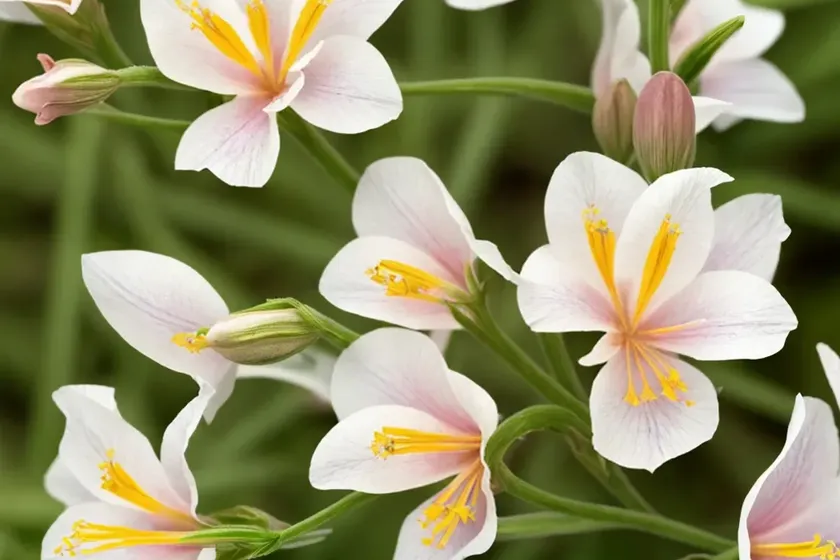
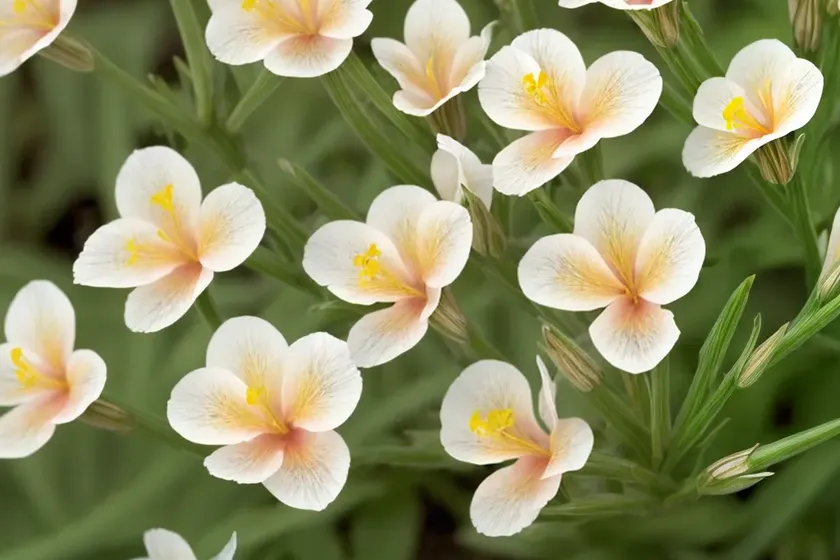
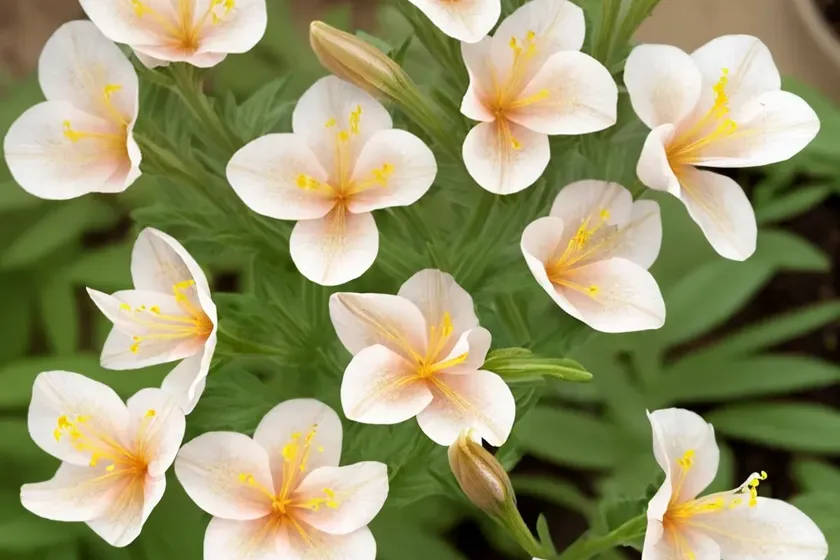
Oenothera pallida, commonly known as Pale Evening Primrose, is a fascinating and valuable plant that has been revered for its beauty and utility for centuries. In this comprehensive guide, we will delve into the various aspects of Oenothera pallida, including its culture, uses, care requirements, diseases, pests, and much more. Whether you are an avid gardener, a botany enthusiast, or someone looking to explore the diverse world of plants, this guide will provide you with valuable insights into the intriguing world of Oenothera pallida.
What is Oenothera Pallida (Pale Evening Primrose)?
Oenothera pallida, a species in the Onagraceae family, is a herbaceous perennial plant native to North America. It is characterized by its delicate pale pink or white flowers that bloom in the evening, emitting a sweet, intoxicating fragrance. The plant’s slender stems and lance-shaped leaves add to its visual appeal, making it a popular choice for ornamental gardening.
Key Takeaways – Oenothera Pallida (Pale Evening Primrose)
Before we delve into the specifics of this captivating plant, let’s take a quick look at the key takeaways for Oenothera pallida:
-
Oenothera Pallida Facts: Understanding the fundamental facts about Oenothera pallida provides essential insights into its characteristics and growth requirements.
-
Pale Evening Primrose Plant: Exploring the physical attributes and unique features of the Pale Evening Primrose contributes to a deeper understanding of its botanical significance.
-
Oenothera Pallida Care: Knowing the specific care requirements for Oenothera pallida is crucial for ensuring its optimal growth and health.
-
Growing Pale Evening Primrose: Insight into the growth patterns and conditions favorable for Pale Evening Primrose aids in successful cultivation.
-
Pale Evening Primrose Flowers: Appreciating the beauty and significance of the Pale Evening Primrose’s flowers enriches the overall gardening experience.
-
Oenothera Pallida Medicinal Uses: Exploring the potential medicinal properties and uses of Oenothera pallida sheds light on its broader benefits.
Now, let’s explore Oenothera pallida in detail, covering its culture, uses, care requirements, and various other aspects that make it a remarkable addition to gardens and natural landscapes.
Culture
Understanding the cultural requirements of Oenothera pallida is vital for creating an environment in which it can thrive. Here are some essential cultural considerations for this captivating plant:
Water
Oenothera pallida is well-adapted to dry, sandy, or rocky soils and is considered drought-tolerant once established. However, regular watering during the initial stages of growth and during prolonged dry spells is beneficial for maintaining optimal health and promoting flowering. When watering, it is important to ensure that the soil is well-draining to prevent waterlogging, which can be detrimental to the plant’s roots.
Sunlight
Pale Evening Primrose thrives in full sun to partial shade. It is important to provide the plant with adequate sunlight to encourage robust growth and prolific flowering. When cultivating Oenothera pallida, selecting a location that receives at least 6-8 hours of direct sunlight is recommended for optimal results.
Fertilizer
Oenothera pallida generally does not require heavy fertilization. However, applying a balanced fertilizer in early spring can provide a nutrient boost to support healthy growth and flowering. It is advisable to use a fertilizer with a balanced N-P-K ratio to ensure that the plant receives essential macronutrients in the appropriate proportions.
Soil
The soil in which Oenothera pallida is grown plays a significant role in its overall well-being. The plant thrives in well-draining, sandy or gravelly soils and is well-suited to rocky or xeric landscapes. It is important to avoid water-retentive or clayey soils, as they can lead to root rot and other detrimental conditions.
Pruning
Oenothera pallida generally requires minimal pruning. However, deadheading spent flowers can encourage prolonged and continuous blooming. Additionally, removing any damaged or diseased growth helps maintain the plant’s overall health and appearance.
Propagation
Propagation of Oenothera pallida can be accomplished through seed sowing or division. Collecting ripe seeds from the plant and sowing them in prepared soil in the desired location can yield new plants. Division of mature plants can also be carried out in early spring to create new clumps and expand the presence of Pale Evening Primrose in the garden.
Container Popularity
Oenothera pallida is well-suited to container cultivation, making it a popular choice for patio gardens, balconies, and other small spaces. The plant’s compact growth habit and visually appealing flowers make it an excellent option for adding charm and color to container arrangements.
Common Diseases
Pale Evening Primrose is generally resistant to most common plant diseases. However, it may be susceptible to fungal infections in conditions of prolonged high humidity or excessive moisture. Providing good air circulation and avoiding overhead watering can help prevent the onset of fungal diseases.
Disease Diagnosis
Fungal Infections: Signs of fungal infections may include wilting, yellowing or browning of leaves, and the presence of powdery mildew or other fungal growth on the plant’s surface.
Common Pests
Oenothera pallida is relatively resistant to pests. However, occasional infestations of aphids or spider mites may occur. Regular inspection of the plant and prompt intervention in the case of pest presence can help mitigate potential damage.
Botanist’s Tips
1. Native Habitat: Oenothera pallida is native to the central and southeastern regions of the United States and thrives in dry, open woodlands, prairies, and along roadsides.
2. Wildlife Attractor: The fragrant flowers of Pale Evening Primrose attract various pollinators, including bees and butterflies, making it a valuable plant for supporting local ecosystems.
3. Medicinal Uses: Traditionally, certain Native American tribes used parts of the Oenothera genus, including Oenothera pallida, for various medicinal purposes, such as treating skin conditions and stomach ailments.
Fun Facts
- The flowers of Oenothera pallida open in the evening, emitting a delightful fragrance that attracts nocturnal pollinators, such as moths.
- In some regions, the plant is referred to as “sundrops” due to its tendency to bloom profusely in the late afternoon and evening, creating a stunning visual display.
Links to External Resources
For further information and resources on Oenothera pallida, refer to the following:
– The Plant List – Oenothera pallida
– Missouri Botanical Garden – Oenothera pallida
– Royal Horticultural Society – Oenothera pallida
In conclusion, Oenothera pallida, or Pale Evening Primrose, is a captivating plant with a rich history and a range of valuable attributes. Whether grown for its ornamental beauty, ecological contributions, or potential medicinal uses, this plant holds a special place in the natural world. By understanding its cultural requirements, uses, and unique characteristics, gardeners and plant enthusiasts can appreciate and cultivate Oenothera pallida to its fullest potential, adding allure and ecological significance to their surroundings.


