Oenothera Biennis (Common Evening Primrose)
As a plant scientist, I am excited to delve into the fascinating world of Oenothera biennis, commonly known as the Common Evening Primrose. This plant.
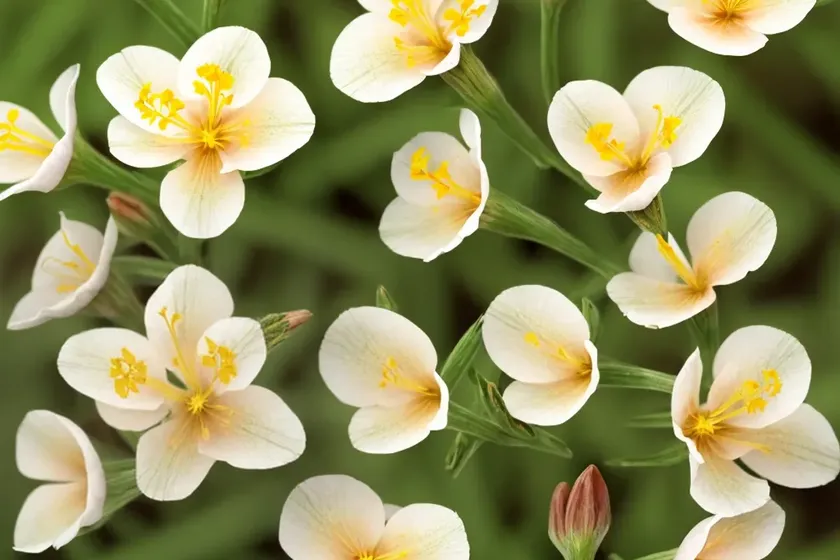
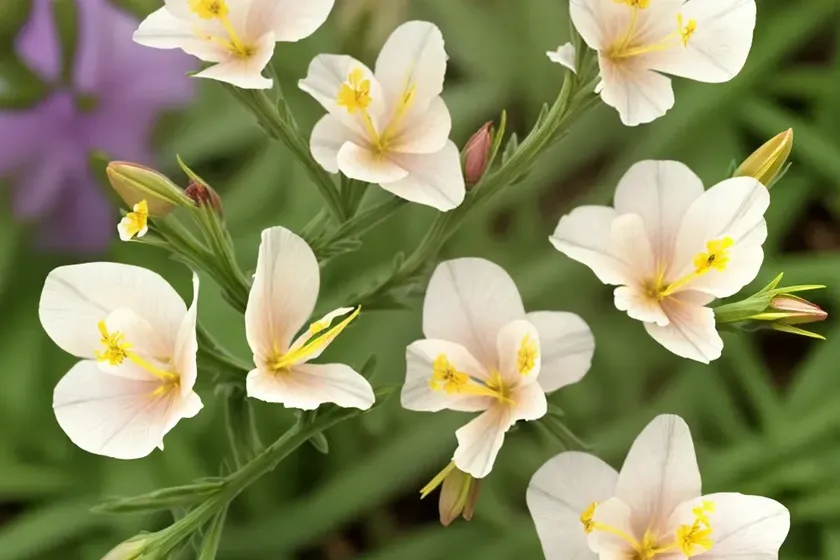
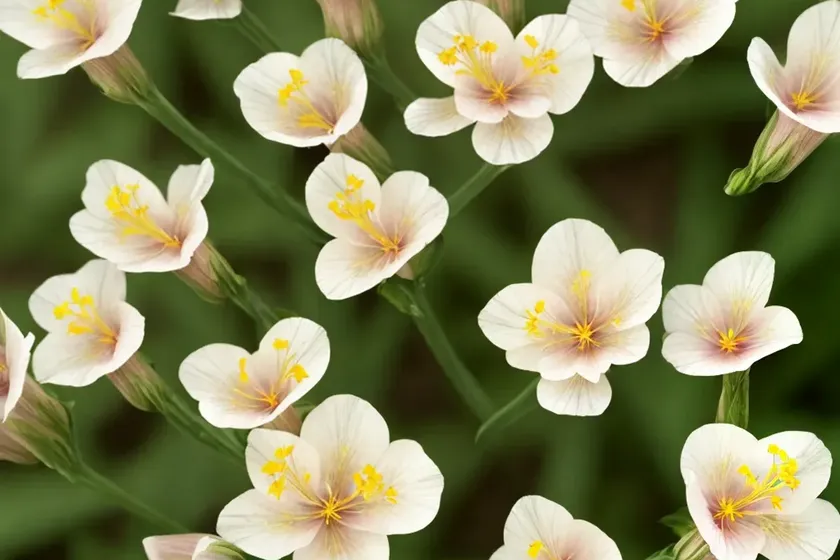
As a plant scientist, I am excited to delve into the fascinating world of Oenothera biennis, commonly known as the Common Evening Primrose. This plant holds remarkable cultural, medicinal, and environmental significance, making it a captivating subject of study and cultivation. In this comprehensive guide, we will explore the various aspects of Oenothera biennis, from its cultural uses to its propagation and maintenance. Additionally, we will uncover the therapeutic and nutritional properties of this plant, shedding light on its potential health benefits and traditional uses.
What is Oenothera biennis?
Oenothera biennis, belonging to the Onagraceae family, is a biennial flowering plant native to North America. Also known as the Common Evening Primrose, it is recognized for its distinctive yellow blossoms that unfurl in the evening, emitting a delightful fragrance. The plant’s scientific name, “Oenothera,” is derived from the Greek words “oinos” and “theras,” meaning “wine” and “hunter” respectively, which alludes to the belief that the roots could be used to treat hangovers.
Key Takeaways – Oenothera biennis
Before delving into the specifics of Oenothera biennis, let’s outline some key takeaways that will guide our exploration of this remarkable plant.
- Cultural Uses: Oenothera biennis has been historically revered for its cultural and medicinal significance, with various parts of the plant being utilized for traditional remedies.
- Water: Moderate watering is essential to support the growth and development of Oenothera biennis.
- Sunlight: This plant thrives in full sunlight or partial shade, making it adaptable to different light conditions.
- Fertilizer: While Oenothera biennis is relatively low-maintenance, a balanced fertilizer application can support its healthy growth.
- Soil: Well-draining, sandy soil is ideal for cultivating Common Evening Primrose.
- Pruning: Minimal pruning is required, primarily to remove old flower stalks and maintain the plant’s shape.
- Propagation: Oenothera biennis can be propagated through seeds or by dividing mature plants.
- Container Popularity: Growing Oenothera biennis in containers is gaining popularity, especially for gardeners with limited space.
- Common Diseases: The plant is susceptible to fungal diseases such as powdery mildew and rust, which can be mitigated through proper care and management.
- Common Pests: Aphids and caterpillars are common pests that may affect Oenothera biennis, requiring proactive pest control measures.
- Botanist’s Tips: Understanding the growth habits and ecological preferences of Oenothera biennis is crucial for successful cultivation.
- Fun Facts: Exploring the intriguing folklore and cultural symbolism associated with Oenothera biennis adds an enchanting dimension to its botanical appeal.
With these key takeaways in mind, we are ready to embark on a detailed exploration of Oenothera biennis, uncovering its characteristics, cultivation requirements, and diverse uses.
Culture
The cultural significance of Oenothera biennis spans centuries, with indigenous communities and traditional healers harnessing the plant’s properties for various purposes. From medicinal applications to symbolic representations in folklore, Oenothera biennis has left an indelible mark on numerous cultures.
Medicinal Uses
Evening Primrose Oil Benefits: Evening primrose oil, extracted from the seeds of Oenothera biennis, is renowned for its rich content of gamma-linolenic acid (GLA) and its potential therapeutic properties. This oil has been used as a traditional remedy for addressing conditions such as eczema, arthritis, and premenstrual syndrome (PMS). Research has also explored its role in supporting skin health and hormonal balance.
Oenothera biennis Therapeutic Uses: Beyond evening primrose oil, various parts of Oenothera biennis, including the roots and leaves, have been employed in traditional medicine. The plant has been associated with anti-inflammatory, analgesic, and sedative properties, making it a valued resource in herbal medicine.
Common Evening Primrose Herbal Remedies: Traditional herbal remedies utilizing Oenothera biennis have been passed down through generations, with infusions and poultices prepared for addressing a range of ailments. These remedies often leverage the plant’s purported anti-inflammatory and soothing effects.
Symbolism and Folklore
Oenothera biennis Flower Symbolism: In cultural folklore, the evening primrose flower is often associated with enchantment, renewal, and the mystical realm. Its delicate blooms, which unfurl during twilight, have inspired tales and traditions across different societies.
Cultural Significance: Various cultures have attributed special significance to Oenothera biennis, integrating it into rituals and ceremonies symbolizing transformation, inner harmony, and natural beauty. This plant’s cultural resonance illustrates the profound impact of botanical species on human creativity and belief systems.
Uses
The uses of Oenothera biennis are multifaceted, encompassing both traditional applications and contemporary pursuits of wellness and sustainability. From its therapeutic properties to its value as an ornamental plant, Oenothera biennis continues to captivate enthusiasts and researchers alike.
Medicinal Applications
Oenothera biennis Herbal Supplements: With a focus on holistic wellness, herbal supplements derived from Oenothera biennis have gained recognition for their potential health benefits. These supplements often aim to leverage the plant’s natural constituents to support various aspects of health, including skin vitality and hormonal balance.
Evening Primrose Oil Supplements: Evening primrose oil is a sought-after dietary supplement, lauded for its GLA content and its potential to alleviate symptoms associated with inflammatory conditions and hormonal imbalances.
Traditional Uses: Traditional healers and herbalists have long revered Oenothera biennis for its diverse therapeutic uses, encompassing digestive health, joint function, and women’s wellness. The plant’s roots, leaves, and seeds have been key components of these traditional remedies.
Ornamental Value
Gardening with Common Evening Primrose: As an ornamental plant, Oenothera biennis adds a touch of elegance to garden landscapes, especially during the evening hours when its blossoms unfurl, filling the air with a delicate fragrance. This ornamental appeal has led to its integration into garden designs and floral arrangements.
Environmental Impact
Oenothera biennis Habitat: Given its adaptability, Common Evening Primrose plays a role in various ecosystems, contributing to the biodiversity of habitats such as grasslands and prairies. Its ability to thrive in diverse environmental conditions underscores its ecological significance.
Environmental Importance: Beyond its ecological role, Oenothera biennis also demonstrates resilience in disturbed habitats, making it an important species for ecological restoration and sustainable landscaping initiatives.
Cultivation
Successful cultivation of Oenothera biennis requires an understanding of its specific requirements, including water, sunlight, soil, and maintenance practices. By providing an optimal environment, gardeners can harness the plant’s full potential and enjoy its ornamental beauty.
Water
Watering Frequency: Oenothera biennis benefits from moderate watering, especially during periods of dryness. Adequate soil moisture supports healthy growth and flowering, ensuring that the plant thrives throughout its lifecycle.
Soil Moisture: While the plant can tolerate short periods of drought, consistent soil moisture is essential, particularly during the initial stages of growth and establishment. Well-draining soil helps prevent waterlogging, which can be detrimental to the plant’s health.
Sunlight
Sunlight Requirements: Oenothera biennis flourishes in full sunlight or partial shade, making it adaptable to various light conditions. When provided with ample sunlight, the plant develops sturdy stems and vibrant blooms, enhancing its visual appeal.
Growing Conditions: Selecting an appropriate location with sufficient sunlight is crucial for promoting robust growth and blooming in Oenothera biennis. Careful consideration of light exposure contributes to the plant’s overall vigor and performance.
Soil
Optimal Soil Type: Well-draining, sandy soil with a slightly acidic to neutral pH range is well-suited for cultivating Oenothera biennis. This type of soil facilitates root development and prevents waterlogging, promoting overall plant health.
Soil Preparation: Prior to planting, preparing the soil by incorporating organic matter and ensuring proper drainage sets the stage for successful cultivation. Amending the soil to meet the plant’s requirements establishes a favorable growing environment.
Fertilizer
Balanced Fertilization: While Oenothera biennis is relatively low-maintenance, supplementing the soil with a balanced fertilizer can enhance its growth and blooming potential. A gradual-release fertilizer applied during the growing season supports nutrient uptake and overall vitality.
Fertilizer Application: Applying fertilizer in early spring and midsummer provides Oenothera biennis with the essential nutrients it needs for robust growth and flower production. Following recommended application rates prevents excess fertilization, which can lead to imbalances and potential issues.
Pruning
Maintenance Pruning: Minimal pruning is generally required for Oenothera biennis, primarily involving the removal of spent flowers and occasional tidying of the plant. This practice promotes continuous blooming and helps maintain the plant’s appearance.
Pruning Techniques: Deadheading spent blooms encourages the production of new flowers and prevents the plant from expending energy on seed development. Pruning can also address any overgrowth or straggly growth habits, enhancing the plant’s overall form.
Propagation
Seed Propagation: Oenothera biennis can be propagated from seeds, presenting an accessible and reliable method for expanding the plant population. Direct sowing of seeds in the desired location or in containers facilitates the establishment of new plants.
Division: Dividing mature Oenothera biennis plants allows for the creation of additional specimens, particularly in garden settings. This method of propagation can rejuvenate overgrown plants and provide opportunities for sharing with other enthusiasts.
Container Popularity
The versatility and ornamental appeal of Oenothera biennis have contributed to its growing popularity as a container plant. Container gardening offers a convenient and space-saving approach to cultivating this charismatic species.
Container Selection: Choosing well-draining containers of adequate size ensures that Oenothera biennis thrives in a container environment, with sufficient space for root development and stability.
Cultural Considerations: When grown in containers, Oenothera biennis requires consistent attention to watering, sunlight exposure, and soil fertility. Monitoring the plant’s needs within a container setting is key to its successful growth.
Aesthetic Appeal: The vibrant blooms and graceful foliage of Oenothera biennis make it an appealing choice for container gardening, adding charm to balconies, patios, and other outdoor living spaces.
Common Diseases
Although Oenothera biennis is relatively resilient, it can be vulnerable to certain diseases that may affect its overall health and vigor. Recognizing common diseases and their associated symptoms enables proactive management and prevention strategies.
Disease Diagnosis
Powdery Mildew: This fungal disease manifests as a powdery, white substance on the plant’s foliage, often leading to stunted growth and reduced flowering. Adequate air circulation and preventive fungicidal treatments can help address powdery mildew.
Rust: Rust infections present as yellowish-orange spores on the leaves and stems of Oenothera biennis. Regular inspection and appropriate fungicidal applications aid in managing and controlling rust infestations.
Preventive Measures: Implementing good cultural practices, such as proper spacing, adequate ventilation, and selecting disease-resistant varieties, contributes to minimizing the risk of common diseases.
Common Pests
In addition to diseases, Oenothera biennis may encounter pests that can compromise its health and appearance. Identifying and addressing common pests is integral to preserving the plant’s vitality.
Pest Identification
Aphids: These small, sap-sucking insects can infest the tender growth of Oenothera biennis, causing distortion and discoloration of the affected plant parts. Natural predators, horticultural oils, and insecticidal soaps offer effective control measures.
Caterpillars: Certain caterpillar species may feed on the foliage of Oenothera biennis, leading to visible damage and potential defoliation. Regular monitoring and biological control agents aid in managing caterpillar populations.
Integrated Pest Management: Integrating cultural, biological, and selective chemical control methods forms a comprehensive approach to pest management, safeguarding Oenothera biennis from detrimental infestations.
Botanist’s Tips
Understanding the growth habits and ecological preferences of Oenothera biennis empowers gardeners to cultivate and appreciate this remarkable plant to its fullest potential. Here are some essential tips for successful cultivation and maintenance:
- Ecological Adaptability: Oenothera biennis demonstrates adaptability to various environmental conditions, making it well-suited for inclusion in diverse landscapes and garden settings.
- Pollinator Attraction: The fragrant blossoms of Oenothera biennis attract pollinators, contributing to the biodiversity and ecological balance of surrounding habitats.
- Optimal Planting: Selecting an appropriate site with well-draining soil and adequate sunlight is fundamental to promoting the health and flowering of Oenothera biennis.
- Consistent Care: Monitoring soil moisture, addressing any signs of stress, and providing occasional fertilizer applications support the overall vigor of Oenothera biennis.
- Seasonal Considerations: Adapting care routines to seasonal changes, such as adjusting watering frequency and protective measures during winter, ensures the long-term well-being of the plant.
Fun Facts
Exploring the intriguing folklore and cultural symbolism associated with Oenothera biennis adds an enchanting dimension to its botanical appeal. Here are some captivating fun facts about the Common Evening Primrose:
- Twilight Bloomer: The blossoms of Oenothera biennis unfurl during the evening hours, emitting a subtle yet alluring fragrance that captivates garden enthusiasts and nocturnal pollinators.
- Cultural Enigma: Across various cultures, the evening primrose has been linked to enchantment, transformation, and the mystical allure of twilight, inspiring poetry, art, and folklore.
- Traditional Remedies: The roots, leaves, and seeds of Oenothera biennis have been esteemed for their diverse medicinal and cultural uses, reflecting the plant’s enduring significance.
Links to External Resources
To further expand your knowledge and exploration of Oenothera biennis, consider exploring the following external resources:
- Evening Primrose Oil Benefits
- Common Evening Primrose Plant Care
- Oenothera biennis Medicinal Properties
- Common Evening Primrose Garden Tips
- Evening Primrose Oil for Hormonal Balance
- Common Evening Primrose Plant Identification
- Evening Primrose Oil Supplements
- Common Evening Primrose Plant Properties
- Evening Primrose Oil for Skincare
By exploring these resources, you can gain a deeper understanding of the botanical, medicinal, and horticultural aspects of Oenothera biennis, enriching your appreciation for this captivating plant.
In conclusion, Oenothera biennis, the Common Evening Primrose, stands as a testament to the inherent beauty and profound utility of botanical species. Its cultural heritage, medicinal properties, and ornamental allure contribute to its enduring appeal. As a plant scientist, I am continually inspired by the captivating nature of Oenothera biennis and its multifaceted contributions to human well-being and ecological diversity.
References
Note: The information provided in this article is based on the study and observation of Oenothera biennis. For thorough understanding and cultivation, additional research and consultation with experienced horticulturists or botanists are recommended.
- “Oenothera biennis Fact Sheet.” Missouri Botanical Garden. Source
- “Oenothera biennis – Plant of the Week.” University of Arkansas Division of Agriculture. Source
- “Growing Evening Primrose Plants: How To Grow Evening Primrose Wildflowers.” Gardening Know How. Source
This comprehensive guide provides a deep understanding of Oenothera biennis, shedding light on its botanical, cultural, and practical aspects. Whether you are a keen gardener, a herbal enthusiast, or a nature admirer, the Common Evening Primrose offers a wealth of knowledge and appreciation to those who seek to embrace its charm.


