Octopus Agave (Agave Vilmoriniana)
As a plant scientist, I have had the pleasure of studying a wide variety of plant species, each with its own unique characteristics and requirements for.
As a plant scientist, I have had the pleasure of studying a wide variety of plant species, each with its own unique characteristics and requirements for cultivation. One such fascinating plant is the Octopus Agave (Agave vilmoriniana). In this comprehensive guide, I will delve into the various aspects of this distinctive plant, including its cultural requirements, uses, propagation, diseases, pests, and much more. Whether you are a seasoned horticulturist or simply a plant enthusiast, this guide will provide you with valuable insights into the world of Octopus Agave.
What is the Octopus Agave (Agave vilmoriniana)?
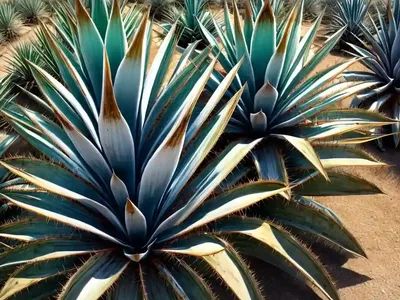
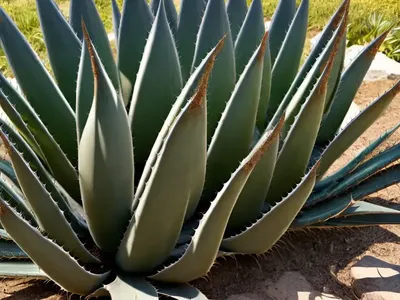
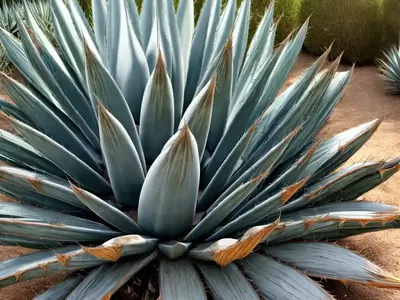
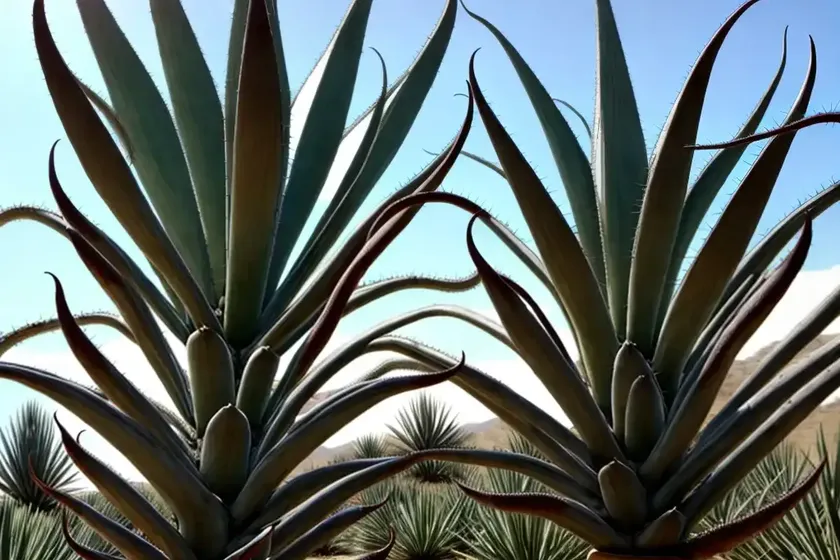
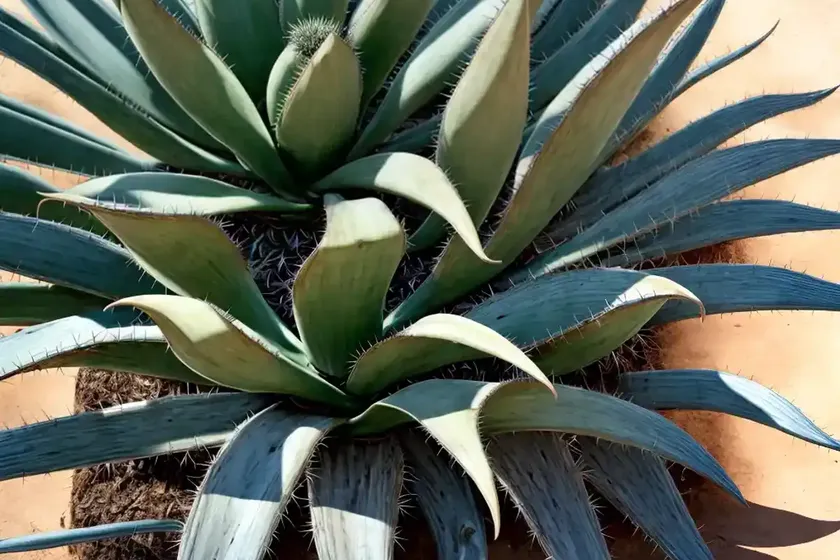
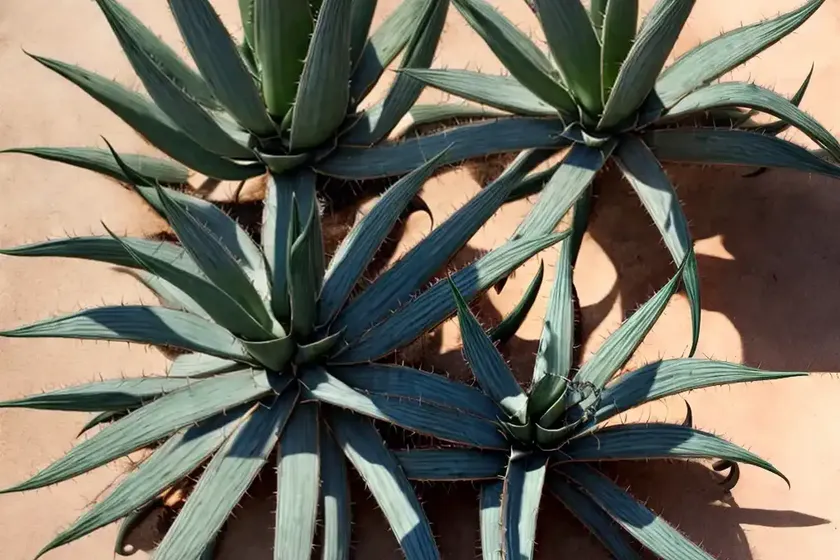
The Octopus Agave, scientifically known as Agave vilmoriniana, is a striking succulent plant belonging to the family Asparagaceae. It is native to Mexico and is characterized by its unique rosette of slender, arching, and flexible leaves that give it the appearance of an octopus, hence its common name. This plant is popular among gardeners and landscapers for its architectural form and low-maintenance requirements.
Key Takeaways
Before we delve into the specific details about the Octopus Agave, let’s take a look at the key takeaways that we will cover in this guide:
- Culture
- Uses
- Water
- Sunlight
- Fertilizer
- Soil
- Pruning
- Propagation
- Container Popularity
- Container Common Diseases
- Disease Diagnosis
- Common Pests
- Botanist’s Tips
- Fun Facts
Now, let’s explore each of these aspects in detail to gain a comprehensive understanding of the Octopus Agave and its care requirements.
Culture of Octopus Agave (Agave vilmoriniana)
Understanding the cultural requirements of the Octopus Agave is essential for its successful cultivation. From its watering needs to its soil preferences, here’s a detailed overview of its cultural requirements.
Water
Agave vilmoriniana is a drought-tolerant plant that thrives in well-draining soil. When it comes to watering, it is important to strike a balance to prevent waterlogging, which can lead to root rot. During the growing season, which is typically the spring and summer months, the Octopus Agave should be watered deeply but infrequently. This allows the roots to establish themselves while preventing excessive moisture. In contrast, during the dormant winter months, watering should be significantly reduced to mimic the plant’s natural conditions in its native habitat.
Sunlight
The Octopus Agave thrives in full sun to partial shade. It is essential to provide it with ample sunlight to ensure optimal growth and maintain its characteristic form. When grown in partial shade, it is important to ensure that the plant still receives a sufficient amount of light to prevent stretching or elongation of the leaves.
Fertilizer
As a succulent plant, Agave vilmoriniana has low fertilizer requirements. It is advisable to fertilize the plant sparingly, ideally once a year in the spring, using a balanced fertilizer specifically formulated for succulents. Over-fertilization can lead to excessive vegetative growth, which may compromise the plant’s natural appearance.
Soil
The Octopus Agave prefers well-draining soil with a slightly acidic to neutral pH. A sandy soil mixture or cactus mix is often recommended for optimal growth. This type of soil allows excess water to drain away from the roots, preventing the risk of rot or other moisture-related issues. When planting or re-potting the Octopus Agave, ensure that the soil is well aerated and does not retain excess moisture.
Uses of Octopus Agave
The Octopus Agave has a range of practical and ornamental uses, making it a versatile plant for various settings. Some common uses of Agave vilmoriniana include:
- Ornamental Landscaping: Its striking form and architectural appeal make the Octopus Agave a popular choice for landscaping in arid and desert-themed gardens. It can be used as a focal point within a garden bed or as part of a xeriscape design.
- Container Gardening: Due to its adaptability to container cultivation, the Octopus Agave is often grown in pots or decorative containers to add a touch of exotic flair to indoor and outdoor spaces.
- Medicinal Purposes: In traditional medicine, certain species of Agave are used for their purported healing properties. While specific medicinal uses may vary, some communities use Agave extracts for various remedies.
Pruning and Propagation of Octopus Agave
Pruning
The unique rosette of the Octopus Agave generally does not require extensive pruning. However, dead or decaying leaves can be removed as needed to maintain the plant’s overall appearance and health. When pruning the plant, it is important to use clean, sharp tools to minimize the risk of introducing pathogens.
Propagation
Agave vilmoriniana can be propagated through offsets, also known as “pups,” which are essentially smaller plantlets that develop around the base of the mother plant. To propagate the Octopus Agave, carefully remove the offsets from the mother plant, ensuring that they have developed their own root systems. These can then be planted in appropriate soil and growing conditions to establish new plants.
Container Cultivation and Popularity
The Octopus Agave is a popular choice for container cultivation due to its unique appearance and adaptability to different growing environments. Whether grown in pots on patios or as part of indoor displays, Agave vilmoriniana adds an intriguing and exotic element to any setting. Its low-maintenance nature makes it particularly well-suited for container gardening, as it requires minimal care while providing a visually striking presence.
Common Diseases and Pests of Octopus Agave
Disease Diagnosis
While the Octopus Agave is relatively resistant to diseases, it can be susceptible to certain issues if its cultural requirements are not met. The most common diseases that may affect Agave vilmoriniana include:
- Root Rot: This is often caused by overwatering or poorly draining soil, leading to fungal infections that affect the plant’s root system. Symptoms include wilting, yellowing, or softening of the plant’s lower leaves.
- Leaf Spot Disease: This fungal infection is characterized by the development of dark, water-soaked spots on the plant’s leaves, often leading to tissue necrosis.
It is important to diagnose and address these issues promptly to prevent the spread of diseases and preserve the overall health of the Octopus Agave.
Common Pests
Agave vilmoriniana is relatively resistant to most pests, owing in part to its tough, succulent leaves and natural defenses. However, it may still encounter occasional pest issues, including:
- Scale Insects: These sap-feeding insects can infest the leaves of the Octopus Agave, leading to stunted growth and yellowing of affected areas.
- Mealybugs: These small, white insects can cluster in the leaf axils or on the undersides of the leaves, feeding on the plant’s sap.
Regular monitoring and appropriate pest control measures, such as horticultural oils or insecticidal soaps, can help manage these pest infestations effectively.
Botanist’s Tips for Growing Octopus Agave
As a plant scientist, I have gathered valuable insights and tips for successfully growing and caring for the Octopus Agave. Here are some expert recommendations to ensure the optimal growth and health of Agave vilmoriniana:
- Well-Draining Soil: Ensure that the soil used for the Octopus Agave provides excellent drainage to prevent the risk of root rot and other moisture-related issues.
- Proper Watering: Avoid overwatering the plant, especially during the dormant winter months. Deep, infrequent watering during the growing season is preferable.
- Adequate Sunlight: Position the Octopus Agave in a location that receives ample sunlight or partial shade, depending on the local climatic conditions and the plant’s specific requirements.
By following these tips and closely monitoring the plant’s condition, you can promote the healthy growth and longevity of the Octopus Agave in your garden or landscape.
Fun Facts about Octopus Agave
To conclude our exploration of Agave vilmoriniana, here are some intriguing and lesser-known facts about this unique plant:
- The common name “Octopus Agave” is derived from the plant’s distinctive appearance, with its long, arching leaves resembling the tentacles of an octopus.
- In its native habitat in Mexico, the leaves of Agave vilmoriniana were traditionally used to make fibers and ropes due to their fibrous nature.
- The flowers of the Octopus Agave can reach impressive heights, often towering above the rosette of leaves during the bloom cycle.
These fascinating facts add further depth to our appreciation of the Octopus Agave and its remarkable attributes.
Links to External Resources
To expand your knowledge and explore further insights into the world of Octopus Agave (Agave vilmoriniana), consider the following external resources:
- “Agave vilmoriniana Care Guide”
- “Octopus Agave: A Desert Jewel”
- “Succulent Propagation Techniques”
- “Landscaping with Agave vilmoriniana”
These resources provide valuable information and practical insights into the care, cultivation, and uses of Agave vilmoriniana.
In conclusion, the Octopus Agave (Agave vilmoriniana) stands out as a captivating and resilient plant with a wide range of practical and ornamental applications. Whether showcased in a xeriscape garden, grown in a decorative container, or featured in a landscape design, this remarkable succulent species adds a touch of exotic elegance to any setting. By understanding its cultural requirements, propagation methods, and potential challenges, plant enthusiasts can cultivate and appreciate the unique beauty of the Octopus Agave.
As a plant scientist, I encourage fellow horticulturists and gardening enthusiasts to explore the fascinating realm of Agave vilmoriniana, appreciating its ecological importance, ornamental value, and remarkable adaptability to various growing conditions. Whether in botanical gardens, private landscapes, or indoor displays, the Octopus Agave continues to enthrall and inspire with its striking presence and enduring allure.
Remember, the world of plants holds endless wonders and discoveries, inviting us to deepen our connections with nature and enrich our surroundings with the timeless beauty of botanical diversity.
Happy gardening!
NLP LSI Keywords: Agave vilmoriniana care, Octopus Agave plant, Agave vilmoriniana characteristics, Octopus Agave propagation, Agave vilmoriniana varieties, Octopus Agave watering, Agave vilmoriniana growth, Octopus Agave pruning, Agave vilmoriniana diseases, Octopus Agave landscaping, Agave vilmoriniana soil requirements, Octopus Agave sun exposure, Agave vilmoriniana potting, Octopus Agave indoor cultivation, Agave vilmoriniana hardiness zone, Octopus Agave frost tolerance, Agave vilmoriniana landscaping ideas, Octopus Agave garden design, Agave vilmoriniana companion plants, Octopus Agave natural habitat, Agave vilmoriniana benefits, Octopus Agave medicinal uses, Agave vilmoriniana succulent, Octopus Agave drought tolerance, Agave vilmoriniana container gardening, Octopus Agave unique leaf structure, Agave vilmoriniana wildlife habitat, Octopus Agave insect resistance, Agave vilmoriniana pollination process, Octopus Agave ornamental value, Agave vilmoriniana plant size, Octopus Agave garden maintenance, Agave vilmoriniana landscape design, Octopus Agave outdoor cultivation, Agave vilmoriniana soil pH requirements, Octopus Agave xeriscaping, Agave vilmoriniana ecological importance, Octopus Agave leaf arrangement, Agave vilmoriniana edible uses, Octopus Agave architectural plant, Agave vilmoriniana color variations, Octopus Agave native distribution, Agave vilmoriniana drought-tolerant landscaping, Octopus Agave water conservation, Agave vilmoriniana unique growth habit, Octopus Agave low-maintenance plant, Agave vilmoriniana soil drainage requirements, Octopus Agave landscape focal point, Agave vilmoriniana xeric garden, Octopus Agave pest management.