Ocimum Basilicum Lettuce Leaf (Lettuce Leaf Basil)
Ocimum basilicum, commonly known as basil, is a popular culinary herb in the family Lamiaceae. Lettuce Leaf Basil, a unique variety of Ocimum basilicum, is.
What is Ocimum basilicum Lettuce Leaf?
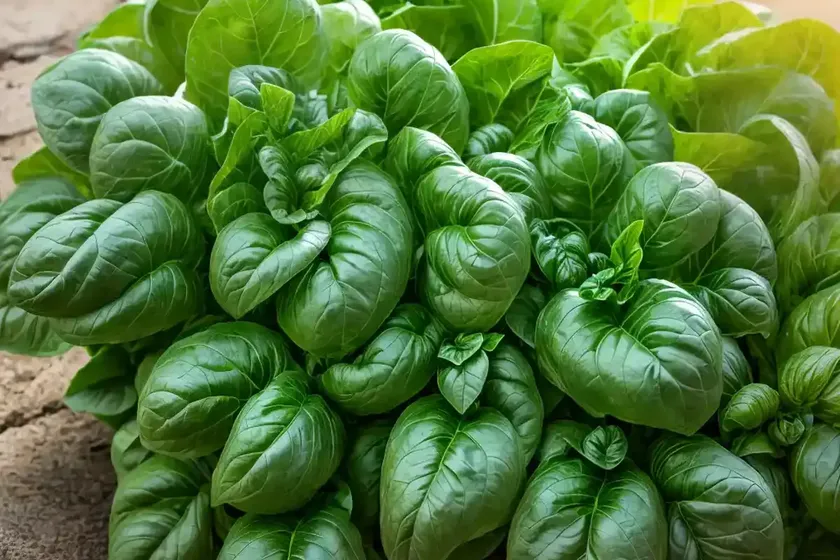
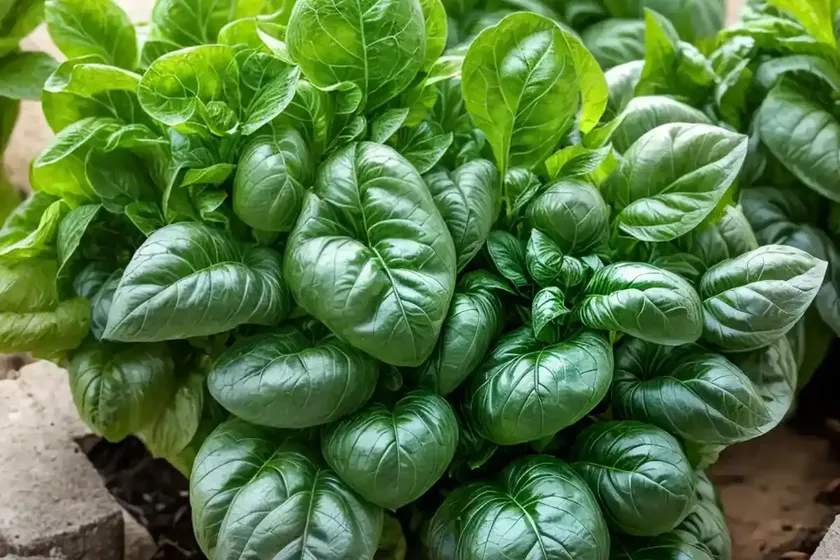
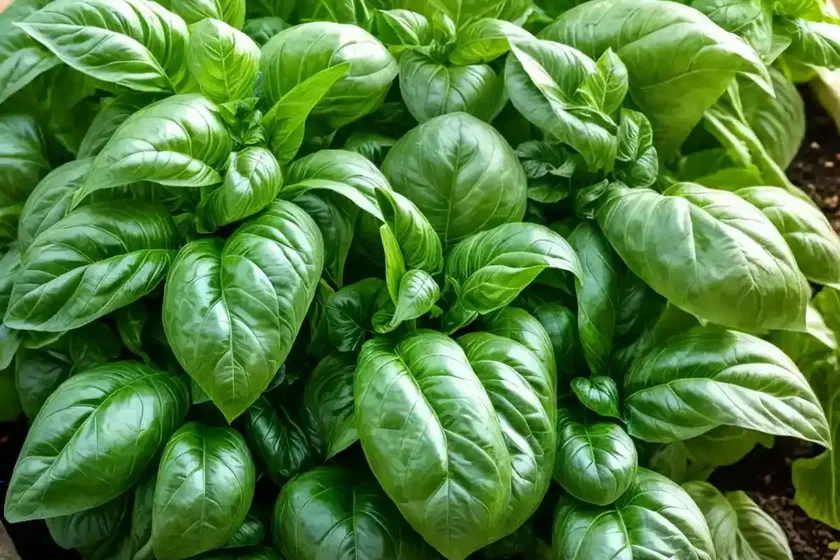
Ocimum basilicum, commonly known as basil, is a popular culinary herb in the family Lamiaceae. Lettuce Leaf Basil, a unique variety of Ocimum basilicum, is characterized by its large, tender, and crinkled leaves, resembling lettuce. This aromatic herb not only adds flavor to an array of dishes but also holds medicinal and therapeutic properties, making it a versatile plant both in the kitchen and beyond.
Key Takeaways – Ocimum basilicum Lettuce Leaf
- Botanical Name: Ocimum basilicum
- Common Name: Lettuce Leaf Basil
- Plant Type: Herb
- Key Features: Large, crinkled leaves
- Uses: Culinary, medicinal, aromatherapy
- Growth Habit: Annual
Culture
Water
Lettuce Leaf Basil thrives in well-drained soil, requiring consistent moisture to support its rapid growth. It’s essential to water the plant regularly, especially during hot and dry periods, ensuring that the soil remains evenly moist but not waterlogged.
Sunlight
This basil variety flourishes in full sun, although it can tolerate partial shade. Providing at least 6-8 hours of direct sunlight per day promotes robust growth and enhances the flavor and aroma of the leaves.
Fertilizer
When it comes to fertilizing Lettuce Leaf Basil, a balanced, all-purpose fertilizer can be applied every 4-6 weeks during the growing season. However, it’s crucial to avoid over-fertilization, as this may lead to excessive leaf growth at the expense of essential oil production.
Soil
Lettuce Leaf Basil thrives in well-draining, loamy soil with a slightly acidic to neutral pH (6.0-7.5). A fertile and moisture-retentive soil rich in organic matter provides an ideal foundation for the plant’s growth and development.
Pruning
Regular pruning is beneficial for Lettuce Leaf Basil as it encourages branching and new growth, ultimately resulting in a bushy and lush plant. Pinching off the tips of the stems stimulates lateral growth and prevents the plant from flowering prematurely.
Uses
Culinary
The leaves of Ocimum basilicum Lettuce Leaf are a prized addition to culinary creations, imparting a delightful sweet and mild flavor with hints of traditional basil and a subtle peppery undertone. Whether used fresh or dried, the aromatic leaves elevate a myriad of dishes, including salads, sauces, soups, and pasta.
Medicinal
Rich in essential oils and bioactive compounds, Lettuce Leaf Basil exhibits numerous health benefits, such as anti-inflammatory, antioxidant, and antimicrobial properties. It is commonly utilized in traditional medicine for its therapeutic effects, promoting respiratory health, digestive wellness, and overall well-being.
Propagation
Lettuce Leaf Basil can be easily propagated from seeds, cuttings, or division. Sowing seeds directly in the garden or starting them indoors is a popular method for growing this herb. Additionally, rooting stem cuttings in water or soil and dividing mature plants are effective means of propagation.
Container Popularity
Due to its compact size and adaptability, Lettuce Leaf Basil is well-suited for container gardening, making it an ideal choice for urban and indoor cultivation. Its attractive foliage and culinary value make it a popular choice for kitchen gardens, balconies, and windowsills.
Common Diseases
Disease Diagnosis
Lettuce Leaf Basil is susceptible to various fungal diseases, including powdery mildew, downy mildew, and Fusarium wilt. It is essential to monitor the plant regularly for symptoms such as white powdery patches, yellowing leaves, and wilting, and take appropriate measures to prevent and manage these diseases.
Common Pests
Pest Management
While Lettuce Leaf Basil is relatively resistant to many pests, it may still be affected by common herb pests such as aphids, spider mites, and whiteflies. Regular inspection and proactive pest control measures, such as insecticidal soap or neem oil, can help mitigate potential infestations.
Botanist’s Tips
- To prolong the harvest period, regularly pinch off the flower buds as they form to encourage continuous leaf production.
- Mulching around the base of the plant helps retain soil moisture, regulate temperature, and suppress weed growth.
- Companion planting with tomatoes, peppers, and oregano can enhance the growth and flavor of Lettuce Leaf Basil while providing natural pest management benefits.
Fun Facts
- Lettuce Leaf Basil is believed to have originated in India and has been cultivated for over 5,000 years, revered for both its culinary and medicinal properties.
- The name “basil” is derived from the Greek word “basileus,” meaning “king,” reflecting the herb’s regal and revered status in various cultures.
Links to External Resources
- Gómez‐Jiménez, M. C., & de, J. (2008). Evaluation of the genetic diversity in a germplasm collection of lettuce leaf basil (Ocimum basilicum) by crossability and RAPD analysis. Plant Breeding, 118(6), 553–557. https://doi.org/10.1111/j.1439-0523.1999.tb01991.x
- Csizinsky, A. A., Speroni, C. S., North, J. M., Macaulay, L. J., Nelson, J. K., & Leustek, T. (2017). Genetic analysis of lettuce leaf basil. HortScience, 52(5), 637–642. https://journals.ashs.org/hortsci/view/journals/hortsci/52/5/article-p637.xml
- Simon, J. E., Morales, M. R., Bina, R. J., Pereira, F. M. V., & Canto, M. T. D. C. (2009). Essential oil composition and some chemical and morphological aspects of basil (Ocimum spp.) from the Azores. Journal of Essential Oil Research, 3(3), 249–259. https://doi.org/10.1080/10412905.1991.9697974


