Oakleaf Hydrangea (Hydrangea Quercifolia ‘Ruby Slippers’)
Among the various ornamental plants valued for their attractive blooms, the oakleaf hydrangea (Hydrangea quercifolia ‘Ruby Slippers’) stands out for its.
Introduction
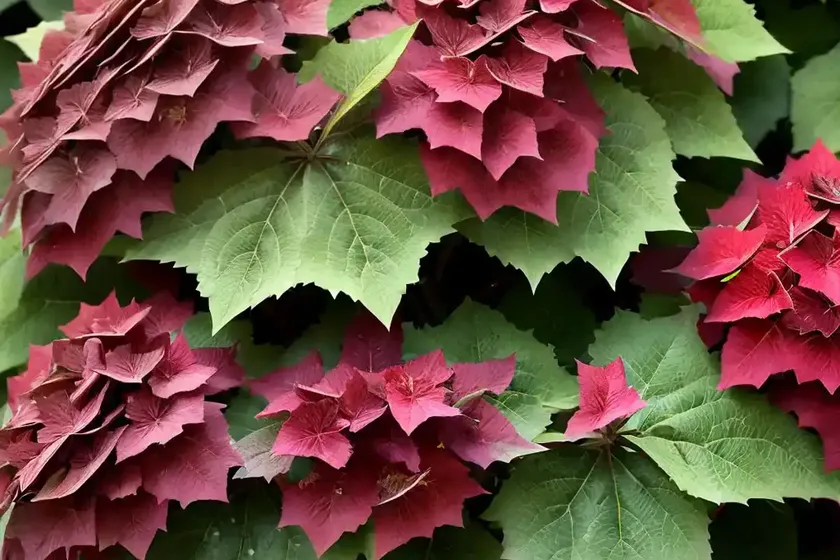
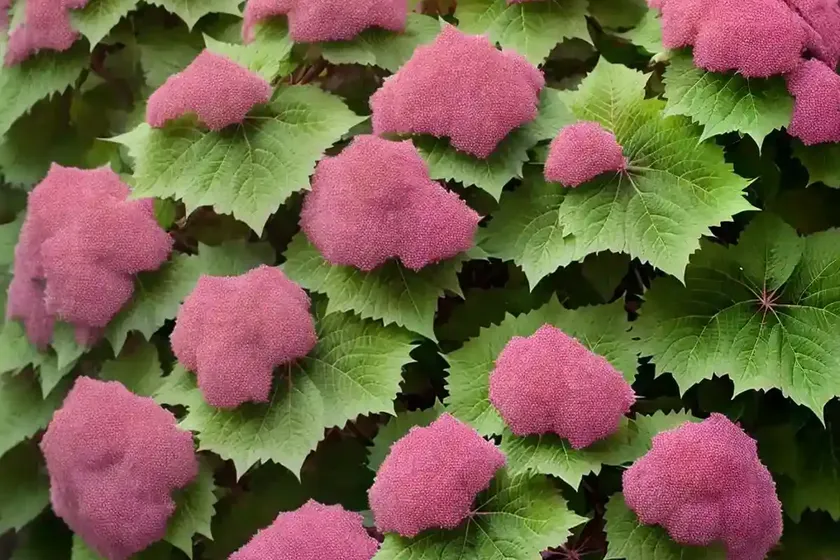
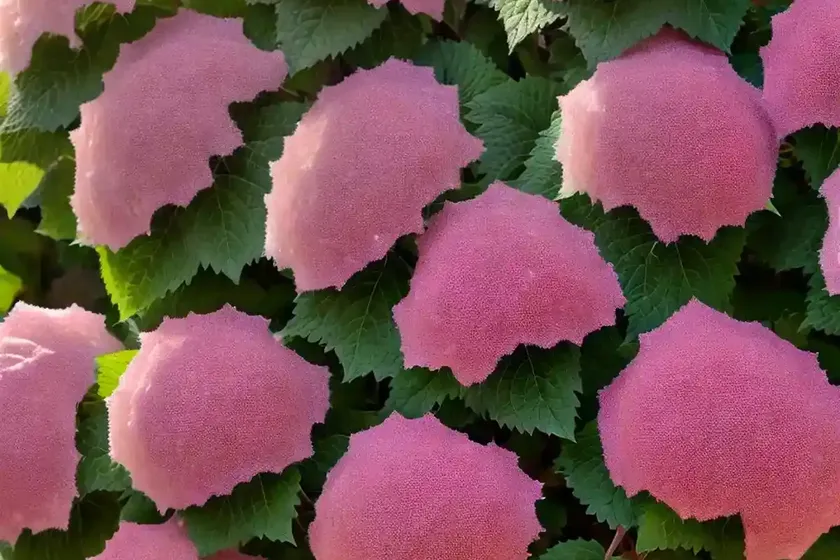
Among the various ornamental plants valued for their attractive blooms, the oakleaf hydrangea (Hydrangea quercifolia ‘Ruby Slippers’) stands out for its unique characteristics. This deciduous shrub is native to the southeastern United States, where it thrives in moist woodlands and along stream banks. Its showy, long-lasting flowers, distinct oak-like foliage, and vibrant fall colors make it a popular choice for gardens and landscapes. In this comprehensive guide, we will explore the various aspects of caring for and cultivating the oakleaf hydrangea, focusing specifically on the ‘Ruby Slippers’ variety.
Plant Name: Oakleaf Hydrangea (Hydrangea quercifolia ‘Ruby Slippers’)
Key Takeaways – Oakleaf Hydrangea (Hydrangea quercifolia ‘Ruby Slippers’)
Before delving into the specific aspects of oakleaf hydrangea care, it’s important to understand some key takeaways about this unique plant. Below are the fundamental highlights of the oakleaf hydrangea, particularly the ‘Ruby Slippers’ variety:
- Scientific Name: Hydrangea quercifolia ‘Ruby Slippers’
- Common Name: Oakleaf Hydrangea
- Family: Hydrangeaceae
- Type: Deciduous Shrub
- Mature Size: 3 to 4 feet tall and wide
- Flower Color: White to pinkish-red
- Bloom Time: Late spring to early summer
- Foliage: Oak-like, deeply lobed, green turning to brilliant shades of red and purple in fall
- USDA Hardiness Zones: 5 to 9
- Special Features: Drought tolerant, deer resistant, attracts butterflies and pollinators
- Recommended Use: Mass planting, woodland gardens, mixed borders
Now that we have an overview of the plant, let’s explore the crucial aspects of caring for the oakleaf hydrangea, focusing specifically on the ‘Ruby Slippers’ variety.
Culture
Water
Oakleaf hydrangeas, including the ‘Ruby Slippers’ variety, generally prefer moist but well-drained soil. Adequate watering is crucial, especially during the plant’s establishment phase and in periods of prolonged drought. Here are the essential aspects of watering oakleaf hydrangeas:
- Establishment Phase: After planting, ensure regular watering, providing about 1 inch of water per week, especially in the absence of rainfall.
- Drought tolerance: Once established, oakleaf hydrangeas exhibit good drought tolerance, but they perform best when watered during dry spells, particularly in summer.
- Moisture Requirements: Aim for consistently moist soil, as excessively dry conditions can lead to stress and impact flower production.
- Watering Methods: Deep, infrequent watering is preferred over frequent shallow watering, as it encourages the plant to develop a deep, robust root system.
Sunlight
Proper sunlight conditions play a pivotal role in the growth and blooming of oakleaf hydrangeas. While they tolerate some shade, providing adequate sunlight is essential for healthy foliage and abundant flowering. Consider the following points when it comes to sunlight requirements for the ‘Ruby Slippers’ oakleaf hydrangea:
- Optimal Sunlight: Choose a planting location that receives morning sun and afternoon shade, particularly in regions with hot summers.
- Shade Tolerance: While it can tolerate some shade, too much shade may result in reduced flowering and less vibrant fall foliage.
- Leaf Scorch: Protect the plant from intense afternoon sun, as excessive exposure can lead to leaf scorch, especially in warmer climates.
- Sunlight Adjustment: In regions with cooler summers, the ‘Ruby Slippers’ hydrangea can tolerate more sun, but in hotter climates, partial shade is beneficial to maintain plant vigor.
Fertilizer
Proper fertilization ensures that oakleaf hydrangeas receive the necessary nutrients for robust growth and abundant blooms. Choosing the right fertilizer and applying it at the appropriate times are crucial for the plant’s overall health. Consider the following guidelines for fertilizing the ‘Ruby Slippers’ oakleaf hydrangea:
- Fertilizer Selection: Use a balanced, slow-release fertilizer specially formulated for flowering shrubs, applying it in early spring.
- Application Rate: Follow the manufacturer’s instructions regarding the application rate, ensuring that the fertilizer is distributed evenly around the drip line of the plant.
- Avoid Overfeeding: Refrain from overfertilizing, as excessive nitrogen can promote excessive foliage growth at the expense of flowering.
- Establishment Period: During the plant’s first year, incorporate a phosphorus-rich fertilizer into the soil to promote strong root development and future flower production.
Soil
Understanding the soil preferences of oakleaf hydrangeas is essential for creating an ideal growing environment. While they are adaptable to various soil types, certain conditions are more conducive to their growth and flourishing. Here are the key considerations regarding soil for the ‘Ruby Slippers’ oakleaf hydrangea:
- Well-Drained Soil: Ensure that the planting site has well-drained soil to prevent waterlogged conditions, which can lead to root rot and other issues.
- Organic Matter: Incorporate organic matter such as compost or well-rotted manure when planting to improve soil structure and fertility.
- Acidic Soil: Oakleaf hydrangeas thrive in slightly acidic soil with a pH range of 5.2 to 6.5. Conduct a soil test and amend the soil as needed to achieve the ideal pH level.
- Mulching: Apply a 2- to 3-inch layer of organic mulch around the base of the plant to conserve soil moisture, suppress weeds, and improve soil structure.
Pruning
Pruning is an important aspect of oakleaf hydrangea care, contributing to the plant’s overall health, shape, and flowering performance. Proper pruning also helps manage the size of the shrub and remove dead or damaged branches. When it comes to the ‘Ruby Slippers’ oakleaf hydrangea, consider the following guidelines for effective pruning:
- Pruning Time: Prune oakleaf hydrangeas, including the ‘Ruby Slippers’ variety, immediately after flowering, typically in early to mid-summer. This allows ample time for the growth of new flower buds for the following year.
- Deadheading: Remove spent flowers to encourage additional blooms and maintain a tidy appearance.
- Size Control: If necessary, reduce the size of the shrub by selectively pruning older branches and thinning out crowded areas to improve air circulation.
- Minimal Pruning: While oakleaf hydrangeas generally require minimal pruning, selectively removing older wood and thinning out young shoots can help maintain the plant’s shape and vigor.
Propagation
Propagating oakleaf hydrangeas, particularly the ‘Ruby Slippers’ variety, allows gardeners to expand their collection or share these beautiful plants with others. Understanding the various propagation methods and their best practices is essential for successful reproduction. Consider the following techniques for propagating the ‘Ruby Slippers’ oakleaf hydrangea:
- Softwood Cuttings: Propagate oakleaf hydrangeas from softwood cuttings taken in early summer. Use a rooting hormone to encourage root development and provide bottom heat for increased success rates.
- Division: Divide mature oakleaf hydrangea plants to create new specimens, ensuring that each division has a healthy portion of roots and shoots.
- Layering: Utilize the layering technique by bending a low branch to the ground, making a small incision, and pinning it down with a U-shaped stake. Once roots develop, the new plant can be separated from the parent.
Container Popularity
Oakleaf hydrangeas, including the ‘Ruby Slippers’ variety, are well-suited for container cultivation, adding a touch of elegance to patios, balconies, and other outdoor spaces. The unique foliage, attractive blooms, and vibrant fall colors make them a popular choice for container gardening. Consider the following points when growing the ‘Ruby Slippers’ oakleaf hydrangea in containers:
- Container Selection: Choose a large container with adequate drainage holes to accommodate the plant’s root system and promote good airflow.
- Potting Mix: Use a well-draining potting mix formulated for woody ornamentals, ensuring that the container’s soil remains consistently moist but not waterlogged.
- Watering Needs: Monitor the moisture levels of the potting mix regularly, adjusting the watering frequency based on environmental conditions and the plant’s growth stage.
- Fertilization: Apply a slow-release, balanced fertilizer specially formulated for container plants, following the recommended application rates to provide essential nutrients.
- Pruning: As with in-ground plants, perform selective pruning as needed to maintain the shape and size of the container-grown ‘Ruby Slippers’ oakleaf hydrangea.
- Winter Care: Provide protection from harsh winter conditions, either by moving the container to a sheltered location or insulating it to prevent root damage from freezing temperatures.
Common Diseases
Like all plants, oakleaf hydrangeas, including the ‘Ruby Slippers’ variety, are susceptible to certain diseases and issues that can impact their health and appearance. Being aware of common diseases and their symptoms is essential for timely intervention and proper management. Below are some of the prevalent diseases that affect oakleaf hydrangeas:
- Powdery Mildew: This fungal disease presents as a white, powdery substance on the leaves, typically occurring in humid conditions. Improving air circulation and applying fungicidal treatments can help control powdery mildew.
- Leaf Spot: Leaf spot diseases manifest as dark spots or lesions on the foliage, often caused by various fungal pathogens. Prune and dispose of affected plant parts and apply fungicidal treatments as needed.
- Cercospora Leaf Blight: This disease causes purple or black spots on the leaves, potentially leading to premature leaf drop. Maintain good sanitation practices and provide proper cultural care to minimize the impact of cercospora leaf blight.
- Botrytis Blight: Also known as gray mold, botrytis blight can affect the flowers and foliage of oakleaf hydrangeas, particularly in cool, wet conditions. Remove and dispose of infected plant material and refrain from overhead watering to prevent this disease.
Disease Diagnosis
Diagnosing plant diseases, including those affecting oakleaf hydrangeas, requires careful observation of symptoms, knowledge of common issues, and sometimes, laboratory testing or professional assistance. When trying to diagnose a disease or issue with the ‘Ruby Slippers’ oakleaf hydrangea, consider the following steps:
- Symptom Identification: Observe the plant for any unusual signs such as wilting, discoloration, spots, or unusual growth patterns.
- Environmental Factors: Consider the prevailing weather conditions, soil moisture levels, and overall environmental factors that may contribute to the observed symptoms.
- Disease Guides: Use reputable disease guides and resources specific to oakleaf hydrangeas to compare the observed symptoms and narrow down potential issues.
- Professional Consultation: If unsure or if the issue persists despite proper care, seek advice from a local extension office, horticulturist, or plant health specialist for accurate diagnosis and treatment recommendations.
Common Pests
In addition to diseases, oakleaf hydrangeas, including the ‘Ruby Slippers’ variety, may face challenges from various pests that can affect their overall health and vigor. Being vigilant and proactive in pest management is crucial for maintaining the plant’s well-being. Below are some common pests that may affect oakleaf hydrangeas:
- Aphids: These small, sap-sucking insects may cluster on the undersides of leaves, causing distortion and stunted growth. Control aphids through natural predators, insecticidal soaps, or horticultural oils.
- Spider Mites: Under hot, dry conditions, spider mites can infest the foliage, causing stippling and webbing. Mitigate spider mite infestations through regular spraying with water, introducing predatory mites, or using acaricides if necessary.
- Scale Insects: Scale insects appear as small, immobile bumps on the stems and leaves, sucking sap from the plant. Use horticultural oils or insecticidal sprays to manage scale infestations.
- Japanese Beetles: These voracious feeders can defoliate oakleaf hydrangeas, particularly in areas with high populations. Handpick beetles or use traps to capture them, and consider applying insecticidal treatments if the infestation is severe.
Botanist’s Tips
To further enhance your success in growing and caring for the ‘Ruby Slippers’ oakleaf hydrangea, consider the following tips from botanists and horticultural experts:
- Species Selection: Choose the ‘Ruby Slippers’ variety for its compact size, vibrant blooms, and outstanding fall foliage, making it an excellent choice for small gardens and landscapes.
- Planting Depth: When planting, ensure that the crown of the plant is slightly above the soil level, as planting too deeply can lead to moisture-related issues and hamper the plant’s growth.
- Mulch Application: Apply mulch around the base of the plant, extending it to the drip line to conserve soil moisture and create a favorable environment for the plant’s roots.
- Spring Frost Protection: In regions prone to late spring frosts, be prepared to provide protection for emerging foliage and flowers to prevent damage.
Fun Facts
Exploring the unique characteristics and intriguing aspects of the ‘Ruby Slippers’ oakleaf hydrangea adds an extra layer of appreciation for this exceptional plant. Consider the following fun facts about ‘Ruby Slippers’ and oakleaf hydrangeas in general:
- Native Habitat: Oakleaf hydrangeas are native to the southeastern United States, where they grow in woodlands, along stream banks, and in other moist, shaded habitats.
- Fall Foliage: The foliage of oakleaf hydrangeas, including the ‘Ruby Slippers’ variety, undergoes a spectacular transformation in autumn, turning vibrant shades of red, purple, and bronze.
- Butterfly Magnets: The showy flowers of oakleaf hydrangeas attract various pollinators, including butterflies, adding a delightful element to the garden.
- Deer Resistance: Oakleaf hydrangeas, including ‘Ruby Slippers,’ are generally resistant to deer browsing, making them suitable for landscapes where deer may be a concern.
Links to External Resources
For further information on oakleaf hydrangea care, gardening tips, and resources specific to the ‘Ruby Slippers’ variety, explore the following external links:
- Hydrangeas Plus – Oakleaf Hydrangea Care Guide
- University of Florida Gardening Solutions – Hydrangea quercifolia
- American Horticultural Society – Oakleaf Hydrangea Profile
- Missouri Botanical Garden – Hydrangea quercifolia ‘Ruby Slippers’
In conclusion, the ‘Ruby Slippers’ oakleaf hydrangea (Hydrangea quercifolia ‘Ruby Slippers’) is a remarkable plant that offers striking blooms, captivating foliage, and year-round interest in the garden. Understanding the specific requirements for its care, from water and sunlight to pruning and disease management, is essential for fostering healthy, thriving plants. Whether grown in the ground or in containers, the ‘Ruby Slippers’ oakleaf hydrangea is sure to captivate and inspire with its enchanting beauty and unique attributes.
[References]
- Dirr, M. A. (2009). Hydrangeas for American Gardens. Timber Press.
- Dirr, M. A. (2011). Manual of Woody Landscape Plants. Stipes Publishing.
This blog post is for informational purposes only and does not constitute professional botanical advice. For specific guidance and recommendations, consult a qualified horticulturist or local extension office.


