Oakleaf Hydrangea (Hydrangea Quercifolia ‘Queen Of Hearts’)
Hydrangeas are a beloved and diverse group of flowering shrubs, and the oakleaf hydrangea (Hydrangea quercifolia) is a particularly elegant and versatile.
Hydrangeas are a beloved and diverse group of flowering shrubs, and the oakleaf hydrangea (Hydrangea quercifolia) is a particularly elegant and versatile member of the family. The ‘Queen of Hearts’ variety is especially cherished for its stunning blooms and robust yet graceful presence in the garden. In this comprehensive guide, we will explore the culture, uses, maintenance, diseases, and more of the oakleaf hydrangea (Hydrangea quercifolia ‘Queen of Hearts’). Whether you’ve just acquired this beautiful shrub or are considering adding it to your garden, this article will equip you with the knowledge to nurture and enjoy it to the fullest.
Let’s dive into the world of oakleaf hydrangeas and discover why this particular variety, ‘Queen of Hearts,’ is a favorite among garden enthusiasts.
Table of Contents
- What is Oakleaf Hydrangea?
- Key Takeaways – Oakleaf Hydrangea (Hydrangea quercifolia ‘Queen of Hearts’)
- Culture
- Uses
- Water
- Sunlight
- Fertilizer
- Soil
- Pruning
- Propagation
- Container Popularity
- Common Diseases
- Disease Diagnosis
- Common Pests
- Botanist’s Tips
- Fun Facts
- Links to External Resources
What is Oakleaf Hydrangea?
The oakleaf hydrangea (Hydrangea quercifolia) is a deciduous shrub native to the southeastern United States. It’s named for its distinctive oak-shaped leaves, which turn vibrant shades of red, orange, and maroon in the fall, adding to its allure throughout the seasons.
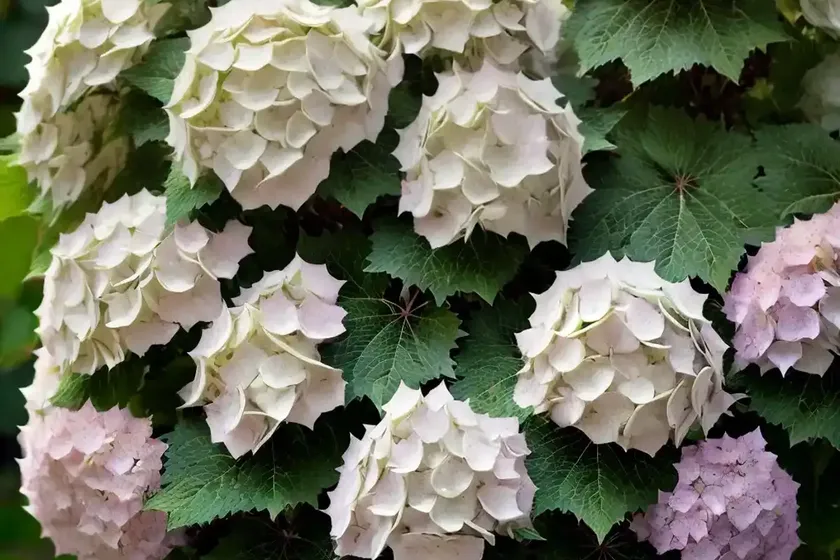
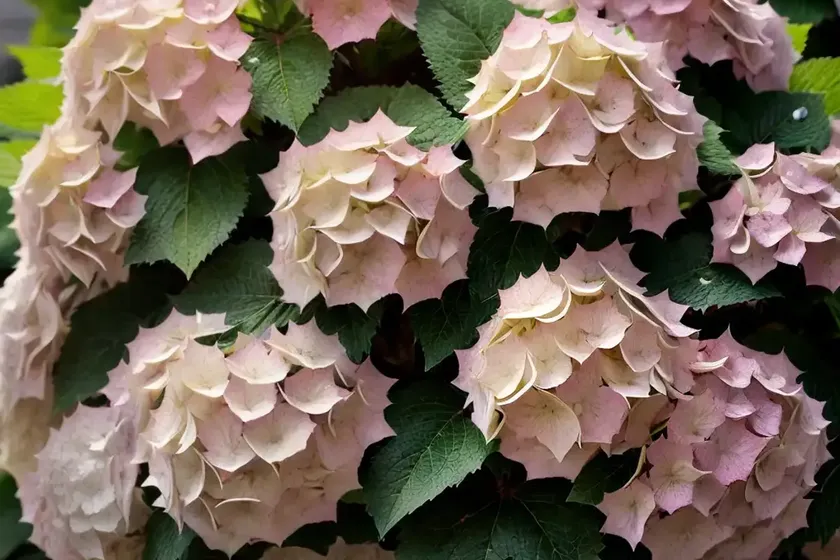
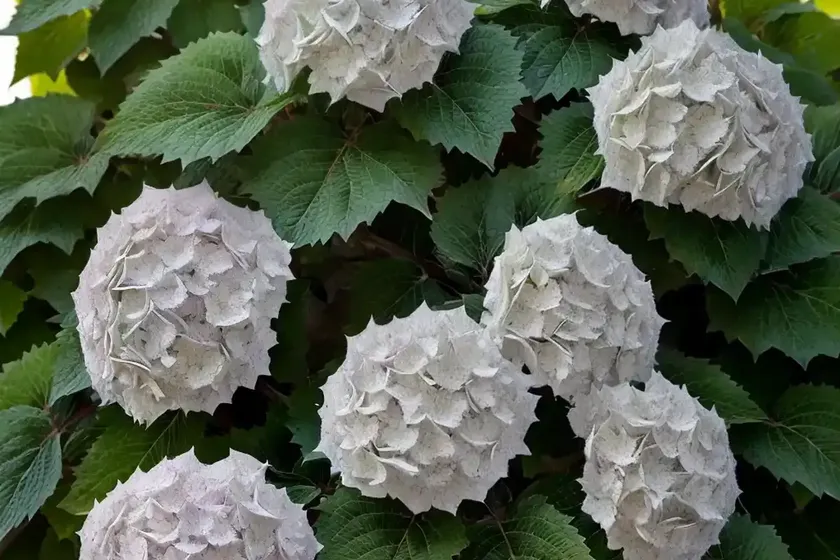
‘Queen of Hearts’ is a specific cultivar of the oakleaf hydrangea, cherished for its abundant, showy panicles of white flowers, which gradually acquire a rosy hue as they mature. These blooms emerge in early to mid-summer and persist well into the fall, providing an extended period of visual interest in the garden.
Key Takeaways – Oakleaf Hydrangea (Hydrangea quercifolia ‘Queen of Hearts’)
Here are some key takeaways about the ‘Queen of Hearts’ oakleaf hydrangea:
-
Flowers: Showy white blooms transitioning to rosy shades, extending the plant’s visual appeal.
-
Foliage: Distinctive oak-shaped leaves that turn brilliant autumn colors.
-
Cultivar: ‘Queen of Hearts’ is a specific variety of oakleaf hydrangea, prized for its exceptional beauty.
-
Habitat: Native to the southeastern United States, indicating its adaptation to a range of conditions in this region.
Now, let’s delve into the specific care and maintenance aspects associated with the oakleaf hydrangea ‘Queen of Hearts.’
Culture
Uses
The oakleaf hydrangea ‘Queen of Hearts’ offers a range of uses in the landscape, making it a versatile and valuable addition to gardens and outdoor spaces. Here are some common uses for this striking shrub:
-
Specimen Plant: The ‘Queen of Hearts’ oakleaf hydrangea makes a stunning focal point in the garden, drawing attention with its showy blooms and colorful foliage.
-
Mixed Borders: This hydrangea variety can be effectively integrated into mixed perennial borders, providing seasonal interest and a lush backdrop for other plants.
-
Woodland Gardens: Due to its native habitat and tolerance for part shade conditions, the oakleaf hydrangea is well-suited for woodland or naturalistic garden settings.
-
Erosion Control: Its deep root system and robust growth habit make it a natural choice for stabilizing slopes and preventing erosion.
-
Cut Flower Arrangements: The striking blooms of the ‘Queen of Hearts’ are also ideal for creating beautiful cut flower arrangements to adorn indoor spaces.
Water
Proper watering is crucial for the health and vitality of the oakleaf hydrangea. While it’s tolerant of occasional drought once established, consistent moisture is beneficial, especially during dry spells and hot summer months.
Watering Tips:
-
Newly Planted Shrubs: Provide regular, deep watering to help the plant establish a strong root system in its new location.
-
Established Plants: Monitor soil moisture and water when the top inch of soil feels dry to the touch, particularly in periods of limited rainfall.
Sunlight
The ‘Queen of Hearts’ oakleaf hydrangea thrives in dappled or partial shade, although it can also adapt to full sun conditions, especially in cooler regions. It appreciates protection from intense afternoon sun, particularly in warmer climates, to prevent leaf scorch and ensure optimal flowering.
Sunlight Requirements:
-
Partial Shade: Ideally, the oakleaf hydrangea should receive a minimum of 4-6 hours of direct sunlight each day, but perform best when shielded from harsh midday rays.
-
Full Sun: In cooler climates, the plant can tolerate full sun if soil moisture is consistently maintained.
Fertilizer
Feeding the oakleaf hydrangea ‘Queen of Hearts’ with the appropriate nutrients enhances its growth, flowering, and overall vigor. Utilize a balanced, slow-release fertilizer formulated for woody plants to provide essential nourishment throughout the growing season.
Fertilization Guidelines:
-
Timing: Apply fertilizer in early spring before new growth emerges, avoiding late-season fertilization that may stimulate tender growth vulnerable to frost damage.
-
Application Rate: Follow the manufacturer’s recommendations for application rates, and take care not to over-fertilize, which can result in excessive foliage at the expense of blooms.
Soil
The oakleaf hydrangea ‘Queen of Hearts’ thrives in well-draining, slightly acidic soil with a rich organic content. It’s adaptable to a range of soil types, including loamy, sandy, or clay soils, but benefits from amendments to improve drainage and fertility.
Soil Considerations:
-
pH Level: Aim for a slightly acidic soil pH range of 5.5 to 6.5, which supports optimal nutrient uptake and overall plant health.
-
Organic Matter: Incorporate organic matter such as compost, leaf mold, or well-rotted manure when planting to improve soil structure and fertility.
Pruning
Pruning is an essential aspect of oakleaf hydrangea care, shaping the plant’s form, rejuvenating older specimens, and promoting robust flowering. The timing and method of pruning play a significant role in maintaining the ‘Queen of Hearts’ oakleaf hydrangea’s health and beauty.
Pruning Guidelines:
-
Timing: Prune oakleaf hydrangeas immediately after flowering to avoid removing potential flower buds for the following season.
-
Deadheading: Remove spent blooms to tidy the plant and encourage additional flowering.
Propagation
Expanding your garden or sharing the beauty of the ‘Queen of Hearts’ oakleaf hydrangea with others is possible through propagation. Several methods, including stem cuttings and division, can propagate new plants from an existing specimen, allowing you to cultivate additional shrubs to grace your landscape or gift to fellow garden enthusiasts.
Propagation Techniques:
-
Softwood Cuttings: Gather softwood cuttings in early summer, and root them in a well-draining growing medium to establish new plants.
-
Division: Divide mature plants in early spring, ensuring each division has viable roots and vigorous growth to produce thriving offspring.
Container Popularity
While the oakleaf hydrangea ‘Queen of Hearts’ flourishes when planted directly in the ground, it can also thrive when cultivated in containers, offering an excellent option for gardeners with limited space or seeking the flexibility to move plants as needed.
Container Considerations:
-
Container Size: Select a spacious container to accommodate the plant’s root system and ensure stability, avoiding overcrowding that can impede growth.
-
Soil Mix: Utilize a well-draining potting mix, enriched with organic matter to provide essential nutrients and promote healthy plant growth.
-
Drainage: Ensure containers have adequate drainage holes to prevent waterlogging, which can lead to root rot and other moisture-related issues.
With its diverse uses and adaptable nature, the ‘Queen of Hearts’ oakleaf hydrangea is a versatile and valuable addition to any garden or landscape.
Common Diseases
The ‘Queen of Hearts’ oakleaf hydrangea is generally resistant to most pests and diseases, making it a low-maintenance and reliable plant for gardeners. However, it’s essential to be aware of common diseases that may affect the plant and take preventive measures to safeguard its health and vitality.
Disease Diagnosis
While the oakleaf hydrangea is relatively resilient, it can occasionally face challenges from fungal diseases and environmental stressors that impact its well-being. Recognizing the symptoms and signs of common diseases enables prompt intervention and management to protect the plant and prevent widespread issues.
Common Diseases:
-
Powdery Mildew: This fungal disease appears as a powdery, white substance on the leaves, caused by humid conditions and poor air circulation.
-
Leaf Spot: Fungal leaf spot diseases manifest as circular, discolored lesions on the foliage, indicating infection that can spread if not addressed.
Disease Management:
-
Cultural Practices: Promote good air circulation and reduce humidity by spacing plants adequately and avoiding overhead watering.
-
Pruning: Remove and dispose of affected foliage to prevent the spread of disease and encourage healthy new growth.
Common Pests
The ‘Queen of Hearts’ oakleaf hydrangea is relatively resistant to pest infestations, but a few common garden pests may occasionally pose a threat to its well-being. Keep an eye out for these potential pests and take appropriate measures to mitigate their impact on the plant.
Common Pests:
-
Aphids: These small, soft-bodied insects may cluster on new shoots and flower buds, causing distortion and honeydew secretion.
-
Spider Mites: These arachnids can cause stippling and webbing on the undersides of leaves, indicating their presence on the plant.
Pest Control:
-
Natural Predators: Encourage beneficial insects such as ladybugs and lacewings, which feed on aphids and help control their populations.
-
Horticultural Oil: Apply horticultural oil to control spider mite infestations, suffocating the pests and reducing their numbers.
The oakleaf hydrangea demonstrates excellent resistance to most pests and diseases, creating a reliable and visually stunning addition to the landscape.
Botanist’s Tips
To maximize the beauty and longevity of the ‘Queen of Hearts’ oakleaf hydrangea, consider these expert tips to ensure it thrives in your garden or landscape:
-
Mulching: Apply a layer of organic mulch around the base of the plant to conserve moisture, suppress weeds, and insulate the soil.
-
Aesthetic Pruning: Take advantage of the unique branch structure and exfoliating bark of the oakleaf hydrangea to create visual interest in the winter landscape.
-
Environmental Adaptability: Appreciate the oakleaf hydrangea’s tolerance for a range of growing conditions and capitalize on its versatility in different garden settings.
Fun Facts
-
The oakleaf hydrangea (Hydrangea quercifolia) is named for its distinctive oak-shaped leaves, which enhance its visual appeal throughout the growing season.
-
The ‘Queen of Hearts’ cultivar is known for its large, showy blooms that gradually take on a rosy hue, captivating observers in the garden.
-
This species is a magnet for pollinators, attracting butterflies, bees, and other beneficial insects with its abundant nectar-rich flowers.
-
In addition to its striking blooms, the oakleaf hydrangea’s foliage undergoes a dramatic color transformation in the fall, contributing to its year-round appeal.
-
The robust and adaptable nature of the oakleaf hydrangea makes it an excellent choice for novice and experienced gardeners alike, requiring minimal maintenance while delivering maximum visual impact.
Links to External Resources
To supplement your knowledge and enhance your experience with the ‘Queen of Hearts’ oakleaf hydrangea, explore the following valuable resources:
-
American Hydrangea Society: A valuable resource for enthusiasts of hydrangeas, offering information on species, cultivars, care tips, and more.
-
Missouri Botanical Garden: Hydrangea quercifolia: Detailed information about Hydrangea quercifolia, including its characteristics, growing requirements, and landscape uses.
-
Gardening Know How: Oakleaf Hydrangea Care: Practical guidance and expert tips for caring for oakleaf hydrangeas in various garden settings.
-
Clemson Cooperative Extension: Hydrangea Diseases & Insect Pests: A comprehensive resource outlining common diseases and pests that may affect hydrangeas, including management strategies for prevention and control.
-
The Spruce: The Best Hydrangea Varieties for Shade: A guide to hydrangea varieties suitable for shade, providing insights into the suitability of oakleaf hydrangeas for shaded garden areas.
The oakleaf hydrangea ‘Queen of Hearts’ presents an enchanting combination of beauty and resilience, making it a cherished addition to any garden or landscape. Whether you’re captivated by its stunning blooms, vibrant foliage, or adaptability to various growing conditions, this remarkable shrub is sure to leave a lasting impression and bring joy to those who encounter it. With proper care and attention, the ‘Queen of Hearts’ will reign as a regal centerpiece in your outdoor spaces, captivating all who behold its splendor.


