Oakleaf Hydrangea (Hydrangea Quercifolia ‘Amethyst’)
The oakleaf hydrangea, scientifically known as Hydrangea quercifolia ‘Amethyst,’ is a stunning deciduous shrub that belongs to the Hydrangeaceae family..
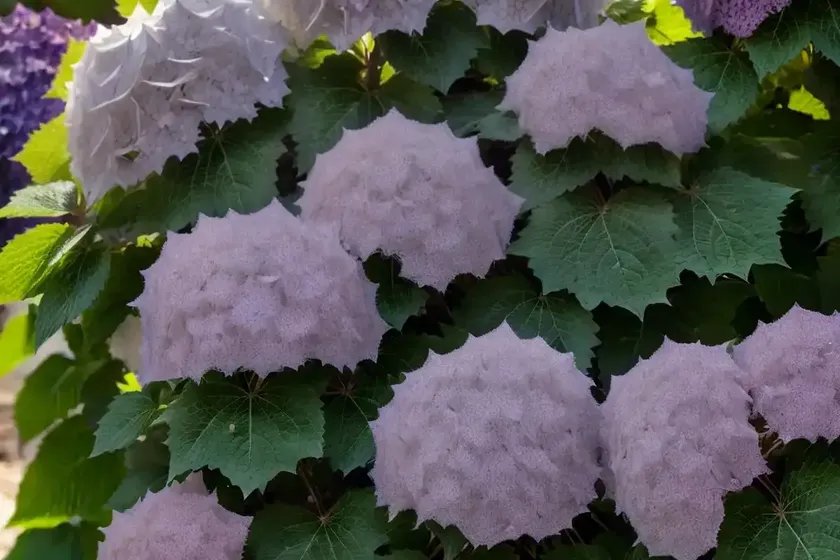
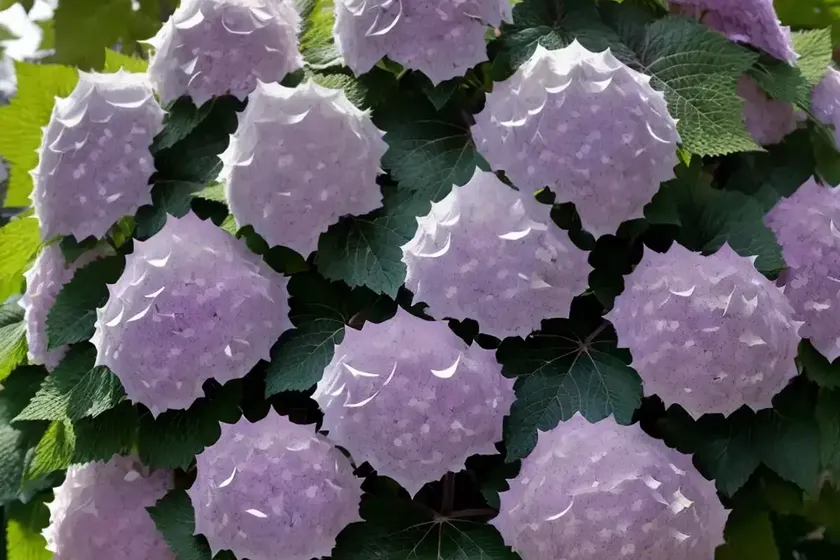
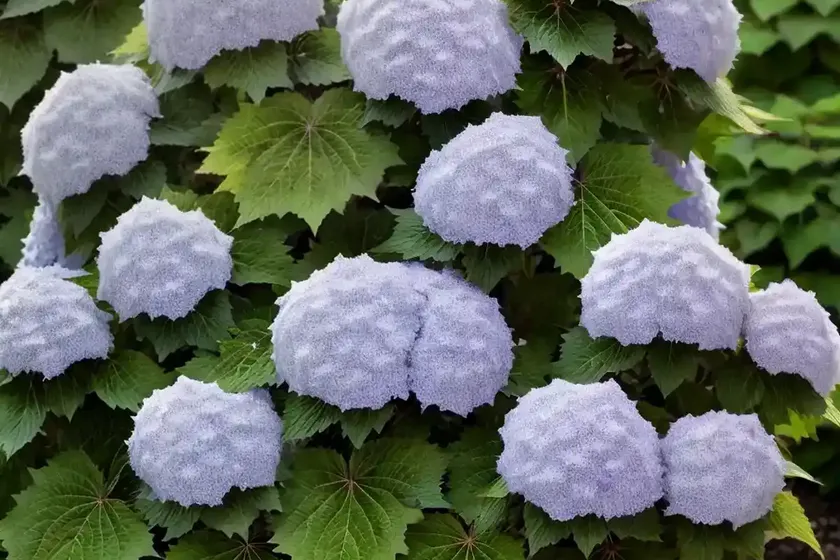
The oakleaf hydrangea, scientifically known as Hydrangea quercifolia ‘Amethyst,’ is a stunning deciduous shrub that belongs to the Hydrangeaceae family. With its unique oak-like foliage, magnificent blooms, and adaptability, it has become a favorite in gardens and landscapes. In this comprehensive guide, we will delve into the various aspects of caring for and cultivating this beautiful plant.
What is the Oakleaf Hydrangea?
The oakleaf hydrangea is native to the southeastern United States and thrives in USDA hardiness zones 5 to 9. Its botanical name, Hydrangea quercifolia, is derived from the Latin words “quercus” (oak) and “folia” (leaved), owing to the resemblance of its leaves to those of the oak tree. The ‘Amethyst’ variety is particularly renowned for its stunning amethyst-colored blooms, adding a touch of elegance to any garden or landscape.
Key Takeaways:
Before diving into the details of caring for the oakleaf hydrangea, let’s summarize the key takeaways about this captivating plant:
- Scientific Name: Hydrangea quercifolia ‘Amethyst’
- Hardiness Zones: 5 to 9
- Foliage: Oak-like leaves
- Flower Color: Amethyst
- Deciduous: Yes
- Average Height: 4-6 feet
- Soil pH: Acidic to slightly alkaline
- Sunlight: Partial shade to full sun
- Moisture: Well-drained soil
- Pruning: Minimal pruning required
Now, let’s delve into the detailed care and cultivation requirements of the oakleaf hydrangea.
Culture
Uses
The oakleaf hydrangea serves various purposes in garden landscapes, including:
- Ornamental Feature: The striking foliage and showy blooms make it an excellent choice for ornamental planting.
- Hedging: Its dense growth habit and large leaves make it suitable for creating hedges or privacy screens.
- Naturalizing: It can be used in woodland or naturalized garden settings due to its native habitat.
Water
Proper watering is essential for the health and vigor of oakleaf hydrangeas. Here are some key points to consider:
- Established Plants: Once established, oakleaf hydrangeas are relatively drought-tolerant. However, regular watering is essential during dry spells, especially in the summer months.
- Young Plants: Newly planted hydrangeas require consistent moisture until they are well-established. Water deeply at the base of the plant to encourage deep root growth. Mulching around the base helps retain moisture.
Sunlight
The oakleaf hydrangea thrives under the following sunlight conditions:
- Partial Shade: It prefers partial shade, especially in hotter climates. Morning sun and afternoon shade are ideal for promoting healthy growth and preventing leaf scorch.
- Full Sun: While it can tolerate full sun, providing some shade during the hottest part of the day is beneficial for optimal performance.
Fertilizer
Fertilizing oakleaf hydrangeas can enhance their overall growth and flowering. Here’s how to effectively fertilize these beautiful shrubs:
- Timing: Apply a balanced, slow-release fertilizer in early spring before new growth begins. Refrain from fertilizing late in the growing season to avoid stimulating tender new growth that may be susceptible to frost damage.
- Application: Sprinkle the fertilizer evenly around the base of the plant, keeping it away from direct contact with the stem. Water the plant thoroughly after applying the fertilizer to help it incorporate into the soil.
Soil
The soil requirements for oakleaf hydrangeas play a crucial role in their overall health and performance. Here’s what you need to know:
- Acidic to Slightly Alkaline: These shrubs thrive in slightly acidic to slightly alkaline soil, ideally with a pH range of 5.5 to 6.5.
- Well-Draining: Good drainage is essential to prevent waterlogging, which can lead to root rot. Amending heavy soils with organic matter can improve their drainage and aeration.
Pruning
Pruning oakleaf hydrangeas is relatively minimal, and it is mainly done to shape the plant, remove dead wood, and encourage new growth. Here are some key pruning guidelines:
- Timing: The best time to prune oakleaf hydrangeas is after they have finished flowering, typically in late summer or early fall. Avoid pruning in late winter or early spring, as this can remove the current season’s buds and reduce flowering.
- Deadheading: Removing spent blooms can help maintain a neat appearance and redirect the plant’s energy towards new growth and future flowering.
Propagation
Propagating oakleaf hydrangeas allows you to expand your collection or share these beautiful plants with fellow gardening enthusiasts. The following methods can be used for propagation:
- Softwood Cuttings: Take softwood cuttings in late spring to early summer, ensuring they have a heel or a small portion of the parent plant attached. Root the cuttings in a well-draining medium and maintain consistent moisture until they root.
- Division: Dividing mature plants in early spring can also be a successful propagation method. Carefully separate the rootball into sections, each containing a portion of the roots and shoots, and replant them in suitable locations.
Container Popularity
While oakleaf hydrangeas are often grown in gardens and landscapes, their popularity in container gardening is also on the rise. Here are a few reasons why they are favored for container growth:
- Versatility: Their compact size and attractive foliage and blooms make them ideal container plants for patios, balconies, and smaller outdoor spaces.
- Aesthetic Appeal: The unique texture of their leaves and the allure of their amethyst blooms add visual interest to container arrangements.
- Seasonal Flexibility: Containers allow for easier control over soil moisture and can be moved to more sheltered locations during extreme weather.
Container Common Diseases
When growing oakleaf hydrangeas in containers, it’s essential to be aware of common diseases that can affect them. These may include:
- Root Rot: Overwatering or poor drainage can lead to root rot in container-grown hydrangeas. Using well-draining potting mix and avoiding waterlogging can help prevent this issue.
Disease Diagnosis
While oakleaf hydrangeas are relatively resistant to diseases, it’s important to be able to identify and address any potential issues. Here are some common diseases and their symptoms:
- Powdery Mildew: A white powdery coating on the leaves and stems.
- Gray Mold (Botrytis Blight): Gray, fuzzy mold on foliage and flowers, often in cool, humid conditions.
- Leaf Spot: Circular brown spots with reddish-purple margins on the leaves.
Common Pests
In addition to diseases, oakleaf hydrangeas may also be susceptible to certain pests. Common pests that may affect these plants include:
- Aphids: These small, soft-bodied insects can cluster on new growth and flower buds, causing distortion and stunting of the plant.
- Spider Mites: These tiny arachnids can cause stippling and webbing on the leaves, particularly in hot, dry conditions.
Botanist’s Tips
Here are some valuable tips from botanists and gardening experts to help you successfully grow and care for oakleaf hydrangeas:
- Mulching: Apply a layer of organic mulch around the base of the plant to help retain moisture, regulate soil temperature, and suppress weed growth.
- Winter Protection: In regions with harsh winters, consider providing some winter protection, such as a layer of mulch or burlap wrapping, to shield the plant from extreme cold and wind.
Fun Facts
To deepen your appreciation for oakleaf hydrangeas, consider these intriguing fun facts:
- Native Habitat: Oakleaf hydrangeas are native to the southeastern United States, where they can be found growing in woodlands, along stream banks, and in other naturalized settings.
- Wildlife Attraction: The large, cone-shaped blooms of oakleaf hydrangeas are not only a feast for the eyes but also attract various pollinators and beneficial insects to the garden.
- Seasonal Interest: In addition to their spectacular summer blooms, the foliage of oakleaf hydrangeas undergoes stunning color changes in the fall, ranging from vibrant reds to deep purples.
Links to External Resources
For further information and resources on oakleaf hydrangea care, varieties, and landscape ideas, explore the following links:
- The American Hydrangea Society
- RHS Gardening: Hydrangeas
- Missouri Botanical Garden: Hydrangea quercifolia
With its remarkable beauty and relatively low maintenance requirements, the oakleaf hydrangea offers an abundance of charm and elegance to gardens and landscapes. By following the guidelines outlined in this comprehensive guide, you can cultivate and enjoy the enchanting presence of Hydrangea quercifolia ‘Amethyst’ in your outdoor spaces.
Keywords: Oakleaf Hydrangea care, Hydrangea quercifolia ‘Amethyst’ tips, How to grow Oakleaf Hydrangea, Oakleaf Hydrangea varieties, Hydrangea quercifolia ‘Amethyst’ pruning, Oakleaf Hydrangea planting guide, Best Oakleaf Hydrangea cultivars, Growing Hydrangea quercifolia ‘Amethyst’, Oakleaf Hydrangea maintenance, Choosing the right Oakleaf Hydrangea, Hydrangea quercifolia ‘Amethyst’ landscape ideas, Oakleaf Hydrangea pest control, Oakleaf Hydrangea diseases, Hydrangea quercifolia ‘Amethyst’ soil requirements, Oakleaf Hydrangea watering tips, Pruning Hydrangea quercifolia ‘Amethyst’, Oakleaf Hydrangea companion plants, Common problems with Oakleaf Hydrangea, Hydrangea quercifolia ‘Amethyst’ sun requirements, Oakleaf Hydrangea propagation methods, Hydrangea quercifolia ‘Amethyst’ container gardening, Oakleaf Hydrangea bloom cycle, Hydrangea quercifolia ‘Amethyst’ winter care, Oakleaf Hydrangea fertilizing tips, Hydrangea quercifolia ‘Amethyst’ pruning techniques, Oakleaf Hydrangea landscaping ideas, Companion plants for Hydrangea quercifolia ‘Amethyst’, Oakleaf Hydrangea planting in pots, Hydrangea quercifolia ‘Amethyst’ watering requirements, Oakleaf Hydrangea leaf diseases, Hydrangea quercifolia ‘Amethyst’ shade tolerance, Oakleaf Hydrangea growth habits, Hydrangea quercifolia ‘Amethyst’ common varieties, Oakleaf Hydrangea pest prevention, Hydrangea quercifolia ‘Amethyst’ pruning schedule, Oakleaf Hydrangea fall foliage, Hydrangea quercifolia ‘Amethyst’ sun exposure, Oakleaf Hydrangea landscaping tips, Hydrangea quercifolia ‘Amethyst’ soil pH requirements, Oakleaf Hydrangea transplanting guide, Hydrangea quercifolia ‘Amethyst’ leaf spot prevention, Oakleaf Hydrangea drought tolerance, Hydrangea quercifolia ‘Amethyst’ growth rate, Oakleaf Hydrangea winter pruning, Hydrangea quercifolia ‘Amethyst’ flower color variations, Oakleaf Hydrangea border planting ideas, Hydrangea quercifolia ‘Amethyst’ moisture needs, Oakleaf Hydrangea soil drainage requirements, Hydrangea quercifolia ‘Amethyst’ cutting propagation, Oakleaf Hydrangea cold hardiness levels


