Nymphaea ‘Gloriosa’ (Hardy Water Lily)
Water lilies have captivated the fascination of plant enthusiasts and gardeners for centuries. Their enchanting beauty and serene presence make them a.
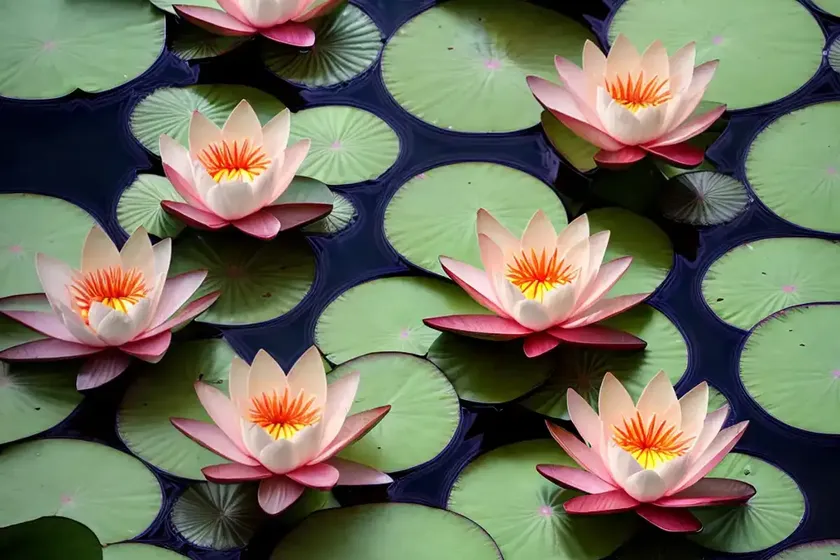
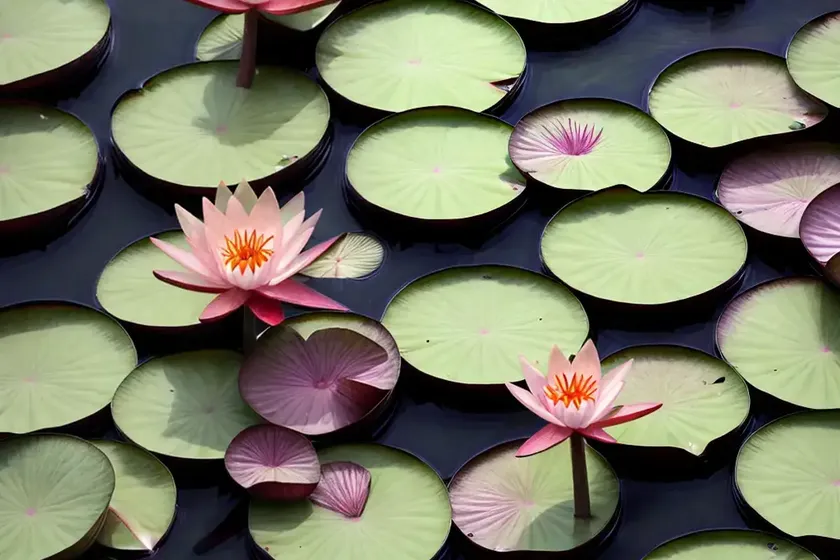
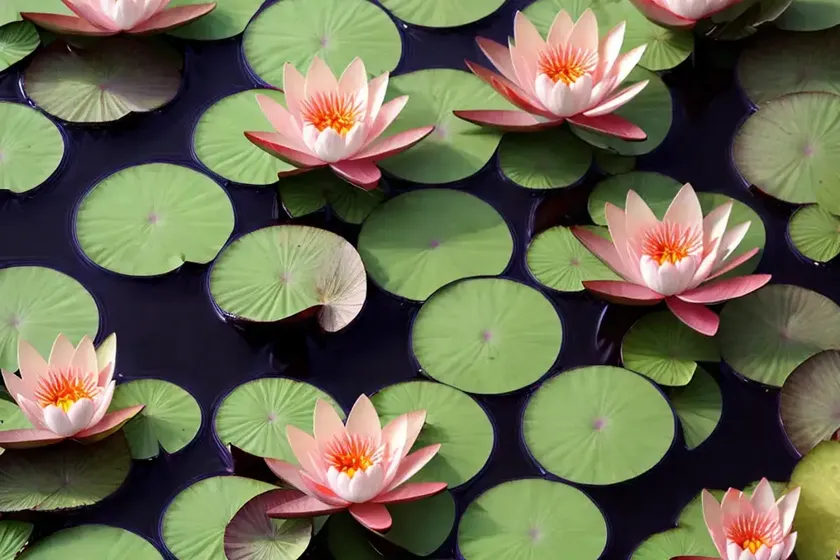
Water lilies have captivated the fascination of plant enthusiasts and gardeners for centuries. Their enchanting beauty and serene presence make them a prized addition to any aquatic setting. Among the diverse array of water lilies, Nymphaea ‘Gloriosa’ or the Hardy Water Lily stands out for its resilience, vibrant blooms, and unique features. In this comprehensive guide, we will delve into the cultivation, characteristics, uses, and maintenance of Nymphaea ‘Gloriosa’, providing valuable insights for both seasoned horticulturalists and beginners alike.
What is Nymphaea ‘Gloriosa’?
Nymphaea ‘Gloriosa’, commonly known as the Hardy Water Lily, is a striking aquatic plant renowned for its resplendent blooms and robust nature. Belonging to the Nymphaeaceae family, this species thrives in aquatic environments, adorning ponds, lakes, and water gardens with its captivating beauty. The name “Nymphaea” is derived from Greek mythology, where nymphs, the beautiful female spirits of nature, were believed to inhabit watery areas such as rivers, streams, and fountains. This nomenclature aptly reflects the ethereal charm and aquatic habitat of these exquisite water lilies.
With its delicate, cup-shaped flowers and lily pad-adorned floating leaves, Nymphaea ‘Gloriosa’ adds a touch of elegance and tranquility to any water feature. The plant’s enduring popularity can be attributed to its adaptability, low maintenance requirements, and captivating floral display.
Key Takeaways – Nymphaea ‘Gloriosa’ (Hardy Water Lily)
Before delving into the intricate details of Nymphaea ‘Gloriosa’, let’s explore the key takeaways that will be covered in this comprehensive guide. From its cultural requirements to maintenance and common diseases, each aspect is integral to understanding and successfully cultivating this enchanting species.
Culture
- Cultivation Requirements
- Habitat and Native Range
- Ecological Significance
- Planting Tips
- Winter Care
Uses
- Ornamental Features
- Pond Planting
- Aquatic Garden Plant
- Wildlife Habitat
- Flower Symbolism
Water
- Water Requirements
- Pond Design
- Lighting
- Container Pond Care
- Naturalized Habitats
Sunlight
- Sunlight Requirements
- Floating Leaves
Fertilizer
- Fertilizer Recommendations
- Aquatic Plant Nutrition
Soil
- Soil Preferences
- Planting Depth
Pruning
- Pruning Guidelines
- Maintenance
Propagation
- Propagation Techniques
- Hybridization
- Pollination Process
Container
- Container Gardening
- Container Pond Design
Popularity
- Historical Significance
- Contemporary Appeal
Common Diseases
- Disease Diagnosis
- Pest Control Methods
Common Pests
- Pest Identification
- Control Measures
Botanist’s Tips
- Expert Insights
- Gardening Tips
- Companion Plants
Fun Facts
- Intriguing Tidbits
- Trivia
Links to External Resources
- Additional Reading
- Further Information
Now, let’s embark on a fascinating journey through the world of Nymphaea ‘Gloriosa’, exploring its characteristics, cultivation, and maintenance in depth.
Culture
Cultivation Requirements
Nymphaea ‘Gloriosa’ thrives in a water depth of approximately 30-60 cm (12-24 inches) and requires a spacious area to spread its lily pads. When selecting a location for planting, it is essential to ensure that the water is still or slow-moving, as the plant does not tolerate strong currents. The roots of the Hardy Water Lily should be planted in a loamy soil mix containing a generous amount of organic matter. A balanced fertilizer specifically formulated for aquatic plants can be added to the planting area to provide essential nutrients for robust growth and vibrant blooms.
Habitat and Native Range
The natural habitat of Nymphaea ‘Gloriosa’ encompasses various regions across North America, where it can be found adorning the serene waters of ponds, lakes, and marshes. While its original range includes parts of the United States and Canada, the plant has been introduced to other suitable habitats worldwide, contributing to its widespread popularity.
Ecological Significance
Apart from its ornamental appeal, Nymphaea ‘Gloriosa’ plays a vital role in aquatic ecosystems. The plant provides shelter and sustenance for a diverse array of aquatic organisms, including fish, amphibians, and invertebrates. Furthermore, its floating leaves offer shade, helping to maintain balanced water temperatures and reduce algae growth, thereby enhancing water quality.
Planting Tips
When planting Nymphaea ‘Gloriosa’, it is crucial to select a suitable planting container or basket that allows the plant to grow and spread freely. The container should be large enough to accommodate the plant’s rhizome and roots while also providing room for expansion. Prior to placing the plant in the container, the soil mix and fertilizer should be thoroughly combined, ensuring a uniform distribution of nutrients. After planting, the container is submerged in the designated water body, allowing the lily pads to float gracefully on the water’s surface while the roots establish themselves in the soil below.
Winter Care
During the colder months, Nymphaea ‘Gloriosa’ undergoes a period of dormancy, necessitating specific care to ensure its well-being. As the temperatures drop, the plant gradually retreats beneath the water’s surface, preparing for the winter season. To safeguard the plant from harsh frosts, it is advisable to lower the container to the deepest part of the pond, where the water temperature remains relatively constant. By providing adequate protection during winter, the Hardy Water Lily can emerge vigorously when the temperatures rise, ready to grace the water garden with its resplendent blooms.
Uses
Ornamental Features
Nymphaea ‘Gloriosa’ is cherished for its enchanting ornamental qualities, which enhance the aesthetic allure of aquatic landscapes. The plant’s vibrant blooms, ranging from delicate pinks to radiant whites, create a captivating visual display that captivates onlookers. With its elegant floating leaves and picturesque flowers, this water lily adds a touch of serenity and elegance to ponds, creating an enchanting focal point in any garden setting.
Pond Planting
When incorporated into pond designs, Nymphaea ‘Gloriosa’ imparts a sense of natural beauty and tranquility. Whether planted in solitary splendor or amidst a diverse array of aquatic flora, the Hardy Water Lily elevates the ambience of the water feature, contributing to a serene and harmonious setting.
Aquatic Garden Plant
In aquatic gardening, Nymphaea ‘Gloriosa’ serves as a cornerstone plant, providing a focal point and offering a source of inspiration for creating breathtaking water garden designs. Its graceful form, exotic blooms, and lush foliage make it a favored choice for enthusiasts seeking to establish visually captivating aquatic landscapes.
Wildlife Habitat
The ecological significance of Nymphaea ‘Gloriosa’ extends to its role as a wildlife habitat, providing shelter, sustenance, and breeding grounds for a myriad of aquatic fauna. The plant’s floating leaves offer a safe haven for aquatic organisms, while its vibrant flowers attract pollinators, adding to the biodiversity of the water garden ecosystem.
Flower Symbolism
In many cultures, water lilies such as Nymphaea ‘Gloriosa’ hold symbolic significance, representing purity, enlightenment, and the cyclical nature of life. With their delicate yet resilient nature, these blooms inspire sentiments of renewal and spiritual transcendence, adorning ponds and water features with a sense of ethereal beauty and profound symbolism.
Water
Water Requirements
Nymphaea ‘Gloriosa’ thrives in calm, shallow waters, requiring adequate moisture for healthy growth and flowering. The water should be free of strong currents, as the plant’s floating leaves and delicate blooms are best showcased in still or gently moving waters. Additionally, it is essential to ensure that the water temperature remains within the optimal range for the plant’s well-being.
Pond Design
When incorporating Nymphaea ‘Gloriosa’ into pond designs, it is important to consider the placement and arrangement of the plant to maximize its visual impact. The plant should be positioned in areas with ample sunlight and a suitable depth, allowing its floating leaves and exquisite blossoms to grace the water’s surface with their captivating beauty.
Lighting
Adequate lighting is crucial for the growth and development of Nymphaea ‘Gloriosa’. The plant thrives in full sun to partial shade, requiring an average of 4-6 hours of sunlight per day for robust growth and prolific flowering. When designing pond landscapes, it is important to select locations that receive sufficient sunlight to ensure the plant’s vitality and blooming potential.
Container Pond Care
For enthusiasts who prefer container gardening, Nymphaea ‘Gloriosa’ can be cultivated in the confined space of a container pond. When caring for a container-grown water lily, it is essential to provide the appropriate water depth, lighting, and maintenance to support the plant’s growth and ornamental appeal.
Naturalized Habitats
Nymphaea ‘Gloriosa’ has adapted to diverse aquatic environments, establishing naturalized habitats in various regions across the globe. These habitats range from pristine water bodies to human-designed aquatic settings, where the plant thrives and imparts its signature allure to the surrounding landscapes.
Sunlight
Sunlight Requirements
Nymphaea ‘Gloriosa’ exhibits a preference for full sun to partial shade, requiring an adequate amount of sunlight to promote healthy growth and prolific flowering. When exposed to the appropriate levels of sunlight, the plant’s floating leaves and blossoms develop vibrant hues and gracefully adorn the water’s surface, elevating the visual appeal of aquatic landscapes.
Floating Leaves
The floating leaves of Nymphaea ‘Gloriosa’ play a vital role in the plant’s biology, serving as sites for photosynthesis and assisting in the regulation of water quality. These leaves add a distinctive touch to the plant’s appearance, contributing to its ethereal charm and serene presence in aquatic environments.
Fertilizer
Fertilizer Recommendations
To support the vigor and vitality of Nymphaea ‘Gloriosa’, it is essential to provide appropriate fertilization tailored to the plant’s aquatic habitat. Balanced fertilizer formulations designed specifically for aquatic plants can be utilized to supply essential nutrients, promoting robust growth and abundant flowering. These fertilizers should be applied at regular intervals to ensure consistent nutrient availability for the plant.
Aquatic Plant Nutrition
The nutritional requirements of aquatic plants, including Nymphaea ‘Gloriosa’, are distinct from those of terrestrial species. The aquatic environment necessitates specialized fertilization approaches that cater to the unique demands of plants thriving in water. By addressing these specific nutritional needs, enthusiasts can ensure the health and vitality of their aquatic flora, including the captivating Hardy Water Lily.
Soil
Soil Preferences
When planting Nymphaea ‘Gloriosa’, it is advisable to select a loamy soil mix enriched with organic matter, providing a nutrient-rich substrate for the plant’s roots. This soil composition supports healthy growth and development, ensuring that the plant receives essential nutrients and maintains optimal moisture levels for thriving in its aquatic habitat.
Planting Depth
The planting depth for Nymphaea ‘Gloriosa’ typically ranges from 12 to 24 inches, allowing the plant’s rhizome and roots to anchor in the soil beneath the water’s surface. This depth ensures that the plant is positioned in an environment conducive to its growth, where it can establish its root system and showcase its floating leaves and blossoms with grace and elegance.
Pruning
Pruning Guidelines
Periodic pruning is essential for maintaining the health and aesthetics of Nymphaea ‘Gloriosa’. By removing spent blooms, excessive foliage, and any decaying plant material, enthusiasts can promote new growth and prevent the accumulation of organic matter in the water. Pruning also aids in managing the plant’s size and maintaining its desired appearance in the water garden setting.
Maintenance
Regular maintenance, including pruning, fertilization, and water quality management, is crucial for ensuring the long-term health and vitality of Nymphaea ‘Gloriosa’. By providing attentive care and addressing the plant’s needs, enthusiasts can enjoy the continual beauty of this captivating water lily in their aquatic landscapes.
Propagation
Propagation Techniques
Nymphaea ‘Gloriosa’ can be propagated through various methods, including division and seed germination. Division involves separating the plant’s rhizomes and establishing new plantings from viable segments, while seed germination allows for the cultivation of new genetic variations and hybrids. By understanding the propagation techniques suitable for Nymphaea ‘Gloriosa’, enthusiasts can expand their collection and contribute to the diversity of water lilies in their aquatic environments.
Hybridization
The hybridization of Nymphaea ‘Gloriosa’ offers exciting opportunities for plant enthusiasts and horticulturists to develop new cultivars and explore the diverse range of traits and characteristics inherent in the species. Through careful hybridization efforts, unique water lily varieties can be bred, showcasing captivating colors, patterns, and forms that captivate and inspire.
Pollination Process
The pollination process plays a pivotal role in the reproduction of Nymphaea ‘Gloriosa’, allowing for the development of seeds and the perpetuation of the species. Pollinators, such as bees and other flying insects, facilitate the transfer of pollen between flowers, leading to the formation of seeds that contribute to the plant’s genetic diversity and potential for propagation.
Container
Container Gardening
For enthusiasts seeking to cultivate Nymphaea ‘Gloriosa’ in confined spaces or controlled environments, container gardening offers a practical and visually appealing solution. By selecting suitable containers, providing the necessary planting medium, and attending to the plant’s requirements, enthusiasts can create stunning aquatic displays and showcase the captivating allure of the Hardy Water Lily on a smaller scale.
Container Pond Design
The design and arrangement of container ponds hosting Nymphaea ‘Gloriosa’ play a key role in creating visually engaging and harmonious aquatic landscapes. Carefully selecting containers of appropriate size, incorporating complementary aquatic plants, and attending to aesthetic considerations contribute to the creation of captivating water features that highlight the beauty and charm of this beloved water lily.
Popularity
Historical Significance
Throughout history, water lilies, including Nymphaea ‘Gloriosa’, have held cultural and symbolic significance in various societies. Their captivating beauty, tranquil presence, and symbolic associations have inspired art, literature, and spiritual contemplation, contributing to their enduring appeal across diverse cultures and time periods.
Contemporary Appeal
In contemporary horticulture and aquatic landscaping, Nymphaea ‘Gloriosa’ continues to enchant plant enthusiasts, gardeners, and landscape designers with its timeless allure. Its adaptability, low maintenance requirements, and captivating floral display make it a favored choice for adorning ponds, water gardens, and aquatic landscapes, adding a touch of elegance and serenity to modern garden settings.
Common Diseases
Disease Diagnosis
Nymphaea ‘Gloriosa’ may be susceptible to certain diseases and disorders, including fungal infections, leaf spot, and other ailments that can impact its health and visual appeal. By familiarizing themselves with the symptoms of common water lily diseases and adopting preventive measures, enthusiasts can safeguard their plants and ensure their continued vitality and beauty.
Common Pests
Pest Identification
Pests such as aphids, mites, and caterpillars can pose challenges to the health and aesthetics of Nymphaea ‘Gloriosa’. By recognizing the signs of pest infestation and implementing appropriate control measures, enthusiasts can effectively manage pest populations and protect their water lilies from potential damage.
Botanist’s Tips
Expert Insights
Botanists and horticultural experts offer valuable insights and recommendations for cultivating and caring for Nymphaea ‘Gloriosa’. Their experience and expertise provide enthusiasts with practical advice, advanced techniques, and innovative approaches for optimizing the health and ornamental appeal of this captivating water lily.
Gardening Tips
Gardening tips for Nymphaea ‘Gloriosa’ encompass a range of essential practices, from site selection and planting to maintenance and care. By adhering to expert-guided gardening tips, enthusiasts can ensure the success of their water lily cultivation endeavors and create stunning aquatic displays that highlight the plant’s natural beauty and captivating allure.
Companion Plants
Incorporating suitable companion plants alongside Nymphaea ‘Gloriosa’ enhances the visual appeal and ecological balance of aquatic landscapes. Thoughtfully selecting and arranging complementary aquatic species contributes to the creation of harmonious and captivating garden designs, enriching the overall aesthetic and ecological value of water features.
Fun Facts
Intriguing Tidbits
- Nymphaea ‘Gloriosa’ is known for its captivating fragrance, which adds an additional sensory dimension to its alluring blooms, captivating onlookers with its sweet and delicate scent.
- The Hardy Water Lily exhibits remarkable color variations, with blooms ranging from pristine whites to captivating pinks, and occasionally featuring enchanting bi-color patterns.
- Some varieties of Nymphaea ‘Gloriosa’ are renowned for their exceptional hardiness, thriving in diverse climates and further enhancing their appeal to water garden enthusiasts across the globe.
Trivia
- Water lilies, including Nymphaea ‘Gloriosa’, have been cultivated in gardens and aquatic settings for millennia, captivating civilizations with their timeless beauty and serene presence.
- Nymphaea ‘Gloriosa’ serves as a source of inspiration for artists, poets, and garden designers, enthusing creative expression and cultural reflection through its captivating floral display and elegant form.
Links to External Resources
For additional reading and further information on Nymphaea ‘Gloriosa’ and aquatic plant cultivation, the following external resources provide valuable insights and comprehensive guidance:
-
The Water Garden Society – A platform dedicated to promoting the art and science of water gardening, offering resources, educational materials, and expert advice on cultivating water lilies and aquatic plants.
-
Royal Horticultural Society – The Royal Horticultural Society provides in-depth plant profiles, cultivation guidelines, and extensive resources for enthusiasts seeking to learn more about Nymphaea ‘Gloriosa’ and water lily cultivation.
-
Aquatic Plant Society – An online community and resource hub for aquatic plant enthusiasts, offering forums, articles, and practical insights into the cultivation and care of water lilies and other aquatic plants.
-
American Aquatic Gardens – A comprehensive source of information on aquatic plants, pond design, and water feature landscaping, including valuable guidance on the cultivation and maintenance of Nymphaea ‘Gloriosa’.
-
The Lily Pad – A digital platform offering a wealth of resources, articles, and insights into the diverse world of water lilies, including detailed information on Nymphaea ‘Gloriosa’ and its cultivation.
By exploring these external resources, enthusiasts can gain valuable knowledge, expert guidance, and practical insights into the cultivation, maintenance, and appreciation of Nymphaea ‘Gloriosa’ and other water lilies, enhancing


