Nymphaea ‘Georgia Peach’ (Hardy Water Lily)
The Nymphaea ‘Georgia Peach’, a variety of hardy water lily, is a stunning aquatic plant that adds beauty and tranquility to any water garden or pond. With.
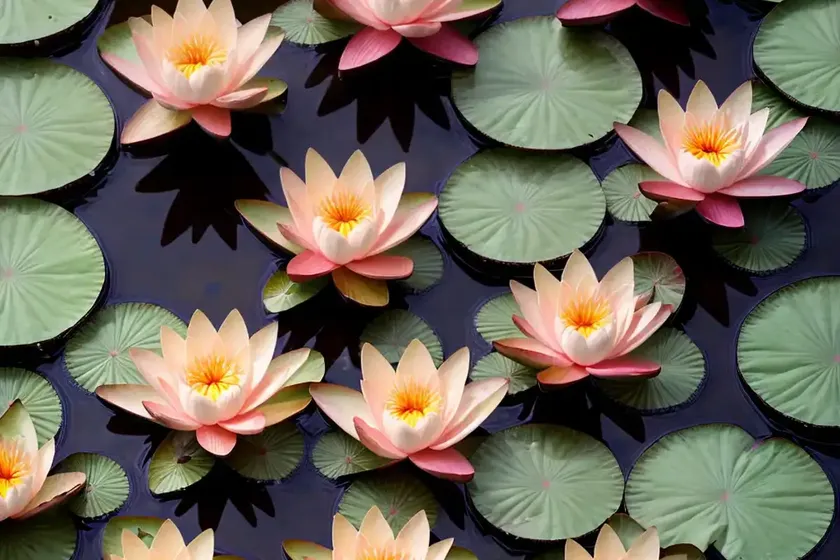
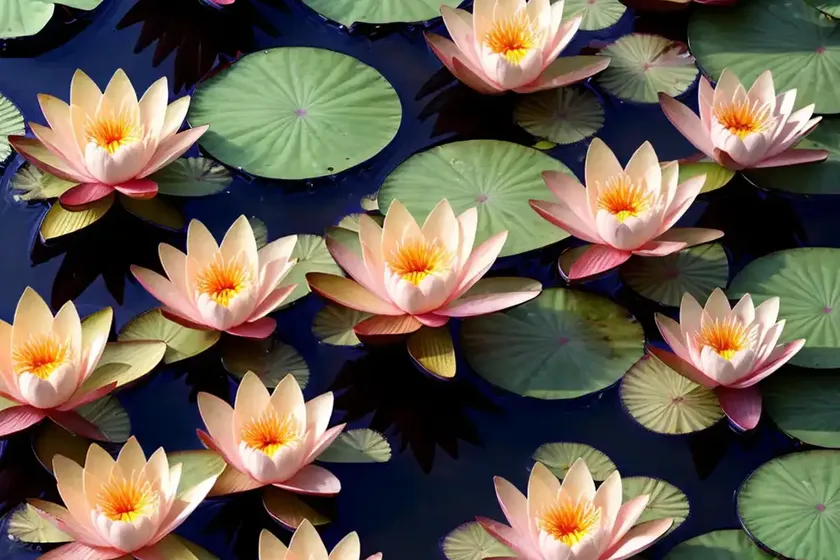
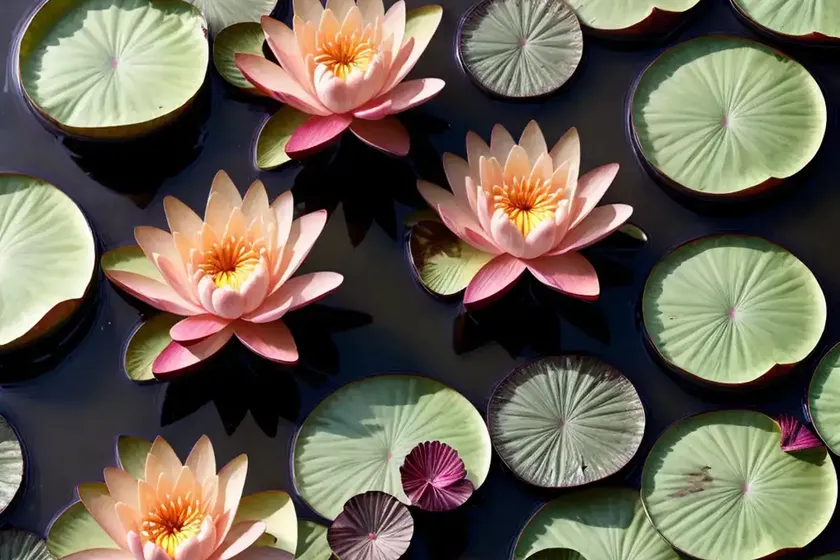
The Nymphaea ‘Georgia Peach’, a variety of hardy water lily, is a stunning aquatic plant that adds beauty and tranquility to any water garden or pond. With its delicate blooms and graceful foliage, this water lily variety has become a favorite among water garden enthusiasts and landscape designers. In this comprehensive guide, we will explore the cultural aspects, uses, care requirements, propagation methods, common pests and diseases, and interesting facts about the Nymphaea ‘Georgia Peach’. Whether you are a beginner gardener or a seasoned botanist, this guide will provide you with valuable insights into this enchanting water lily variety.
What is Nymphaea ‘Georgia Peach’ (Hardy Water Lily)?
The Nymphaea ‘Georgia Peach’ is a captivating variety of hardy water lily that belongs to the Nymphaeaceae family. Known for its vibrant peach-colored blooms and lush green lily pads, this aquatic plant is a perennial favorite in water gardens and aquatic landscapes. With its ability to thrive in various climate conditions and water depths, the Nymphaea ‘Georgia Peach’ has garnered admiration from water garden enthusiasts and horticulturists alike.
Key Takeaways – Nymphaea ‘Georgia Peach’ (Hardy Water Lily)
Before delving into the intricacies of caring for the Nymphaea ‘Georgia Peach’, let’s take a look at some key takeaways and essential characteristics of this captivating water lily variety:
- Scientific Name: Nymphaea ‘Georgia Peach’
- Common Name: Hardy Water Lily, Georgia Peach Water Lily
- Water Depth: 12-30 inches
- Bloom Color: Peach
- Growth Habit: Rhizomatous
- Sunlight Requirement: Full sun to partial shade
- USDA Zone: 3-11
- Size: Medium spread
Now, let’s delve into the various aspects of the Nymphaea ‘Georgia Peach’, from its cultural requirements to propagation methods and common pests and diseases.
Culture
Uses
The Nymphaea ‘Georgia Peach’ is primarily cultivated for its ornamental value and is widely used in water gardens, ponds, and aquascape designs. Its vibrant blooms and lush foliage make it a popular choice for adding color and visual interest to aquatic landscapes. Additionally, the Nymphaea ‘Georgia Peach’ contributes to the overall health and balance of aquatic ecosystems by providing shelter for aquatic organisms and aiding in water purification.
Water
Hardy water lilies, including the Nymphaea ‘Georgia Peach’, thrive in still or slow-moving water. When selecting a location for planting, ensure that the water depth is within the recommended range of 12-30 inches. Notably, water lilies are adaptable to various water sources, including natural ponds, artificial water features, and containers, making them versatile plants for aquatic settings.
Sunlight
Proper sunlight exposure is crucial for the healthy growth and blooming of the Nymphaea ‘Georgia Peach’. This hardy water lily variety thrives in full sun to partial shade conditions, making it well-suited for a range of outdoor environments. When choosing a planting site, aim to provide the plant with at least 6 hours of direct sunlight per day for optimal growth and blooming.
Fertilizer
To promote robust growth and prolific blooming, it is essential to provide adequate nutrition to the Nymphaea ‘Georgia Peach’. Specialized aquatic plant fertilizers designed for water lilies can be used to supply essential nutrients to the plant. These fertilizers are typically formulated to release nutrients gradually, supporting the long-term health and vitality of the water lily without causing harm to aquatic organisms.
Soil
While water lilies are aquatic plants, they do not require traditional soil for growth. Instead, they thrive in a specialized aquatic planting medium or loam-based soil that is rich in organic matter. When planting the Nymphaea ‘Georgia Peach’, ensure that the rhizomes are securely positioned in the planting medium with the growing tips oriented upwards, allowing the lily pads and blooms to emerge gracefully from the water.
Pruning
To maintain the aesthetic appeal and vigor of the Nymphaea ‘Georgia Peach’, regular pruning and maintenance are essential. Dead or decaying foliage, spent blooms, and excessive runners should be promptly pruned to prevent the accumulation of organic matter in the water and to encourage new growth. Pruning also helps to maintain a balanced and visually appealing display of lily pads and blooms on the water’s surface.
Propagation
The propagation of the Nymphaea ‘Georgia Peach’ can be achieved through division, which involves separating the rhizomes and planting them in suitable aquatic medium. This process can be undertaken during the active growing season, typically in the spring or early summer, to ensure successful establishment and growth of the new plants. By carefully dividing the rhizomes and providing favorable growing conditions, gardeners can propagate and expand their collection of these exquisite hardy water lilies.
Container Popularity
The Nymphaea ‘Georgia Peach’ is well-suited for container gardening, allowing enthusiasts with limited space to enjoy the beauty of water lilies on a smaller scale. When selecting a container for planting, choose a spacious and sturdy container with a wide opening to accommodate the growth of the water lily. Container gardening also offers the flexibility of relocating the water lily to different settings, making it an ideal option for gardening enthusiasts with evolving outdoor spaces.
Common Diseases
Disease Diagnosis
While hardy water lilies are relatively resistant to diseases, they may occasionally encounter issues such as fungal infections, rot, or leaf spot. Proper diagnosis of potential diseases involves careful observation of the plant for symptoms such as wilting, discoloration, or unusual growth patterns. Identifying the specific disease affecting the Nymphaea ‘Georgia Peach’ is essential for implementing targeted prevention and treatment measures to restore the plant’s health.
Common Pests
Hardy water lilies, including the Nymphaea ‘Georgia Peach’, are generally resilient against pest infestations. However, common aquatic pests such as aphids, snails, and caterpillars may occasionally pose a threat to the plants. Regular monitoring and prompt intervention, including the use of natural pest control methods, can help mitigate pest populations and protect the water lilies from significant damage.
Botanist’s Tips
Allow me to share some botanist’s tips for cultivating and caring for the Nymphaea ‘Georgia Peach’ based on extensive research and practical experience:
-
Water Quality: Regularly monitor the water quality in the pond or container to ensure optimal growing conditions for the Nymphaea ‘Georgia Peach’. Maintaining balanced pH levels and minimizing the accumulation of organic debris contributes to the plant’s overall health.
-
Seasonal Care: Adjust your care routine according to the changing seasons. Winter care, including protecting the plant from freezing temperatures and minimizing cold-induced stress, is essential for ensuring the survival and vitality of the water lilies during the dormant period.
-
Compatibility: When designing aquascape layouts or pond ecosystems, consider the compatibility of the Nymphaea ‘Georgia Peach’ with other aquatic plants and organisms. Creating a harmonious and balanced environment supports the well-being of the water lilies and contributes to the overall aesthetic appeal of the aquatic landscape.
-
Regular Observation: Dedicate time for regular observation of the Nymphaea ‘Georgia Peach’ to detect early signs of stress, disease, or nutrient deficiencies. Proactive monitoring allows for timely intervention and adjustments to maintain the plant’s optimal condition.
Fun Facts
To further appreciate the allure of the Nymphaea ‘Georgia Peach’, here are some fun facts about this captivating hardy water lily variety:
- The ‘Georgia Peach’ water lily variety is known for its ability to attract pollinators, including bees and butterflies, with its fragrant and visually enticing blooms.
- Water lilies have been revered in various cultures and traditions as symbols of purity, enlightenment, and resilience, adding a deeper layer of symbolism to these enchanting aquatic plants.
- The Nymphaea ‘Georgia Peach’ has been recognized for its potential ecological benefits, including its role in oxygenating water and providing habitat for aquatic wildlife.
Explore these intriguing facts and uncover the rich heritage and botanical significance of the Nymphaea ‘Georgia Peach’ as you cultivate and admire this remarkable water lily variety.
Links to External Resources
For further information on the Nymphaea ‘Georgia Peach’ and related topics, I recommend exploring the following external resources:
- The Water Garden Society of Georgia – Nymphaea ‘Georgia Peach’ Profile
- Aquascape Design Ideas for Water Gardens
In conclusion, the Nymphaea ‘Georgia Peach’ (Hardy Water Lily) stands as a remarkable and captivating addition to water gardens and aquatic landscapes, captivating enthusiasts with its vibrant blooms and serene presence. As you embark on the journey of cultivating and caring for this beautiful water lily variety, embrace the cultural significance, ecological contributions, and aesthetic charm that it brings to aquatic environments. With dedicated care and appreciation for its natural beauty, the Nymphaea ‘Georgia Peach’ will continue to enchant and inspire admirers of water garden plants for generations to come.


