Nymphaea candida (Dwarf White Water Lily): A Comprehensive Guide to Care and Cultivation
Plants have always been an integral part of human life. They not only provide us with food and oxygen but also contribute to the beauty of our surroundings. One such plant that has caught the attention of plant enthusiasts and botanical experts alike is the Nymphaea candida, also known as the Dwarf White Water Lily. Its mesmerizing blooms and aquatic habitat make it an intriguing specimen for both beginner and experienced gardeners.
In this extensive guide, we will delve deep into the world of Nymphaea candida, exploring its cultural significance, uses, propagation, care requirements, and much more. Whether you are a gardening enthusiast, a professional botanist, or simply someone looking to enhance their indoor or outdoor space, this article will equip you with the knowledge needed to cultivate and appreciate the beauty of this exceptional plant.
What is Nymphaea candida (Dwarf White Water Lily)?
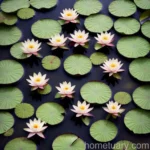
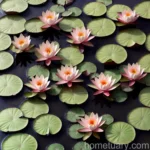
The Nymphaea candida, also known as the Dwarf White Water Lily, is a species of aquatic flowering plant belonging to the Nymphaeaceae family. As its common name suggests, it is characterized by its small size and radiant white blooms, which float gracefully on the surface of calm waters. The genus name “Nymphaea” is derived from Greek mythology, where nymphs were believed to inhabit and protect water bodies, while “candida” refers to the plant’s white flowers, reminiscent of pure beauty.
This captivating plant is native to the temperate regions of Europe and Asia, where it thrives in shallow, still water bodies such as ponds, lakes, and slow-moving streams. The Nymphaea candida displays remarkable adaptability, making it suitable for both natural and artificial aquatic environments. Its serene presence and delicate blossoms have made it a symbol of tranquility and purity in various cultures around the world.
Key Takeaways – Nymphaea candida (Dwarf White Water Lily)
Before we embark on the journey of understanding the intricacies of caring for Nymphaea candida, let’s outline the key takeaways pertaining to this enchanting plant:
- Scientific Name: Nymphaea candida
- Common Name: Dwarf White Water Lily
- Family: Nymphaeaceae
- Native Habitat: Europe and Asia
- Growth Habit: Aquatic, perennial
- Flower Color: White
- Cultural Significance: Symbol of purity and tranquility
- Uses: Ornamental decoration, natural water filtration
- Adaptability: Suitable for ponds, small water features, and aquatic containers
- Care Level: Beginner-friendly
Now that we have an overview of the Nymphaea candida, let’s delve deeper into various aspects of its cultivation and care.
Culture
The culture of Nymphaea candida encompasses its historical and symbolic significance, as well as its role in horticulture and aquatic ecosystems. Understanding the cultural aspects of this plant provides insight into its broader relevance and the value it holds in different contexts.
Historical and Symbolic Significance
Across different cultures and civilizations, water lilies have been revered and represented in various art forms, literature, and religious beliefs. The ethereal beauty of Nymphaea candida has evoked admiration and inspiration, leading to its symbolism in diverse cultural contexts.
In ancient Egypt, the water lily held immense significance, particularly for its representation of creation and rebirth. The plant’s ability to emerge from the depths of muddy waters and produce resplendent flowers signified the cycle of life, death, and resurrection. Depictions of water lilies can be found in Egyptian hieroglyphs and artwork, showcasing their profound cultural relevance.
Furthermore, in Eastern cultures such as Buddhism and Hinduism, water lilies are associated with purity, enlightenment, and spiritual growth. The serene presence of Nymphaea candida in tranquil water bodies is reminiscent of inner harmony and the pursuit of enlightenment, making it a revered symbol in these belief systems.
In contemporary contexts, the water lily continues to be celebrated for its aesthetic allure and natural elegance. As a popular subject in art and photography, the blooms of Nymphaea candida represent beauty, grace, and the ephemeral nature of existence.
Uses
The uses of Nymphaea candida extend beyond its ornamental appeal, as it offers practical and ecological benefits in various settings. Understanding its diverse uses provides a holistic view of the plant’s contribution to both human well-being and environmental sustainability.
Ornamental Decoration
One of the most prominent uses of Nymphaea candida is its role as an ornamental plant in gardens, ponds, and water features. The enchanting sight of its white blossoms adorning the surface of tranquil waters adds a touch of elegance and natural beauty to any landscape. Its use in ornamental gardening and landscaping projects enhances the visual appeal of aquatic environments, creating a serene and picturesque ambiance.
Moreover, Nymphaea candida is a popular choice for water gardens and aquatic containers, where its compact size and striking blooms make it a captivating centerpiece. Whether in natural ponds or man-made water features, the presence of this diminutive yet resplendent plant elevates the aesthetic quality of the surroundings.
Natural Water Filtration
Beyond its role as a decorative plant, Nymphaea candida contributes to the ecological balance of aquatic ecosystems through its natural filtration capabilities. As a submerged aquatic plant, it plays a vital role in maintaining water clarity and quality by absorbing excess nutrients and impurities from the water. The dense foliage and extensive root system of the water lily provide habitat for beneficial microorganisms, which aid in the decomposition of organic matter and the reduction of algae growth.
In this way, Nymphaea candida serves as a valuable component of natural water purification processes, promoting the health and vitality of aquatic habitats. Its ability to enhance water quality makes it a beneficial addition to ponds, wetlands, and other water bodies, contributing to the overall ecological balance.
Water
Proper watering is crucial for the health and vitality of Nymphaea candida. As an aquatic plant, it requires specific water conditions to thrive and produce its iconic blooms. Understanding the water requirements of the Dwarf White Water Lily is essential for cultivating a flourishing and vibrant specimen.
Aquatic Environment
Nymphaea candida is adapted to thrive in submerged or shallow water environments, where its roots and rhizomes are submerged while the leaves and blossoms float on the water’s surface. When selecting a location for the plant, it is important to ensure that it receives adequate water depth to accommodate its growth habits. Whether placed in a natural pond, water garden, or aquatic container, the water level should allow the plant’s foliage to float freely and receive optimal sunlight.
Sunlight
Sunlight plays a pivotal role in the growth and flowering of Nymphaea candida, influencing its overall health and blooming capacity. Understanding the sunlight requirements of the Dwarf White Water Lily is essential for creating an ideal environment for its cultivation.
Sun Exposure
Nymphaea candida thrives in locations with ample sunlight, preferably receiving at least 6-8 hours of direct or indirect sunlight each day. Adequate sun exposure is essential for promoting the plant’s photosynthetic processes, which are crucial for its growth and the production of vibrant blooms.
When selecting a site for cultivating Nymphaea candida, it is important to consider the availability of sunlight to ensure that the plant receives the necessary light energy for its metabolic processes. In natural ponds and water gardens, positioning the plant in areas with sufficient sunlight penetration is vital for its overall vigor and flowering performance.
Fertilizer
Proper fertilization plays a significant role in enhancing the growth and blooming capacity of Nymphaea candida. Understanding the fertilization requirements of the Dwarf White Water Lily, as well as the appropriate application methods, is essential for promoting its overall health and flowering potential.
Fertilizer Types
When selecting fertilizers for Nymphaea candida, it is important to choose products specifically formulated for aquatic plants. These specialized fertilizers are designed to provide essential nutrients while minimizing any potential adverse effects on the aquatic ecosystem.
Liquid fertilizers are commonly used for aquatic plants, as they can be easily applied to the water, where they are absorbed by the plant’s roots and utilized for growth. Look for liquid fertilizers that are rich in essential nutrients such as nitrogen, phosphorus, and potassium, as well as micronutrients such as iron, manganese, and magnesium.
Solid fertilizer pellets or tabs designed for water lilies and aquatic plants can also be utilized, typically placed near the plant’s roots or directly into the planting medium to provide a steady release of nutrients over time.
Soil
While Nymphaea candida is an aquatic plant that thrives in water, understanding the role of soil in its cultivation is essential, particularly when it comes to potted specimens and containers. Proper soil selection and planting techniques contribute to the overall health and growth of the Dwarf White Water Lily.
Planting Medium for Containers
When cultivating Nymphaea candida in containers or aquatic pots, the selection of an appropriate planting medium is crucial for the plant’s well-being. While the roots and rhizomes of the water lily are submerged in water, they benefit from a planting medium that provides stability and nutrients.
A common planting medium for Nymphaea candida in containers consists of a blend of aquatic soil or loam, which offers a stable foundation for the plant and supports root development. Mix the soil with a layer of pea gravel or larger stones to secure the plant in the container and prevent the soil from washing away when submerged.
Pruning
Pruning is an essential practice for maintaining the health and aesthetics of Nymphaea candida. Regular pruning helps control the plant’s growth, remove decaying foliage, and promote the development of new shoots and blossoms. Understanding the principles of pruning the Dwarf White Water Lily is crucial for cultivating a thriving and visually appealing specimen.
Removal of Spent Flowers and Foliage
As Nymphaea candida produces its exquisite blooms, it is important to remove spent flowers to encourage continuous blooming and prevent the formation of seed pods. Using clean, sharp scissors or pruning shears, carefully trim the spent blossoms at the base of their stems, ensuring that no remnants are left to decompose in the water.
Additionally, the plant’s foliage may require periodic trimming to remove any yellowing or decaying leaves, which can detract from its overall appearance and vitality. Trim the foliage close to the base of the plant, taking care not to excessively disturb the rhizomes and roots.
Propagation
Propagation is a means of multiplying Nymphaea candida to expand its presence in aquatic environments or to share its beauty with other gardening enthusiasts. Understanding the methods of propagating the Dwarf White Water Lily allows for the creation of new plants and the preservation of its genetic diversity.
Division of Rhizomes
One of the most common methods of propagating Nymphaea candida is through the division of its rhizomes. This process involves separating the rhizomes into individual sections, each containing viable buds for new growth. Division is typically carried out during the plant’s dormant period in early spring or late summer, when it is less actively growing and can tolerate the disturbance.
To divide the rhizomes of Nymphaea candida, carefully lift the plant from its container or pond, taking care not to damage the roots and rhizomes. Gently rinse the rhizomes to remove excess debris and soil, making it easier to identify viable sections for division.
Using a clean and sharp knife, divide the rhizomes into segments, ensuring that each section has viable growing points and a sufficient root system. The divided rhizomes can be replanted in suitable containers or aquatic environments, where they will establish and produce new foliage and blossoms.
Container Popularity
The popularity of Nymphaea candida as a container plant stems from its compact size, striking blooms, and adaptability to confined aquatic spaces. Whether in outdoor ponds or indoor aquatic setups, the Dwarf White Water Lily is sought after by gardening enthusiasts and aquarists for its ornamental value and manageable growth habits.
Indoor Aquatic Environments
For those looking to bring the beauty of aquatic plants into their homes, Nymphaea candida is an appealing choice for indoor containers and aquariums. The plant’s small size and striking white blossoms make it a captivating addition to aquarium setups, creating a natural and serene ambiance within the enclosed environment.
When cultivating Nymphaea candida in indoor aquatic environments, it is important to provide the plant with appropriate lighting, water conditions, and space for growth. Select a spacious aquarium or aquatic container that allows the plant’s leaves and blossoms to spread across the water’s surface, creating a picturesque display within the confined space.
Common Diseases
Nymphaea candida, like any other plant, is susceptible to certain diseases that can affect its overall health and vitality. Understanding the common diseases that affect the Dwarf White Water Lily, as well as preventive measures and treatments, is essential for maintaining a robust and vibrant specimen.
Fungal Infections
Fungal diseases, such as leaf spot and powdery mildew, can affect the foliage of Nymphaea candida, leading to the development of unsightly blemishes and reduced photosynthetic capacity. These infections are often favored by conditions of high humidity, poor air circulation, and the presence of decaying organic matter.
To prevent fungal diseases, ensure that the plant’s environment is well-ventilated, with ample air circulation to discourage the build-up of moisture on the foliage. Remove any dead or decaying leaves promptly and avoid overhead watering, which can promote the spread of fungal spores.
In cases where fungal infections are present, fungicidal treatments formulated for aquatic plants can be applied to mitigate the spread and impact of the diseases. Follow the manufacturer’s instructions and safety precautions when using fungicidal products, and monitor the plant for signs of recovery.
Disease Diagnosis
Diagnosing diseases in Nymphaea candida involves careful observation of the plant’s foliage, stems, and overall appearance for any abnormal signs or symptoms. Early detection and accurate diagnosis of diseases are crucial for implementing timely interventions and preventing the spread of infections.
Leaf Spot
Leaf spot is a common fungal disease that affects the foliage of Nymphaea candida, characterized by the presence of dark, water-soaked lesions on the leaves. These lesions may expand over time, leading to the browning, wilting, and premature dropping of affected leaves. Leaf spot can be caused by various fungal pathogens and is favored by humid conditions and poor air circulation.
To diagnose leaf spot in Nymphaea candida, closely examine the plant’s leaves for the presence of dark or discolored lesions, which may be accompanied by a fuzzy or powdery texture on the leaf surface. Additionally, observe the overall health of the plant and look for signs of declining vigor, such as stunted growth or reduced flowering.
Powdery Mildew
Powdery mildew is another fungal disease that can affect Nymphaea candida, manifesting as a white, powdery coating on the surfaces of the plant’s leaves and stems. This disease is favored by conditions of high humidity and inadequate air circulation, particularly in enclosed or shaded environments.
To diagnose powdery mildew in Nymphaea candida, carefully inspect the plant for the presence of white or grayish powdery growth on the foliage and stems. Look for signs of wilting, distortion, or discoloration in affected leaves, which may indicate the impact of the disease on the plant’s health.
Common Pests
In addition to diseases, Nymphaea candida is vulnerable to certain pests that can compromise its growth and flowering capacity. Understanding the common pests that affect the Dwarf White Water Lily, as well as effective pest management strategies, is crucial for preserving the plant’s vitality and ornamental value.
Aphids
Aphids are small, soft-bodied insects that can infest the foliage and stems of Nymphaea candida, feeding on the plant’s sap and excreting honeydew. These pests can weaken the plant, leading to stunted growth, distorted foliage, and reduced flowering. Aphid infestations are favored by conditions of high nitrogen levels and lush plant growth.
To manage aphids on Nymphaea candida, employ physical removal methods such as spraying the plant with a strong stream of water to dislodge the pests. Additionally, beneficial insect predators such as ladybugs and lacewings can be introduced to the environment to feed on aphids and control their population.
Botanist’s Tips
Gardening enthusiasts and botanists can benefit from specific tips and recommendations for cultivating Nymphaea candida successfully. These insights, garnered from experience and expertise, provide valuable guidance for enhancing the plant’s growth, blooming, and overall health.
Tip 1: Provide Adequate Space
When cultivating Nymphaea candida, ensure that the plant has ample space to spread its leaves and blossoms across the water surface. Adequate space not only allows for the plant’s unrestricted growth but also contributes to the creation of a visually appealing and harmonious aquatic environment.
Tip 2: Monitor Water Quality
Regularly monitor the quality of the water in which Nymphaea candida is growing, particularly in confined environments such as containers and ponds. Water parameters such as pH, dissolved oxygen levels, and nutrient content should be within the appropriate range to support the plant’s health and vitality.
Tip 3: Promote Balanced Nutrition
Maintain a balanced approach to fertilization, ensuring that Nymphaea candida receives essential nutrients while preventing excessive nutrient accumulation in the water. Periodically test the water for nutrient levels and adjust fertilization practices accordingly to maintain an optimal nutrient balance.
Tip 4: Prune Spent Blooms Promptly
Practice regular deadheading of spent flowers to encourage continuous blooming and prevent the formation of seed pods. Prompt removal of spent blossoms contributes to the vigor and flowering capacity of Nymphaea candida, promoting a sustained display of pristine white blooms.
Tip 5: Consider Companion Plants
Explore the use of compatible aquatic plants and floating species as companion plants for Nymphaea candida. Selecting suitable companion plants can enhance the aesthetics of the aquatic environment and create a harmonious coexistence of diverse aquatic species.
Fun Facts
Uncover intriguing and captivating facts about Nymphaea candida that showcase its remarkable characteristics and cultural significance. These fun facts provide a deeper appreciation for the enchanting qualities of the Dwarf White Water Lily.
Fact 1: Symbol of Purity
In various cultural contexts, the white blossoms of Nymphaea candida symbolize purity, innocence, and spiritual enlightenment. The plant’s association with these profound qualities has contributed to its portrayal in art, literature, and religious symbolism throughout history.
Fact 2: Varied Floral Symbolism
Beyond purity and tranquility, the flowers of Nymphaea candida have been associated with diverse symbolism, including beauty, creation, and the cyclical nature of life. This multi-faceted floral symbolism lends depth to the plant’s cultural significance and its portrayal in artistic expressions.
Links to External Resources
Harness the wealth of knowledge available through external resources, including websites, publications, and organizations dedicated to aquatic plants and gardening. Explore the following links for further insight into Nymphaea candida and the broader realm of aquatic horticulture:
- The Water Garden Society: A comprehensive resource on water gardening, including information on Nymphaea species and their cultivation in