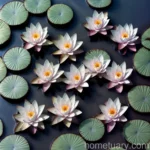
Nymphaea alba (White Water Lily): A Comprehensive Guide
Nymphaea alba, commonly known as the White Water Lily, is a stunning aquatic plant that has captivated humans for centuries. Its delicate white flowers and lily pads create a sense of tranquility and beauty in any aquatic environment, making it a popular choice for ponds and water gardens. In this guide, we will explore the fascinating world of Nymphaea alba, including its cultural significance, uses, care requirements, and much more.
What is Nymphaea alba (White Water Lily)?
Nymphaea alba is a species of aquatic flowering plant in the Nymphaeaceae family. It is native to Europe and parts of Asia and Africa, where it can be found in quiet freshwater habitats such as ponds, lakes, and slow-moving rivers. The plant is characterized by its large, fragrant white flowers that float on the water’s surface, as well as its round, glossy green lily pads that provide shelter for aquatic organisms.
Nymphaea alba Facts
- Scientific Name: Nymphaea alba
- Common Name: White Water Lily
- Family: Nymphaeaceae
- Native Habitat: Europe, Asia, Africa
- Flower Color: White
- Blooming Season: Summer to early autumn
Key Takeaways – Nymphaea alba (White Water Lily)
Before diving into the specifics of Nymphaea alba, let’s take a look at the key takeaways associated with this beautiful aquatic plant.
- Cultural Significance: Nymphaea alba has deep-rooted cultural and symbolic significance in various societies across the world.
- Medicinal Uses: Certain parts of the plant have been used for their medicinal properties.
- Habitat: It thrives in quiet freshwater environments and plays a crucial role in maintaining ecological balance.
- Garden Design: White Water Lilies are popular choices for landscaping ponds and water gardens.
- Wildlife Attraction: The plant attracts and provides vital habitat for various forms of aquatic life.
Now, let’s delve deeper into the various aspects of Nymphaea alba.
Culture
Nymphaea alba has been revered and celebrated in numerous cultural and religious contexts throughout history. The plant holds deep symbolic meanings and is often associated with purity, enlightenment, and transformation. In many Eastern and Western traditions, the White Water Lily is considered a sacred and divine flower, often depicted in art and literature as a symbol of spirituality and rebirth.
White Water Lily Symbolism
- Purity: The pristine white flowers of Nymphaea alba symbolize purity and innocence in many cultures.
- Enlightenment: In some Eastern philosophies, the unfolding of the lily’s petals represents the journey towards enlightenment.
- Transformation: The plant’s ability to emerge from the depths of murky waters and produce pristine blooms is seen as a metaphor for transformation and growth.
Cultural Significance
- Religious Rituals: White Water Lilies are integral to various religious ceremonies and rituals in Hinduism, Buddhism, and Ancient Egyptian traditions.
- Art and Literature: The plant has been a frequent motif in art, poetry, and mythology, symbolizing beauty, grace, and the divine.
Uses
Nymphaea alba has a range of practical and cultural uses, making it a versatile and valuable plant in many societies.
Medicinal Uses
- Traditional Medicine: Certain parts of the plant, such as the rhizomes and seeds, have been used in traditional medicine for their astringent and anti-inflammatory properties.
- ** Herbal Remedies:** Infusions and tinctures made from White Water Lily parts have been used to treat conditions such as diarrhea, inflammation, and skin disorders.
Garden Design
- ** Decorative Plant:** White Water Lilies are popular choices for ponds, water gardens, and naturalistic aquatic landscapes, adding a touch of elegance and charm to these environments.
- ** Habitat Creation:** The plant provides crucial habitat for amphibians, insects, and other forms of aquatic life, contributing to the overall biodiversity of the area.
Water
The quality of water is fundamental to the health and growth of Nymphaea alba, and understanding its water requirements is essential for successful cultivation.
Water Conditions
- Still Water: White Water Lilies thrive in still or slow-moving freshwater environments, such as ponds and shallow lakes.
- Water Quality: Clean, unpolluted water is crucial for the plant’s well-being. It is sensitive to water pollution and may struggle to survive in contaminated or nutrient-rich waters.
Water Garden Ideas
- Pond Landscaping: Incorporating Nymphaea alba into water garden designs adds a serene and naturalistic touch, creating a tranquil oasis in various outdoor settings.
- Ecosystem Balance: The plant contributes to the ecological balance of water gardens by oxygenating the water and providing shelter for aquatic organisms.
Sunlight
Proper exposure to sunlight is essential for the healthy growth and flowering of White Water Lilies.
Sunlight Requirements
- Full Sun: Nymphaea alba thrives in full sunlight, requiring at least six hours of direct sun exposure each day for optimal growth and blooming.
- Shade Tolerance: While the plant prefers full sun, it can tolerate some dappled shade, especially in hot climates where intense sunlight can be detrimental.
Fertilizer
Appropriate fertilization can enhance the growth and blooming of Nymphaea alba, but it requires a cautious approach to avoid over-fertilization and water pollution.
Fertilizer Application
- Aquatic Fertilizers: Slow-release aquatic fertilizers designed specifically for water lilies are recommended to provide essential nutrients without causing water contamination.
- Caution: Over-fertilization can lead to excessive algae growth and water quality issues, so it’s crucial to follow recommended application rates.
Soil
Understanding the soil and planting requirements of Nymphaea alba is crucial for successful cultivation in aquatic environments.
Planting Medium
- Aquatic Soil: White Water Lilies thrive in a specialized aquatic planting medium with a clay-like consistency that provides stability and nutrients for the plants.
- Rhizome Placement: The rhizomes should be planted in the soil at an angle, with the growing tips facing upwards, and then covered with a thin layer of gravel to prevent floating.
Pruning
Regular maintenance and pruning are essential for managing the growth and vitality of Nymphaea alba while preserving its aesthetic appeal.
Pruning Techniques
- Leaf Maintenance: Removing yellowing or damaged leaves helps maintain the plant’s overall health and appearance.
- Runner Control: Trimming or removing excessive rhizome runners prevents overgrowth and maintains the plant’s desired size within the water garden.
Propagation
Propagating Nymphaea alba allows for the expansion of its presence in water gardens and the sharing of its beauty with others.
Propagation Methods
- Division: The most common propagation method involves dividing the mature rhizomes and planting the divisions in suitable areas of the water garden.
- Seed Propagation: While less common, growing White Water Lilies from seeds is also possible, although it requires patience and careful attention to environmental conditions.
Container Popularity
The versatility and aesthetic appeal of planting Nymphaea alba in containers have made it a popular choice for water garden enthusiasts.
Container Planting
- Versatility: Container planting allows for the creation of miniature water gardens on patios, balconies, or small outdoor spaces, expanding the possibilities for growing White Water Lilies.
- Control: Containers provide better control over water quality, light exposure, and invasive growth, making them ideal for managing the plant in various settings.
Container Common Diseases
While Nymphaea alba is relatively resistant to diseases, certain common issues may affect its health and vigor.
Disease Diagnosis
- Fungal Diseases: Rhizome rot and leaf spot diseases are among the most common fungal issues that can affect White Water Lilies, often caused by poor water quality or overly humid conditions.
- Viral Infections: Although less common, viral diseases can manifest as distorted leaf growth and overall decline in the plant’s health.
Disease Control
Preventing and managing diseases in Nymphaea alba involves a combination of preventive measures and targeted treatments.
Disease Prevention
- Water Quality Maintenance: Ensuring high water quality through regular testing and appropriate filtration helps prevent many common diseases.
- Adequate Air Circulation: Promoting good air circulation around the plant by avoiding overcrowding and stagnant water reduces the risk of fungal infections.
Common Pests
While Nymphaea alba is relatively resistant to most pests, a few opportunistic invaders may pose a threat to its well-being.
Pest Identification
- Aphids: These small, sap-sucking insects can infest the plant, causing stunted growth and deformed leaves.
- Snails and Slugs: Aquatic snails and slugs may feed on the tender leaves and flowers of White Water Lilies, impacting their aesthetic appeal.
Pest Control
Implementing effective pest control measures is crucial for preserving the beauty and health of Nymphaea alba.
Natural Predators
- Predatory Insects: Introducing beneficial insects such as ladybugs and lacewings can help control aphid populations without resorting to chemical interventions.
- Physical Barriers: Placing physical barriers, such as copper bands, around the container or planting area, can deter snails and slugs from reaching the lilies.
Botanist’s Tips
As a plant scientist, here are some tips and recommendations to help you successfully cultivate and enjoy Nymphaea alba in your water garden.
Growth Management
- Regular Maintenance: Consistent pruning, fertilization, and water quality monitoring are essential for maintaining the health and vitality of the plant.
- Responsible Cultivation: Be mindful of potential invasiveness in natural water bodies and adhere to local regulations when introducing White Water Lilies to new environments.
Fun Facts
Let’s uncover some intriguing and lesser-known facts about Nymphaea alba that add to the charm and allure of this captivating aquatic plant.
Folklore and Mythology
- Moon Connection: In some cultures, the White Water Lily is associated with lunar symbolism and is believed to bloom in response to the moon’s phases.
- Spiritual Significance: The opening and closing of the lily’s flowers throughout the day have inspired spiritual allegories and meditative reflections in various traditions.
Links to External Resources
For further exploration of Nymphaea alba and its captivating presence in water gardens, consider the following external resources:
In conclusion, Nymphaea alba, or the White Water Lily, offers an enchanting blend of natural beauty, cultural significance, and ecological importance. Whether adorning a serene pond or serving as a focal point in a garden design, this aquatic plant continues to captivate and inspire enthusiasts and nature lovers around the world.