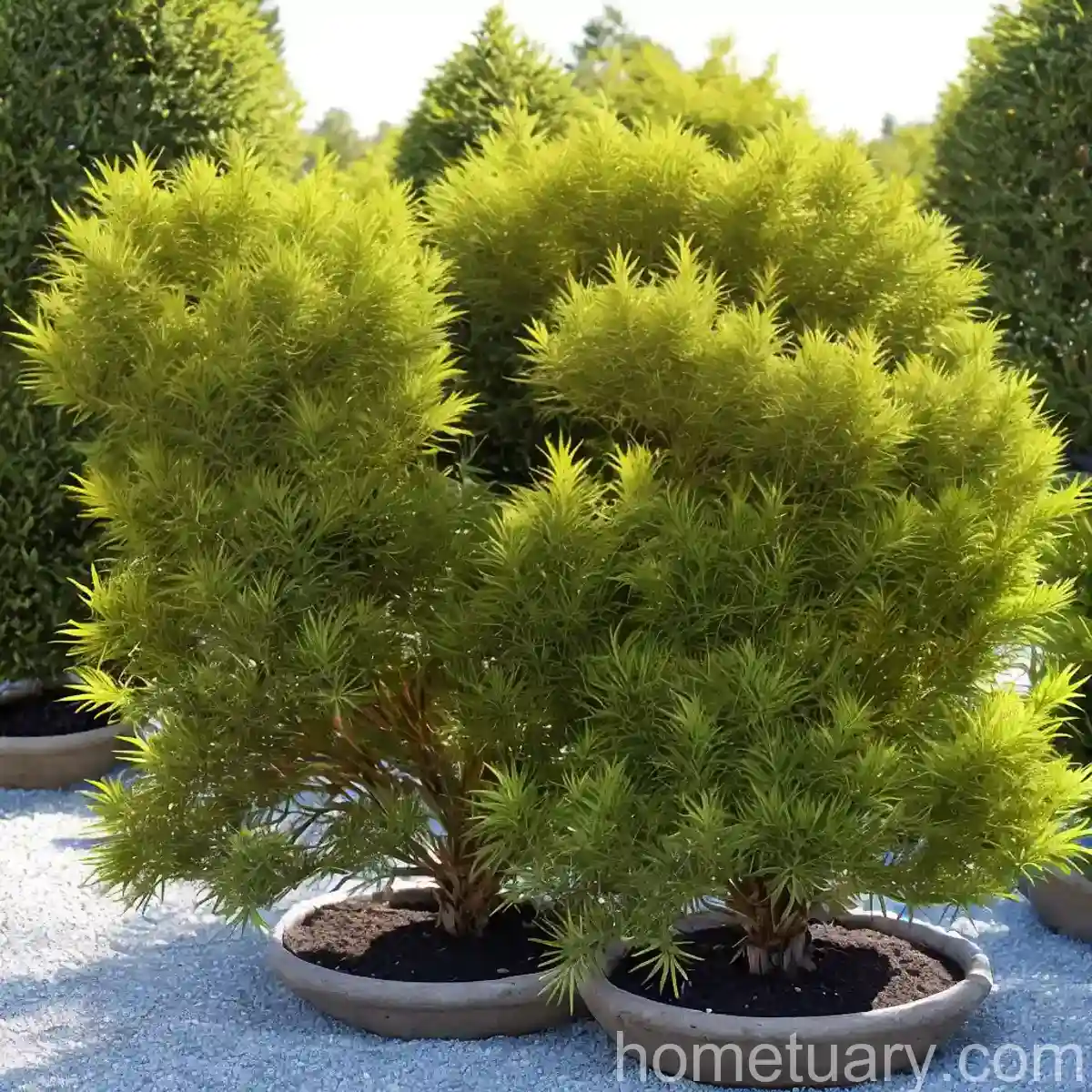
Nootka Cypress (Xanthocyparis nootkatensis ‘Aurea’): A Plant Scientist’s Guide
Plants have long been a source of fascination and wonder for humanity. From their varied uses to their intricate biological processes, plants are an integral part of our lives. In this article, we will explore the Nootka Cypress (Xanthocyparis nootkatensis ‘Aurea’), a captivating plant that boasts beautiful foliage and a range of practical uses. As a plant scientist, I will delve into its culture, uses, care requirements, common diseases, pests, and tips on how to cultivate and maintain this extraordinary species.
What is Nootka Cypress (Xanthocyparis nootkatensis ‘Aurea’)?
The Nootka Cypress, scientifically known as Xanthocyparis nootkatensis ‘Aurea’, is a striking evergreen conifer that belongs to the Cupressaceae family. This variety, ‘Aurea’, is particularly renowned for its radiant golden-yellow foliage, which sets it apart from other cypress species. Also referred to as the Alaska Cypress or Alaska Yellow Cedar, the Nootka Cypress is native to the coastal regions of northwestern North America, from southern Alaska to Oregon.

Key Takeaways – Nootka Cypress (Xanthocyparis nootkatensis ‘Aurea’)
In this section, we will outline the key takeaways for the Nootka Cypress (Xanthocyparis nootkatensis ‘Aurea’). These points will provide an overview of the plant’s essential characteristics, uses, and care requirements.
- Botanical Name: Xanthocyparis nootkatensis ‘Aurea’
- Common Names: Nootka Cypress, Alaska Cypress, Alaska Yellow Cedar
- Foliage: Radiant golden-yellow
- Uses: Ornamental plant, timber, wildlife habitat
- Culture: Moist, well-drained soil; prefers cool, coastal climates
- Growth Habit: Evergreen conifer with a pyramidal form
- Sunlight: Full sun to partial shade
- Water: Moderate; prefers consistent moisture
- Soil: Well-draining, acidic to neutral soil
- Pruning: Minimal pruning required; best done in early spring
- Propagation: From seeds or cuttings
- Common Diseases: Cedar Rust, Phytophthora root rot
- Common Pests: Cypress Bark Beetle, Cypress Tip Moth
The Nootka Cypress (Xanthocyparis nootkatensis ‘Aurea’) exhibits remarkable adaptability and aesthetic appeal, making it a sought-after addition to gardens and landscapes.
Culture
Understanding the cultural requirements of the Nootka Cypress is crucial for successfully integrating it into various environments, whether for ornamental purposes or timber production.
Water
The Nootka Cypress thrives in moist soil conditions, particularly in its early years. While it does not tolerate waterlogged environments, it benefits from consistent moisture, especially during dry spells. During the establishment phase, regular watering is essential to promote robust root development. However, once mature, the Nootka Cypress displays a good tolerance to moderate drought conditions, making it suitable for regions with erratic precipitation patterns.
Sunlight
This variety of Nootka Cypress flourishes in full sun to partial shade. In optimal light conditions, its vibrant golden-yellow foliage contrasts beautifully against the backdrop of greenery, enhancing its visual impact in the landscape. When planted in shadier areas, it adapts well but may exhibit slightly reduced color intensity in its foliage.
Soil
The Nootka Cypress prefers well-draining, acidic to neutral soil. It does well in a range of soil types, including loamy and sandy soils, as long as they provide good drainage. To enhance soil structure and fertility, incorporating organic matter such as compost into the planting site is beneficial, particularly in compacted or nutrient-deficient soils.
Uses
The Nootka Cypress offers a multitude of uses, ranging from its ornamental value to its significance in wildlife conservation and timber production.
Ornamental Plant
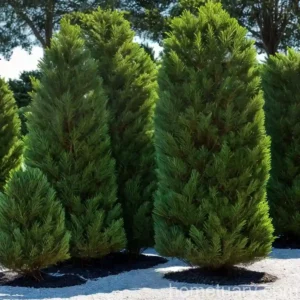
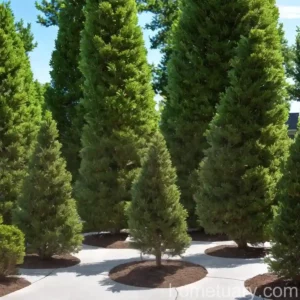
As an ornamental plant, the ‘Aurea’ variety of the Nootka Cypress is highly prized for its striking golden-yellow foliage. Its graceful, pyramidal form and vibrant coloration make it an ideal choice for adding a touch of elegance to gardens, parks, and landscapes. Whether used as a focal point in a garden bed or as a hedging plant, the Nootka Cypress stands out with its unique visual appeal.
Timber Production
Beyond its ornamental value, the Nootka Cypress is a valuable timber species. Its wood is prized for its durability, natural resistance to decay, and distinct grain patterns. The timber finds application in various construction projects, including boat building, exterior cladding, shingles, and decking. It is also favored for crafting furniture and specialty items due to its attractive appearance and resilience.
Wildlife Habitat
In its natural habitat, the Nootka Cypress plays a crucial role in providing a habitat for diverse wildlife. Its dense foliage and substantial canopy offer nesting sites and shelter for birds, while its seeds are a source of food for various avian species and small mammals. Conserving natural populations of the Nootka Cypress is vital for maintaining the ecological balance in coastal ecosystems.
Fertilizer
When considering the fertilization of the Nootka Cypress, it is essential to adopt a balanced approach that aligns with the plant’s specific requirements.
The application of a slow-release, balanced fertilizer in spring can bolster the growth and vitality of the Nootka Cypress. Opt for a formulation with an N-P-K ratio suited to evergreen trees, such as 10-8-6, to provide the necessary nutrients without promoting excessive, rapid growth. Avoid over-fertilization, as this can lead to nutrient imbalances and adversely impact the plant’s overall health.
An organic option, such as compost or well-rotted manure, can also be incorporated into the soil around the base of the Nootka Cypress to improve soil fertility and promote natural, gradual nutrient release.
Pruning
Proper pruning is integral to the maintenance and aesthetic enhancement of the Nootka Cypress. While this variety typically requires minimal pruning, certain considerations should be taken into account.
Pruning primarily involves shaping the plant to maintain its desired form and size, as well as removing any dead, damaged, or diseased branches. The best time to conduct pruning is in early spring before new growth emerges. This timing ensures that the plant’s energy can be directed towards the development of healthy, vigorous foliage and reduces the risk of potential stress or injury.
When performing pruning activities, use sharp, clean pruning tools to achieve precise cuts and minimize the likelihood of introducing pathogens to the plant. It is essential to maintain the natural shape of the Nootka Cypress while paying attention to its growth habits and branch structure.
Propagation
The propagation of the Nootka Cypress can be accomplished through both seeds and cuttings, offering flexibility in cultivating new plants.
Seed Propagation
Collect seeds from mature cones of healthy Nootka Cypress trees. To enhance germination rates, stratify the seeds by placing them in a moist, refrigerated environment for several weeks. Sow the seeds in well-draining, seed-starting mix, and maintain consistent moisture levels. It is advisable to start the seeds indoors in containers before transplanting the seedlings into their permanent outdoor location.
Cutting Propagation
Softwood or hardwood cuttings can be used to propagate the Nootka Cypress. Softwood cuttings, taken from the current season’s growth, root more readily but require consistent moisture and protection from intense sunlight. Hardwood cuttings, harvested during the dormant season, exhibit slower rooting but are generally more resilient.
Apply a rooting hormone to the base of the cuttings to encourage the development of a robust root system. Plant the cuttings in a well-draining medium and provide the necessary warmth and humidity to facilitate successful rooting. Once rooted, the cuttings can be transplanted into individual containers or directly into the ground.
Container Popularity
The ‘Aurea’ variety of the Nootka Cypress is well-suited for container cultivation, offering a charming and versatile option for enhancing outdoor spaces.
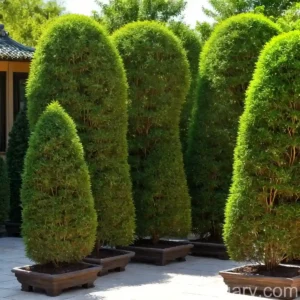
Home gardeners and landscapers often appreciate the portability and visual impact of container-grown Nootka Cypress plants. Their vibrant foliage and stately form lend themselves well to being featured on patios, balconies, or as part of an eye-catching display at entryways and outdoor seating areas. Containerized Nootka Cypress plants also provide an excellent option for individuals with limited garden space or those seeking to create mobile privacy screening elements.
Common Diseases
While the Nootka Cypress is generally resilient, it is susceptible to certain diseases that can impact its overall health and vigor. Understanding and identifying these diseases is essential for implementing appropriate preventive and remedial measures.
Cedar Rust
Cedar Rust is a fungal disease that can affect the Nootka Cypress, leading to the formation of characteristic rust-colored spots on the foliage. The disease is often exacerbated by prolonged periods of high humidity or moisture, making it crucial to maintain good air circulation and avoid over-watering. Fungicidal treatments may be necessary in severe cases to manage the spread of Cedar Rust and protect the plant.
Phytophthora Root Rot
Phytophthora Root Rot is caused by soil-borne pathogens that can infect the roots and lower trunk of the Nootka Cypress, resulting in wilting, browning of foliage, and overall decline. To mitigate the risk of Phytophthora Root Rot, it is essential to ensure proper drainage and avoid waterlogged soil conditions. Implementing cultural practices that promote root health, such as mulching and avoiding excessive soil disturbance, can also contribute to reducing the plant’s susceptibility to this disease.
Disease Diagnosis
Diagnosing diseases in the Nootka Cypress involves carefully observing the plant’s symptoms and identifying any abnormal changes in its foliage, bark, or overall appearance. Consulting with a plant health specialist or local extension service can provide valuable insights and aid in accurate disease diagnosis, ultimately guiding the selection of targeted management strategies.
Symptoms such as discoloration, wilting, lesions, or abnormal growth patterns should be documented and evaluated to ascertain the potential presence of diseases. It is essential to differentiate between biotic factors, including pathogens and pests, and abiotic stressors such as environmental or cultural issues, to effectively address the underlying causes of the observed symptoms.
Common Pests
Various pests can pose threats to the Nootka Cypress, potentially causing damage to its foliage, stems, and overall vigor. Familiarizing oneself with the common pests and their associated signs is pivotal in implementing timely interventions to safeguard the plant.
Cypress Bark Beetle
The Cypress Bark Beetle can infest the Nootka Cypress, leading to the disruption of nutrient flow and weakening of the plant’s vascular system. Symptoms of infestation include fading foliage, resinous secretions on the bark, and the presence of small entry holes made by the beetles. Monitoring the health of the Nootka Cypress and promptly addressing any signs of infestation are vital in preventing widespread damage.
Cypress Tip Moth
The Cypress Tip Moth, or Twig Moth, can cause deformities and dieback in the upper portions of the Nootka Cypress, affecting its visual appeal and structural integrity. Larvae of the moth feed on the tender shoots and buds, leading to stunted growth and distorted foliage. Implementing cultural practices such as regular inspection and pruning of affected areas can help manage populations of Cypress Tip Moths and mitigate their impact on the plant.
Botanist’s Tips
As a plant scientist, I would like to offer some professional insights and practical tips for cultivating and caring for the Nootka Cypress (Xanthocyparis nootkatensis ‘Aurea’).
Soil Requirements
Ensuring that the soil is well-draining and rich in organic matter is fundamental to the health and vigor of the Nootka Cypress. By incorporating compost, leaf mold, or aged bark into the soil, you can enhance its structure, water-holding capacity, and nutrient content, creating an optimal growing medium for the plant.
Sunlight Preferences
While the Nootka Cypress thrives in full sun to partial shade, it is advisable to provide some protection from intense afternoon sun in regions with hot, dry climates. A balance of direct sunlight and dappled shade can help maintain the vibrant coloration and overall wellbeing of the plant, particularly during periods of extreme heat.
Wildlife Benefits
Recognizing the ecological significance of the Nootka Cypress, it is important to appreciate its role in supporting local biodiversity. By preserving and integrating this species into natural habitats, one can contribute to creating wildlife-friendly environments that provide refuge, sustenance, and nesting opportunities for diverse animal species.
Disease-Resistant Cultivars
When selecting Nootka Cypress cultivars for landscaping or restoration projects, consider exploring disease-resistant varieties that exhibit enhanced resilience to prevalent pathogens. By incorporating disease-resistant cultivars, such as those with natural tolerance to Cedar Rust or Phytophthora Root Rot, you can reduce the reliance on chemical treatments and promote a more sustainable, low-maintenance approach to plant health management.
Fun Facts
To add an element of fascination and curiosity surrounding the Nootka Cypress, here are some captivating fun facts about the plant:
- The Nootka Cypress boasts a lifespan of several centuries, with some individuals enduring for over a thousand years, serving as living witnesses to historical events and environmental changes.
- Its wood, renowned for its exceptional durability and natural preservation, has been utilized in the construction of totem poles and burial canoes by Indigenous communities in the Pacific Northwest, underscoring its cultural significance and traditional uses.
- The golden-yellow foliage of the ‘Aurea’ variety intensifies in color during the cool, crisp months of autumn and winter, creating a captivating display of seasonal beauty in gardens and landscapes.
Links to External Resources
To further delve into the world of Nootka Cypress (Xanthocyparis nootkatensis ‘Aurea’), explore the following external resources for comprehensive insights, guidance, and visual inspiration:
- Royal Horticultural Society – Nootka Cypress Cultivation
- University of Florida IFAS Extension – Alaska Cedar for Southern Landscapes
- Missouri Botanical Garden – Nootka Cypress Plant Profile
- The American Conifer Society – Nootka Cypress Varieties
- Northwest Woodworkers Gallery – Utilizing Alaska Yellow Cedar in Woodworking
Conclusion
In conclusion, the Nootka Cypress (Xanthocyparis nootkatensis ‘Aurea’) represents a captivating specimen that embodies ornamental beauty, ecological value, and practical utility. Its golden-yellow foliage, coupled with its resilience and adaptability, makes it an appealing choice for a diverse range of landscape applications. By understanding the cultural requirements, uses, care practices, and potential challenges associated with the Nootka Cypress, enthusiasts and horticultural professionals can foster the growth and prosperity of this remarkable plant while cherishing its distinctive allure in natural and cultivated settings.
The Nootka Cypress thus stands as a testament to the enduring connection between humanity and the plant kingdom, inspiring admiration, conservation, and innovation in equal measure.
As plant scientists and enthusiasts, let us continue to explore and celebrate the extraordinary world of plants, from the grandeur of ancient trees to the delicate beauty of ornamental shrubs, and discover the profound wonders they hold for our planet and our lives.