Ninebark (Physocarpus Opulifolius ‘Podaras 3’ LEMON CANDY)
Welcome fellow plant enthusiasts! Today, we embark on a fascinating journey delving into the mesmerizing world of Physocarpus opulifolius ‘Podaras 3’ LEMON.
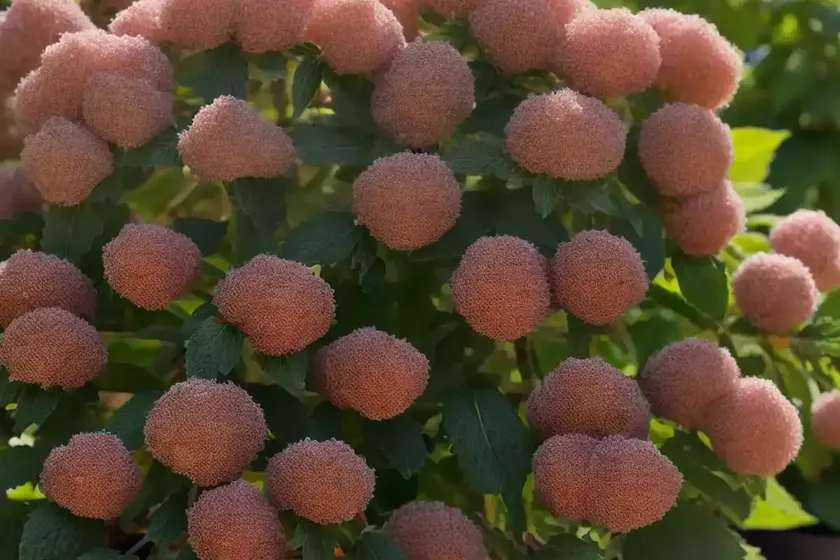
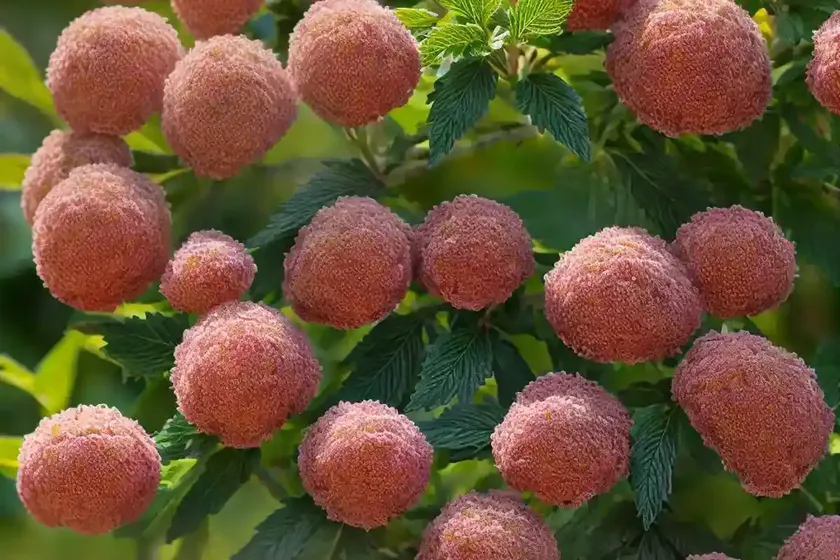
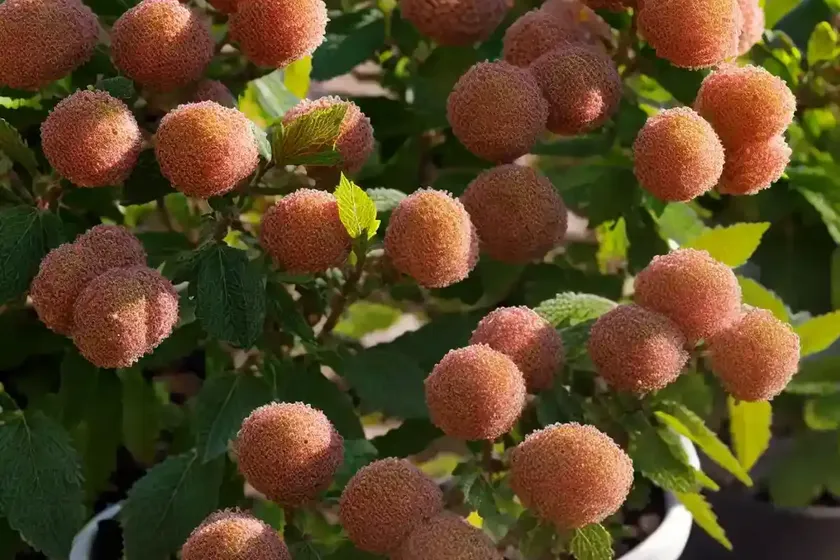
Welcome fellow plant enthusiasts! Today, we embark on a fascinating journey delving into the mesmerizing world of Physocarpus opulifolius ‘Podaras 3’ LEMON CANDY, also known as ninebark. This captivating shrub is a renowned ornamental plant that enthralls with its vibrant foliage, alluring blooms, and remarkable versatility.
In this comprehensive guide, we will unravel the intricacies of ninebark, exploring its cultural requirements, uses, care tips, and much more. Join me as we uncover the myriad facets of this stunning shrub and gain valuable insights into its cultivation and maintenance.
What is the ninebark (Physocarpus opulifolius ‘Podaras 3’ LEMON CANDY)?
The ninebark, scientifically known as Physocarpus opulifolius ‘Podaras 3’ LEMON CANDY, is a captivating deciduous shrub that belongs to the Rosaceae family. Renowned for its stunning foliage and attractive blossoms, this versatile plant holds a special place in landscaping and horticulture. The ‘Podaras 3’ LEMON CANDY variety is particularly esteemed for its compact size and remarkable ornamental features.
Key Characteristics
– Scientific Name: Physocarpus opulifolius ‘Podaras 3’ LEMON CANDY
– Common Name: Lemon Candy ninebark
– Plant Type: Deciduous shrub
– Notable Traits: Colorful foliage, ornamental blooms
– Native to: North America
– Size: Compact, reaching a height of approximately 3-4 feet
– Hardiness: Suitable for USDA Zones 3-7
Now that we have acquainted ourselves with the basic overview of ninebark, let’s delve deeper into its captivating attributes and explore the nuanced aspects of its cultivation and care.
Key Takeaways – Ninebark (Physocarpus opulifolius ‘Podaras 3’ LEMON CANDY)
Culture
Ninebark (Physocarpus opulifolius ‘Podaras 3’ LEMON CANDY) is celebrated for its ease of cultivation and its ability to thrive in diverse environmental conditions. Embracing the following cultural considerations will contribute to the optimal growth and vitality of this enchanting shrub:
Water
– Maintain moderately moist soil, especially during the establishment phase and periods of prolonged drought.
– Avoid waterlogged conditions, as excessive moisture can lead to root rot and other potential issues.
– Once established, ninebark exhibits good drought tolerance, reducing the need for frequent watering.
Sunlight
– Flourishes in full sun to partial shade, showcasing the best foliage coloration and blooming potential in sunnier locations.
– In hot climates, providing afternoon shade can help prevent leaf scorch and maintain the plant’s overall vigor.
Soil
– Thrives in well-drained, loamy soil with a slightly acidic to neutral pH range.
– A fertile soil enriched with organic matter promotes robust growth and supports the development of vibrant foliage.
Uses
The versatility of ninebark (Physocarpus opulifolius ‘Podaras 3’ LEMON CANDY) extends to its diverse array of uses, making it an invaluable addition to various landscaping and gardening settings. Consider the following applications when incorporating this charming shrub into your outdoor spaces:
- Landscape Planting: Ninebark serves as an excellent choice for landscape borders, foundation plantings, and mixed shrub borders, adding visual interest and seasonal allure to the outdoor environment.
- Garden Design: Due to its compact size and ornamental attributes, ninebark is well-suited for small gardens, cottage-style landscapes, and urban green spaces, where it contributes to an enchanting floral tapestry.
- Wildlife Habitat: The foliage and berries of ninebark attract birds and beneficial insects, fostering a thriving ecosystem and contributing to the biodiversity of the surrounding area.
Fertilizer
When it comes to fertilizing ninebark (Physocarpus opulifolius ‘Podaras 3’ LEMON CANDY), a balanced approach is essential for promoting healthy growth and vibrant foliage. Consider the following guidelines for optimal fertilization:
- Spring Feeding: Apply a complete, slow-release fertilizer in early spring to provide essential nutrients for the upcoming growing season.
- Organic Amendments: Incorporating well-rotted compost or organic matter into the soil around the base of the plant enriches the soil structure and sustains long-term nutritive value.
Pruning
Pruning is a crucial aspect of ninebark maintenance, contributing to its overall health, visual appeal, and longevity. By adhering to proper pruning practices, you can enhance the aesthetic charm of the shrub and ensure its vigorous growth. Here are some essential pruning tips for ninebark:
- Early Spring Pruning: Perform rejuvenation pruning in early spring to remove older, unproductive branches and stimulate fresh growth.
- Deadheading: Regularly remove faded blooms to encourage prolific flowering and maintain a tidy appearance.
- Thinning Out: Periodically thin out crowded or crossing branches to improve air circulation and prevent disease incidence.
Propagation
The propagation of ninebark (Physocarpus opulifolius ‘Podaras 3’ LEMON CANDY) offers an exciting opportunity to expand your plant collection and propagate the charming attributes of this remarkable shrub. Here are the primary methods for propagating ninebark:
- Softwood Cuttings: Harvest young, tender cuttings in late spring or early summer, then root them in a well-draining propagation medium to establish new plants.
- Hardwood Cuttings: During the dormant season, take hardwood cuttings from mature, healthy stems and root them under controlled conditions to initiate new growth.
Container
Ninebark (Physocarpus opulifolius ‘Podaras 3’ LEMON CANDY) exhibits admirable adaptability to container planting, making it an excellent choice for adding ornamental flair to patios, balconies, and small outdoor spaces. Here are some insights into cultivating ninebark in containers:
- Container Selection: Choose a spacious, well-draining container that accommodates the mature size of the shrub and provides ample room for root development.
- Growing Medium: Utilize a quality potting mix enriched with organic matter to create a conducive growing environment for the ninebark.
- Watering: Monitor the moisture levels in the container soil, ensuring consistent but not excessive watering to sustain the plant’s vitality.
Popularity
The popularity of ninebark (Physocarpus opulifolius ‘Podaras 3’ LEMON CANDY) spans across gardening enthusiasts, landscapers, and horticulturists, owing to its captivating attributes and remarkable adaptability. Renowned for its vibrant foliage and dazzling blooms, it has become a sought-after choice for diverse horticultural applications, including:
- Landscaping Projects: Ninebark adds captivating visual interest to landscape designs, offering an array of colors, textures, and seasonal transitions that elevate the overall aesthetic appeal of outdoor spaces.
- Garden Centers and Nurseries: The availability of ‘Podaras 3’ LEMON CANDY variety in reputable nurseries and garden centers has contributed to its widespread popularity among home gardeners seeking to enhance their outdoor environments.
- Public Gardens and Parks: Professional landscapers and municipal authorities frequently incorporate ninebark into public garden displays and urban green spaces, showcasing its ornamental splendor to a broad audience.
With its increasing recognition and widespread acclaim, the ninebark continues to captivate plant enthusiasts and inspire creative landscape designs across diverse geographical regions.
Common Diseases
While generally resilient, ninebark (Physocarpus opulifolius ‘Podaras 3’ LEMON CANDY) is susceptible to certain diseases that can impact its vitality and appearance. Understanding the common diseases and their management strategies is essential for preserving the health of this enchanting shrub. Here are some prevalent diseases that may affect ninebark:
- Powdery Mildew: Characterized by a powdery white coating on the leaves, powdery mildew can weaken the plant and impede its growth. Utilize fungicidal treatments and ensure proper air circulation to mitigate this fungal disease.
- Leaf Spot: Circular lesions on the foliage indicate the presence of leaf spot disease, which can lead to defoliation if left unmanaged. Prune affected branches and maintain proper sanitation to prevent the spread of the disease.
- Fire Blight: This bacterial disease causes wilting and blackening of the stems and leaves, posing a significant threat to ninebark health. Prompt pruning of infected branches and application of preventive measures are essential for controlling fire blight.
Disease Diagnosis
Diagnosing and addressing potential diseases affecting ninebark (Physocarpus opulifolius ‘Podaras 3’ LEMON CANDY) requires keen observation and diligent assessment of the plant’s visual symptoms. Key indicators of common diseases should be carefully identified to implement targeted management strategies. A comprehensive understanding of disease diagnosis enables proactive measures to safeguard the well-being of the shrub and sustain its vitality.
Common Pests
Despite its resilience, ninebark (Physocarpus opulifolius ‘Podaras 3’ LEMON CANDY) can encounter pest infestations that compromise its health and aesthetics. Vigilance and proactive pest management are crucial for preserving the splendor of this remarkable shrub. Consider the following common pests that may affect ninebark:
- Aphids: These tiny, sap-sucking insects can distort new growth and cause leaf yellowing. Spray with insecticidal soap or horticultural oil to deter aphid infestations.
- Spider Mites: Spider mite infestations may lead to stippled, discolored foliage and webbing on the plant. Regularly rinse the foliage with a strong jet of water and apply miticides when necessary.
- Scale Insects: Scale insects can appear as raised, waxy bumps on the stems and foliage, threatening the overall vigor of the plant. Use horticultural oil or insecticidal sprays to manage scale infestations effectively.
By remaining vigilant and promptly addressing pest issues, you can protect the ninebark from potential harm and maintain its resplendent appearance.
Botanist’s Tips
As a plant scientist deeply passionate about the study and cultivation of ornamental flora, I am delighted to share some valuable tips and insights for enthusiasts aspiring to cultivate ninebark (Physocarpus opulifolius ‘Podaras 3’ LEMON CANDY) and harness its captivating beauty. Here are some essential tips from a botanist’s perspective:
- Companion Planting: Pair ninebark with complementary perennials and annuals to create captivating garden vignettes that integrate harmonious colors, textures, and seasonal interest.
- Pollinator Support: Embrace native pollinator-friendly plants in the vicinity of ninebark to attract beneficial insects and promote biodiversity in the garden.
- Seasonal Variations: Appreciate the mesmerizing seasonal transitions of ninebark, from the vibrant hues of its foliage in spring and summer to the captivating fall colors that infuse the landscape with warmth and splendor.
Through thoughtful cultivation practices and a deep appreciation for the natural allure of ninebark, you can create enchanting outdoor spaces that celebrate the beauty of this remarkable shrub.
Fun Facts
While unraveling the enchanting mysteries of ninebark (Physocarpus opulifolius ‘Podaras 3’ LEMON CANDY), let’s pause to appreciate some delightful and intriguing fun facts about this captivating shrub:
- Native American Traditions: Indigenous peoples in North America have historically utilized the inner bark of ninebark for various traditional purposes, including basket weaving, medicinal preparations, and dye extraction.
- Wildlife Attraction: The berries of ninebark serve as a vital food source for birds and small mammals, contributing to the ecological balance and supporting local wildlife populations.
- Cultural Significance: Ninebark has been a symbol of resilience and adaptability in cultural lore, serving as a testament to the enduring strength and enduring beauty of nature.
By immersing ourselves in the fascinating realms of horticulture, we uncover the rich tapestry of stories and connections that enrich our understanding of the natural world.
Links to External Resources
For further exploration of ninebark (Physocarpus opulifolius ‘Podaras 3’ LEMON CANDY) and its myriad facets, I invite you to peruse the following external resources that offer valuable insights, practical guidance, and a deeper understanding of this remarkable shrub:
- University of Maryland Extension: Ninebark
- The Morton Arboretum: Physocarpus opulifolius ‘Podaras 3’ LEMON CANDY
- Missouri Botanical Garden: Physocarpus opulifolius ‘Podaras 3’ LEMON CANDY
- Royal Horticultural Society: Ninebark Care Advice
- North Carolina State University: Diseases and Pests of Ninebark
Embark on an enriching journey of discovery as you delve into these comprehensive resources, expanding your knowledge and fostering a deeper appreciation for the captivating allure of ninebark.
As we conclude our botanical exploration of ninebark (Physocarpus opulifolius ‘Podaras 3’ LEMON CANDY), I trust that this comprehensive guide has illuminated the many facets of this enchanting shrub, inspiring an enduring fascination for its ornamental charm and remarkable adaptability. May your horticultural endeavors be enriched by the timeless allure of ninebark, and may your outdoor spaces bloom with the vibrant colors and captivating beauty it bestows.
Happy gardening, and may the wondrous world of plants continue to inspire and delight you!
References
-
University of Maryland Extension. “Ninebark (Physocarpus).” https://extension.umd.edu/hgic/topics/ninebark-physocarpus.
-
The Morton Arboretum. “Physocarpus opulifolius ‘Podaras 3’ LEMON CANDY.” https://www.mortonarb.org/trees-plants/tree-plant-descriptions/ninebark-physocarpus-opulifolius-podaras-3-lemon-candy.
-
Missouri Botanical Garden. “Physocarpus opulifolius ‘Podaras 3’ LEMON CANDY.” https://www.missouribotanicalgarden.org/PlantFinder/PlantFinderDetails.aspx?taxonid=279651&isprofile=0&.
-
Royal Horticultural Society. “Ninebark Care Advice.” https://www.rhs.org.uk/advice/profile?pid=737.
-
North Carolina State University. “Diseases and Pests of Ninebark.” https://content.ces.ncsu.edu/common-diseases-and-problems-of-physocarpus-ninebark.


