Ninebark (Physocarpus Opulifolius ‘Donna May’)
Ninebark (Physocarpus opulifolius ‘Donna May’) is a versatile deciduous shrub that is well-loved for its ornamental features, low maintenance requirements.
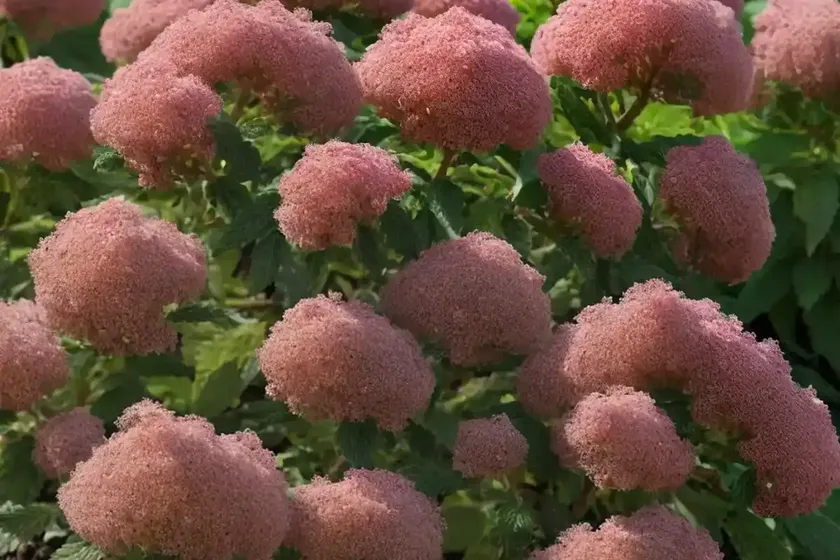
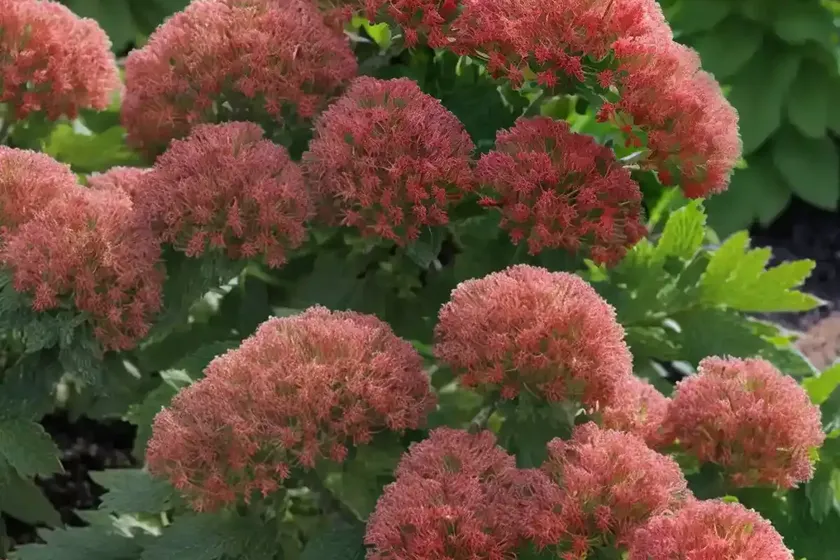
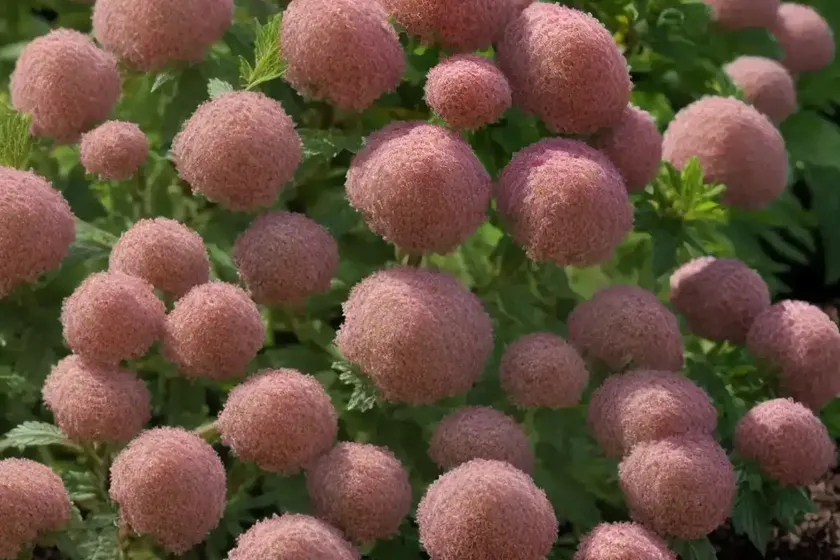
Ninebark (Physocarpus opulifolius ‘Donna May’) is a versatile deciduous shrub that is well-loved for its ornamental features, low maintenance requirements, and adaptability to various growing conditions. This plant belongs to the Rosaceae family and is native to North America. Its botanical name, Physocarpus opulifolius, is derived from the Greek words “physa,” meaning bladder, and “karpos,” meaning fruit, which refers to the inflated seed capsules characteristic of the genus.
The ‘Donna May’ cultivar, known as ninebark, is a popular choice among gardeners and landscapers for its attractive foliage, stunning flower clusters, and exceptional resilience. This cultivar is prized for its compact growth habit, making it suitable for a wide range of garden settings, including borders, mixed beds, and containers. The rich variety of attributes exhibited by ninebark make it a valuable addition to both residential and commercial landscapes.
Key Takeaways – Ninebark (Physocarpus opulifolius ‘Donna May’)
Before delving into the specifics of ninebark care and cultivation, here are some key takeaways about this remarkable plant:
- Ninebark, scientifically known as Physocarpus opulifolius ‘Donna May,’ is a deciduous shrub appreciated for its ornamental foliage, flower clusters, and adaptable nature.
- This plant is ideal for landscaping due to its low-maintenance requirements, compact growth habit, and various uses in gardens, such as in borders, mixed beds, and containers.
- Ninebark is a native plant species in North America, known for its resilience, making it suitable for a wide range of climate conditions.
Uses
Ninebark (Physocarpus opulifolius ‘Donna May’) is valued for its versatile uses in landscapes and gardens. This plant’s outstanding attributes make it a popular choice for various landscaping and gardening purposes, including:
- Ornamental Feature: The ‘Donna May’ cultivar is prized for its eye-catching foliage and flower clusters, adding aesthetic appeal to garden beds, borders, and containers.
- Privacy Screens and Hedges: Due to its vigorous growth and dense foliage, ninebark is often employed to create privacy screens and informal hedges in residential and commercial settings.
- Wildlife Gardens: The attractive flower clusters of ninebark plants attract pollinators like bees and butterflies, making them an excellent addition to wildlife-friendly landscapes.
Water
Ninebark plants are adaptable to a range of moisture conditions, but they generally thrive in well-drained soil. Proper watering practices are crucial, particularly during the establishment period and in hot, dry weather. A deep, thorough watering is recommended, allowing the soil to dry slightly between watering sessions to prevent waterlogging and root rot.
Sunlight
This deciduous shrub flourishes in full sun to partial shade, displaying the best foliage coloration and flowering when provided with ample sunlight. In northern regions with intense sunlight, partial shade might be preferable to protect the plant from scorching.
Fertilizer
While ninebark is known for its resilience and ability to thrive in various soil types, including nutrient-poor soils, occasional fertilization can enhance its growth and overall health. Applying a balanced, slow-release fertilizer in early spring can provide the necessary nutrients for vigorous growth and abundant flowering.
Soil
The adaptability of ninebark to different soil types contributes to its popularity among gardeners. It can thrive in various soil conditions, including loamy, sandy, or clay soils, as long as they are well-drained. Amending the soil with organic matter before planting can improve its texture and drainage, promoting optimal growth.
Pruning
Pruning is an essential aspect of ninebark maintenance, contributing to its overall health, shape, and flowering. The best time to prune ninebark is in late winter or early spring to remove dead or damaged branches and shape the plant. Additionally, selective pruning can rejuvenate the shrub and promote vigorous growth.
Propagation
Ninebark plants can be propagated through several methods, including:
- Softwood Cuttings: Softwood cuttings taken from the current season’s growth can be rooted in a well-draining propagation medium under controlled conditions to produce new plants.
- Division: Mature ninebark plants can be divided during the dormant season, with each division containing a portion of the roots and shoots for successful establishment.
Container Popularity
The compact growth habit of ‘Donna May’ ninebark makes it well-suited for container cultivation. This attribute enables gardeners with limited space or those looking to create eye-catching displays on patios and decks to incorporate this plant into their container gardens. When grown in containers, ninebark requires regular watering to maintain adequate moisture levels and may benefit from occasional fertilization to support its growth and blooming.
Ninebark plants are generally resistant to many common foliar and root diseases, especially when grown in optimal conditions with proper care. However, several diseases may occasionally affect these shrubs, including:
- Powdery Mildew (Sphaerotheca macularis): Powdery mildew can appear as white, powdery spots on the foliage of ninebark, particularly in humid conditions. Adequate spacing between plants and ensuring good air circulation can help prevent powdery mildew.
- Leaf Spot Diseases: Various fungal pathogens can cause circular or irregular spots on the leaves of ninebark, leading to leaf discoloration and premature leaf drop. Raking and disposing of fallen leaves can help reduce the spread of leaf spot diseases.
Disease Diagnosis
Diagnosing diseases affecting ninebark involves a thorough examination of the plant’s foliage, stems, and overall health. Symptoms such as discolored or distorted leaves, powdery fungal growth, and the presence of spots or lesions can provide valuable clues for identifying specific diseases. It is essential to monitor the plant closely and take prompt action if signs of disease appear to prevent the spread and minimize damage.
While ninebark is relatively resistant to pest infestations, several pests may occasionally pose problems for this plant, including:
- Aphids: These small, sap-sucking insects can congregate on the undersides of ninebark leaves, causing damage and the secretion of sticky honeydew.
- Spider Mites: Spider mites are tiny pests that can infest the foliage of ninebark, causing stippling and discoloration of the leaves.
Botanist’s Tips
To ensure the successful cultivation and care of ninebark (Physocarpus opulifolius ‘Donna May’), consider the following expert tips:
- Soil Amendment: Incorporating organic matter, such as compost or well-rotted manure, into the soil before planting can improve its structure, drainage, and nutrient content, promoting healthy growth.
- Pruning Techniques: Utilize sharp, sterilized pruning tools to perform selective pruning, always cutting back to healthy, outward-facing buds to maintain an open, well-ventilated growth habit.
To enhance your appreciation for this remarkable plant, here are some intriguing and lesser-known facts about ninebark (Physocarpus opulifolius ‘Donna May’):
- Ninebark gets its name from the peeling bark on mature branches, which occurs in multiple layers, resembling the appearance of “nine” distinct layers.
- The foliage of ‘Donna May’ ninebark exhibits a range of colors throughout the growing season, transitioning from bright green in spring to deep burgundy in fall, adding dynamic visual interest to landscapes.
For further information on caring for and cultivating ninebark (Physocarpus opulifolius ‘Donna May’), consider exploring the following external resources:
- Plant Care Guide: Ninebark (Physocarpus opulifolius ‘Donna May’)
- Landscaping Ideas with Ninebark: Inspiration and Tips
- Native North American Shrubs for Sustainable Landscapes
- Drought-Tolerant Plants for Resilient Gardens
- Pruning Techniques for Deciduous Shrubs: Expert Advice
In conclusion, the diverse ornamental features, adaptability, and low-maintenance nature of ninebark (Physocarpus opulifolius ‘Donna May’) make it a highly desirable addition to landscapes and gardens. By understanding its cultural requirements, disease and pest management, and key characteristics, gardeners and plant enthusiasts can successfully cultivate and enjoy the beauty of this exceptional shrub.
Remember, the charm of the ninebark lies not only in its vibrant foliage and flower clusters but also in its resilience and versatility, making it a treasured plant in a wide range of horticultural settings.


