Nigella Damascena ‘Miss Jekyll Alba’ (Love-in-a-Mist)
As a plant scientist, I have always been fascinated by the diversity and intricacies of the plant kingdom. Each plant species has its own unique.
As a plant scientist, I have always been fascinated by the diversity and intricacies of the plant kingdom. Each plant species has its own unique characteristics, growing requirements, and cultural significance. In this extensive guide, we will delve into the world of Nigella damascena ‘Miss Jekyll Alba’ commonly known as Love-in-a-Mist, exploring its cultural uses, growth requirements, propagation techniques, common pests and diseases, and much more. Whether you are a novice gardener or a seasoned horticulturist, this comprehensive guide aims to provide valuable insights into the captivating world of Love-in-a-Mist.
What is Nigella damascena ‘Miss Jekyll Alba’ (Love-in-a-Mist)?
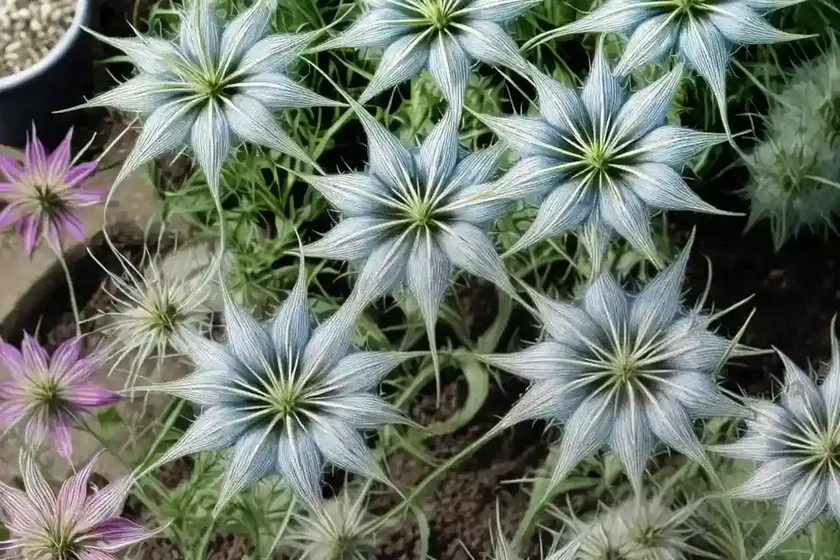
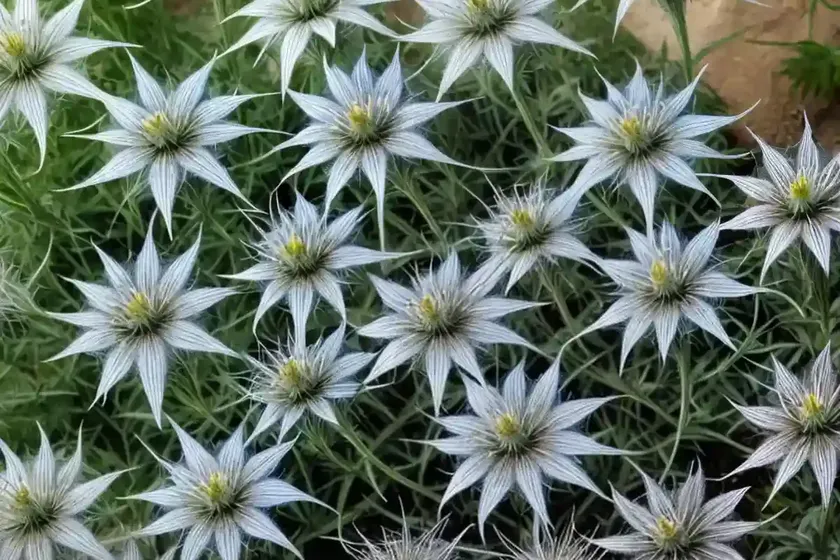
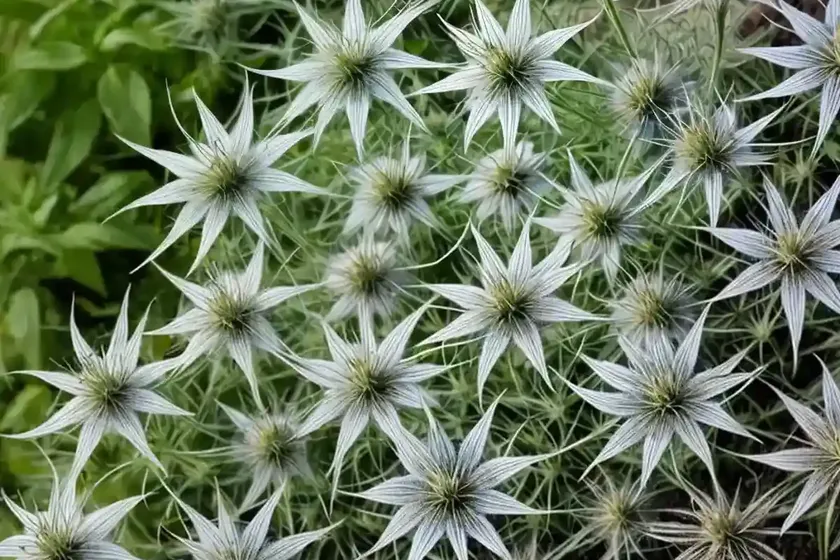
Nigella damascena ‘Miss Jekyll Alba’ or Love-in-a-Mist belongs to the Genus Nigella and is a delicate and charming annual flower that is renowned for its unique, lacy foliage and intricate, jewel-toned blooms. The ‘Miss Jekyll Alba’ variety specifically showcases pure white flowers and is a popular choice for gardeners looking to add a touch of elegance to their outdoor spaces.
Key Takeaways – Nigella damascena ‘Miss Jekyll Alba’ (Love-in-a-Mist)
Before we delve into the specifics of cultivating and caring for the Love-in-a-Mist plant, let’s take a look at some key takeaways or highlights of this captivating species:
- Delicate, lacy foliage and intricate, jewel-toned blooms
- ‘Miss Jekyll Alba’ variety features pure white flowers
- Annual plant with a relatively short lifespan
- Cultural significance as a decorative and ornamental plant
- Adaptable to a wide range of growing conditions
- Various propagation methods for expanding plant populations
Now, let’s explore the various aspects of Love-in-a-Mist in detail, encompassing its cultural uses, growth requirements, maintenance tips, and much more.
Culture
Uses
Love-in-a-Mist, with its exquisite blooms and unique foliage, holds significant cultural uses and applications:
- Decorative Ornament: The delicate white flowers and fine, fern-like foliage make Love-in-a-Mist an attractive ornamental choice for gardens, borders, and floral arrangements.
- Symbolism: In some cultures, Love-in-a-Mist is associated with symbolic meanings such as love, mystery, and delicate beauty, making it a popular choice for floral arrangements in various ceremonies and events.
Growing Requirements
Water
Proper watering is essential for the healthy growth and development of Love-in-a-Mist plants. Here are some key points to consider regarding watering:
- Moist, Well-Draining Soil: Love-in-a-Mist thrives in moist, well-draining soil. Water the plants consistently to maintain evenly moist soil conditions, especially during dry periods and hot weather.
- Avoid Waterlogging: While the plant requires consistent moisture, it is important to prevent waterlogging, as excessive moisture can lead to root rot and other diseases.
Sunlight
Sunlight plays a crucial role in the growth and blooming of Love-in-a-Mist plants:
- Full Sun to Part Shade: Love-in-a-Mist generally prefers full sun to partial shade. Ensure that the plants receive adequate sunlight for healthy growth and prolific blooming.
Fertilizer
Proper fertilization can enhance the overall vigor and blooming capacity of Love-in-a-Mist:
- Balanced Fertilizer: Use a balanced, all-purpose fertilizer to nourish the plants during the growing season. Apply the fertilizer according to the manufacturer’s recommendations for optimal results.
- Avoid Excessive Nitrogen: While nitrogen is essential for plant growth, excessive nitrogen can lead to lush foliage at the expense of blooming. Use a fertilizer with a balanced NPK ratio to promote both foliage and flower development.
Soil
The right soil conditions are vital for the successful cultivation of Love-in-a-Mist:
- Well-Draining Soil: Plant Love-in-a-Mist in well-draining, moderately fertile soil. Amending heavy clay soils with organic matter can improve drainage and overall soil quality.
- Optimal pH: Aim for a slightly acidic to neutral soil pH (6.0-7.0) for ideal growth and nutrient uptake.
Pruning
Pruning can help maintain the overall shape and vigor of Love-in-a-Mist plants:
- Deadheading Spent Blooms: Regularly deadhead the spent blooms to encourage continuous blooming and prevent self-seeding, especially if you want to control the plant’s spread in your garden.
- Trimming Foliage: Lightly trim or prune the foliage to remove any damaged or diseased parts and to maintain a tidy appearance.
Propagation
Love-in-a-Mist can be propagated through various methods to expand plant populations:
- Seed Propagation: This is the most common method of propagating Love-in-a-Mist. Collect seeds from mature plants and sow them directly in the garden or containers according to the recommended spacing and depth.
- Natural Self-Seeding: Love-in-a-Mist is known for its ability to self-seed, allowing the plants to spread and establish new growing areas on their own.
Container Popularity
The compact size and ornamental beauty of Love-in-a-Mist make it a popular choice for container gardening:
- Balconies and Patios: Plant Love-in-a-Mist in containers to adorn balconies, patios, and small outdoor spaces with its elegant blooms and delicate foliage.
- Indoor Cultivation: Some gardeners also opt to grow Love-in-a-Mist indoors, especially as a temporary ornamental addition during its blooming season.
Common Diseases
Disease Diagnosis
While Love-in-a-Mist is relatively resilient, it can be susceptible to certain diseases under unfavorable growing conditions:
- Powdery Mildew: This fungal disease can manifest as a powdery, white growth on the leaves, stems, and flowers of Love-in-a-Mist, potentially affecting its overall health and vigor.
- Damping-off: Seedlings may be vulnerable to damping-off, a fungal disease that causes the decay of young seedlings at the soil line.
Common Pests
Certain pests may also pose a threat to Love-in-a-Mist plants:
- Aphids: These small, sap-sucking insects can cluster on the foliage and stems of Love-in-a-Mist, potentially causing wilting and deformities if left uncontrolled.
- Spider Mites: Spider mites may infest Love-in-a-Mist, causing stippling and discoloration of the leaves, especially under dry and hot conditions.
Botanist’s Tips
As a plant scientist, I would like to offer some valuable tips for cultivating and caring for Love-in-a-Mist:
- Proper Watering: Pay close attention to the moisture levels of the soil, ensuring consistent but not excessive watering to maintain optimal growing conditions.
- Adequate Air Circulation: Promote good air circulation around the plants, especially in humid environments, to reduce the risk of fungal diseases.
- Monitor Pests: Regularly inspect the plants for signs of pest infestations and implement appropriate control measures to prevent damage.
Fun Facts
Dive into the enchanting world of Love-in-a-Mist with these intriguing fun facts:
- The common name “Love-in-a-Mist” is derived from the delicate, lacy foliage that partially conceals the intricate blooms, creating a mystique around the plant.
- Love-in-a-Mist is often featured in traditional cottage gardens, adding a whimsical and romantic touch to these picturesque landscapes.
Links to External Resources
For additional information and insights into Love-in-a-Mist cultivation and care, consider exploring the following external resources:
- Royal Horticultural Society – Nigella damascena ‘Miss Jekyll Alba’
- Missouri Botanical Garden – Love-in-a-Mist Plant Profile
- Gardening Know How – Growing Love-in-a-Mist Plants
As we conclude this comprehensive guide, it is evident that Nigella damascena ‘Miss Jekyll Alba’ or Love-in-a-Mist is a captivating and versatile plant with a rich cultural history and ornamental allure. Whether adorning gardens, containers, or floral arrangements, this delicate annual flower adds a touch of elegance and enchantment to any setting. By understanding its specific cultural uses, growth requirements, and maintenance practices, plant enthusiasts can nurture and appreciate the unique beauty of Love-in-a-Mist in their own horticultural endeavors.


