Nicotiana Tabacum (Nicotiana Tabacum)
Nicotiana tabacum, also known as common tobacco, is an important plant with a rich cultural and economic history. It is a member of the Solanaceae family.
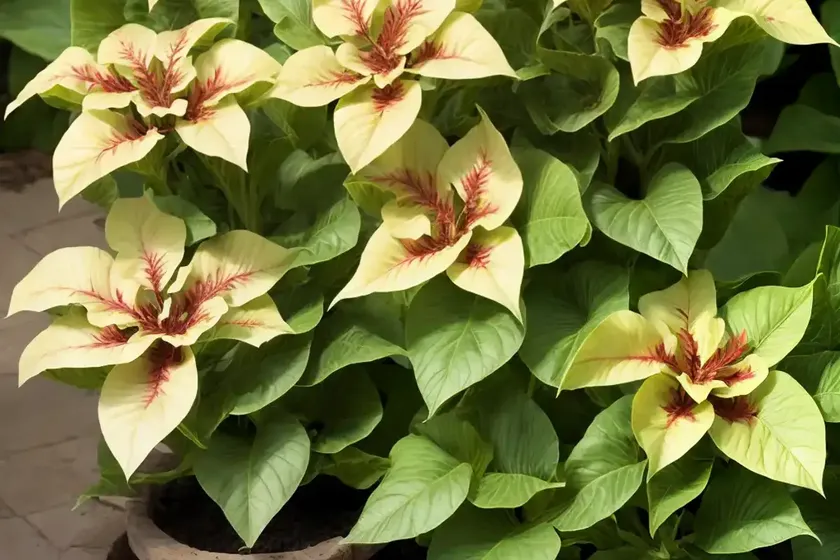
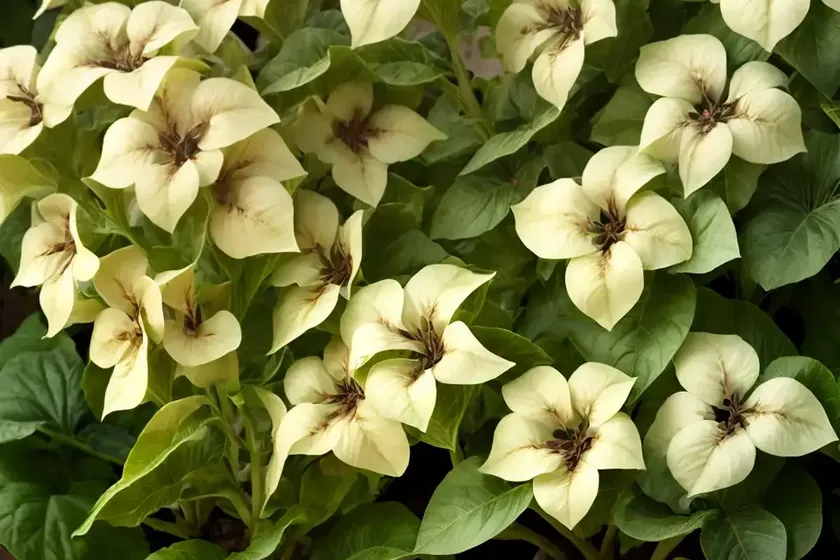

Nicotiana tabacum, also known as common tobacco, is an important plant with a rich cultural and economic history. It is a member of the Solanaceae family, which also includes potatoes, tomatoes, and peppers. Thanks to its versatility and widespread use, Nicotiana tabacum is cultivated in various regions around the world. In this comprehensive guide, we will delve into the characteristics, cultural practices, uses, and potential health risks associated with Nicotiana tabacum. The information provided here aims to benefit both gardeners and professionals interested in the unique attributes of this plant.
What is Nicotiana tabacum?
Nicotiana tabacum is a perennial herb that is primarily grown for its leaves, which are used for the production of tobacco products. Due to its economic importance, it is cultivated on a large scale in many countries. The plant can reach heights of 1.5 to 3 meters and is known for its sturdy stem and large, sticky leaves. Nicotiana tabacum is also cultivated for ornamental purposes due to its attractive flowers and pleasing fragrance. Though it is primarily cultivated for commercial use, it can also be grown in personal gardens and indoor spaces.
Classification of Nicotiana tabacum
Nicotiana tabacum belongs to the plant kingdom (Plantae) and the order Solanales. It is a member of the Solanaceae family, which is also known as the nightshade family. The genus Nicotiana comprises over 67 species, with Nicotiana tabacum being one of the most economically significant members.
Key Takeaways – Nicotiana Tabacum ( Nicotiana tabacum)
Here are some key points to remember about Nicotiana tabacum:
- Common Name: Common Tobacco
- Scientific Name: Nicotiana tabacum
- Family: Solanaceae
- Cultivation: Primarily grown for the production of tobacco, but can also be cultivated for ornamental purposes.
- Characteristics: Large, sticky leaves, sturdy stem, and attractive flowers.
- Uses: Primarily utilized for the production of tobacco products, but the plant also has ornamental and ceremonial uses.
Now, let’s explore the specific cultural practices involved in growing and maintaining Nicotiana tabacum.
Culture
Water
Nicotiana tabacum thrives in well-draining soils and requires consistent moisture to maintain healthy growth. When cultivating Nicotiana tabacum, it is essential to ensure that the plant receives an adequate amount of water throughout its growing season. However, overwatering should be avoided, as it can lead to root rot and other fungal diseases.
Sunlight
Nicotiana tabacum requires full sun exposure to thrive. It should be planted in an area that receives at least six to eight hours of direct sunlight daily. Adequate sunlight is crucial for the plant’s growth, leaf development, and flowering.
Fertilizer
In terms of fertilization, Nicotiana tabacum benefits from a well-balanced fertilizer that is rich in nitrogen. Fertilization should be carried out during the plant’s growing season, but it is important to avoid excessive application of fertilizers, as this can lead to imbalanced growth and reduced leaf quality.
Soil
The ideal soil for Nicotiana tabacum is a well-draining, loamy soil with a slightly acidic to neutral pH. The soil should be rich in organic matter and should allow for efficient water drainage. Prior to planting, it is beneficial to amend the soil with compost or well-rotted manure to enhance its fertility and structure.
Pruning
Pruning is not a common practice for Nicotiana tabacum unless the plant is being cultivated for ornamental purposes. In such cases, removing spent flowers and yellowing leaves can promote a tidier appearance and encourage additional flowering.
Propagation
Nicotiana tabacum can be propagated from seeds. The seeds should be sown directly into the prepared garden bed or container, as transplanting tobacco plants can be challenging due to their sensitive root systems.
Container Popularity
While Nicotiana tabacum is primarily cultivated in open fields on a large scale, it is also suitable for container gardening. The plant’s tall, upright growth habit and attractive foliage make it an appealing option for container cultivation on patios, decks, and balconies.
Now that we have discussed the cultural practices associated with Nicotiana tabacum, let’s explore its diverse uses.
Uses
Commercial Use
Nicotiana tabacum is primarily cultivated for the production of tobacco products. The leaves contain nicotine, which is a potent alkaloid responsible for the plant’s addictive properties. The harvested leaves undergo a series of processes, including curing and fermentation, to create tobacco products such as cigarettes, cigars, and pipe tobacco. The economic significance of Nicotiana tabacum in the tobacco industry cannot be overstated, as it is a key crop in many countries.
Ornamental Use
Beyond its commercial value, Nicotiana tabacum is also grown for its ornamental qualities. The plant bears tubular, fragrant flowers that are often white or pale pink in color. This makes it a popular choice for home gardens and landscapes, adding visual interest and fragrance to outdoor spaces.
Ceremonial and Traditional Use
In some cultures, Nicotiana tabacum has ceremonial and traditional significance. It has been used in rituals, ceremonies, and traditional medicine by various indigenous communities around the world. The ceremonial use of Nicotiana tabacum has deep cultural roots and symbolic meaning in specific contexts.
Health Risks and Benefits
It is important to note that while Nicotiana tabacum has been used for centuries in traditional medicine, its use comes with potential health risks. The consumption of tobacco products is linked to a range of health issues, including respiratory problems, cardiovascular disease, and various forms of cancer. Non-smokable forms of tobacco, such as nicotine gum and patches, are used in smoking cessation programs, as nicotine is highly addictive.
Common Diseases and Pests
Disease Diagnosis
Nicotiana tabacum is susceptible to various diseases, including tobacco mosaic virus (TMV), bacterial and fungal infections, and root rot. Regular monitoring and prompt diagnosis of these diseases are essential for effective disease management. Symptoms such as leaf yellowing, spotting, and wilting should be investigated and addressed promptly.
Common Pests
Pests that pose a threat to Nicotiana tabacum include aphids, caterpillars, and tobacco hornworms. These pests can cause damage to the plant’s foliage and may reduce its overall vigor. Integrated pest management (IPM) strategies, such as the use of beneficial insects and the application of insecticidal soaps when necessary, can help control pest populations.
Botanist’s Tips
Fun Facts
- The genus name Nicotiana is derived from the name of Jean Nicot, the French ambassador to Portugal who introduced tobacco to the French court in the 16th century.
- Nicotiana tabacum flowers open in the evening and are often pollinated by moths, making them an excellent choice for evening gardens.
- The ceremonial and spiritual significance of Nicotiana tabacum is deeply rooted in various indigenous cultures across the Americas.
Links to External Resources
For further exploration of Nicotiana tabacum, you may find the following resources useful:
- The Genus Nicotiana – Botanical Journal of the Linnean Society
- University of Florida IFAS Extension – Tobacco Production Guide
- World Health Organization – Tobacco and Its Environmental Impact


