New Zealand Mirrorbush (Coprosma Repens)
The New Zealand Mirrorbush, scientifically known as Coprosma Repens, is an evergreen shrub that is native to New Zealand. This versatile and attractive.

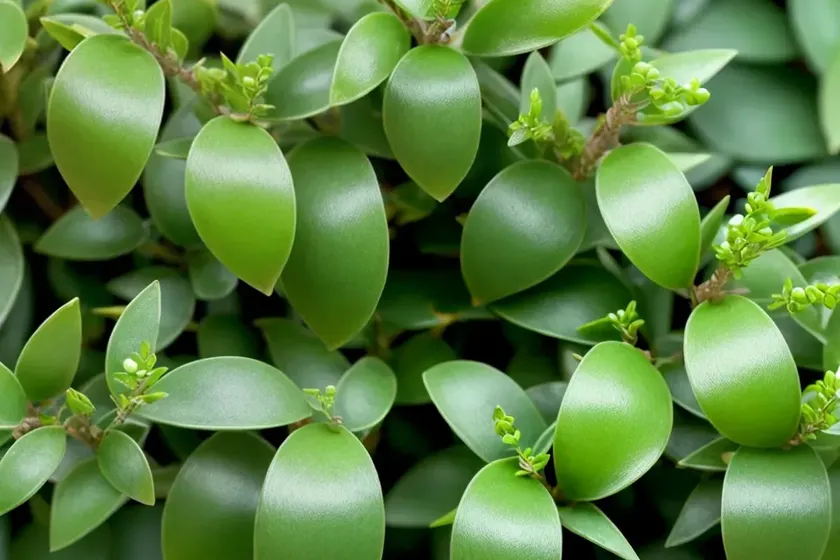
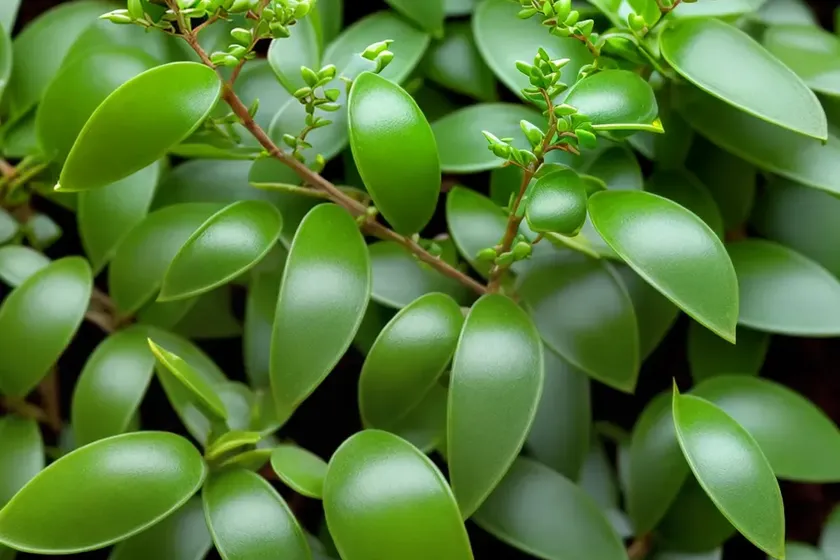
The New Zealand Mirrorbush, scientifically known as Coprosma Repens, is an evergreen shrub that is native to New Zealand. This versatile and attractive plant has become popular not only in its native region but also in various parts of the world due to its beautiful foliage, easy maintenance, and adaptability to diverse growing conditions. In this comprehensive guide, we will delve into the various aspects of this fascinating plant, including its culture, uses, care requirements, common diseases, pests, and much more. Whether you are a seasoned gardener or a beginner plant enthusiast, this guide will provide you with valuable insights into the cultivation and management of the New Zealand Mirrorbush.
What is the New Zealand Mirrorbush (Coprosma Repens)?
The New Zealand Mirrorbush, also known by its scientific name Coprosma Repens, is an evergreen shrub belonging to the Rubiaceae family. It is native to New Zealand, where it is found in a variety of habitats ranging from coastal areas to forests and alpine regions. The plant is characterized by its glossy and often variegated leaves, which exhibit an array of colors including green, gold, orange, and red. The foliage of the New Zealand Mirrorbush is one of its most attractive features, making it a popular choice for ornamental landscaping and garden design.
Key Takeaways – New Zealand Mirrorbush (Coprosma Repens)
Before we delve deeper into the various aspects of the New Zealand Mirrorbush, let’s take a look at some key takeaways that encapsulate its essential attributes and characteristics:
- Botanical Name: Coprosma Repens
- Common Name: New Zealand Mirrorbush
- Plant Type: Evergreen shrub
- Foliage: Glossy, variegated leaves in a range of colors
- Uses: Ornamental landscaping, garden design, container gardening
- Adaptability: Tolerant of diverse growing conditions
- Cultivars: Varied leaf colors and patterns in different cultivars
- Wildlife Attraction: Attracts birds due to its colorful and edible berries
- Low Maintenance: Requires minimal care once established
- Disease and Pest Resistance: Relatively resistant to common diseases and pests
With these key takeaways in mind, let’s explore the various aspects of cultivating and caring for the New Zealand Mirrorbush.
Culture
The culture of the New Zealand Mirrorbush encompasses its environmental requirements, adaptable nature, and its uses in horticulture and landscaping. Understanding the culture of this plant is essential for successfully growing and maintaining it in various settings.
Uses
The New Zealand Mirrorbush (Coprosma Repens) has a wide range of uses, making it a versatile and valuable addition to gardens, landscapes, and indoor spaces. Some of its primary uses include:
- Ornamental Landscaping: The attractive foliage of the New Zealand Mirrorbush makes it an excellent choice for ornamental landscaping in gardens, parks, and public spaces. Its varied leaf colors and compact growth habit add visual interest to the landscape.
- Container Gardening: Due to its adaptability to container growth, the New Zealand Mirrorbush is often used as a potted plant for patios, balconies, and indoor spaces. Its vibrant foliage adds a splash of color to container gardens.
- Wildlife Habitat: The berries produced by the New Zealand Mirrorbush are attractive to birds, making it a valuable plant for attracting wildlife to gardens and natural areas.
- Erosion Control: In coastal regions and areas prone to soil erosion, the New Zealand Mirrorbush can be used to stabilize slopes and prevent soil erosion due to its dense root system and hardy nature.
Understanding the diverse uses of the New Zealand Mirrorbush allows for its effective integration into different horticultural and ecological settings.
Water
The water requirements of the New Zealand Mirrorbush are influenced by factors such as climate, soil type, and the plant’s stage of growth. Understanding its water needs is crucial for maintaining optimal health and growth.
- Establishment Phase: During the initial establishment phase, the New Zealand Mirrorbush should be watered regularly to encourage the development of a strong root system. This is particularly important when growing the plant in containers or when planting in dry or sandy soils.
- Mature Plants: Once established, the New Zealand Mirrorbush exhibits good drought tolerance and can withstand dry periods. However, during prolonged dry spells, supplemental watering may be necessary to prevent water stress and maintain the plant’s vitality.
- Watering Frequency: As a general guideline, the New Zealand Mirrorbush should be watered deeply but infrequently, allowing the soil to partially dry out between waterings. This encourages deep root development and overall plant resilience.
Adapting the watering regimen to local climate conditions and seasonal variations is essential for promoting the optimal growth of the New Zealand Mirrorbush.
Sunlight
The sunlight requirements of the New Zealand Mirrorbush are influenced by its native habitat, but the plant displays adaptability to varying light conditions. Understanding its sunlight needs is essential for selecting suitable planting locations and ensuring healthy growth.
- Full Sun: The New Zealand Mirrorbush thrives in full sun to partial shade, displaying the best foliage coloration and growth in locations that receive ample sunlight. In regions with mild climates, providing the plant with full sun exposure promotes vibrant leaf colors and robust growth.
- Partial Shade: In hotter climates or during periods of intense summer heat, the New Zealand Mirrorbush benefits from partial shade, especially during the hottest part of the day. Partial shade can help prevent leaf scorch and maintain the plant’s overall vigor.
- Indoor Growth: When grown indoors as a potted plant, the New Zealand Mirrorbush should be placed in a well-lit area with indirect sunlight. Placing the plant near a bright window or providing supplemental artificial light can support healthy growth and foliage coloration.
By understanding the plant’s sunlight preferences, it becomes possible to select appropriate planting locations and create optimal growing conditions for the New Zealand Mirrorbush.
Fertilizer
Proper fertilization is essential for promoting healthy growth and vibrant foliage in the New Zealand Mirrorbush. Understanding the plant’s fertilizer requirements and best practices for application can contribute to its overall vigor and visual appeal.
- Balanced Fertilizer: The New Zealand Mirrorbush benefits from the application of a balanced, slow-release fertilizer in the spring. A fertilizer with a balanced NPK ratio (nitrogen, phosphorus, potassium) supports overall plant health and encourages robust growth.
- Frequency: Fertilize the New Zealand Mirrorbush once a year in the spring, just as new growth begins. Avoid excessive or frequent fertilization, as this can lead to an accumulation of salts in the soil and potentially harm the plant.
- Application Method: When applying fertilizer, ensure that it is distributed evenly around the root zone of the plant. Lightly incorporate the fertilizer into the soil surface and water the plant thoroughly after application to aid in nutrient uptake.
Understanding the principles of balanced fertilization and proper application techniques supports the healthy development of the New Zealand Mirrorbush.
Soil
The New Zealand Mirrorbush exhibits adaptability to a range of soil types, but certain soil characteristics are conducive to its optimal growth and longevity. Understanding the plant’s soil requirements is crucial for providing an environment that fosters its overall health and vigor.
- Well-Drained Soil: The New Zealand Mirrorbush thrives in well-drained soil that allows excess water to percolate freely. Avoid waterlogged or compacted soils, as these can lead to root rot and other moisture-related issues.
- Soil pH: The plant tolerates a wide pH range, but slightly acidic to neutral soils are preferred. A pH range of 5.5 to 6.5 is ideal for promoting nutrient availability and root development.
- Organic Matter: Amending the soil with organic matter such as compost or well-rotted manure can improve soil structure and fertility, providing a beneficial environment for the New Zealand Mirrorbush to thrive.
- Container Growth: When growing the New Zealand Mirrorbush in containers, choose a high-quality potting mix that provides adequate drainage and aeration. Container-grown plants require a soil mix that retains moisture without becoming waterlogged.
By addressing the soil needs of the New Zealand Mirrorbush, it becomes possible to create an optimal growing environment that supports its long-term vitality and beauty.
Pruning
Pruning plays a vital role in maintaining the shape, size, and overall appearance of the New Zealand Mirrorbush. Additionally, proper pruning practices can promote dense growth and enhance the plant’s ornamental value. Understanding the principles of pruning is essential for effective plant management.
- Timing: Prune the New Zealand Mirrorbush in late winter to early spring before the start of new growth. This timing allows the plant to recover from pruning and initiate new growth with the arrival of favorable growing conditions.
- Tools: Use sharp, clean pruning shears to make clean cuts and minimize the risk of injury to the plant. Disinfecting the pruning tools between cuts, especially when dealing with diseased or damaged plant material, helps prevent the spread of pathogens.
- Purpose: Pruning objectives for the New Zealand Mirrorbush may include removing dead or diseased branches, shaping the plant, and controlling its size. Light, selective pruning is generally sufficient to maintain the plant’s desired form and density.
- Branch Removal: When removing branches, make cuts just above a set of healthy, outward-facing buds to encourage new growth and maintain a natural appearance.
Implementing proper pruning techniques contributes to the overall health and aesthetic appeal of the New Zealand Mirrorbush, ensuring that it remains an attractive and well-maintained plant in the landscape.
Propagation
The propagation of the New Zealand Mirrorbush allows for the expansion of its presence in gardens and landscapes, as well as the preservation of valuable cultivars and varieties. Understanding the propagation methods and best practices can enable individuals to replicate and share the plant with others.
- Seeds: Propagating the New Zealand Mirrorbush from seeds is possible, but it requires patience and time for the plants to reach maturity. Seeds can be collected from mature berries and sown in a well-prepared seed-starting mix.
- Softwood Cuttings: Propagation through softwood cuttings is a more reliable and faster method for producing new plants. Take 4 to 6-inch cuttings from healthy, actively growing stems, remove the lower leaves, and place the cuttings in a well-draining rooting medium. Provide bottom heat and humidity to encourage root development.
- Root Division: Mature New Zealand Mirrorbush plants can be divided through root division, particularly when they become overcrowded or require rejuvenation. Carefully separate the root mass into sections and replant them in suitable growing locations.
By mastering the art of propagation, individuals can expand their collection of New Zealand Mirrorbush plants and share their passion for this captivating species with others.
Container Popularity
The New Zealand Mirrorbush’s popularity as a container plant stems from its vibrant foliage, adaptability, and suitability for small-scale gardens and urban environments. Understanding its characteristics as a container plant and the associated care requirements is essential for successful cultivation in pots and planters.
- Suitable Cultivars: Select compact and dwarf cultivars of the New Zealand Mirrorbush for container growth, as they are better suited to the limited space and growing conditions provided by pots and planters.
- Pot Size: Choose appropriately sized containers with adequate drainage holes to support healthy root development. The pot size should accommodate the plant’s root system and allow for future growth without becoming overly crowded.
- Watering and Fertilization: Container-grown New Zealand Mirrorbush plants may require more frequent watering and fertilization than those grown in the ground. Monitor soil moisture levels and provide balanced fertilization to support optimal growth.
- Winter Protection: In regions with cold winters, provide winter protection for container-grown New Zealand Mirrorbush plants to shield them from freezing temperatures and harsh weather conditions. Consider moving containers to sheltered locations or insulating them to prevent root damage.
By recognizing the New Zealand Mirrorbush’s appeal as a container plant and addressing its specific container care needs, individuals can enjoy the beauty of this species in a variety of garden and urban settings.
Common Diseases
Despite its overall resilience, the New Zealand Mirrorbush is susceptible to certain diseases that can affect its health and appearance. Understanding the common diseases and associated management strategies is essential for maintaining the plant’s vitality.
Disease Diagnosis
Diagnosing plant diseases in the New Zealand Mirrorbush involves recognizing the symptoms associated with specific pathogens or environmental stressors. Common diseases that affect the New Zealand Mirrorbush include:
- Powdery Mildew: A fungal disease that manifests as powdery, white patches on the plant’s foliage. This disease thrives in humid and crowded growing conditions, leading to reduced photosynthesis and overall plant vigor.
- Root Rot: Excessive soil moisture or poorly draining soil can lead to root rot in the New Zealand Mirrorbush. Symptoms include wilting, yellowing leaves, and a general decline in plant health. Root rot can be fatal if not addressed promptly.
- Leaf Spot Diseases: Various fungal and bacterial pathogens can cause leaf spot diseases in the New Zealand Mirrorbush. These diseases result in the formation of dark, irregular spots on the foliage, potentially leading to leaf drop and reduced aesthetic appeal.
Upon identifying symptoms of disease in the New Zealand Mirrorbush, it is crucial to implement appropriate management techniques to mitigate the impact on the plant’s health and vitality.
Disease Management
Managing diseases in the New Zealand Mirrorbush involves a combination of cultural, preventative, and, when necessary, curative measures to maintain plant health and prevent the spread of pathogens.
- Cultural Practices: Implement proper watering and site selection to minimize conditions conducive to disease development. Ensure good air circulation around the plant and avoid overhead watering to reduce leaf moisture.
- Pruning: Remove and dispose of infected plant material to prevent the spread of disease. Prune out diseased branches and foliage, and promptly clean and disinfect pruning tools to prevent transmission.
- Fungicidal Treatments: Depending on the severity of the disease, targeted fungicidal treatments may be necessary to manage powdery mildew and leaf spot diseases. Select a fungicide labeled for ornamental plants and apply it according to the manufacturer’s instructions.
By taking proactive steps to manage and prevent diseases, individuals can safeguard the health and beauty of their New Zealand Mirrorbush plants, allowing them to thrive in garden and landscape settings.
Common Pests
The New Zealand Mirrorbush is generally resistant to most pests, but certain insects and arthropods can pose a threat to its foliage and overall health. Identifying common pests and implementing appropriate pest management techniques is crucial for preserving the plant’s appearance and vitality.
Pest Identification
Recognizing common pests that affect the New Zealand Mirrorbush enables individuals to take timely action to control infestations and prevent damage to the plant. Common pests include:
- Aphids: These small, soft-bodied insects feed on the sap of the plant, often congregating on new growth and the undersides of leaves. Aphid infestations can lead to distorted foliage and reduced plant vigor.
- Scale Insects: Scale insects appear as small, waxy bumps on the stems and foliage of the New Zealand Mirrorbush. They feed by piercing the plant tissue and extracting sap, leading to yellowing leaves and a decline in overall plant health.
- Thrips: Thrips are tiny, slender insects that feed on the foliage of the New Zealand Mirrorbush, causing stippling, silvering, and discoloration of the leaves. Severe thrips infestations can result in reduced plant growth and aesthetic appeal.
Pest Management
Implementing integrated pest management practices can effectively mitigate pest infestations and prevent damage to the New Zealand Mirrorbush. Integrated pest management involves combining cultural, biological, and, if necessary, chemical control methods to address pest issues.
- Natural Predators: Encourage natural predators such as ladybugs, lacewings, and predatory mites, which feed on common pests like aphids and thrips. Supporting a diverse ecosystem in the garden promotes natural pest control.
- Horticultural Oils: Apply horticultural oils as a targeted treatment for scale insects and aphids. These oils suffocate and disrupt the feeding activity of pests, helping to reduce infestations without harming beneficial insects.
- Insecticidal Soaps: Use insecticidal soaps to control thrips and aphids on the New Zealand Mirrorbush. These soap-based treatments effectively kill pests on contact and have minimal impact on non-target organisms.
By employing a multidimensional approach to pest management, individuals can protect their New Zealand Mirrorbush plants from common pests and sustain their health and visual appeal.
Botanist’s Tips
As botanists and plant enthusiasts, here are some valuable tips for cultivating and caring for the New Zealand Mirrorbush (Coprosma Repens) based on our expertise and experience:
- Leaf Variegation: Embrace the diversity of leaf colors and patterns offered by different New Zealand Mirrorbush cultivars to create striking visual compositions in garden designs and landscapes.
- Natural Pruning: Allow the New Zealand Mirrorbush to retain its natural form and minimize excessive pruning, as the plant’s natural growth habit contributes to its overall beauty and ecological value.
- Ecological Significance: Appreciate the plant’s role in providing habitat and food for wildlife, including birds that are attracted to its colorful berries.
- Seasonal Observations: Observe and document the seasonal changes in the New Zealand Mirrorbush, particularly the shifting leaf colors and growth patterns, to gain a deeper understanding of its phenology.
By integrating these botanist’s tips into the care and appreciation of the New Zealand Mirrorbush, individuals can enhance their gardening experiences and develop a deeper connection with this remarkable plant species.
Fun Facts
To further enrich your knowledge and appreciation of the New Zealand Mirrorbush, here are some intriguing and delightful fun facts about this captivating plant:
- The name “Mirrorbush” is derived from the plant’s reflective and glossy foliage, which exhibits a polished, mirror-like appearance in certain lights.
- The New Zealand Mirrorbush is known for its ability to grow in coastal environments, tolerating salty air and windswept conditions.
- In its native habitat of New Zealand, the plant holds cultural significance and is featured in indigenous Maori traditions and herbal remedies.
- Some cultivars of the New Zealand Mirrorbush produce berries that change color throughout the year, adding an extra dimension of visual interest to the plant.
- The variegated leaves of the New Zealand Mirrorbush are considered exceptional for adding contrast and texture to garden designs and mixed plantings.
Discovering these fun facts illuminates the unique and captivating qualities of the New Zealand Mirrorbush, fostering a deeper appreciation for its distinctive attributes.
Links to External Resources
For further exploration of the New Zealand Mirrorbush (Coprosma Repens) and related topics, we recommend the following external resources:
- Royal Horticultural Society – Coprosma Repens: https://www.rhs.org.uk/Plants/10639/i-Coprosma-repens-i/Details
- Flora of New Zealand – Coprosma Repens: [http://www