Egyptian Star-cluster (Pentas Lanceolata)
The Egyptian star-cluster, scientifically known as Pentas lanceolata, is a stunning and versatile perennial plant that belongs to the Rubiaceae family..
Introduction
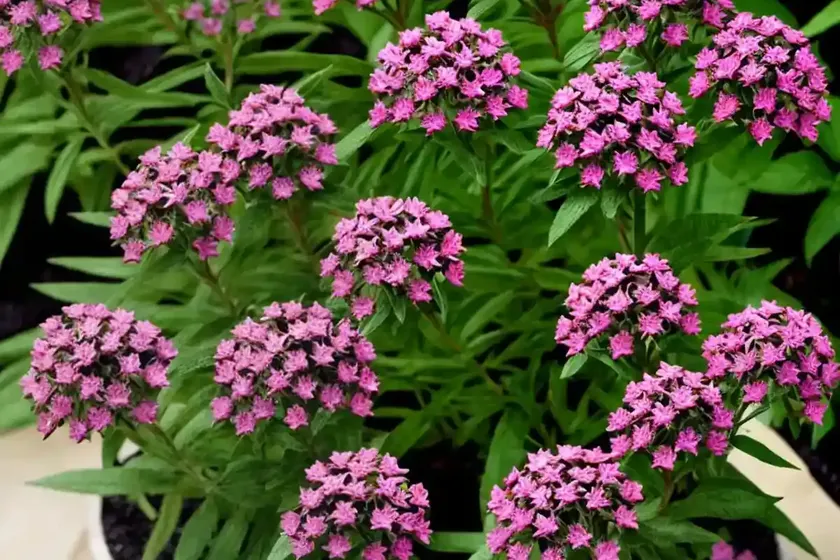
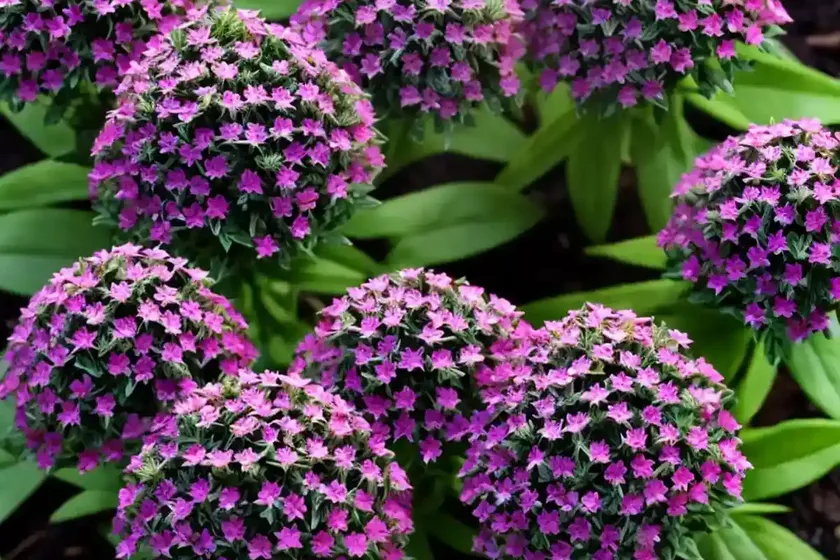
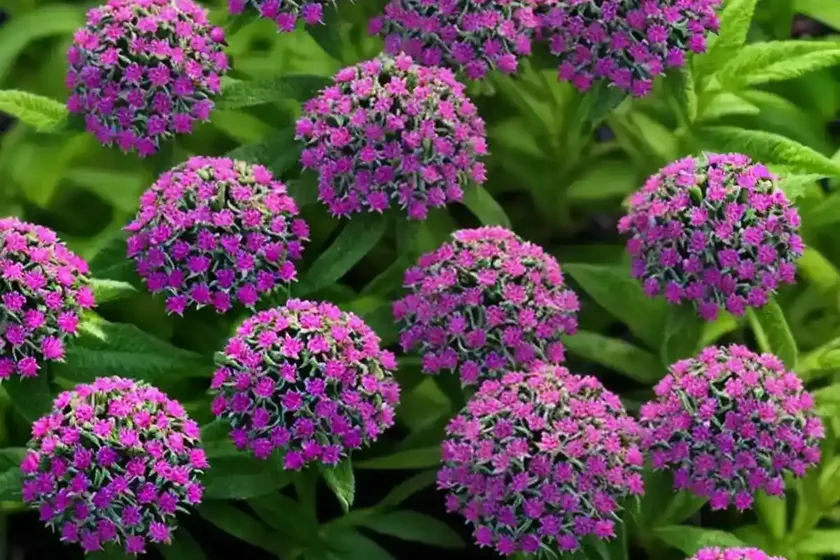
The Egyptian star-cluster, scientifically known as Pentas lanceolata, is a stunning and versatile perennial plant that belongs to the Rubiaceae family. This plant is admired for its attractive star-shaped flowers, which are available in a variety of colors, including red, pink, purple, and white. Native to the African continent, the Egyptian star-cluster has found its way into gardens and landscapes worldwide due to its resilience and captivating beauty.
In this comprehensive guide, we will delve into the various aspects of caring for Egyptian star-clusters, including their culture, uses, watering requirements, sunlight preferences, fertilizer needs, soil conditions, pruning techniques, propagation methods, container gardening tips, common diseases and pests, and much more. By the end of this article, you will have a thorough understanding of how to cultivate and maintain these enchanting plants in your own garden.
Key Takeaways – Egyptian Star-Cluster (Pentas lanceolata)
Before we dive into the details of Egyptian star-cluster care, let’s briefly highlight some key takeaways about this plant:
Culture
- Botanical Name: Pentas lanceolata
- Family: Rubiaceae
- Common Names: Egyptian star-cluster, star flower
- Plant Type: Perennial
- Native Habitat: Africa
- Growth Habit: Upright, bushy
- Flower Colors: Red, pink, purple, white
- Attracts Wildlife: Bees, butterflies, hummingbirds
Uses
- Garden: Borders, containers, mass plantings
- Landscape: Beds, edging, pollinator gardens
- Medicinal: Traditionally used to treat dysentery and as a vermifuge in some African countries
- Culinary: The flowers may be used as a raw garnish in salads
Now, let’s explore each aspect of Egyptian star-cluster care in detail.
Water
Water is essential for the proper growth and development of Egyptian star-clusters. These plants have moderate water needs and are relatively tolerant of short dry spells. However, it’s crucial to ensure consistent moisture, especially during hot and dry periods. Overwatering, on the other hand, should be avoided to prevent waterlogged soil, which can lead to root rot.
Watering Requirements
- Frequency: Water the plant regularly, allowing the soil to dry slightly between waterings.
- Deep Watering: Ensure that the water penetrates the soil deeply to reach the root zone.
- Avoid Wet Foliage: Water the base of the plant to prevent wet foliage, which can invite diseases.
Water Conservation
- Mulching: Apply a layer of organic mulch around the base of the plant to conserve soil moisture.
- Drip Irrigation: Use a drip irrigation system to deliver water directly to the root zone, minimizing water wastage.
- Rainwater Harvesting: Consider collecting rainwater for irrigating your Egyptian star-clusters.
Sunlight
The Egyptian star-cluster thrives in full sun to partial shade conditions. When grown in full sun, it produces an abundance of vibrant flowers, while partial shade can be suitable in regions with intense heat. Adequate sunlight is crucial for the plant’s overall health and blooming performance.
Sunlight Preferences
- Full Sun: Provide at least 6-8 hours of direct sunlight per day for optimal flowering.
- Partial Shade: In hot climates, provide some protection from the intense afternoon sun.
Shade Tolerance
- Egyptian star-clusters can tolerate light shade, especially in regions with scorching temperatures.
- However, prolonged periods of shade may result in reduced flowering and leggy growth.
Fertilizer
Proper fertilization is important for promoting healthy growth and prolific blooming in Egyptian star-clusters. A balanced and nutrient-rich fertilizer can provide the essential elements for robust foliage and abundant flowers.
Fertilizer Needs
- Timing: Apply a balanced fertilizer in early spring as new growth begins.
- Frequency: Reapply fertilizer every 6-8 weeks during the growing season.
- Dilution: Follow the dilution instructions on the fertilizer package to prevent over-fertilization.
Organic Fertilizer
- Consider using organic fertilizers such as compost or well-decomposed manure for a slow release of nutrients.
- Organic fertilizers also improve the soil structure and enhance microbial activity.
Soil
The soil conditions play a significant role in the overall health and vigor of Egyptian star-clusters. Well-draining soil that retains some moisture is ideal for these plants. Additionally, the soil pH should be slightly acidic to neutral for optimal nutrient uptake.
Soil Conditions
- Texture: A loamy or sandy loam soil with good drainage is well-suited for Egyptian star-clusters.
- Moisture Retention: Ensure the soil retains some moisture without becoming waterlogged.
- Soil pH: Maintain a pH range of 6.0-7.0 for ideal nutrient availability.
Soil Amendments
- Organic Matter: Incorporate organic matter such as compost or peat moss to enhance soil structure and moisture retention.
- Perlite or Vermiculite: Adding perlite or vermiculite can improve soil aeration and drainage.
Pruning
Pruning is an essential maintenance practice for Egyptian star-clusters to promote bushy growth, remove spent blooms, and shape the plant. Proper pruning can encourage continuous flowering and prevent the plant from becoming leggy or overgrown.
Pruning Techniques
- Deadheading: Remove faded flowers to encourage the production of new blooms.
- Selective Pruning: Trim back leggy or overgrown stems to maintain a compact and tidy appearance.
- Winter Pruning: Cut back the plant in late winter to rejuvenate its growth for the upcoming season.
Pruning Frequency
- Engage in regular deadheading throughout the blooming season to prolong flowering.
- Perform major pruning in late winter or early spring to stimulate new growth.
Propagation
Propagation of Egyptian star-clusters can be achieved through various methods, including seeds, stem cuttings, and division. Each propagation technique has its own set of requirements and advantages, allowing you to expand your plant collection or share these delightful flowers with others.
Propagation Methods
- Seeds: Sow seeds indoors in early spring or directly in the garden after the last frost.
- Stem Cuttings: Take 4-6 inch stem cuttings from healthy plants and root them in a well-draining medium.
- Division: Divide mature plants in early spring to create new individuals with established root systems.
Rooting Hormone
- Apply a rooting hormone to stem cuttings to promote the development of roots and increase their success rate.
- Liquid or powder forms of rooting hormone can be used for propagating Egyptian star-clusters.
Container Gardening
The versatility of Egyptian star-clusters makes them well-suited for container gardening, allowing you to enjoy their beauty in a patio, balcony, or any limited-space setting. Growing these plants in containers requires special considerations for their care and maintenance.
Container Selection
- Size: Choose a container that provides ample space for the plant’s root system to grow.
- Drainage Holes: Ensure the container has drainage holes to prevent waterlogging.
- Material: Select a durable and weather-resistant container, such as terracotta or resin.
Container Potting Mix
- Use a well-draining potting mix that provides good aeration and moisture retention.
- Consider adding perlite or coarse sand to enhance drainage and prevent soil compaction in containers.
Popularity
The popularity of Egyptian star-clusters has soared in the gardening community due to their stunning flowers, easy care requirements, and ability to attract pollinators. These plants have become a favored choice for adding vibrant colors and visual interest to outdoor spaces.
Landscape Uses
- Egyptian star-clusters are often used in landscape designs for borders, edging, and mass plantings.
- They are valued for their ability to attract bees, butterflies, and hummingbirds, enhancing the biodiversity of the garden.
Container Common Diseases
Egyptian star-clusters are generally resistant to many diseases, but they can occasionally be affected by certain fungal and bacterial pathogens. Recognizing the symptoms and promptly addressing any disease issues is crucial for maintaining the plant’s health.
Disease Diagnosis
- Powdery Mildew: Look for powdery white spots on the leaves, which can hinder photosynthesis and weaken the plant.
- Leaf Spot: Dark lesions or spots on the leaves may indicate a leaf spot disease that requires proper management.
- Root Rot: Yellowing, wilting, and stunted growth can indicate root rot caused by overly wet soil conditions.
Common Pests
Although Egyptian star-clusters are relatively resistant to pests, they can still face infestations by certain insects. Monitoring the plant regularly and implementing preventive measures can help manage pest problems effectively.
Pest Control
- Aphids: These small, soft-bodied insects can be manually removed or controlled with insecticidal soap.
- Spider Mites: Regularly misting the plant and keeping the humidity levels up can deter spider mite infestations.
Botanist’s Tips
As a plant scientist with a passion for Egyptian star-clusters, I have gathered some valuable tips and recommendations to ensure the successful growth and care of these remarkable plants.
Botanist’s Recommendations
- Companion Plants: Pair Egyptian star-clusters with other nectar-rich plants to create a pollinator-friendly garden.
- Mulching Benefits: Apply mulch around the base of the plant to conserve moisture, suppress weeds, and maintain a consistent soil temperature.
Fun Facts
Let’s uncover some intriguing and captivating facts about Egyptian star-clusters that showcase their unique characteristics and significance in the natural world.
Fascinating Insights
- Medicinal Uses: In some African countries, the plant is traditionally used to treat dysentery and intestinal worms.
- Wildlife Attraction: Egyptian star-clusters are revered for their ability to attract beneficial insects and pollinators to the garden.
Links to External Resources
For further insights into Egyptian star-cluster care and cultivation, I recommend exploring the following resources:
- Pentas lanceolata – Plant of the Week – University of Florida
- Growing and Caring for Egyptian Star-Cluster (Pentas lanceolata) – Clemson Cooperative Extension
- Pentas Flowers: How To Grow Egyptian Star Cluster Plants – Gardening Know How
In conclusion, Egyptian star-cluster (Pentas lanceolata) is a captivating and resilient perennial plant that enriches outdoor spaces with its vibrant flowers and wildlife-attracting qualities. By following the guidelines and tips outlined in this comprehensive care guide, you can cultivate and enjoy the beauty of these enchanting plants in your own garden. Happy gardening!


