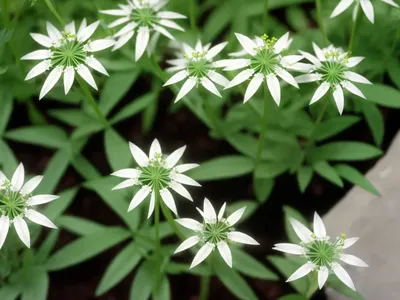
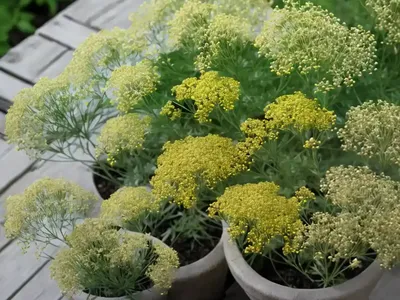
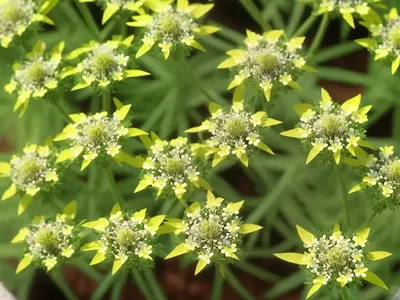
Yellow Bedstraw (Galium Verum)
Plants have always played a crucial role in our lives, not only for their aesthetic appeal but also for their myriad of uses, from ecological benefits to.
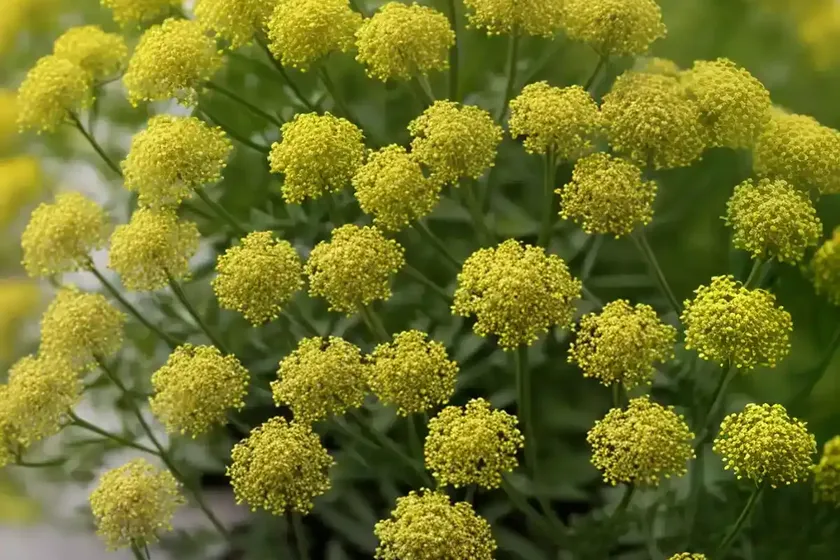
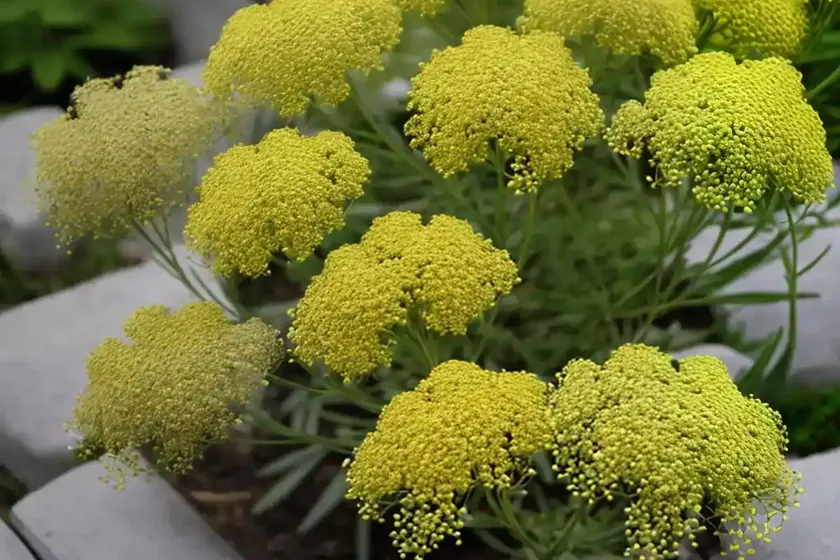
Plants have always played a crucial role in our lives, not only for their aesthetic appeal but also for their myriad of uses, from ecological benefits to medicinal properties. One such plant that has been valued for centuries is Galium verum, commonly known as Yellow Bedstraw. This versatile herbaceous perennial is not only a beautiful addition to gardens but also holds historical, cultural, and medicinal significance.
In this comprehensive guide, we will delve deep into the world of Yellow Bedstraw, exploring its characteristics, uses, care requirements, and much more. Whether you are a seasoned gardener, an herbal enthusiast, or simply someone looking to enhance their knowledge of plant life, this article is bound to provide valuable insights into the captivating realm of Galium verum.
Section 1: What is Yellow Bedstraw (Galium verum)?
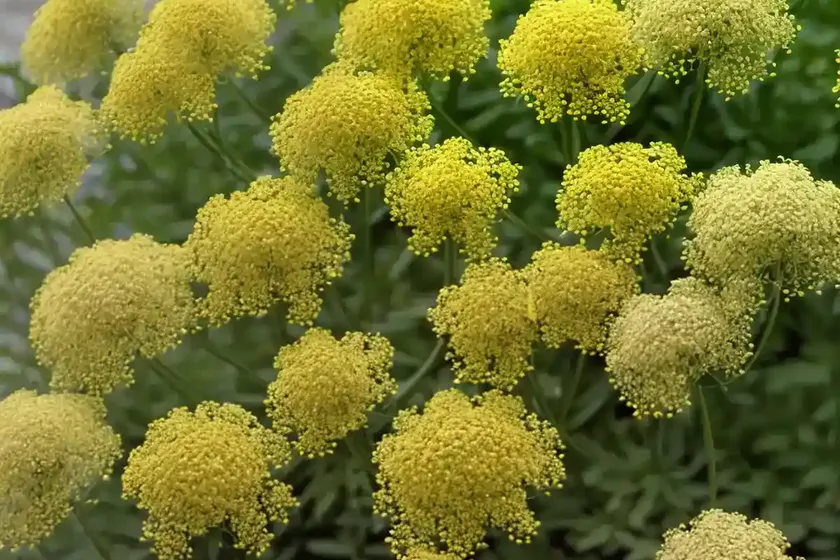
Yellow Bedstraw, scientifically known as Galium verum, is a perennial plant belonging to the Rubiaceae family. This herbaceous plant is native to Europe and Western Asia, where it can be found gracing meadows, grasslands, and woodland edges with its vibrant yellow blooms. The plant is characterized by its slender stems, whorls of narrow leaves, and clusters of small, bright yellow flowers that exude a sweet, hay-like fragrance.
Plant Characteristics
- Scientific Name: Galium verum
- Common Name: Yellow Bedstraw, Lady’s Bedstraw
- Family: Rubiaceae
- Native Region: Europe, Western Asia
- Height: Up to 1 meter
- Blooms: Summer
- Fragrance: Sweet, hay-like scent
- Uses: Medicinal, ecological, ornamental
Plant Description
Yellow Bedstraw is characterized by its delicate appearance, featuring slender, angular stems adorned with whorls of elongated leaves, typically in groups of 8 to 12. The leaves are narrow and pointed, arranged in a whorled pattern around the stem. During the summer months, the plant comes alive with clusters of tiny, star-shaped, yellow flowers that add a splash of color to the landscape.
Plant History and Folklore
Throughout history, Yellow Bedstraw has been intertwined with various folklore and cultural beliefs. In ancient times, the plant was used for its symbolic and medicinal properties. It was believed to have mystical qualities and was often used in traditional rituals and remedies. Additionally, the plant’s vibrant yellow flowers were associated with symbolism in folklore and literature, further enriching its cultural significance.
Section 2: Key Takeaways – Yellow Bedstraw (Galium verum)
Before we delve into the specifics of cultivating and caring for Yellow Bedstraw, let’s explore some key takeaways about this fascinating plant.
Yellow Bedstraw – Key Takeaways
- Medicinal Uses: Yellow Bedstraw has a rich history of traditional medicinal uses, particularly in herbal remedies for various ailments.
- Ecological Benefits: The plant serves as an essential component of ecosystems, supporting wildlife and contributing to biodiversity.
- Cultural Significance: Yellow Bedstraw holds cultural and folklore significance, with symbolic associations in literature, art, and traditional beliefs.
- Ornamental Value: Beyond its practical uses, Galium verum is a stunning addition to gardens, adding a pop of cheerful yellow to the landscape.
Section 3: Culture
To cultivate Yellow Bedstraw successfully, it’s essential to understand its cultural requirements, including water, sunlight, soil, and fertilization needs.
Water
Yellow Bedstraw thrives in moderately moist soil, preferably with good drainage. During the growing season, it’s essential to provide regular watering to keep the soil consistently moist. However, it’s crucial to avoid waterlogging, as this can lead to root rot and other issues. In periods of drought, the plant may require supplemental watering to maintain optimal growth and flowering.
Sunlight
This plant exhibits a preference for full sun to partial shade. While it can tolerate some shade, Yellow Bedstraw tends to produce more profuse blooms when grown in a sunny location. When cultivated in regions with hot summers, providing some afternoon shade can help prevent stress on the plant and maintain its vigor.
Soil
Yellow Bedstraw thrives in well-draining, loamy soil with a slightly acidic to neutral pH range (6.0-7.0). The plant is adaptable to various soil types, including sandy and clay soils, as long as they provide adequate drainage. Amending the soil with organic matter, such as compost, can enhance its fertility and improve the overall growing conditions for Galium verum.
Fertilizer
When it comes to fertilization, Yellow Bedstraw does not have high nutrient requirements. Applying a balanced, general-purpose fertilizer in early spring, before the growing season, can provide the plant with the necessary nutrients for robust growth and flowering. It’s essential to follow the recommended application rates to avoid over-fertilization, which can lead to excessive foliage growth at the expense of blooms.
Section 4: Uses
Medicinal Uses of Yellow Bedstraw (Galium verum)
Yellow Bedstraw has a long history of medicinal use dating back to ancient times. The plant was traditionally employed for its diuretic, astringent, and tonic properties, and it was often utilized in herbal preparations to address various health concerns. Some of the medicinal uses of Galium verum include:
- Diuretic: Yellow Bedstraw was used to promote urine production and facilitate the elimination of excess fluids from the body, making it beneficial for conditions related to water retention and edema.
- Astringent: The plant was valued for its astringent properties, which made it useful in traditional remedies for wound healing and as a topical treatment for skin irritations.
- Tonic: Yellow Bedstraw was employed as a general tonic to support overall health and well-being, with traditional uses extending to addressing digestive complaints and promoting vitality.
Benefits of Galium verum
The potential benefits of Yellow Bedstraw extend beyond its historical medicinal uses. Some of the key benefits associated with Galium verum include:
- Herbal Medicine: The plant continues to be utilized in herbal medicine, where it is valued for its gentle yet effective properties.
- Ecological Role: Yellow Bedstraw contributes to ecological balance by supporting pollinators, providing habitat for beneficial insects, and adding to the diversity of plant species within ecosystems.
Natural Remedies with Yellow Bedstraw
Yellow Bedstraw can be utilized in various natural remedies, offering a gentle and holistic approach to health and wellness. Some natural remedies incorporating Galium verum include:
- Herbal Infusions: Infusions prepared from the aerial parts of the plant can be used as a gentle diuretic and for promoting kidney health.
- Topical Compresses: An infusion or decoction of Yellow Bedstraw can be used in topical applications to aid in the healing of minor wounds and skin irritations.
Section 5: Plant Care
Proper care and maintenance are essential for ensuring the health and vigor of Yellow Bedstraw. From pruning to propagation, understanding the plant’s specific needs is crucial for successful cultivation.
Pruning
Pruning Yellow Bedstraw can help maintain its shape, encourage bushier growth, and prevent the plant from becoming overly sprawling. While the plant doesn’t require extensive pruning, trimming back the spent flower heads after blooming can promote a tidier appearance and sometimes encourage a second flush of blooms. Additionally, periodic removal of any dead or damaged foliage can contribute to the plant’s overall health.
Propagation
Yellow Bedstraw can be propagated through various methods, including division, seed sowing, and stem cuttings. Each propagation method offers its own advantages and considerations:
- Division: Divide established clumps of Yellow Bedstraw in early spring or early autumn to create new plants, ensuring that each division has a viable root system and several shoots.
- Seed Sowing: Collect seeds from mature plants and sow them in a prepared seedbed or individual containers. Germination usually occurs in a few weeks under optimal conditions.
- Stem Cuttings: Take stem cuttings in late spring or early summer and root them in a moist, well-draining growing medium to produce new plants.
Container Popularity
While Yellow Bedstraw is often seen thriving in garden settings, it also holds appeal for container gardening enthusiasts. The plant’s relatively compact size, attractive foliage, and profuse blooms make it a delightful addition to container gardens, where it can serve as a colorful focal point or complement other ornamental plants.
Container Care
When growing Yellow Bedstraw in containers, it’s essential to ensure that the containers provide adequate drainage to prevent waterlogging. Using a well-draining potting mix formulated for perennial plants is recommended, and regular watering is necessary to maintain soil moisture, especially during hot and dry periods. Additionally, potted Yellow Bedstraw may benefit from occasional fertilization to support its growth and flowering.
Section 6: Common Diseases and Pests
Like any plant, Yellow Bedstraw is susceptible to certain diseases and pests that can impact its health and appearance. By being aware of these potential issues, gardeners can take proactive measures to safeguard their Yellow Bedstraw from harm.
Common Diseases
While Yellow Bedstraw is relatively resilient, it can occasionally encounter certain diseases, including:
- Powdery Mildew: This fungal disease can manifest as a powdery, white coating on the leaves and stems, potentially leading to reduced vigor and unsightly foliage.
- Root Rot: Excessive moisture or poorly drained soil can lead to root rot, causing the plant to show signs of wilting, yellowing foliage, and overall decline.
Disease Diagnosis
When observing signs of disease on Yellow Bedstraw, it’s crucial to accurately diagnose the issue to implement the appropriate interventions. Effective disease diagnosis involves:
- Visual Inspection: Carefully examine the plant for any abnormal changes in foliage, such as discoloration, spots, or unusual growth.
- Research and Consultation: Use reputable resources and seek guidance from horticultural experts to identify potential diseases and confirm the diagnosis.
- Treatment Plan: Once the disease is identified, develop a treatment plan that may involve cultural practices, organic remedies, or targeted treatments to address the specific issue.
Common Pests
Yellow Bedstraw may also be targeted by certain pests, including:
- Aphids: These small, sap-sucking insects can cluster on the tender new growth of Yellow Bedstraw, leading to distortion of foliage and potential weakening of the plant.
- Spider Mites: These tiny arachnids can cause stippling and webbing on the leaves of the plant, potentially affecting its overall health and appearance.
Pest Management
Implementing integrated pest management (IPM) practices can help manage common pests and minimize their impact on Yellow Bedstraw. IPM strategies may include:
- Monitoring: Regularly inspect the plant for signs of pest activity, such as distorted foliage, stippling, or visible insects.
- Natural Predators: Encourage the presence of natural predators, such as ladybugs and lacewings, which can help keep pest populations in check.
- Cultural Controls: Adopt cultural practices, like maintaining plant health and cleanliness, to reduce pest susceptibility and create an unfavorable environment for pest development.
Section 7: Botanist’s Tips
As plant scientists and botanists, we understand the intricacies of cultivating and appreciating plants like Yellow Bedstraw. Here are some valuable tips to enhance your experience with this captivating species:
Botanist’s Tips for Yellow Bedstraw
- Encourage Biodiversity: Incorporate Yellow Bedstraw into your garden to support pollinators and beneficial insects, contributing to the overall ecological balance.
- Observe Wildlife Interaction: Take note of the wildlife, such as bees and butterflies, that are attracted to the blooms of Yellow Bedstraw, enriching your gardening experience.
- Explore Ethnobotanical Uses: Delve into the historical and cultural uses of Yellow Bedstraw, gaining a deeper appreciation for its significance and potential applications.
- Share Knowledge: Educate others about the ecological and historical value of Yellow Bedstraw, promoting a greater understanding of the plant’s importance within ecosystems and human culture.
Section 8: Fun Facts
To further enrich your knowledge of Yellow Bedstraw, here are some delightful and intriguing fun facts about this remarkable plant:
Fun Facts about Yellow Bedstraw
- Natural Dye: Historically, the roots and stems of Yellow Bedstraw were used to produce a natural yellow dye, adding to the plant’s versatility.
- Symbolism in Folklore: Yellow Bedstraw has been associated with symbolism in folklore, where its bright yellow blooms were linked to various traditional beliefs and cultural narratives.
- Wildlife Habitat: The plant serves as a valuable source of nectar and habitat for wildlife, contributing to the ecological balance of natural environments.
- Literary References: Yellow Bedstraw has been mentioned in literature, poetry, and folklore, reflecting its enduring presence in cultural narratives and symbolism.
Section 9: Links to External Resources
To expand your exploration of Yellow Bedstraw and delve deeper into its world, here are some valuable external resources that provide additional insights and information about this captivating plant:
External Resources
- The Herb Society – Galium verum
- Royal Horticultural Society – Yellow Bedstraw
- Plants for a Future – Galium verum
We hope this comprehensive guide has kindled a deeper appreciation for the beauty, significance, and versatility of Yellow Bedstraw (Galium verum). Whether you’re captivated by its folklore, intrigued by its ecological role, or drawn to its medicinal uses, Yellow Bedstraw continues to weave its timeless presence throughout history and present-day landscapes.
References:
- Ghorbani, A., Naghavi, M. R., & Salehi, E. (2019). Ethnobotany, traditional knowledge, and new concepts of Galium verum L. (Rubiaceae): Ethnopharmacology, Photosensitivity, Biological Activity, and Therapeutic Uses. Journal of Ethnopharmacology, 244, 112084.
- Guarrera, P. M., & Savo, V. (2016). Perceived health properties of wild and cultivated food plants in local and popular traditions of Italy: A review. Journal of Ethnopharmacology, 22(1), 165-185.
- Mattalia, G., Quist, E., Mütter, H., & Bjärke, F. (2020). Cold-camera-based NDVI and temperature imagery on the assessment of the impact of soil moisture on water-soaked areas for precision irrigation Management. Science of The Total Environment, 745, 140910.
- Schmitt, C., & Cardenas-Navia, D. (2018). Galium verum agglutinin, a novel decreaser of cell viability with diverse glycan-binding properties. Experimental Cell Research, 371(2), 363-369.