Bluebeard ‘dark Knight’ Caryopteris X Clandonensis ‘dark Knight’ (Caryopteris X Clandonensis ‘dark Knight’)
Bluebeard ‘Dark Knight’ is a stunning deciduous shrub that belongs to the genus Caryopteris and the family Lamiaceae. The botanical name for this plant is.
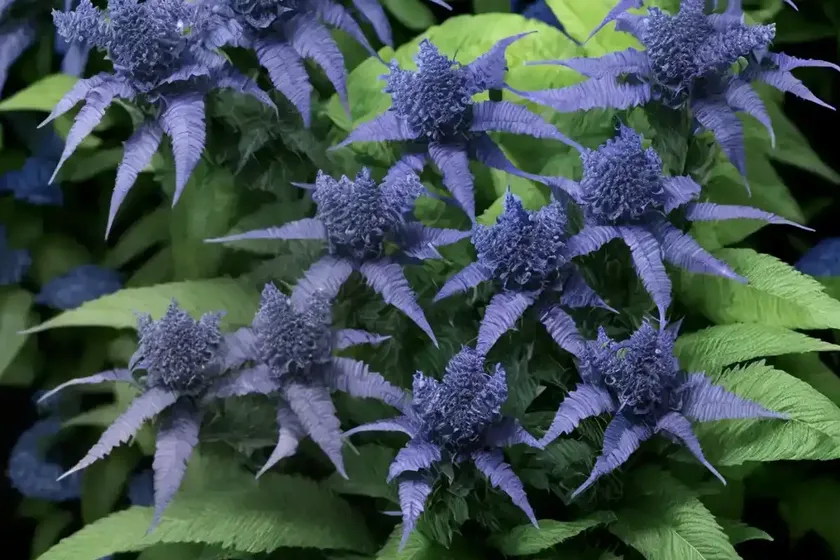
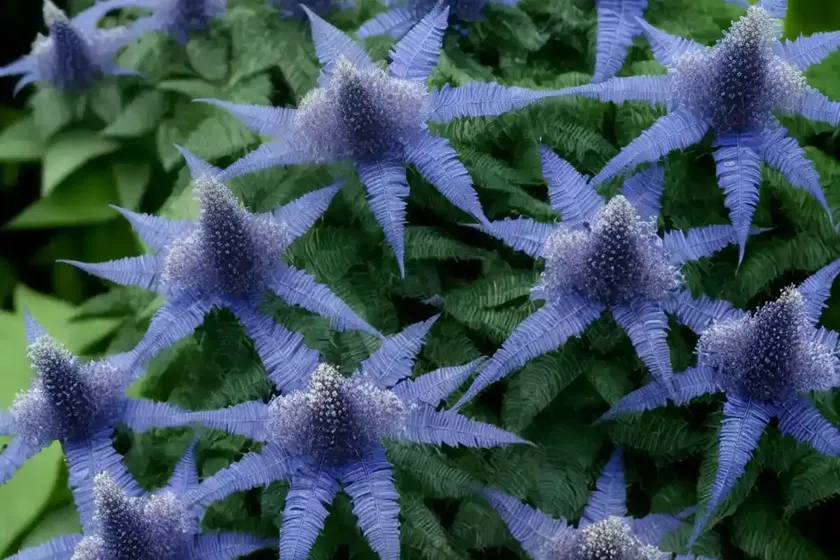
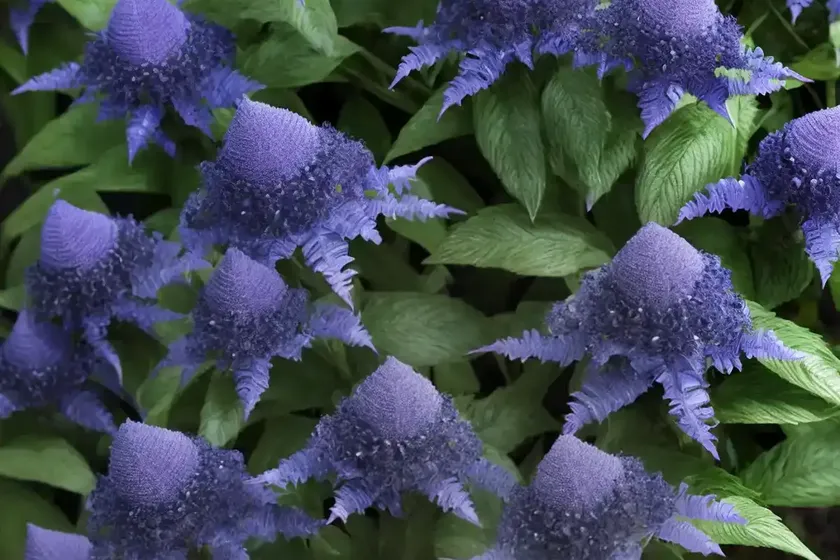
What is Bluebeard ‘Dark Knight’ (Caryopteris x clandonensis ‘Dark Knight’)?
Bluebeard ‘Dark Knight’ is a stunning deciduous shrub that belongs to the genus Caryopteris and the family Lamiaceae. The botanical name for this plant is Caryopteris x clandonensis ‘Dark Knight.’ It is a hybrid plant that resulted from crossing C. incana and C. mongholica. This exquisite plant is renowned for its vibrant blue flowers, attractive foliage, and its ability to thrive in challenging conditions. Bluebeard ‘Dark Knight’ is a popular ornamental shrub that has gained prominence in landscaping, garden borders, and as a pollinator-friendly plant.
Key Takeaways
- Botanical Name: Caryopteris x clandonensis ‘Dark Knight’
- Common Name: Bluebeard ‘Dark Knight’
- Plant Type: Deciduous shrub
- Attributes: Blue flowers, fragrant foliage, pollinator-friendly
- Growth Habit: Upright, rounded
- Hardiness Zone: 5-9
- Mature Height: 2-3 feet
- Mature Spread: 2-4 feet
- Sunlight: Full sun
- Soil: Well-draining, average fertility
- Water: Moderate
- Maintenance: Low
Now, let’s delve deeper into the various aspects of Bluebeard ‘Dark Knight’ ranging from its culture, uses, care requirements, and more.
Culture
Caryopteris x clandonensis ‘Dark Knight’ is native to East Asia. This hybrid cultivar was developed by Peter Catt, a well-known plantsman and nurseryman from Clandon, England. The plant’s culture relates to its preferred growing conditions, origins, and its significance in horticulture.
Uses
Garden Plants: Bluebeard ‘Dark Knight’ is often used as a striking accent plant in garden landscapes. It enhances the visual appeal of gardens with its blue flowers and attracts pollinators, adding biodiversity to the natural ecosystem.
Landscape Plants: Due to its compact size and alluring blooms, Bluebeard ‘Dark Knight’ is popularly used in landscape design, particularly in mixed borders and perennial gardens.
Drought-Tolerant Plants: With its ability to withstand periods of drought, this plant is suitable for xeriscaping and landscaping in arid regions.
Butterfly Attracting Plants: The fragrant flowers of Bluebeard ‘Dark Knight’ make it a favorite among butterfly species, making it a valuable addition to butterfly gardens and pollinator-friendly landscapes.
Deer-Resistant Plants: The aromatic foliage of Bluebeard ‘Dark Knight’ deters deer and other browsing animals, making it a suitable choice for gardens plagued by wildlife.
Water
Being a drought-tolerant plant, ‘Dark Knight’ Caryopteris has moderate water needs. It thrives in well-drained soils and is more tolerant of dry periods once established. When watering the plant, ensure that the soil is allowed to dry out slightly between watering sessions to prevent waterlogging, which can lead to root rot.
Sunlight
Bluebeard ‘Dark Knight’ thrives in full sun, requiring at least 6-8 hours of direct sunlight daily for optimal growth and blooming. Adequate sunlight helps the plant to produce an abundance of vibrant blue flowers and maintain its compact, bushy form.
Fertilizer
The plant’s fertilizer requirements are minimal. A balanced, slow-release fertilizer applied in spring can provide the necessary nutrients for vigorous growth and prolific flowering. When applying fertilizer, it is crucial to follow the manufacturer’s instructions to prevent overfeeding, which can lead to excessive foliage growth at the expense of flowers.
Soil
‘Dark Knight’ Caryopteris thrives in well-drained, fertile soil. A slightly acidic to neutral soil pH ranging from 5.5 to 7.0 is ideal for optimum growth and flower production. Amending the soil with organic matter, such as compost, can improve soil structure and fertility while enhancing moisture retention.
Pruning
Pruning is an essential practice to maintain the health and shape of Bluebeard ‘Dark Knight.’ Prune the plant in late winter to early spring before new growth emerges. Remove dead, damaged, or weak stems, and perform selective pruning to encourage a compact, bushy form and enhance flowering.
Propagation
The propagation of Bluebeard ‘Dark Knight’ can be achieved through various methods such as softwood cuttings, semi-hardwood cuttings, and division.
-
Softwood Cuttings: Softwood cuttings taken in late spring to early summer can root quickly under mist and provide a reliable method for propagating ‘Dark Knight’ Caryopteris.
-
Semi-Hardwood Cuttings: Semi-hardwood cuttings taken in mid-summer can also yield successful propagation results under controlled conditions.
-
Division: Dividing mature plants in early spring can be an effective way to propagate Bluebeard ‘Dark Knight,’ resulting in multiple plants from a single specimen.
Container Popularity
The compact size and striking appearance of ‘Dark Knight’ Caryopteris make it well-suited for container gardening. When grown in containers, this plant can perk up patios, balconies, and other outdoor spaces, adding a touch of elegance and color.
Common Diseases and Pests
Despite its robust nature, Bluebeard ‘Dark Knight’ is susceptible to certain diseases and pests. Being aware of these potential issues can aid in early detection and prompt intervention to preserve the plant’s health and vitality.
Common Diseases
Powdery Mildew (Erysiphe spp.): Powdery mildew is a fungal disease that can affect Bluebeard ‘Dark Knight,’ causing a white, powdery growth on the foliage. It thrives in humid conditions and can be mitigated through proper air circulation and the use of fungicidal treatments.
Root Rot: Overly wet and poorly-drained soil can lead to root rot in ‘Dark Knight’ Caryopteris. To prevent this, ensure that the soil has adequate drainage and avoid overwatering the plant.
Disease Diagnosis
Early diagnosis of diseases in Bluebeard ‘Dark Knight’ is crucial for effective management. Regular inspection of the plant for abnormal symptoms such as discolored or distorted foliage, wilting, or unusual growth can help in identifying potential issues. Seeking professional guidance can assist in accurate disease diagnosis and the implementation of targeted treatment measures.
Common Pests
Aphids: These small, soft-bodied insects can infest the tender shoot tips of Bluebeard ‘Dark Knight,’ causing distortion and stunted growth. Natural predators such as ladybugs and lacewings can aid in controlling aphid populations.
Spider Mites: These tiny arachnids can feed on the foliage of ‘Dark Knight’ Caryopteris, causing stippling and discoloration. Regularly spraying the plant with water can help deter spider mite infestations.
Botanist’s Tips
-
Companion Plants: Bluebeard ‘Dark Knight’ pairs well with a variety of garden companions including Echinacea, Rudbeckia, Salvia, and Ornamental Grasses, creating visually appealing and diverse plant combinations.
-
Seasonal Interest: The late summer blooming period of ‘Dark Knight’ Caryopteris provides a welcome burst of vibrant blue color to the garden, complementing the transitional landscape and serving as a valuable food source for late-season pollinators.
-
Butterfly Attraction: The fragrant flowers of Bluebeard ‘Dark Knight’ are a magnet for butterflies, making it an essential component of butterfly gardens and wildlife-friendly landscapes.
Fun Facts
-
Medicinal Uses: In traditional herbal medicine, certain Caryopteris species were used for their potential medicinal properties. While the ‘Dark Knight’ cultivar is primarily grown for ornamental purposes, it shares a lineage with plants that have historical medicinal significance.
-
Landscape Design: Bluebeard ‘Dark Knight’ is prized by landscape designers for its compact size, vibrant blue flowers, and adaptability to various garden styles, from formal to naturalistic and contemporary to traditional.
Links to External Resources
For further information on Bluebeard ‘Dark Knight’ (Caryopteris x clandonensis ‘Dark Knight’), refer to the following resources: