New Zealand Christmas Tree (Metrosideros Excelsa)
Plants, the green companions of our life, not only contribute significantly to the earth’s ecological balance but also make our surroundings beautiful and.
Introduction
Plants, the green companions of our life, not only contribute significantly to the earth’s ecological balance but also make our surroundings beautiful and soothing. Today, let’s delve into the breathtaking world of the New Zealand Christmas tree, scientifically known as Metrosideros excelsa. This plant holds a special place in the indigenous flora of New Zealand and boasts a rich cultural and ecological significance. In this comprehensive guide, we will explore every facet of this magnificent tree, from its cultural significance to its ecological role and from growth requirements to common pests and diseases.
What is a Plant?
Plants are multicellular organisms in the kingdom Plantae. They are primarily autotrophic, using photosynthesis to create their own food by converting light energy, water, and carbon dioxide into glucose and oxygen. Plants are an indispensable part of the Earth’s ecosystems, playing crucial roles in oxygen production, carbon sequestration, soil stabilization, and providing habitat and food for a diverse array of animals.
New Zealand Christmas Tree (Metrosideros excelsa)
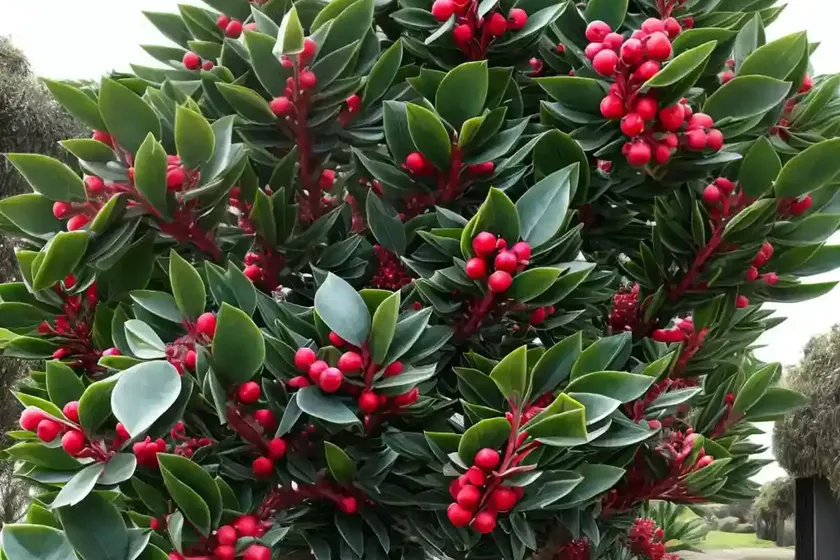
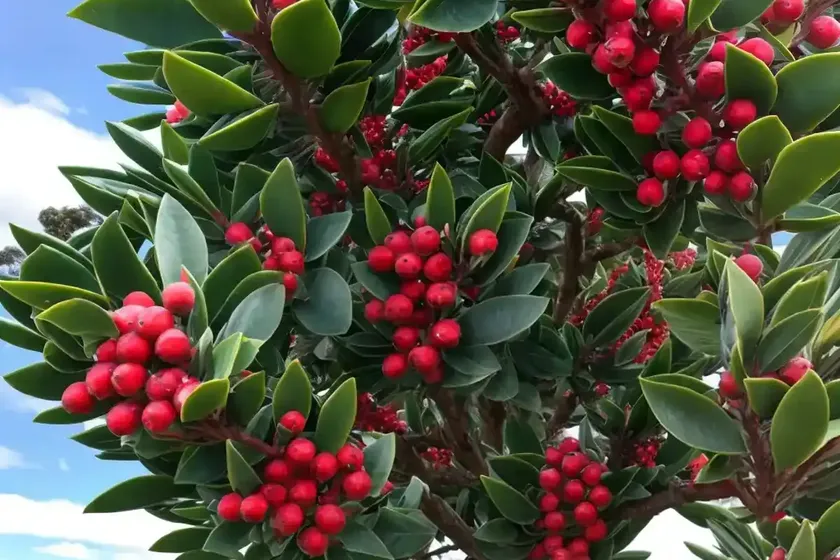
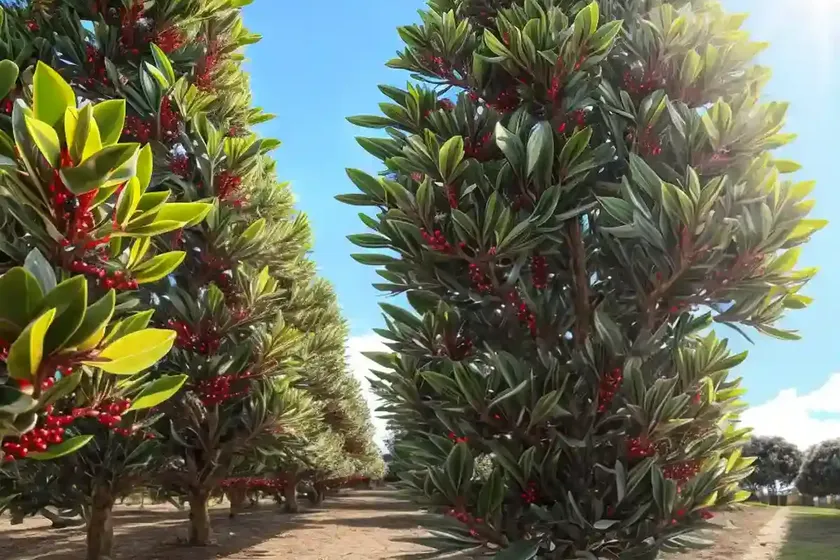
The New Zealand Christmas tree, also known as Pohutukawa, (Metrosideros excelsa) is a species of flowering tree in the myrtle family Myrtaceae. It is native to New Zealand and is particularly famous for its vibrant crimson flowers that bloom during the Southern Hemisphere’s summer, from November to January. The tree holds a special place in the hearts of New Zealanders and is often associated with the spirit of Christmas due to its stunning display of blossoms during the festive season.
Key Takeaways – New Zealand Christmas Tree (Metrosideros excelsa)
Let’s begin our exploration by understanding some key takeaways about the New Zealand Christmas tree.
Culture
- The Pohutukawa tree is deeply rooted in the cultural heritage of New Zealand. It holds immense significance in Maori culture, where it is regarded as a taonga, or treasure, and is associated with the spirit of Tane Mahuta, the god of the forest.
- The tree’s striking red blooms have led to it being referred to as the “New Zealand Christmas tree,” as its flowering coincides with the Christmas season in the Southern Hemisphere, creating a festive and cheerful ambiance all across the country.
Uses
- Beyond its cultural symbolism, the Pohutukawa tree has several practical uses. Its hard, durable wood has been traditionally used by Maori for carving, tool-making, and boat-building.
- The nectar-rich flowers of the tree are a valuable food source for native birds and insects, contributing to the biodiversity of the ecosystem.
Water
- The New Zealand Christmas tree is well-adapted to coastal environments and exhibits good tolerance to salt spray. Once established, it is relatively drought-tolerant, although regular watering is essential during dry spells, especially for young trees.
Sunlight
- Metrosideros excelsa thrives in full sun and is well-suited to open, sunny locations. Adequate sunlight is necessary for the tree to produce its iconic profusion of bright red flowers.
Fertilizer
- While the New Zealand Christmas tree is generally low-maintenance, occasional fertilization with a balanced, slow-release fertilizer can promote healthy growth and flowering. However, excessive fertilization should be avoided to prevent overstimulation and potential damage to the tree.
Soil
- The tree prefers well-drained soil and can adapt to a variety of soil types, including sandy, loamy, or clayey soils. It is important to ensure that the soil is not waterlogged, as excessively wet conditions can lead to root rot.
Pruning
- Pruning is an essential aspect of Metrosideros excelsa care, primarily to shape the tree, remove dead or damaged branches, and encourage a dense growth habit. Pruning is best carried out after the tree has finished flowering, allowing for the removal of spent blooms and the shaping of the tree’s structure.
Propagation
- The New Zealand Christmas tree can be propagated from seeds or cuttings. However, propagation from seeds can be a slow process, often taking several years for the tree to reach maturity and begin flowering. Propagation from semi-hardwood cuttings can be a more efficient method for propagating selected cultivars of the tree.
Container Popularity
- Due to its stunning floral display and ornamental value, the New Zealand Christmas tree is a popular choice for container cultivation in regions where the climate may not be conducive to its outdoor growth. Container-grown specimens can brighten up patios, balconies, and indoor spaces with their vibrant blooms.
Common Diseases
- While the New Zealand Christmas tree is generally resilient, it can be susceptible to certain diseases, including myrtle rust (Puccinia psidii), a fungal disease that has posed a threat to Myrtaceae species in various regions, including New Zealand.
- Another potential issue is Phytophthora root rot, a soil-borne disease that can affect the tree in poorly drained or waterlogged soil conditions, leading to root damage and decline in tree health.
Disease Diagnosis
- Recognition of diseases affecting the New Zealand Christmas tree is crucial for implementing timely and effective management strategies. Regular monitoring for symptoms such as leaf discoloration, lesions, or growth abnormalities can aid in early detection and intervention.
Common Pests
- In addition to diseases, the tree can also face challenges from pests such as scale insects, aphids, and caterpillars. These pests can affect leaf health and overall tree vigor, particularly when in large numbers.
Botanist’s Tips
- When selecting a site for planting, ensure that it provides ample space for the tree to reach its full, majestic size. Consider the tree’s eventual height and spread to prevent issues with overhead utility lines or neighboring structures.
- Regular inspection of the tree for signs of disease or pest infestation is paramount. Prompt action, such as the removal of affected plant parts or targeted pest control measures, can help maintain the tree’s health.
- Pruning should be performed with care, retaining the tree’s natural form and avoiding excessive or indiscriminate cutting, which can lead to stress and vulnerability to pests and diseases.
Fun Facts
- The Pohutukawa tree’s vibrant red flowers have led to it being affectionately referred to as the “NZ Christmas tree” and have become synonymous with the country’s festive season.
- The blooming of the tree also marks the beginning of the summer holidays in New Zealand, making it a symbol of relaxation and enjoyment for locals and visitors alike.
Links to External Resources
To further enrich your understanding of the New Zealand Christmas tree and its diverse facets, here are some valuable external resources:
- The Royal New Zealand Institute of Horticulture: Metrosideros excelsa
- New Zealand Plant Conservation Network: Pohutukawa
- Auckland Council: Pohutukawa
In conclusion, the New Zealand Christmas tree (Metrosideros excelsa) stands as a testament to the beauty, cultural significance, and ecological importance of indigenous flora. From its iconic crimson blooms to its role in coastal ecosystems, this magnificent tree continues to capture the hearts and minds of people, embodying the spirit of New Zealand’s natural heritage. Whether adorning coastal landscapes, urban parks, or container gardens, the Pohutukawa tree serves as a reminder of the intrinsic value of native plants and the need to conserve and cherish them for generations to come.
By exploring its cultural symbolism, ecological adaptations, and practical care tips, we gain a deeper appreciation for the intricate tapestry of nature and our interconnectedness with the plant world. As we celebrate the resilience and beauty of the New Zealand Christmas tree, let us also reaffirm our commitment to preserving and nurturing the diverse plant species that enrich our lives and our planet.


