Amaryllis ‘Aphrodite’ (Hippeastrum)
Amaryllis ‘Aphrodite’ is a stunning flowering plant belonging to the Hippeastrum genus. Its captivating blooms and relatively easy care requirements make.
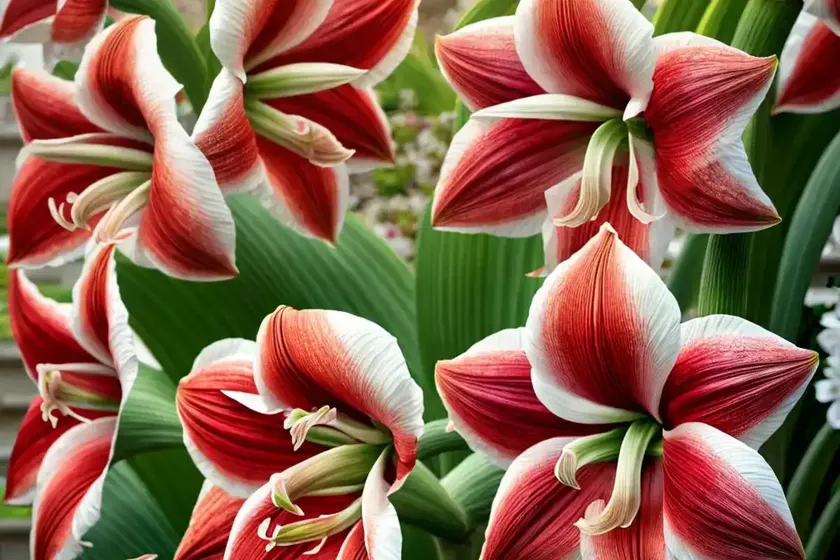
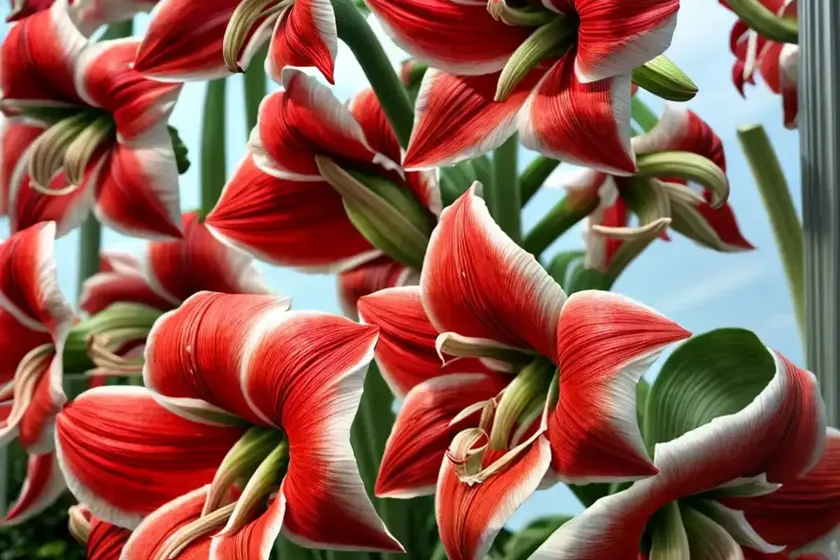
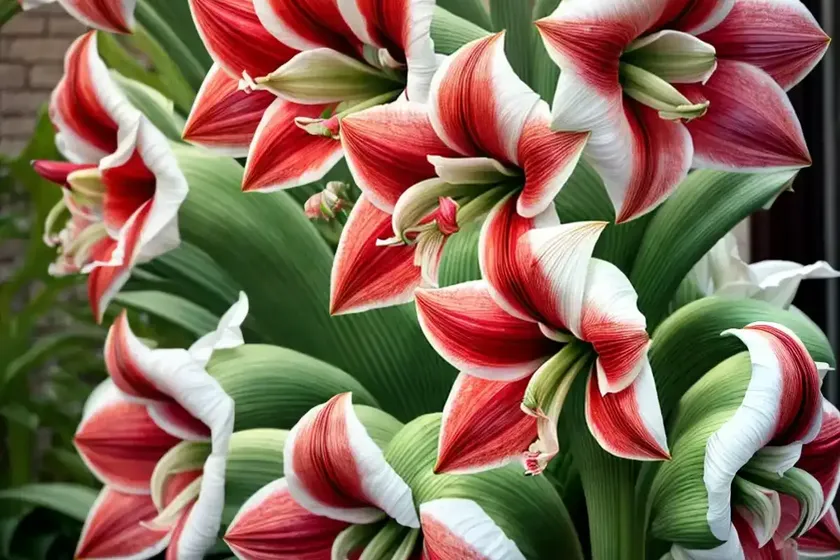
Amaryllis ‘Aphrodite’ is a stunning flowering plant belonging to the Hippeastrum genus. Its captivating blooms and relatively easy care requirements make it a popular choice for both indoor and outdoor cultivation. As a plant scientist with a passion for exploring the intricacies of plant species, I find Amaryllis ‘Aphrodite’ to be an intriguing subject. In this comprehensive guide, we will delve into the various aspects of Amaryllis ‘Aphrodite’, including its culture, uses, care requirements, common diseases, and much more.
What is Amaryllis ‘Aphrodite’ (Hippeastrum)?
Amaryllis ‘Aphrodite’ is a flowering plant species that is native to South America, particularly regions of Brazil and Argentina. It is a member of the Amaryllidaceae family, which consists of several bulbous plants known for their ornamental value. The plant is named after the Greek goddess of love, beauty, and fertility, Aphrodite, which alludes to the plant’s stunning and captivating blooms.
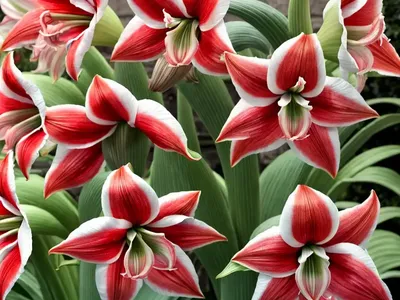
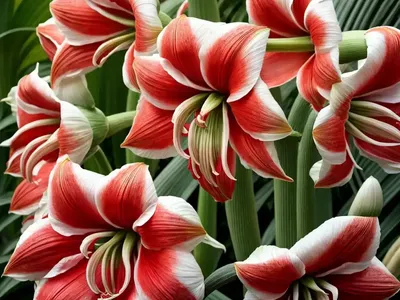
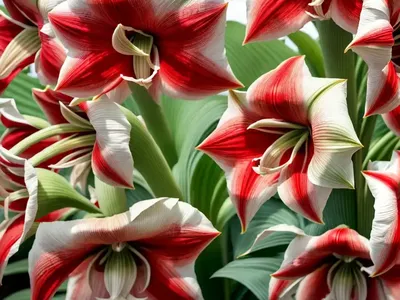
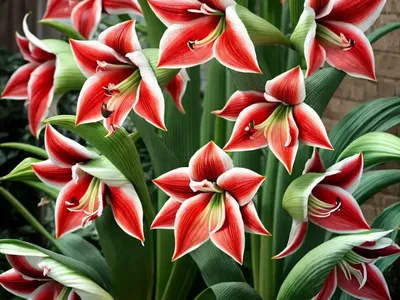
Amaryllis ‘Aphrodite’ is renowned for its large, trumpet-shaped flowers that come in a range of vibrant colors, including shades of red, pink, white, and various bi-color combinations. The plant typically produces multiple blooms on tall, robust stems, adding to its visual appeal.
Key Takeaways – Amaryllis ‘Aphrodite’ (Hippeastrum)
Before we delve into the detailed aspects of Amaryllis ‘Aphrodite’, let’s take a moment to outline the key takeaways associated with this beautiful plant. This will provide a quick snapshot of the significant points we will explore in this guide.
- Amaryllis ‘Aphrodite’ belongs to the Hippeastrum genus and is known for its striking, trumpet-shaped flowers.
- The plant is native to South America, primarily found in Brazil and Argentina.
- Its blooms come in various vibrant colors, making it a popular choice for ornamental gardening.
- Amaryllis ‘Aphrodite’ can be cultivated both indoors and outdoors, offering flexibility in landscaping and home decoration.
- The plant requires specific care in terms of water, sunlight, and soil to thrive and produce its iconic blooms.
With these key points in mind, let’s move on to explore the various facets of Amaryllis ‘Aphrodite’ in more detail.
Culture of Amaryllis ‘Aphrodite’
The culture or growing conditions of Amaryllis ‘Aphrodite’ play a crucial role in determining its overall health and the success of blooming. Understanding the plant’s culture requirements is essential for creating an environment where it can thrive and produce vibrant flowers.
Uses of Amaryllis ‘Aphrodite’
Amaryllis ‘Aphrodite’ holds several uses beyond its visual appeal. Here are the primary uses of this exquisite plant:
-
Ornamental Purposes: Amaryllis ‘Aphrodite’ is primarily cultivated for its enchanting flowers, making it a popular choice for enhancing the aesthetic appeal of gardens, indoor spaces, and floral arrangements.
-
Gifting: Its striking blooms make Amaryllis ‘Aphrodite’ a sought-after gift item, especially during festive occasions and special celebrations.
-
Landscaping: The plant’s versatility allows it to be used in landscaping projects, creating vibrant focal points or adding depth to flower beds and borders.
Water Requirements
Proper watering is essential for the health and vitality of Amaryllis ‘Aphrodite’. Here are some key points to consider regarding its water needs:
-
Balanced Moisture: Amaryllis ‘Aphrodite’ prefers well-draining soil and balanced moisture levels. Overwatering can lead to root rot, while insufficient water can hinder its growth and blooming potential.
-
Periodic Watering: During the active growing season, it’s important to water the plant thoroughly whenever the top inch of the soil feels dry to the touch. As the plant enters dormancy, reduce watering to allow for a rest period.
Sunlight Requirements
Proper sunlight exposure is crucial for the growth and blooming of Amaryllis ‘Aphrodite’. Here’s what you need to know about providing the right amount of sunlight to this plant:
-
Bright, Indirect Light: Amaryllis ‘Aphrodite’ thrives in bright, indirect light. Placing it near a window or in a location with filtered sunlight is ideal. Direct sunlight, especially during the hottest part of the day, should be avoided to prevent leaf scorching.
-
Seasonal Adjustments: In regions with intense summer heat, providing some protection from the midday sun can prevent stress and potential damage to the plant.
Fertilizer Requirements
Appropriate fertilization supports the healthy growth and blooming of Amaryllis ‘Aphrodite’. Consider the following points when feeding this plant:
-
Balanced Fertilizer: Amaryllis ‘Aphrodite’ benefits from a balanced, water-soluble fertilizer formulated for flowering plants. Apply the fertilizer according to the manufacturer’s instructions throughout the active growing season to support robust foliage and blooming.
-
Reduced Fertilization: As the plant transitions into dormancy, reduce or cease fertilization to allow it to naturally enter a period of rest.
Soil Preferences
The choice of soil type directly impacts the root health and overall performance of Amaryllis ‘Aphrodite’. Understanding its soil preferences is essential for providing an optimal growing environment:
-
Well-Draining Medium: Amaryllis ‘Aphrodite’ thrives in a well-draining potting mix that provides adequate aeration and prevents waterlogging.
-
Rich in Organic Matter: Incorporating organic matter such as compost or peat moss into the soil mix can enhance its fertility and structure, promoting healthy root development.
Pruning Techniques
Pruning is a beneficial practice for Amaryllis ‘Aphrodite’ to promote tidiness and redirect its energy for optimal growth and blooming:
-
Removing Spent Blooms: Deadheading or removing spent blooms prevents the plant from expending energy on seed production and encourages the development of new flower buds.
-
Trimming Foliage: Trimming back discolored or yellowing foliage can improve the plant’s appearance and allow for better airflow around the remaining leaves.
Propagation Methods
Amaryllis ‘Aphrodite’ can be propagated through several methods, allowing for the expansion of its population and the creation of new plants. Consider the following propagation techniques:
-
Offsets or Bulblets: Offsets that develop at the base of the parent bulb can be carefully separated and planted to grow into independent plants. Ensure that each offset has its own roots for successful propagation.
-
Seeds: Although less commonly utilized due to the lengthier time to maturity, Amaryllis ‘Aphrodite’ can be propagated from seeds. Keep in mind that seed-grown plants may display variations in bloom color and form.
Container Gardening
Amaryllis ‘Aphrodite’ is well-suited for container gardening, offering flexibility in terms of placement and cultivation. Here are some important considerations when growing this plant in containers:
-
Pot Size: Select a container that provides ample space for the bulb to expand and develop roots. Amaryllis ‘Aphrodite’ bulbs appreciate a slightly snug fit but should not be excessively cramped in the pot.
-
Drainage Holes: Ensure that the container has adequate drainage holes to prevent waterlogging, which can lead to root rot. A well-draining potting mix further aids in maintaining optimal soil moisture levels.
-
Indoor Placement: When grown indoors, place the container in a bright location with indirect sunlight. Rotate the pot periodically to promote even growth and prevent leaning towards the light source.
Common Diseases
Like all plants, Amaryllis ‘Aphrodite’ is susceptible to certain diseases that can impact its overall health and appearance. Understanding common diseases and their diagnosis is essential for implementing timely interventions.
Disease Diagnosis
Identifying symptoms and potential causes of diseases can help in providing appropriate care and treatment for Amaryllis ‘Aphrodite’. Here are some common diseases that may affect this plant:
-
Leaf Blight: Characterized by dark spots or lesions on the leaves, leaf blight is often caused by fungal pathogens. It can lead to defoliation and reduced vigor in the plant.
-
Botrytis Blight: This fungal disease manifests as grayish mold on the plant’s foliage and flowers, often occurring in conditions of high humidity and poor air circulation.
-
Stem Rot: Excessive moisture or poor drainage can contribute to stem rot in Amaryllis ‘Aphrodite’, leading to the decay of the plant’s stems and subsequent wilting.
-
Bulb Rot: Improper soil moisture and poor drainage can result in bulb rot, affecting the health and viability of the plant’s bulbs.
Common Pests
Pests can pose a threat to the vitality of Amaryllis ‘Aphrodite’, requiring vigilance and prompt action to mitigate their impact. Here are some common pests that may affect this plant:
-
Aphids: These tiny, soft-bodied insects can cluster on the tender shoots and undersides of leaves, piercing the plant to extract sap and causing leaf distortion.
-
Spider Mites: Spider mites are minuscule arachnids that feed on the plant’s sap, leading to stippled or discolored leaves and the production of fine webbing on the foliage.
-
Mealybugs: Mealybugs are small, white, cottony pests that congregate on the plant, particularly at leaf axils and other sheltered areas, sucking sap and potentially causing wilting.
-
Thrips: Thrips are slender, winged insects that feed on the plant’s tissues, causing stippling, silvery discoloration, and distorted growth.
Botanist’s Tips
As a botanist deeply passionate about Amaryllis ‘Aphrodite’, I have gathered several insightful tips derived from my experience and observations:
-
Monitor Soil Moisture: Regularly check the soil moisture level and adjust your watering frequency based on the specific needs of your Amaryllis ‘Aphrodite’. Overwatering is a common concern that can be mitigated through attentive monitoring.
-
Provide Adequate Air Circulation: Whether grown indoors or outdoors, ensuring good air circulation around the plant can help reduce the risk of fungal diseases such as botrytis blight.
-
Stagger Planting for Continuous Blooms: If you have multiple Amaryllis ‘Aphrodite’ bulbs, consider staggering their planting times to enjoy a prolonged period of blooming, extending the visual delight they bring.
Fun Facts
Now, let’s explore some fun and fascinating facts about Amaryllis ‘Aphrodite’ that showcase the unique appeal and allure of this remarkable plant:
-
The name “Amaryllis” is derived from a shepherdess in ancient Greek poetry, symbolizing pastoral beauty. This ties into the plant’s enchanting and captivating nature.
-
Amaryllis ‘Aphrodite’ bulbs may produce offsets or bulblets, leading to the gradual expansion of a plant clump over time, a testament to its natural propagation abilities.
-
The trumpet-shaped flowers of Amaryllis ‘Aphrodite’ symbolize pride, determination, and radiant beauty, making them an emblem of admiration and positivity.
Links to External Resources
For further exploration of Amaryllis ‘Aphrodite’ care, planting guides, and related topics, I recommend delving into the following reputable resources:
- Royal Horticultural Society (RHS) – Amaryllis care advice
- University of Florida IFAS Extension – Amaryllis production guide
- North Carolina State University Extension – Amaryllis and Hippeastrum
These resources offer valuable insights, expert guidance, and practical tips for enthusiasts, gardeners, and plant lovers seeking to deepen their understanding of Amaryllis ‘Aphrodite’ and its cultivation.
In Conclusion
Amaryllis ‘Aphrodite’ stands as a testament to nature’s creative and enchanting beauty, captivating admirers with its vibrant blooms and elegant presence. By honoring its cultural, care, and horticultural significance, we can further appreciate and celebrate this magnificent flowering plant, fostering a deeper connection with the natural world.
In summary, Amaryllis ‘Aphrodite’ encompasses a rich tapestry of culture, uses, care requirements, propagation methods, and intriguing facts, making it a subject of endless fascination and admiration for plant enthusiasts and horticulturists alike. May the allure of Amaryllis ‘Aphrodite’ continue to inspire and captivate individuals, fostering a deep appreciation for the wonders of nature and the botanical marvels that grace our lives.