Nepeta X Faassenii ‘Cats Meow’ (Catmint)
As a plant scientist, I have always been fascinated by the diverse and remarkable world of plants. From the majestic trees of the rainforest to the.
Introduction
As a plant scientist, I have always been fascinated by the diverse and remarkable world of plants. From the majestic trees of the rainforest to the delicate wildflowers of the meadow, each plant has its own unique characteristics and contributions to the ecosystem. In this comprehensive guide, we will delve into the fascinating world of Nepeta x faassenii ‘Cats Meow’ – commonly known as Catmint. We will explore its culture, uses, care requirements, and much more. Whether you are a seasoned horticulturist, a gardening enthusiast, or someone looking to enhance their knowledge of plants, this guide will provide valuable insights into the captivating world of Nepeta x faassenii ‘Cats Meow’.
What is Nepeta x faassenii ‘Cats Meow’?
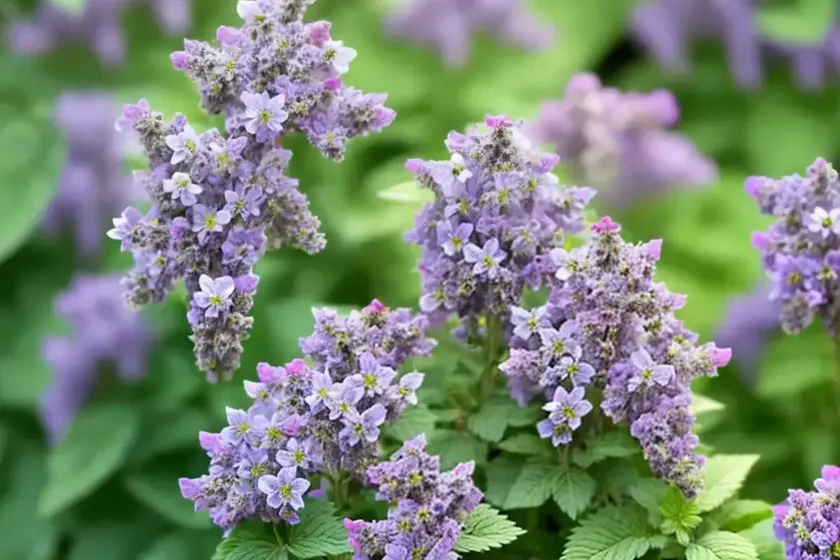
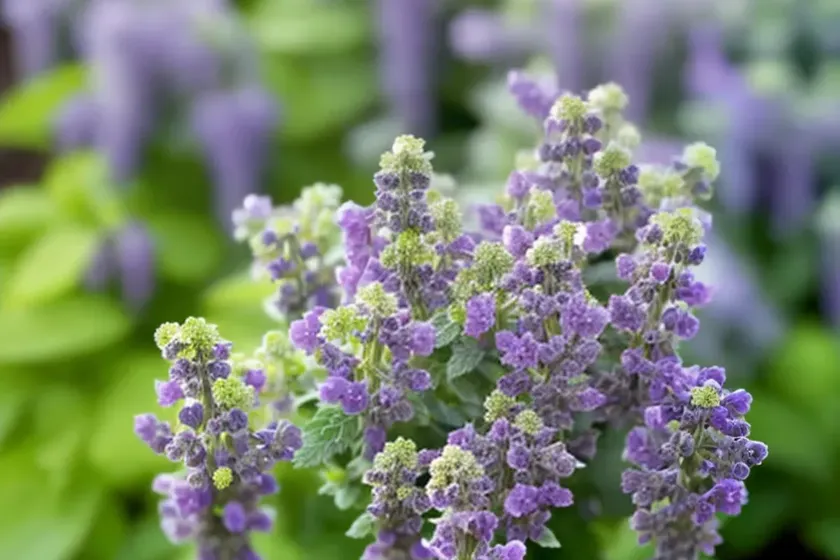
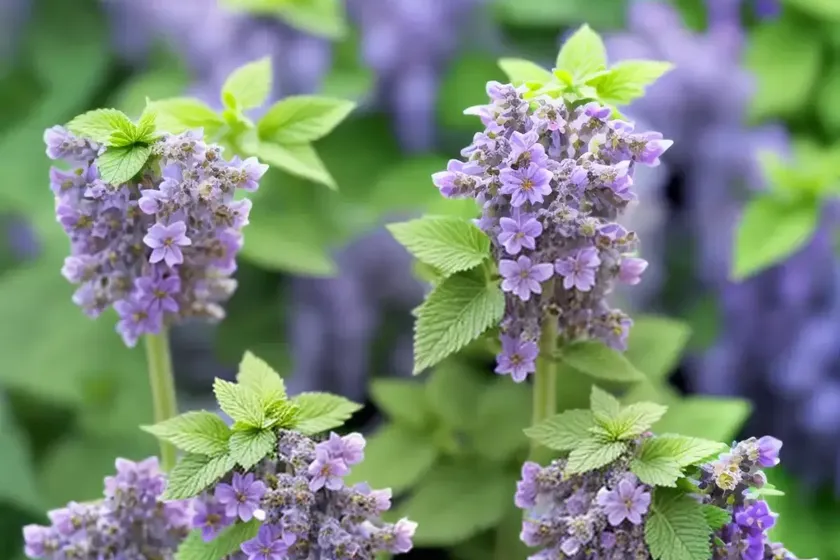
Nepeta x faassenii ‘Cats Meow’ is a delightful perennial plant that is cherished for its aromatic foliage and profusion of flowers. This cultivar is a part of the Nepeta genus within the Lamiaceae family, which also includes other well-known members such as mint and oregano. ‘Cats Meow’ is a hybrid catmint that is renowned for its compact growth habit and abundant blossoms, making it a popular choice for gardeners and landscape enthusiasts.
Key Takeaways – Nepeta x faassenii ‘Cats Meow’ (Catmint)
Culture
- Hardiness Zones: Suitable for zones 3 to 8
- Growth Habit: Compact, mounded
- Mature Size: Approximately 15-18 inches tall and wide
- Foliage: Aromatic, gray-green leaves
- Flowers: Lavender-blue blossoms, abundant and attractive to pollinators
- Drought Tolerance: Moderate to high
- Deer Resistance: Often resistant to deer browsing
- Fragrance: Pleasant, attracts pollinators
Uses
- Ornamental Landscaping: Ideal for borders, edging, and mass plantings
- Pollinator Gardens: Attracts bees, butterflies, and hummingbirds
- Aromatic Qualities: Can be used for potpourri, sachets, and herbal crafts
- Companion Planting: Benefits neighboring plants by attracting beneficial insects
- Herbal Remedy: Historically used for medicinal purposes
Water
- Watering Needs: Regular watering during the establishment phase, then moderately drought tolerant once established
- Soil Moisture: Well-draining soil is preferable to prevent waterlogging
Sunlight
- Sun Requirements: Thrives in full sun to partial shade
- Sun Exposure: Ideally 6 or more hours of direct sunlight per day for optimal flowering
Fertilizer
- Fertilization: Generally, a light application of balanced fertilizer in early spring can support healthy growth
- Organic Matter: Incorporating compost or organic matter during planting can enhance soil fertility
Soil
- Soil Type: Well-draining soil, adaptable to various soil types
- pH Range: Tolerant of a wide pH range, slightly acidic to slightly alkaline
- Soil Amendments: Adding organic matter can improve soil structure and fertility
Pruning
- Deadheading: Regular removal of spent flowers can promote prolonged blooming
- Shearing: Occasional shearing after the initial flowering can encourage compact growth and reblooming
- Spring Pruning: Trim back the foliage in early spring to stimulate new growth
Propagation
- Division: Propagate through division in the early spring or fall
- Root Division: Gently separate the root ball into individual sections with shoots and roots
Container Popularity
- Container Gardening: ‘Cats Meow’ is well-suited for container cultivation
- Patio and Balcony: Adds color and fragrance to outdoor living spaces
- Herb Gardens: Can be grown alongside other herbs in containers
Common Diseases
- Powdery Mildew: Can occur in humid conditions, ensure adequate air circulation
- Root Rot: Caused by waterlogged soil, maintain proper drainage
- Botrytis: Gray mold that may affect flowers, manage humidity to reduce risk
Disease Diagnosis
- Monitoring: Regularly inspect plants for signs of discoloration, wilting, or unusual growth
- Fungal Issues: Address promptly to prevent the spread of fungal diseases
Common Pests
- Aphids: Check the undersides of leaves for clusters of small insects
- Spider Mites: Look for fine webbing and stippled foliage, especially in dry conditions
- Leafhoppers: Monitor for signs of stippling and discoloration on leaves
Botanist’s Tips
- Beneficial Insects: Encourage the presence of pollinators and natural predators for pest control
- Mulching: Applying a layer of organic mulch can regulate soil moisture and temperature
- Companion Planting: Pair with other pollinator-friendly plants for a vibrant and diverse garden
Fun Facts
- Cat Attractant: The aromatic foliage of ‘Cats Meow’ can have an irresistible allure for cats
- Historical Significance: Catmint has been valued for centuries for its medicinal and aromatic properties
- Myth and Lore: Catmint has been associated with various superstitions and beliefs throughout history
Links to External Resources
- RHS – Nepeta x faassenii
- The Spruce – Catmint (Nepeta)
- Missouri Botanical Garden – Nepeta x faassenii
- Fine Gardening – Growing Nepeta
- HGTV – Catmint Growing Tips
In conclusion, Nepeta x faassenii ‘Cats Meow’ is a versatile and charming plant that holds immense value in ornamental, ecological, and historical contexts. Its adaptability, low maintenance, and attractive qualities make it a wonderful addition to gardens, landscapes, and even container plantings. By incorporating ‘Cats Meow’ into your gardening endeavors, you can celebrate the beauty of nature and create a thriving haven for pollinators and wildlife. I hope this guide has provided you with valuable insights and inspiration for cultivating Nepeta x faassenii ‘Cats Meow’ in your own green spaces. Happy gardening!


