Nepeta Nervosa ‘Pink Cat’ (Catmint)
Plant enthusiasts and gardeners alike are always on the lookout for new and interesting varieties to add to their green spaces. One such variety that has.
Introduction
Plant enthusiasts and gardeners alike are always on the lookout for new and interesting varieties to add to their green spaces. One such variety that has gained popularity in recent times is Nepeta nervosa ‘Pink Cat’, commonly known as Catmint. This beautiful and aromatic plant has become a favorite due to its pink flowering spikes and its attractiveness to pollinators, especially bees.
In this comprehensive guide, we will delve into the various aspects of growing and caring for Nepeta nervosa ‘Pink Cat’, from its cultural requirements to its uses in different settings. By the end of this article, you will have a thorough understanding of how to cultivate and appreciate this lovely plant.
What is Plant: Nepeta nervosa ‘Pink Cat’ (Catmint)
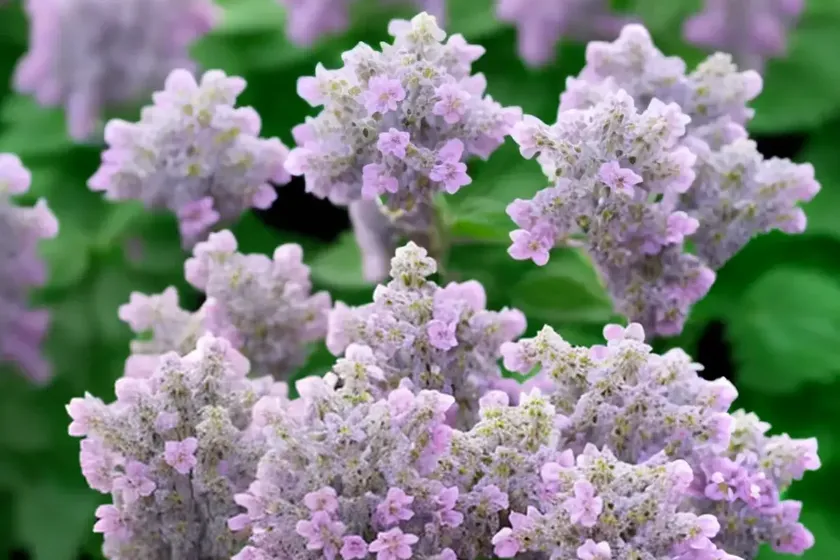
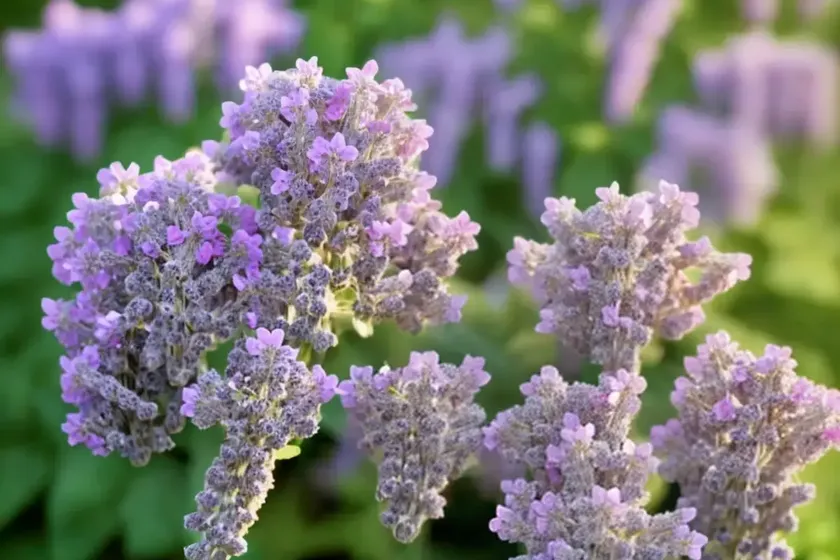
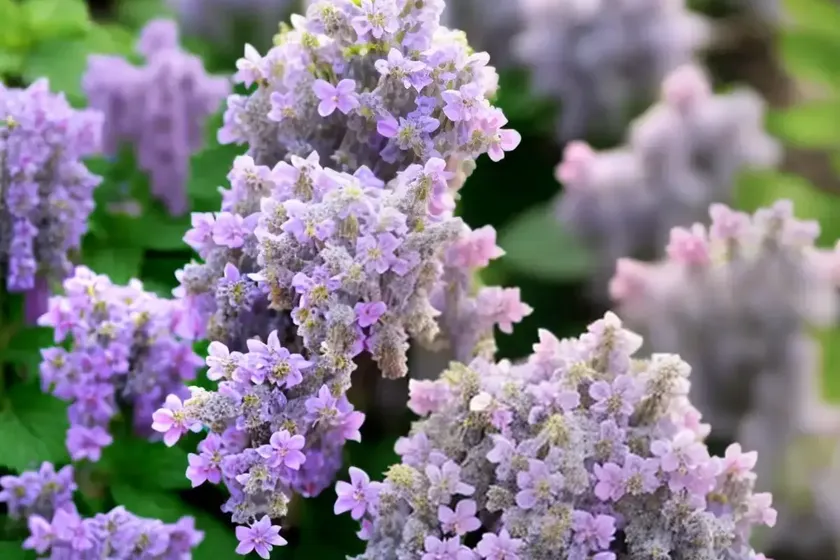
Nepeta nervosa ‘Pink Cat’ is a cultivar of Catmint, which belongs to the genus Nepeta in the family Lamiaceae. This perennial herbaceous plant is native to the Caucasus and Iran, and it typically grows in clumps with upright stems reaching heights of 18-24 inches. The foliage of ‘Pink Cat’ is gray-green and emits a pleasant minty fragrance when crushed or brushed against. The most striking feature of this plant is undoubtedly its long-lasting spikes of tubular, pale pink flowers that bloom from late spring to early summer, providing a showy display in the garden.
Key Takeaways – Nepeta nervosa ‘Pink Cat’ (Catmint)
Culture
- Hardiness: USDA zones 4-8
- Growth Habit: Clumping, upright
- Foliage: Gray-green, aromatic
- Flowers: Tubular, pale pink
- Bloom Time: Late spring to early summer
Uses
- Garden: Borders, mass planting, rock gardens
- Container: Suitable for pots and planters
- Aromatic: Foliage emits a pleasant fragrance
- Attracts Pollinators: Especially appealing to bees
Water
- Watering Needs: Moderate
- Drought Tolerance: High once established
Sunlight
- Light Requirements: Full sun to partial shade
- Optimal Sun Exposure: 6-8 hours of direct sunlight
Fertilizer
- Fertilization: Light feeding in spring with a balanced fertilizer
- Soil Enrichment: Incorporate organic matter during planting
Soil
- Soil Type: Well-draining, loamy
- Soil pH: Neutral to slightly alkaline (pH 6.7-7.3)
Pruning
- Deadheading: Encourages prolonged blooming
- Shearing: Promotes compact growth and a tidy appearance
Propagation
- Division: Every 3-4 years in early spring
- Seed: Can be sown directly in the garden
Container
- Suitability: Thrives in containers
- Soil: Well-draining potting mix
- Size: Select a container with adequate room for root growth
Popularity
- Rising: Growing interest due to its visual appeal and low-maintenance nature
- Landscaping: Used in residential and public green spaces
Common Diseases
- Powdery Mildew: Potential susceptibility in humid conditions
- Root Rot: Can occur in poorly drained soils
Disease Diagnosis
- Signs: White powdery patches on leaves for powdery mildew; wilting and browning of roots for root rot
- Prevention: Monitor moisture levels and ensure proper air circulation
Common Pests
- Aphids: Sometimes attracted to the succulent new growth
- Spider Mites: Infestations can lead to stippling on leaves
Botanist’s Tips
- Companion Plants: Pair with other pollinator-attracting perennials
- Low-Maintenance: Requires minimal care once established
Fun Facts
- Cat Attractant: The scent of the foliage is enticing to cats
- Medicinal Uses: In traditional herbal medicine, Catmint was valued for its calming properties
Now that we have captured an overview of Nepeta nervosa ‘Pink Cat’, let’s dive deeper into the specifics of its care and cultivation.
Watering and Soil Requirements
Water
Nepeta nervosa ‘Pink Cat’ is considered to have moderate water needs, and it prefers consistent moisture without being waterlogged. It is crucial to establish a regular watering regimen, especially during the initial growth period and in the absence of rainfall. Once the plant has developed a strong root system, it exhibits remarkable drought tolerance. However, during extended dry spells, providing supplemental water ensures continued vigor and flowering.
Soil
The choice of soil is fundamental to the well-being of Nepeta nervosa ‘Pink Cat’. It thrives in well-draining, loamy soil with a neutral to slightly alkaline pH range of 6.7-7.3. When preparing the planting site, it is beneficial to incorporate organic matter such as compost or well-rotted manure to enrich the soil and improve its structure. This amendment aids in moisture retention and nutrient availability, contributing to the overall health of the plant.
Sunlight and Fertilizer
Sunlight
Adequate sunlight is essential for the robust growth and abundant blooming of Nepeta nervosa ‘Pink Cat’. It prefers full sun to partial shade, with an optimal exposure range of 6-8 hours of direct sunlight per day. In regions with intense summer heat, providing some afternoon shade can be beneficial to prevent excessive wilting and stress on the plant.
Fertilizer
In early spring, as new growth emerges, a light feeding of a balanced fertilizer can be applied around the base of the plant. This helps to support the development of healthy foliage and promotes prolific flowering. However, care should be taken to avoid over-fertilization, as this may lead to excessive vegetative growth at the expense of flowering. Alternatively, incorporating a slow-release fertilizer into the soil during the planting phase can provide steady nutrition throughout the growing season.
Pruning and Propagation
Pruning
Pruning Nepeta nervosa ‘Pink Cat’ serves to maintain its compact form and encourage continual blooming. Deadheading, the removal of spent flowers, is an effective practice to prolong the flowering period and prevent self-seeding. Additionally, shearing the plant after the first bloom cycle can promote a bushier habit and a tidy appearance. It is advisable to refrain from cutting into woody stems, as this may impede future growth.
Propagation
The propagation of Nepeta nervosa ‘Pink Cat’ can be achieved through division and seed sowing. Division, the separation of mature clumps into smaller sections, should be carried out every 3-4 years in early spring to rejuvenate the plant and prevent overcrowding. The divided sections can then be replanted to establish new growth. Alternatively, seeds can be sown directly in the garden in early spring or fall, and they will germinate in a few weeks under favorable conditions.
Container Cultivation and Gardening Tips
Container
Nepeta nervosa ‘Pink Cat’ is well-suited for container cultivation, making it an excellent choice for those with limited garden space or for individuals looking to add a touch of beauty to their patios and balconies. When selecting a container, it is important to choose one with adequate drainage holes to prevent waterlogging. A well-draining potting mix, formulated for container plants, should be utilized to provide the ideal growing medium for the ‘Pink Cat’ to thrive.
Popularity
The rise in popularity of Nepeta nervosa ‘Pink Cat’ can be attributed to its versatility in landscaping and its visual allure. Its use in borders, mass plantings, and rock gardens has become increasingly prevalent, adding a charming and fragrant element to various outdoor settings. Additionally, the plant’s suitability for containers has expanded its appeal to urban gardeners and those seeking low-maintenance yet enchanting floral displays.
Disease and Pest Management
Common Diseases
Two common afflictions that Nepeta nervosa ‘Pink Cat’ may encounter are powdery mildew and root rot. Powdery mildew, characterized by a white powdery coating on the leaves, can occur in conditions of high humidity and poor air circulation. On the other hand, root rot develops in soils with inadequate drainage, leading to the decay of the plant’s root system.
Disease Diagnosis
In diagnosing powdery mildew, the presence of white patches on the foliage, particularly during periods of high humidity, is indicative of the disease. To mitigate its impact, it is important to maintain proper air circulation around the plants and to avoid overhead watering. On the other hand, signs of root rot include wilting, browning, and decay of the roots. Ensuring well-draining soil and moderating watering frequency are vital preventive measures.
Common Pests
While Nepeta nervosa ‘Pink Cat’ is relatively resistant to pest infestations, occasional encounters with aphids and spider mites may occur. Aphids are attracted to the tender new growth of the plant, and their presence can be identified by clusters of small, soft-bodied insects on the foliage and stems. Conversely, spider mites may cause stippling and discoloration of the leaves, indicating their infestation.
Botanist’s Tips
To deter aphids and spider mites, companion planting with species that repel these pests, such as alliums and marigolds, can be advantageous. Additionally, encouraging natural predators of these pests, such as ladybugs and lacewings, contributes to a balanced and harmonious ecosystem in the garden.
Fun Facts and Final Considerations
Cat-Friendly Attributes
Nepeta nervosa ‘Pink Cat’ possesses a special allure for our feline companions, as its fragrance is known to be irresistible to cats. Planting this Catmint in your garden may lead to delightful visits from neighborhood cats, who are drawn to the scent and find great enjoyment in rubbing against the aromatic foliage.
Medicinal and Herbal Uses
In traditional herbal medicine, Catmint has been treasured for its various medicinal properties. The plant is known to have calming and soothing effects, and it has been used to prepare infusions and teas that promote relaxation and alleviate tension. Additionally, the aromatic properties of the plant have led to its utilization in the production of essential oils, opening up avenues for aromatherapy and holistic well-being.
Gardening Tips
When incorporating Nepeta nervosa ‘Pink Cat’ into your garden design, consider its compatibility with other flowering perennials and its potential to attract pollinators. The vibrant pink flowers of the ‘Pink Cat’ variety can serve as a focal point or an accent within mixed borders, and their soft hue complements a wide range of color combinations. Furthermore, the low-maintenance nature of this plant makes it an excellent choice for those seeking an easy-care yet captivating addition to their landscapes.
Conclusion
Nepeta nervosa ‘Pink Cat’, with its delightful pink flowers, aromatic foliage, and wide array of uses, stands as a charming and beneficial addition to any garden setting. Its appeal to pollinators, its low maintenance requirements, and its cultural adaptability make it an attractive choice for both experienced and novice gardeners. By adhering to the guidelines outlined in this comprehensive guide, you can confidently cultivate and enjoy the beauty of ‘Pink Cat’ Catmint, creating a vibrant and inviting green space that will be appreciated by both humans and nature’s winged visitors.
External Resources
For further information and resources related to Nepeta nervosa ‘Pink Cat’ and its cultivation, the following links may be of interest:
- Royal Horticultural Society – Nepeta nervosa ‘Pink Cat’
- University of Maryland Extension – Nepeta nervosa
- American Society for the Prevention of Cruelty to Animals – Catnip: Nepeta cataria
Remember to always refer to reputable sources and local gardening authorities for specific recommendations tailored to your region and climate. Happy gardening!


